Does Drinking Coffee Help with Fat Loss During a Cut?
Does Drinking Coffee Help with Fat Loss During a Cut?

☕ TL;DR
So, does drinking coffee help with fat loss during a cut? The answer is a qualified yes, but it's not magic. A comprehensive 2023 meta-analysis found that caffeine has a small but significant effect on increasing fat metabolism . A 2024 study showed that moderate doses (<6 mg/kg) of caffeine before fed-state exercise increased fat oxidation . A 2025 randomized trial demonstrated that consuming caffeine before sprint interval training led to greater reductions in fat mass in obese women . However, a 2024 trial on appetite found that coffee increased the desire for sweet foods and subsequent fructose intake . The key is using coffee strategically—black, before workouts, and without sugary add-ins. This guide breaks down the science of thermogenesis, fat oxidation, appetite effects, and gives you actionable protocols for your cut.
1. The Cutting Conundrum: Can Coffee Help?
You're in a calorie deficit. You're hungry, tired, and your workouts are suffering. You reach for coffee—it's socially acceptable, it perks you up, and maybe, just maybe, it's helping you burn more fat. But is this wishful thinking, or is there real science behind it?
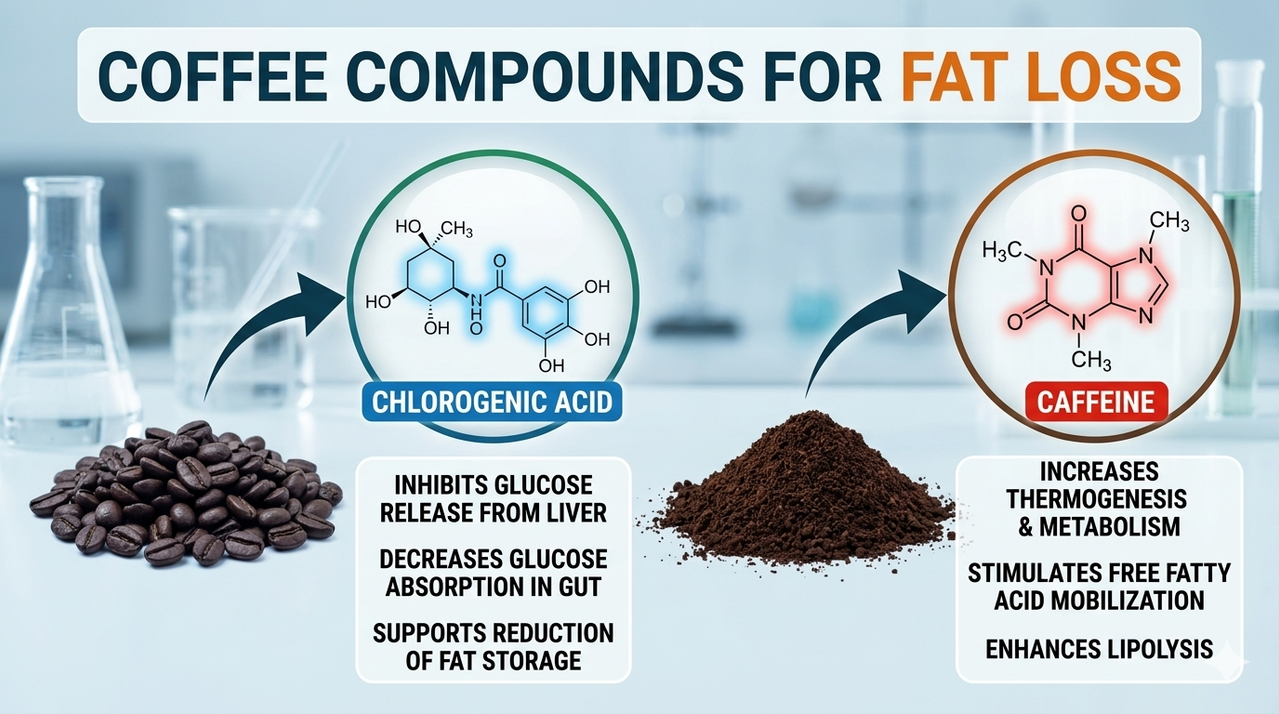
The question of does drinking coffee help with fat loss during a cut has been debated for decades. With a flood of new research from 2023-2026, we finally have clearer answers. Coffee contains over 1,000 bioactive compounds, but caffeine is the star player for weight management . This article synthesizes the latest evidence to give you a practical, science-backed roadmap for using coffee during your cutting phase.
2. The Science: How Coffee Affects Fat Loss
2.1. Thermogenesis and Energy Expenditure
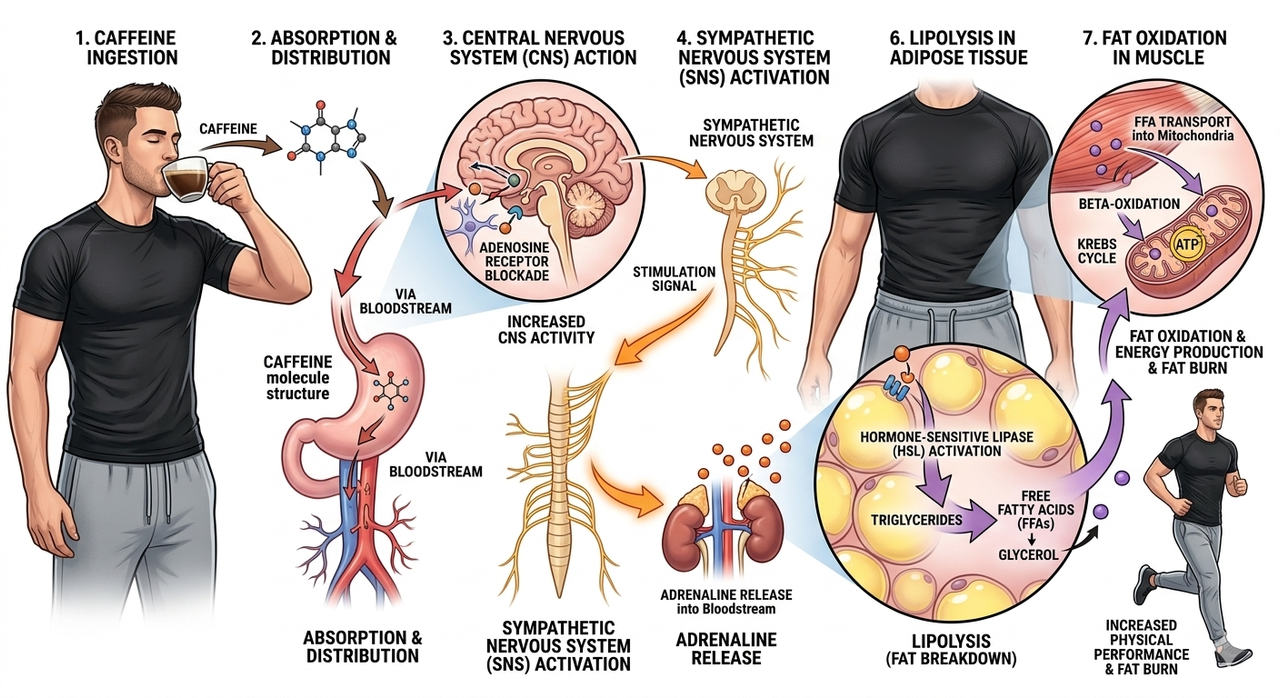
Caffeine stimulates the sympathetic nervous system, increasing the release of catecholamines (epinephrine and norepinephrine) . These hormones signal fat cells to break down fat (lipolysis) and increase heat production (thermogenesis) . A 2012 cell study confirmed that caffeine depolarizes mitochondrial membranes, a feature of thermogenesis, and increases uncoupling protein-2 (UCP-2) . A 2016 review in the Journal of Basic and Clinical Physiology and Pharmacology concluded that caffeine increases daily energy expenditure by 80-150 calories on average . While modest, this "coffee advantage" can add up over a 12-week cut.
2.2. Fat Oxidation: The 2024 Meta-Analysis
A 2023 meta-analysis from Boise State University aggregated data from 94 studies and found a small but significant effect of caffeine on increasing fat metabolism . Importantly, a 2024 systematic review in Nutrients specifically examined caffeine's effect on fat oxidation during fed-state exercise (exercise after a meal). The key findings:
- Acute caffeine intake increased fat oxidation during submaximal aerobic exercise performed in the fed state .
- The effect was greater with doses <6 mg/kg of caffeine .
- The effect was more pronounced in caffeine-naïve individuals and active untrained participants, suggesting habitual users may develop tolerance .
A 2025 study on obese women found that consuming 3 mg/kg of caffeine before sprint interval training for 12 weeks resulted in significantly greater reductions in fat mass compared to placebo . This confirms that caffeine augments exercise-induced fat loss.
3. The Appetite Paradox: Does Coffee Make You Hungry?
3.1. The 2024 Appetite Study: A Cautionary Tale
A 2024 randomized crossover trial in Endocrinología, Diabetes y Nutrición examined the effects of coffee on appetite in women with overweight or obesity . The results were surprising:
- Coffee consumption led to an increased desire for sweet foods.
- Participants had higher fructose intake during the rest of the day after coffee.
- There were no significant differences in ghrelin or cholecystokinin (appetite hormones).
- Triglyceride levels were higher after coffee intervention .
This suggests that coffee might alter sensory-specific desire—making sweet foods more appealing—without changing physiological hunger markers. For someone in a cut, this could lead to unintentional overconsumption of sugars .
3.2. The Bigger Picture on Appetite
Other research has shown that coffee can act as an appetite suppressant for some people . A 2025 article in mindbodygreen noted that studies show drinking coffee up to four hours before a meal can decrease energy intake . The discrepancy may be due to individual variation, timing, and whether coffee is consumed with food. The 2024 study administered coffee with a standardized breakfast, which may have different effects than coffee alone .
4. Not All Coffee is Equal: Roast Level and Phenolics
4.1. The 2024 Spanish Trial: Light Roast Wins
A 2024 randomized controlled trial published in Nutrients compared the effects of two coffees with different roasting levels on body composition . Sixty participants with overweight or obesity consumed three cups daily of either:
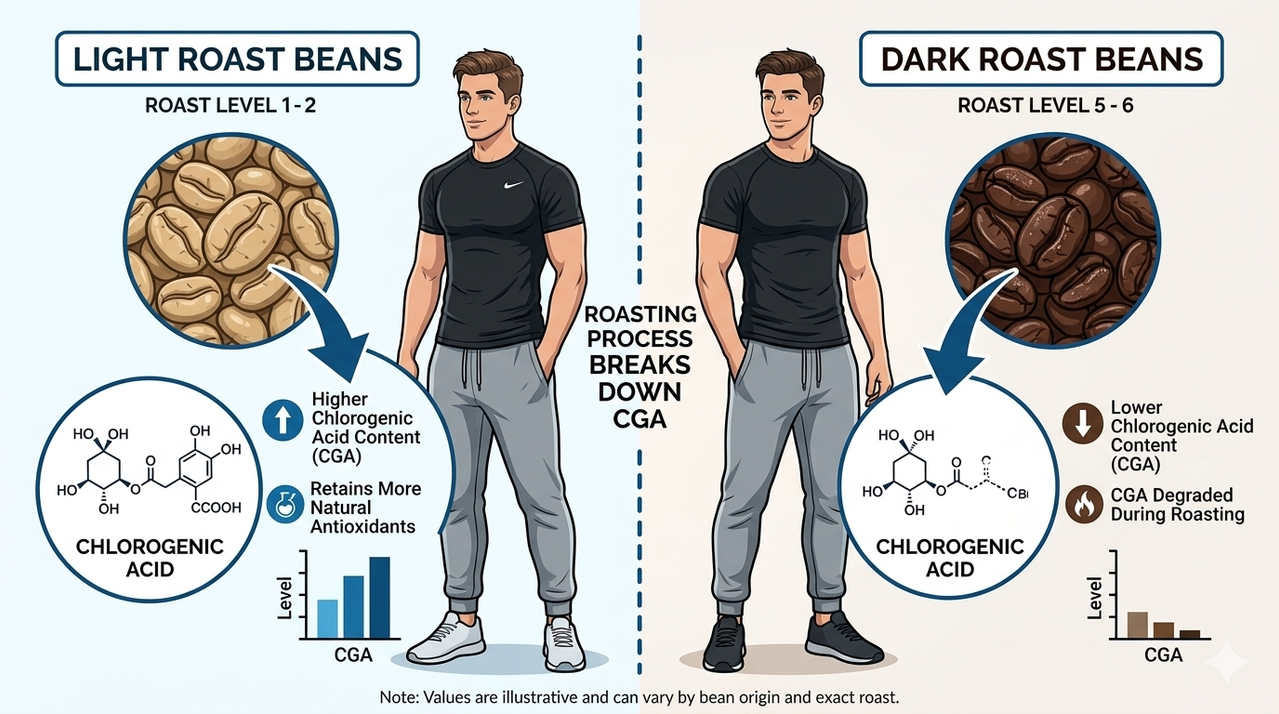
- Lightly roasted coffee (LRC): ~400 mg hydroxycinnamic acids and ~130 mg caffeine per cup.
- Roasted coffee (RC): ~150 mg hydroxycinnamic acids and ~70 mg caffeine per cup.
After 12 weeks, both groups showed significant reductions in fat mass and body fat percentage, and slight increases in muscle mass . However, the light roast coffee was slightly superior, with a -1.4% reduction in fat percentage vs. -1.0% for dark roast . Notably, there were no significant changes in body weight—only body composition improved.
4.2. Why Light Roast?
Light roast coffee retains more chlorogenic acid, a phenolic compound that may influence fat metabolism and glucose regulation . A 2025 review noted that chlorogenic acid has been shown to regulate enzymes and pathways involved in fat accumulation . This suggests that for body composition goals, the quality and roast level of your coffee matter.
Practical Takeaway
Choose light roast, high-quality coffee for your cut. It contains more of the bioactive phenolic compounds that may enhance fat loss, and it typically has higher caffeine content per cup .
5. The Optimal Coffee Protocol for Your Cut
5.1. How Much? Dosage Guidelines
Based on the 2024 meta-analysis, the optimal dose for fat oxidation during exercise is 3-6 mg per kg of body weight . For a 75 kg (165 lb) person, that's 225-450 mg of caffeine, or about 2-4 cups of coffee (depending on brew strength). The FDA recommends a maximum of 400 mg daily for healthy adults .
5.2. When? Timing is Everything
For maximum fat-burning benefit:
- Pre-workout: Consume coffee 45-60 minutes before exercise. The 2024 meta-analysis showed significant increases in fat oxidation during fed-state exercise when caffeine was taken pre-workout .
- Between meals: If using coffee for appetite control, drink it between meals rather than with meals to avoid potential sweet cravings .
- Avoid late afternoon: Caffeine has a half-life of 3-5 hours. Drinking coffee after 2 PM can disrupt sleep, which is critical for fat loss .
5.3. How to Drink It: The Black Coffee Rule
All the benefits of coffee for fat loss assume you're drinking it black or with minimal, calorie-free additions. A 2025 article warns that high-calorie syrups, creamers, and sugary lattes can quickly negate any metabolic advantage . Acceptable additions:
- Unsweetened almond milk (10-15 calories per splash)
- Cinnamon (may help stabilize blood sugar)
- Collagen powder (adds protein, may increase satiety)
- Cocoa powder (antioxidants, minimal calories)
| Goal | Coffee Type | Timing | Dose (75kg person) |
|---|---|---|---|
| Pre-workout fat burning | Black, light roast | 45-60 min before | 2-4 cups (225-450mg caffeine) |
| Appetite management | Black or with cinnamon | Between meals | 1-2 cups |
| General metabolic boost | Black, any roast | Morning | 1-3 cups |
| Minimal side effects | Decaf (for chlorogenic acid only) | Any time | 1-3 cups |
6. Sample 2000-Calorie Cutting Day with Strategic Coffee
This sample day integrates coffee at optimal times to support fat loss without triggering sweet cravings or sleep disruption.
6:45 AM – Pre-Workout Coffee (1-2 cups, black)
Consume 45-60 minutes before morning workout to enhance fat oxidation .
8:00 AM – Post-Workout Breakfast (450 kcal)
- 3 eggs scrambled with spinach
- 1 slice whole-grain toast
- ½ avocado
- Water
10:30 AM – Morning Coffee (optional, 1 cup black) (5 kcal)
If appetite is low, this can help extend morning fasting window. If sweet cravings appear, skip or pair with a small protein snack.
1:00 PM – Lunch (550 kcal)
- 150g grilled chicken breast
- 2 cups mixed greens with 1 tbsp olive oil vinaigrette
- ½ cup quinoa
4:00 PM – Afternoon Snack (200 kcal)
- 1 apple
- 1 tbsp almond butter
No coffee after 2 PM to protect sleep.
7:00 PM – Dinner (600 kcal)
- 150g salmon
- 1 cup roasted broccoli
- 1 medium sweet potato with 1 tsp butter
9:00 PM – Evening Snack (200 kcal)
- 1 cup Greek yogurt (plain, non-fat) with cinnamon
Total: ~2,000 kcal, ~150g protein, ~50g fat, ~200g carbs
6.1. Vegan/Vegetarian Adjustments
- Replace chicken/salmon with 200g firm tofu or tempeh.
- Use pea protein powder in smoothies if needed.
- Evening snack: 1 cup soy yogurt with cinnamon.
- Ensure plant milks are unsweetened.
7. Common Coffee Mistakes That Sabotage Your Cut
- Mistake #1: Drinking coffee instead of breakfast. This can increase stress hormones and lead to overeating later . Always pair morning coffee with a protein-rich meal or have it post-breakfast.
- Mistake #2: Loading with sugar and cream. A "coffee" can become a 300-500 kcal dessert. A 2025 analysis warns that sugary coffee drinks negate any metabolic benefit .
- Mistake #3: Drinking coffee too late. Caffeine disrupts sleep, and poor sleep increases cravings and reduces fat loss .
- Mistake #4: Ignoring the sweet tooth effect. If you notice increased cravings after coffee, switch to green tea or ensure you eat a protein-rich meal with your coffee .
- Mistake #5: Expecting coffee to replace diet and exercise. Coffee's effects are modest (80-150 calories). It's an adjunct, not a solution .
8. Does Decaf Count?
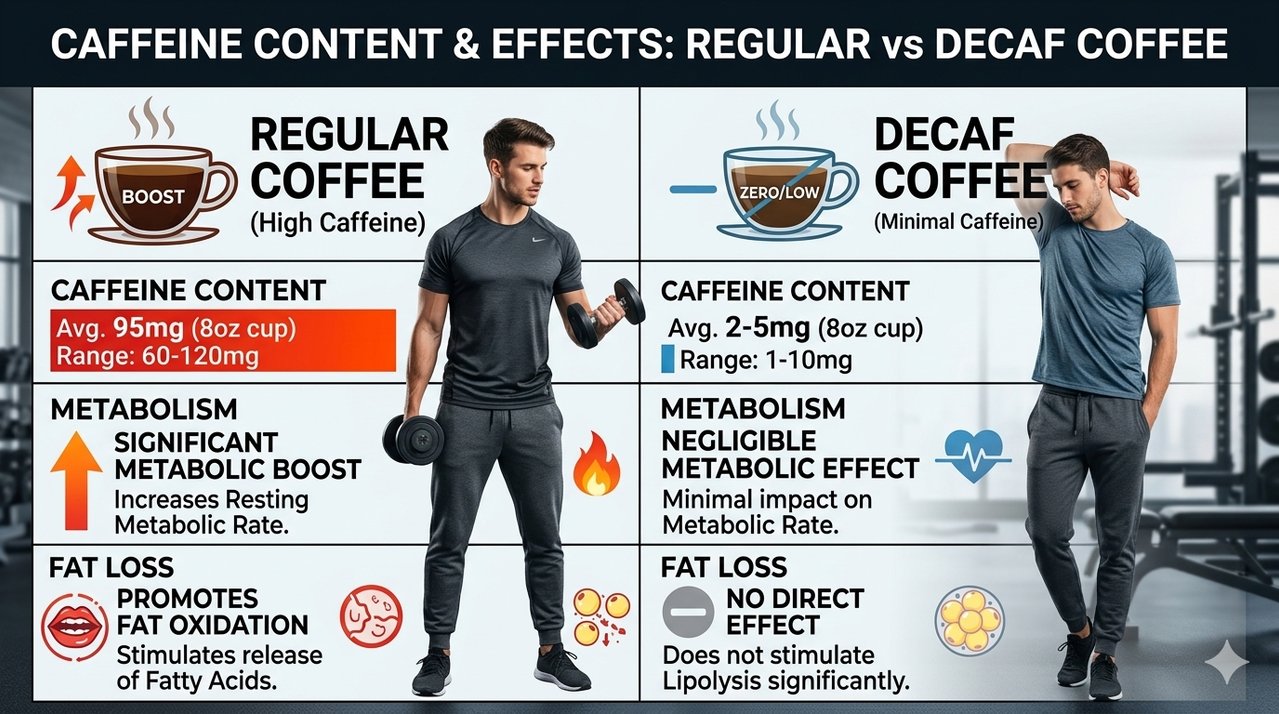
Decaf coffee contains significantly less caffeine (usually 2-15 mg per cup vs. 95 mg in regular). Therefore, it won't provide the same thermogenic or fat-oxidizing effects . However, decaf is still rich in chlorogenic acid and other phenolic compounds . The 2024 Spanish trial showed that even dark roast coffee with lower caffeine (70 mg/cup) still improved body composition, likely due to these non-caffeine compounds . So while decaf won't give you the workout boost, it may still offer benefits for body composition and overall health .
10. Scientific References
- Conger, S. A., Tuthill, L. M., & Millard-Stafford, M. L. (2023). Does Caffeine Increase Fat Metabolism? A Systematic Review and Meta-Analysis. International Journal of Sport Nutrition and Exercise Metabolism, 33(2), 112-120. View Source
- Fernández-Sánchez, J., et al. (2024). Effect of Acute Caffeine Intake on Fat Oxidation Rate during Fed-State Exercise: A Systematic Review and Meta-Analysis. Nutrients, 16(2). View Source
- Zhao, X., & Liu, Y. (2025). Caffeine-augmented sprint interval training outcomes in obese women. Frontiers in Nutrition, 12, 1655449. View Source
- Fernández-Cardero, Á., et al. (2024). Consumption of a Coffee Rich in Phenolic Compounds May Improve the Body Composition of People with Overweight or Obesity. Nutrients, 16(17), 2848. PubMed
- Magaña-de la Vega, L., et al. (2024). Effect of coffee intake on appetite parameters in woman with overweight or obesity. Endocrinol Diabetes Nutr (Engl Ed), 71(6), 236-245. PubMed
- Harpaz, E. (2016). The effect of caffeine on energy balance. Journal of Basic and Clinical Physiology and Pharmacology, 28(1), 1-10. View Source
- Jayedi, A., et al. (2024). Comparative effects of tea and coffee drinking on body weight in adults: a systematic review and network meta-analysis. British Journal of Nutrition, 132, 1245-1254. View Source
- Riedel, A., et al. (2012). Caffeine dose-dependently induces thermogenesis but restores ATP in HepG2 cells in culture. Food & Function, 3, 955-964. View Source
- mindbodygreen. (2025). 3 Reasons Coffee Can Support Weight Loss & The Best Ways To Drink It. mindbodygreen.com. View Source
- Advance Study. (2025). Does Drinking Coffee Help Lose Weight? advancestudy.org. View Source
Join the conversation