Science of Muscle Building: How to Speed Up Fat Loss Naturally
Muscle Building & Hypertrophy Guide: Speed Up Fat Loss Naturally
· 14 min read
You're lifting hard. You're eating clean. Yet your arms haven't grown, your waist hasn't shrunk, and the mirror tells the same frustrating story month after month. The problem isn't your effort—it's your strategy.
Muscle building and hypertrophy follow specific physiological rules. So does natural fat loss. When you align your training, nutrition, and recovery with these rules, your body transforms. This guide delivers the science-backed blueprint for maximizing muscle growth while speeding up fat loss naturally.
• Muscle hypertrophy requires mechanical tension, metabolic stress, and muscle damage.
• How to speed up fat loss naturally: calorie deficit + high protein + NEAT + strength training + quality sleep.
• Protein target: 1.6–2.2 g/kg daily for muscle growth.
• Burn fat faster naturally by combining resistance training with daily movement.
• Consistency beats perfection—track weekly and adjust.
What Is Muscle Hypertrophy? The Science Explained
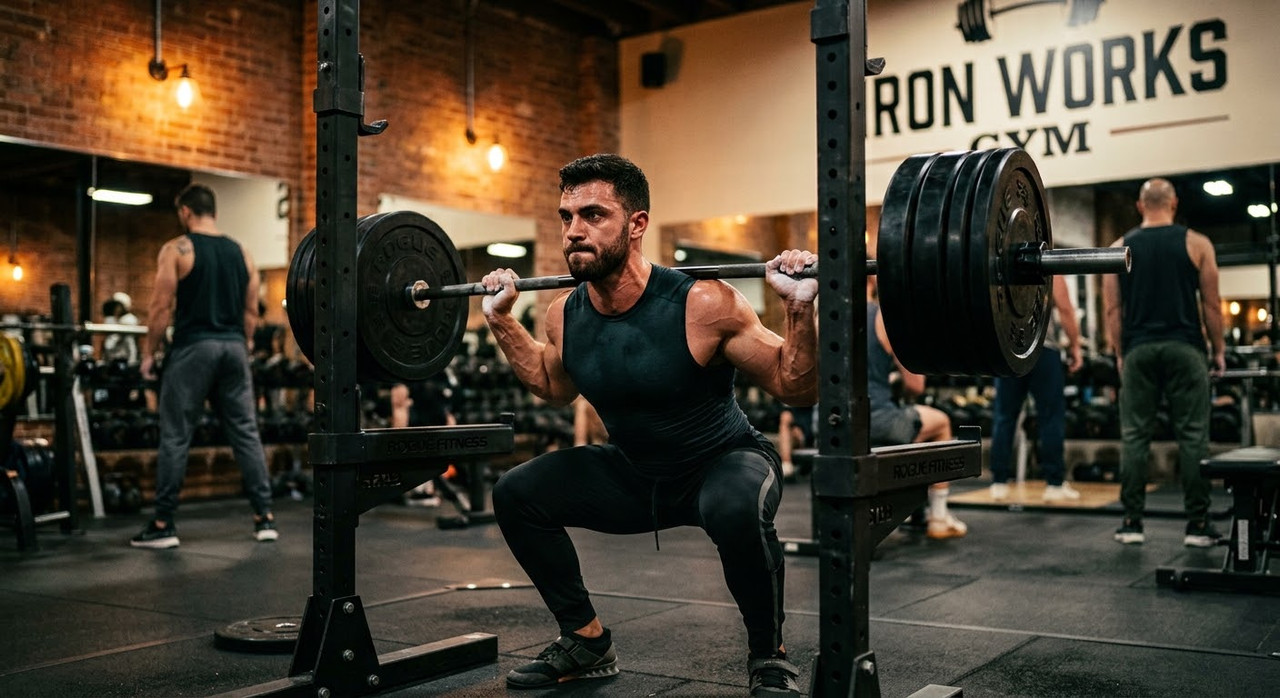
Hypertrophy is the enlargement of muscle fibers through an increase in contractile protein content. At the cellular level, resistance training disrupts muscle homeostasis, triggering a cascade of signaling pathways—mTOR, MAPK, and satellite cell activation—that drive muscle protein synthesis (MPS) .
Research from the Journal of Trainology confirms that muscle hypertrophy occurs when MPS exceeds muscle protein breakdown (MPB) over time . This equilibrium is influenced by three primary factors:
- Mechanical tension: Heavy loading with progressive overload
- Metabolic stress: Accumulation of metabolites from moderate-rep training
- Muscle damage: Microtears that trigger repair and growth
Understanding these mechanisms is essential before you can effectively design a program that builds muscle while burning fat faster naturally.
How to Speed Up Fat Loss Naturally: 5 Science-Backed Steps
This is the core question: How can I speed up fat loss naturally? The answer isn't a magic supplement or extreme diet. It's a systematic approach that works with your body's physiology.
- Maintain a calorie deficit: Consume 300–500 kcal less than maintenance
- Increase daily activity (NEAT): Walk 8,000–10,000 steps daily
- Eat high-protein foods: 1.6–2.2 g/kg supports satiety and muscle retention
- Strength training + cardio: Preserve muscle while maximizing calorie burn
- Improve sleep quality: 7–9 hours regulates hunger hormones
Step 1: Create a Sustainable Calorie Deficit
How to lose fat faster begins with energy balance. You must consume fewer calories than you expend. However, overly aggressive deficits trigger metabolic adaptation, muscle loss, and rebound weight gain .
A moderate deficit of 300–500 kcal per day supports steady fat loss of approximately 0.5–1 kg per week while preserving muscle mass . This rate is sustainable and minimizes the risk of losing hard-earned muscle.
Step 2: Increase NEAT (Non-Exercise Activity Thermogenesis)
Natural fat loss tips often overlook the power of daily movement. NEAT—the calories you burn through walking, fidgeting, and routine activities—can vary by 2,000 kcal daily between individuals .
Actionable targets:
- Walk 8,000–10,000 steps daily
- Take 5-minute movement breaks every hour
- Use stairs instead of elevators
- Stand or pace during phone calls
Step 3: Prioritize High-Protein Foods
Protein is the cornerstone of both muscle gain and fat loss acceleration. It preserves muscle during a deficit, increases satiety, and has the highest thermic effect of all macronutrients—burning 15–30% of its calories during digestion .
Target: 1.6–2.2 g/kg body weight daily. For a 75 kg individual, that's 120–165 g protein per day, distributed across 3–4 meals .
Step 4: Combine Strength Training with Cardio
Resistance training builds and preserves muscle. Cardiovascular exercise increases energy expenditure. Together, they create the optimal environment for muscle gain without belly fat.
- Strength training: 3–5 sessions weekly, focusing on compound lifts
- LISS cardio: 2–3 sessions of 30-minute incline walking or cycling
- HIIT (optional): 1–2 sessions weekly for metabolic boost
Step 5: Optimize Sleep Quality
Sleep deprivation elevates cortisol and ghrelin (hunger hormone) while suppressing leptin (satiety hormone). One study found that each hour of lost sleep increases obesity risk by 9% .
Target: 7–9 hours nightly. Establish a consistent sleep schedule, keep your room cool and dark, and avoid screens 30 minutes before bed.
💡 Ready to accelerate your results with a personalized plan?
👉 Explore Muscle Forge Custom ProgramsNutrition for Muscle Building and Fat Loss
You cannot out-train a poor diet. Nutrition determines whether your training stimulus produces muscle or fat. Here's how to structure your intake for optimal hypertrophy and fat loss.
Macronutrient Breakdown for Lean Muscle
| Macronutrient | Daily Target | Role |
|---|---|---|
| Protein | 1.6–2.2 g/kg | Muscle repair, satiety, thermogenesis |
| Carbohydrates | 3–5 g/kg | Glycogen replenishment, training performance |
| Fats | 0.8–1.0 g/kg | Hormone production, joint health |
| Fiber | 30–40 g/day | Digestive health, appetite control |
Sample Meal Plan (2,800 kcal, 160P / 350C / 70F)
This plan supports muscle building while promoting natural fat loss through high protein and fiber content.
- Breakfast (7 AM): 3 whole eggs + 3 egg whites, 80g oats with berries, 1 tbsp almond butter
- Lunch (12 PM): 200g grilled chicken breast, 200g jasmine rice, mixed greens with olive oil
- Pre-Workout (4 PM): 1 banana + 30g whey protein isolate
- Dinner (7 PM): 180g lean beef or tofu, 250g roasted potatoes, steamed broccoli
- Evening Snack (9 PM): 150g Greek yogurt + 20g walnuts
Quick Recipe: High-Protein Muscle Bowl (5 minutes)
Ingredients: 150g canned tuna (drained), 100g cooked quinoa, 1 cup spinach, 1/4 avocado, 1 tbsp olive oil, lemon juice, salt, pepper.
Method: Combine all ingredients in a bowl. Mix well. Serve cold or warm. Macros: ~450 kcal, 35P / 40C / 18F.
Dietary Alternatives
Vegan: Replace animal proteins with seitan, tempeh, edamame, and plant-based protein powder. Ensure complete amino acid profiles by combining legumes with grains.
Vegetarian: Use Greek yogurt, cottage cheese, eggs, and whey protein. These provide high-quality protein with minimal fat.
Gluten-Free: Choose certified gluten-free oats, rice, quinoa, and potatoes. Avoid wheat-based breads and pastas.
Training for Hypertrophy and Fat Loss
Your training program must accomplish two goals: stimulate muscle growth and maximize energy expenditure. Here's how to structure it.
Progressive Overload: The Non-Negotiable Principle
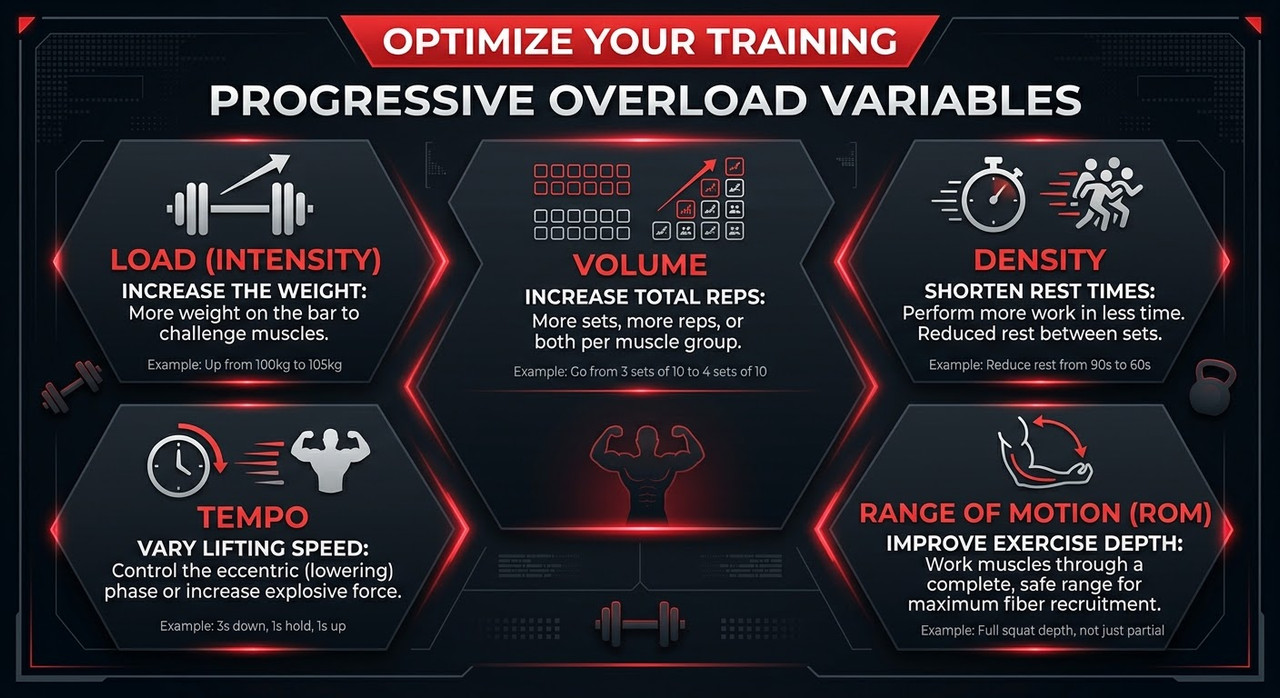
Progressive overload is the gradual increase of stress placed on the body during training. Without it, adaptation stops . But overload isn't just adding weight—it encompasses multiple variables:
- Load: Increase weight when you hit the top of your rep range
- Volume: Add sets over weeks (10–20+ per muscle group weekly)
- Density: Reduce rest periods while maintaining performance
- Tempo: Slow the eccentric phase (3–4 seconds down)
- Range of Motion: Increase ROM for fuller muscle stimulation
Research from Physiological Measurement emphasizes that training volume progression is a key driver of muscle growth, though individual responses vary .
Optimal Training Volume for Hypertrophy
Current evidence suggests:
- Beginners: 10–12 sets per muscle group weekly
- Intermediate: 12–20 sets per muscle group weekly
- Advanced: 20–30+ sets per muscle group weekly
However, more isn't always better. Junk volume—sets performed beyond productive stimulus—wastes recovery capacity without additional benefit .
Workout Split Options
| Split | Frequency | Best For |
|---|---|---|
| Full Body | 3 days/week | Beginners, busy schedules |
| Upper/Lower | 4 days/week | Intermediate lifters |
| Push/Pull/Legs | 5–6 days/week | Advanced lifters |
Cardio for Fat Loss Acceleration
How to increase fat burning through cardio without compromising muscle:
- LISS (Low-Intensity Steady-State): 30–45 minutes of incline walking or cycling, 2–3x weekly. Burns calories without excessive fatigue.
- HIIT (High-Intensity Interval Training): 15–20 minutes, 1–2x weekly. Elevates resting energy expenditure for hours post-workout .
- NEAT: Daily walking and movement. This is the most sustainable fat loss acceleration method.
Recovery: Where Muscle Growth Actually Happens
Your workout is the stimulus. Adaptation occurs during recovery. Ignore this, and progress stalls regardless of how perfect your training and nutrition are.
Sleep and Muscle Protein Synthesis
Deep sleep triggers growth hormone release and facilitates muscle repair. Sleep deprivation impairs MPS, reduces insulin sensitivity, and shifts the body toward catabolism .
Target: 7–9 hours nightly. Prioritize sleep hygiene: dark room, cool temperature, consistent schedule.
Protein Timing and Distribution
While total daily protein intake matters most, distribution influences MPS. Research suggests that 0.4 g/kg per meal across 3–4 meals maximizes muscle protein synthesis .
For a 75 kg individual: approximately 30 g protein per meal, 4 times daily.
Hydration
Muscle tissue is approximately 75% water. Even mild dehydration (2% body weight) impairs strength performance and recovery. Target: 35–45 ml per kg body weight daily, adjusted for training volume and climate .
Frequently Asked Questions
How can I speed up fat loss naturally?
Maintain a calorie deficit of 300–500 kcal, increase daily activity (walking/NEAT), eat high-protein foods (1.6–2.2 g/kg), combine strength training with cardio, and improve sleep quality. These five steps form the foundation of sustainable natural fat loss.
How much protein do I need for muscle building?
For muscle hypertrophy, aim for 1.6–2.2 grams of protein per kilogram of body weight daily. Distributing protein across 3–4 meals at roughly 0.4 g/kg per meal maximizes muscle protein synthesis .
Can I build muscle and lose fat at the same time?
Yes, especially if you are new to training or returning from a layoff. Prioritize protein, maintain a modest calorie deficit, and keep training volume high. This process is called body recomposition.
What are the best natural fat loss tips?
The most effective natural fat loss tips include: eating whole, minimally processed foods , drinking water before meals, consuming fiber-rich vegetables, getting adequate sleep, and managing stress. No single food or supplement melts fat—consistency with these habits drives results.
References
- Brook, M. S., et al. (2016). The metabolic and temporal basis of muscle hypertrophy in response to resistance exercise. European Journal of Sport Science, 16(6), 633-644.
- Hammert, W. B., et al. (2024). Progression of total training volume in resistance training studies and its application to skeletal muscle growth. Physiological Measurement, 45, 08TR03.
- Salamon, M. (2025). For weight loss, minimally processed diets beat ultra-processed versions. Harvard Health.
- Schoenfeld, B. J., et al. (2023). Dose-response relationship between resistance training volume and muscle growth. Journal of Trainology, 12(2), 29-36.
- Verywell Health. (2025). 11 Natural Ways You Can Boost Your Metabolism.
- Apollo 24|7. (2026). Easy Home Remedies for Natural and Safe Weight Loss.
- Galpin, A. (2025). How to Boost Your Metabolism & Burn Fat. Ask Dr. Andy Galpin.
- Sức khỏe & Đời sống. (2025). Cần bao nhiêu protein để tăng cơ?
- Folland, J. P., & Williams, A. G. (2007). The adaptations to strength training: morphological and neurological contributions to increased strength. Sports Medicine, 37(2), 145-168.
- IFBB. (2024). Progressive Overload is the Key to Sustained Growth. Fitness Style.
Final Thoughts: Build Muscle, Burn Fat, Transform Your Physique
Muscle building and hypertrophy follow predictable rules. So does natural fat loss. When you apply the science—progressive overload, adequate protein, calorie control, and recovery—your body responds.
Stop chasing quick fixes. Start building a physique that lasts. The principles in this guide work for everyone, from beginners to advanced lifters.
🚀 Ready to accelerate your muscle-building and fat-loss journey with a personalized plan?
📲 Visit Muscle Forge for Custom Training Programs
Join the conversation