How to Stay Hydrated: More Than Just Drinking Water
How to Stay Hydrated: More Than Just Drinking Water

📋 TL;DR
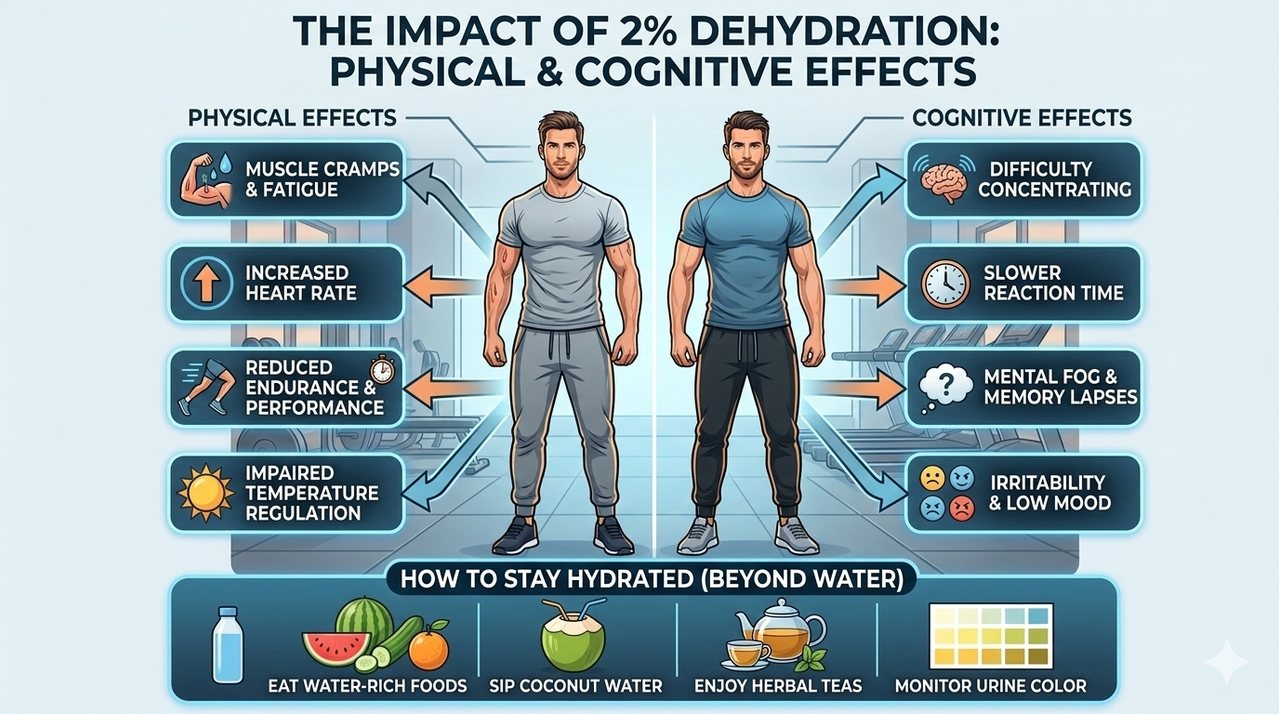
Water is essential, but it's not the whole story. True hydration is about fluid balance and electrolyte replenishment. Research shows that even a 2% loss in body mass from sweat can impair physical and cognitive performance . Furthermore, 65% of athletes in a recent study started training already dehydrated . This guide covers how to stay hydrated: more than just drinking water. You'll learn about the critical role of electrolytes like sodium and potassium, the best hydrating foods (cucumbers are over 95% water!), the science of coconut water vs. sports drinks, and how to create a personalized hydration plan .
1. The Hydration Equation: Why Water Alone Isn't Enough
We've all heard the advice: "Drink eight glasses of water a day." While water is fundamental, the science of hydration is far more nuanced. When you sweat, you don't just lose water—you lose vital electrolytes like sodium, potassium, and magnesium . Replacing fluid volume without also replenishing these minerals can dilute your blood sodium levels, a dangerous condition known as hyponatremia, which is key to understanding how to stay hydrated more than just drinking water .
Hydration isn't just about quenching thirst; it's about maintaining the body's delicate fluid balance to regulate temperature, lubricate joints, and deliver nutrients . A 2025 study published in the Journal of Strength and Conditioning Research found that even mild dehydration negatively impacts neuromuscular performance, muscle size, and landing mechanics .
This comprehensive guide will teach you how to stay hydrated: more than just drinking water, using a multi-faceted approach backed by the latest science.
2. The Science: Electrolytes, Sweat, and Fluid Balance
2.1. The Role of Electrolytes
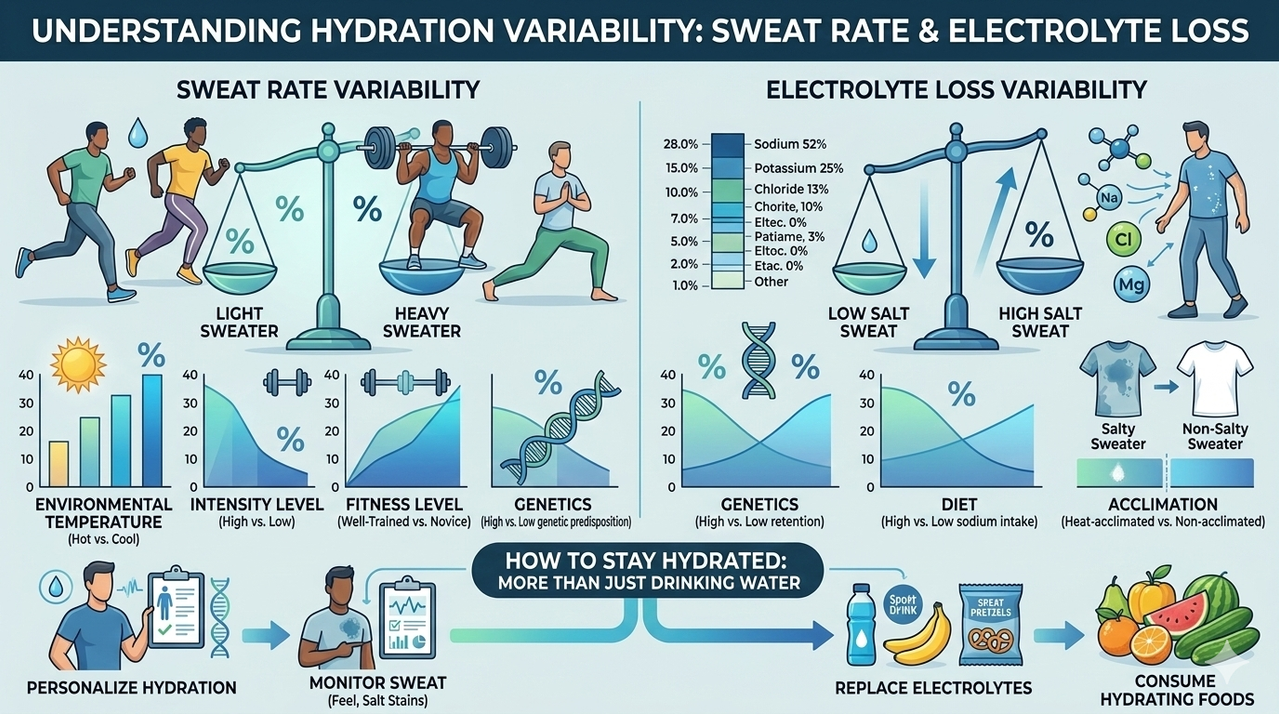
Sodium is the primary electrolyte lost in sweat, but losses can range dramatically from 230 to 1,610 mg per liter depending on genetics, diet, and heat acclimatization . Potassium and magnesium also play crucial roles in muscle contraction and fluid balance . Simply drinking plain water after heavy sweating can wash out these remaining electrolytes, slowing down the rehydration process, which is critical for how to stay hydrated more than just drinking water .
2.2. The 2% Threshold and Individual Variability
The American College of Sports Medicine (ACSM) highlights that fluid losses exceeding 2% of body weight can impair aerobic performance and cognitive function . A 2025 review in the Open Access Journal of Sports Medicine emphasizes the large inter-individual variability in sweat rates and electrolyte composition, which is why a personalized hydration plan (IHP) is essential for optimal performance and recovery, supporting how to stay hydrated more than just drinking water .
2.3. New Research on Muscle Function
Groundbreaking research from Texas Tech University in 2026 demonstrated that hypohydration (dehydration) doesn't just make you feel tired—it physically shrinks muscle size and slows the rate of force development. Dehydrated athletes showed significantly smaller rectus femoris muscle cross-sectional area and slower reaction times, reinforcing how to stay hydrated more than just drinking water .
3. Eat Your Water: Top Hydrating Foods
"Hydrating foods can contribute meaningfully to your overall hydration status, especially for people who don't enjoy drinking large amounts of water," says registered dietitian Kathleen Garcia-Benson . These foods provide water packaged with electrolytes and vitamins for better absorption, a key aspect of how to stay hydrated more than just drinking water .
🥒 Cucumber – The Hydration Champion
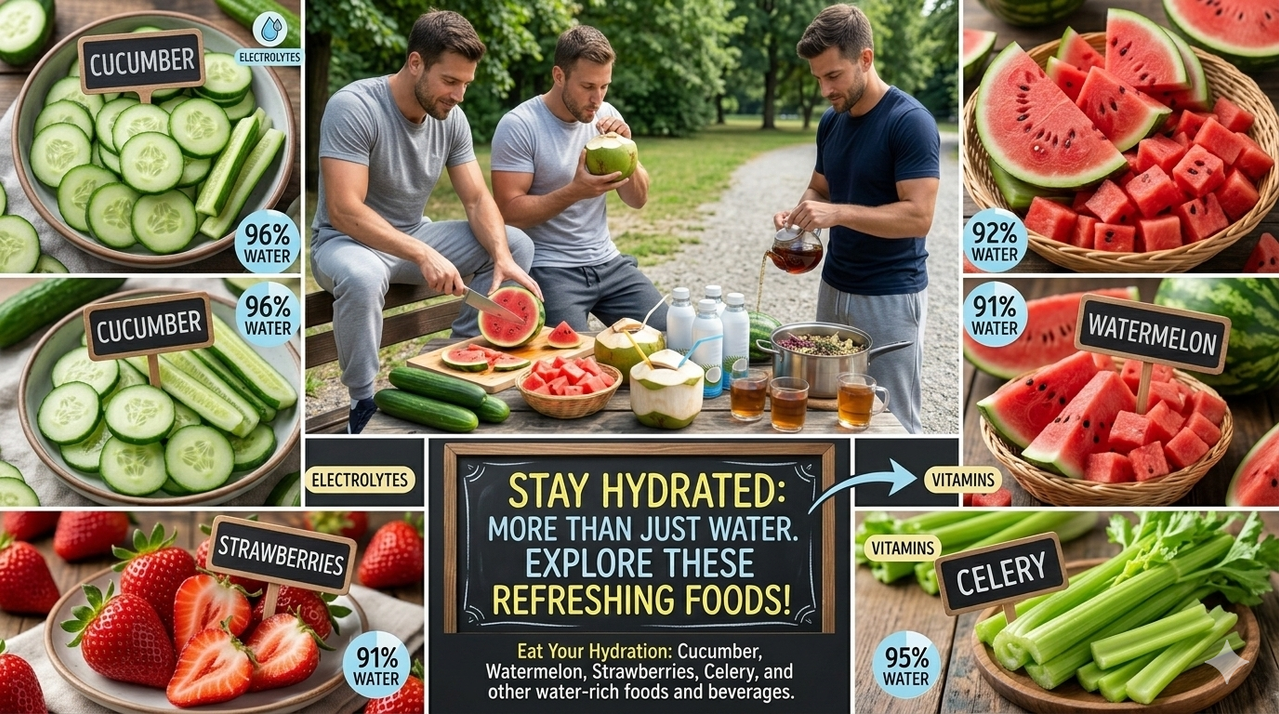
96% WaterWith a water content over 95%, cucumbers are the top choice according to dietitians. They're packed with electrolytes like potassium and magnesium, and are gentle on digestion, making them essential for how to stay hydrated more than just drinking water .
🥗 Other High-Water Veggies & Fruits
Vegetables: Lettuce (96%), celery (95%), zucchini (94%), tomatoes (94%), bell peppers (92%) .
Fruits: Watermelon (92%), strawberries (91%), cantaloupe (90%), oranges (88%) .
4. Beyond Water: The Science of Hydrating Beverages
4.1. Coconut Water vs. Sports Drinks
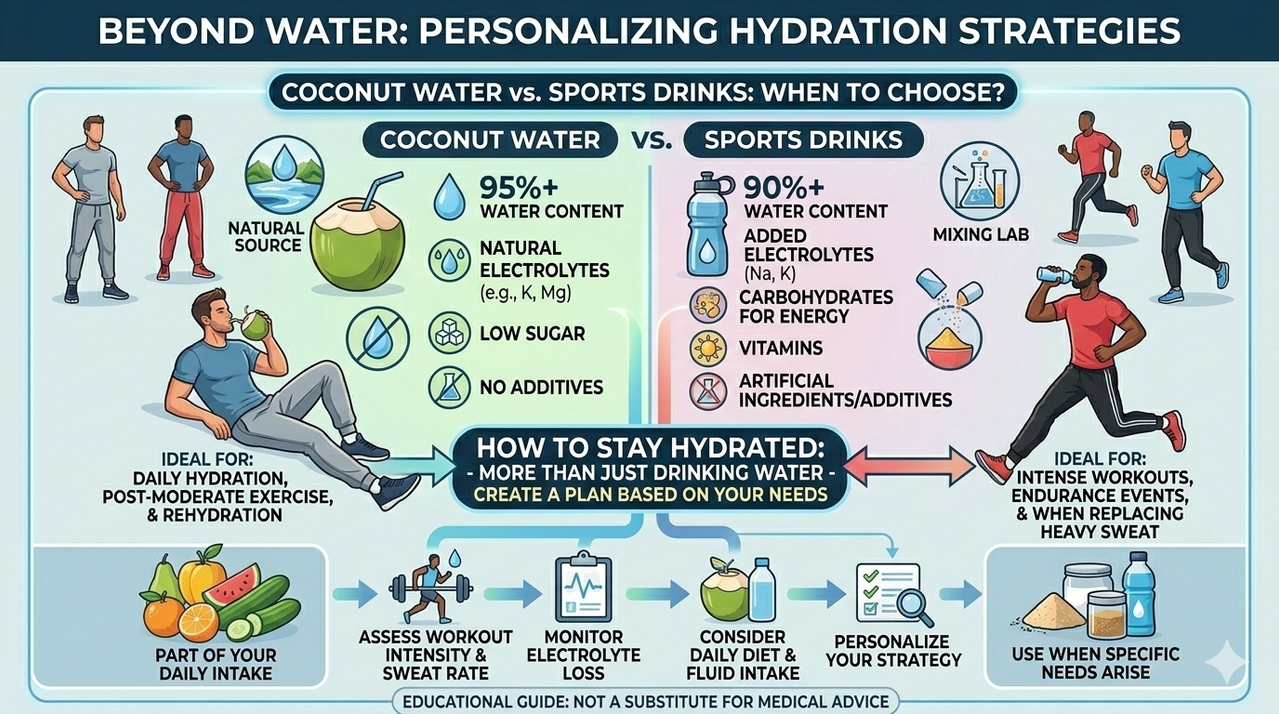
A landmark 2025 study from the University of Guelph compared flavored water (FW), coconut water (CW), and a traditional carbohydrate-electrolyte sports beverage (CES) for rehydration after exercise. The results were striking: both CW and CES led to significantly better fluid retention than FW. Participants who drank CW retained the most fluid, making potassium-rich coconut water a natural and equally effective alternative to commercial sports drinks, supporting how to stay hydrated more than just drinking water .
4.2. Dairy and Oatmeal
Low-fat milk is a powerful rehydration tool, providing protein, carbohydrates, and electrolytes . Even oatmeal, which absorbs the liquid it's cooked in, contributes to daily fluid intake, helping with how to stay hydrated more than just drinking water .
5. DIY Hydrating Recipes
1. "The Rehydrator" Electrolyte Drink
Vegan & Gluten-FreeThis refreshing beverage combines aloe vera juice, cherries, and lime for a natural electrolyte boost, perfect for how to stay hydrated more than just drinking water .
Ingredients: ¾ cup aloe vera juice, ½ cup unsweetened cranberry juice, ½ cup pitted cherries, ¼ cup fresh lime juice, 1 tbsp honey.
Instructions: Muddle cherries and honey in a pitcher. Add juices and stir. Shake with ice before serving. (48 kcal, packed with flavonoids) .
2. Greek Watermelon Quinoa Salad
Hydrating + Protein-RichA perfect harmony of taste and nutrition, this salad is hydrating, gut-supportive, and packed with plant protein, demonstrating how to stay hydrated more than just drinking water .
Ingredients: Watermelon, cooked quinoa, cucumber, kalamata olives, fresh mint, feta cheese (optional), lime juice.
Why it works: Watermelon provides hydration and electrolytes; quinoa offers complete protein; cucumber adds extra water content .
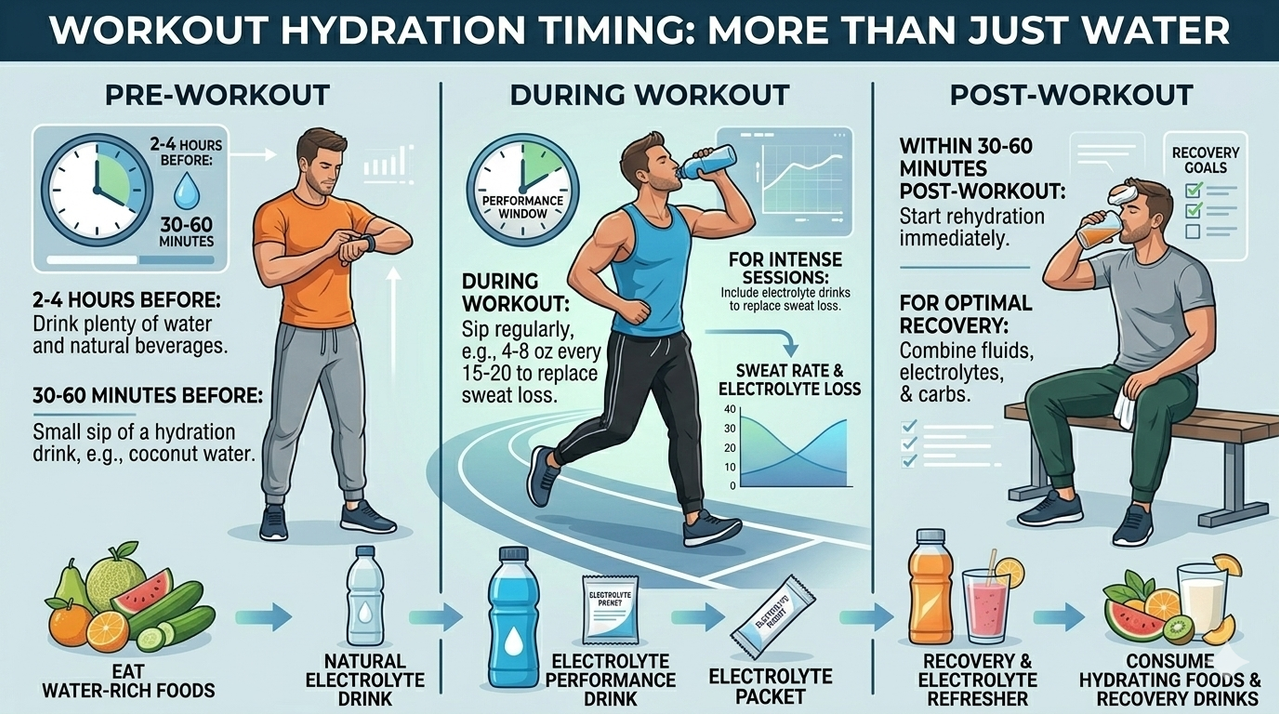
6. A Practical Hydration Protocol
6.1. Before Exercise
Consume 5-10 mL per kg of body weight over the 2-4 hours leading up to exercise. This helps achieve a pale urine color and allows time to void excess fluid. Adding sodium to a pre-workout meal or beverage can help with fluid retention, a key part of how to stay hydrated more than just drinking water .
6.2. During Exercise
Aim to consume 0.4 to 0.8 L of fluid per hour to limit fluid losses to <2% of body weight. For exercise lasting over an hour, or for "salty sweaters," a beverage containing sodium (like a sports drink or coconut water) is beneficial .
6.3. After Exercise
Rehydrate aggressively by consuming 125-150% of the fluid deficit (about 20-24 oz for every pound lost). Don't restrict sodium; it's essential for restoring balance. Weighing yourself before and after exercise is the most accurate way to calculate your sweat rate, supporting how to stay hydrated more than just drinking water .
7. Sample Daily Hydration Plan (For a 150 lb/68 kg Active Adult)
| Time | Action | Rationale |
|---|---|---|
| Upon waking | 16 oz water | Replenish overnight losses |
| With breakfast | Hydrating foods (e.g., smoothie, oatmeal, fruit) | Contribute to fluid and electrolyte intake |
| 2 hours pre-workout | 16-20 oz water | Pre-hydration |
| During workout | 4-8 oz every 15-20 min (coconut water for long sessions) | Maintain hydration |
| Post-workout | 20-24 oz for every lb lost (with electrolytes) | Rehydrate and restore sodium |
| Throughout day | Hydrating snacks (cucumber slices, watermelon) | Contribute to daily water needs |
8. How to Track Your Hydration Status
Don't rely on thirst alone. Use these evidence-based markers for how to stay hydrated more than just drinking water :
- Urine Color: Pale yellow indicates good hydration. Dark yellow suggests you need fluids. (Note: urine can be misleading immediately after rehydration) .
- Body Weight: Weigh yourself before and after exercise. Each pound lost equals about 16 oz of fluid loss .
- Thirst: If you're thirsty, you're already dehydrated. Use it as a cue, but don't wait for it .
9. Common Hydration Mistakes
- Mistake #1: Only drinking when thirsty. Thirst is a late indicator of dehydration, undermining how to stay hydrated more than just drinking water .
- Mistake #2: Ignoring electrolytes. After heavy sweating, plain water isn't enough. You need sodium .
- Mistake #3: Over-relying on sugary sports drinks. Many contain excess sugar. Opt for coconut water or diluted juice for lighter sessions .
- Mistake #4: Forgetting that food counts. A shocking 65% of athletes in a 2025 study started training dehydrated, missing the opportunity to hydrate via meals .
- Mistake #5: Avoiding salt post-workout. Restricting sodium after heavy sweating impairs rehydration .
11. Scientific References
- Prevention. (2025). The Best Food to Eat to Boost Hydration, According to Dietitians. Prevention.com. View Source
- Spano, M. (2025). Nutrition for Athletic Performance: A Focus on Hydration. Today's Dietitian. View Source
- What She Ate. (2025). The Rehydrator Recipe. WhatSheAte.com. View Source
- Armstrong, L.E., et al. (2025). Reference Values for Hydration Biomarkers: Optimizing Athletic Performance and Recovery. Open Access Journal of Sports Medicine, 16, 31-50. View Source
- Bell, S.K., & Spriet, L.L. (2025). Rehydration After Exercise-Induced Fluid Losses: Comparing Flavored Water, Coconut Water, and Carbohydrate-Electrolyte Sports Beverage. Journal of Strength and Conditioning Research. View Source
- Teladoc Health. (2025). 7 Ways to Stay Hydrated Besides Drinking Water. TeladocHealth.com. View Source
- PMC. (2024). Perspectives on enhancing human performance in the heat: Is the solution to simply “just add water”? Sports Medicine and Health Science, 7(5), 317-328. View Source
- Lemon8. (2025). Greek Watermelon Quinoa Salad: A Hydrating, Protein-Packed Summer Recipe. Lemon8-app.com. View Source
- Papaoikonomou, G., et al. (2025). Hydration Status, Dietary Habits, and Functional Food Consumption Preferences of Football Athletes. Nutrients, 17(6), 1078. View Source
- Elliott, K.B., et al. (2026). Hypohydration Decreases Neuromuscular Performance Prior to and Following Intermittent Exercise in the Heat. Medicine & Science in Sports & Exercise. View Source
All sources last accessed March 2026. Paraphrased for accessibility.
Join the conversation