The Benefits of Oats for Long-Lasting Workout Energy
The Benefits of Oats for Long-Lasting Workout Energy

📋 TL;DR
The benefits of oats for long-lasting workout energy stem from their unique nutritional profile: they are a low-glycemic index (GI) carbohydrate, meaning they release glucose slowly and steadily into the bloodstream . This is largely due to their soluble fiber content, beta-glucan, which forms a gel-like substance in the gut, slowing digestion and preventing blood sugar spikes and crashes . Research shows that consuming low-GI foods like oats 45–60 minutes before exercise enhances fat oxidation, spares glycogen, and prolongs time to exhaustion . This guide explores the science, provides practical timing and recipes, and offers gluten-free alternatives for everyone.
1. The Perfect Pre-Workout Fuel
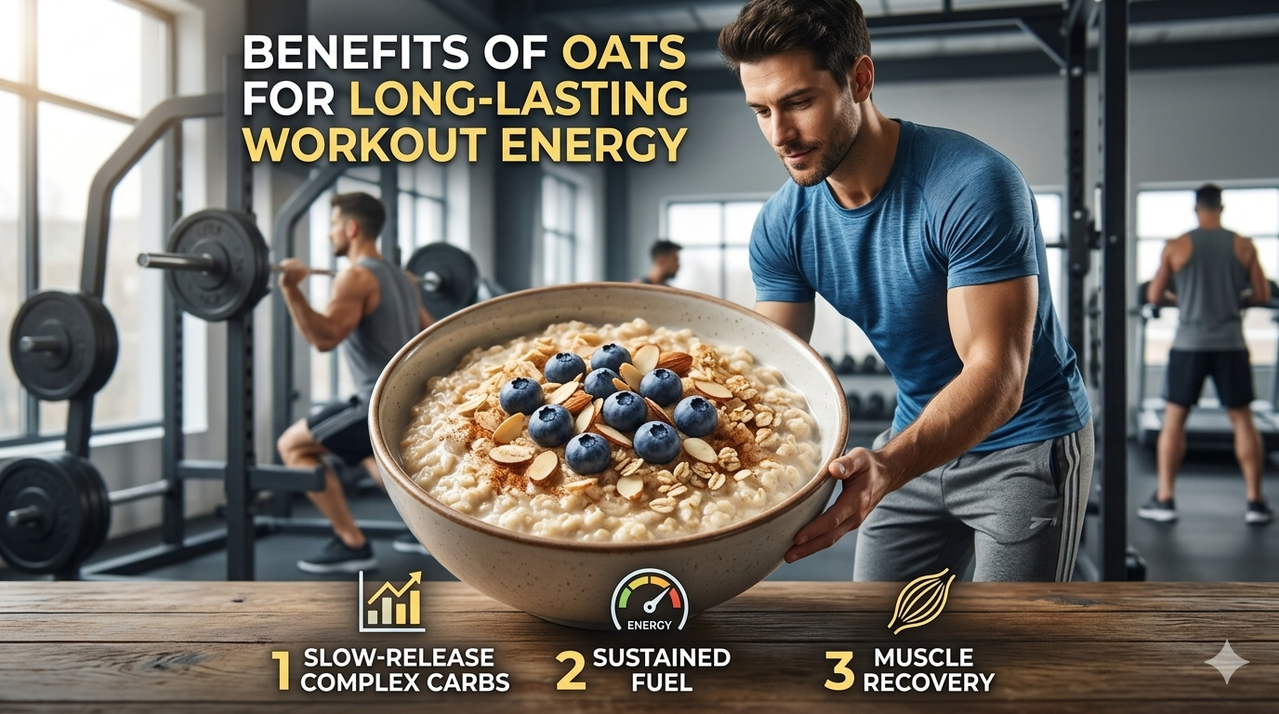
You've felt it: the mid-workout energy crash. You start strong, but halfway through, your fuel runs out. The solution isn't just more carbs—it's the right kind of carbs. This is where oats shine, and it's why the benefits of oats for long-lasting workout energy are unmatched.
Oats are a complex carbohydrate with a low glycemic index (GI). Unlike simple sugars that cause rapid spikes and crashes, oats provide a slow, sustained release of glucose into your bloodstream . This keeps your energy levels stable, your mind focused, and your muscles fueled for the duration of your workout, demonstrating the benefits of oats for long-lasting workout energy .
This guide will explore the science behind oats, from beta-glucan to glycogen sparing, and provide practical ways to incorporate them into your pre-workout routine.
2. The Science: Beta-Glucan and Slow-Release Energy
2.1. What Is Beta-Glucan?
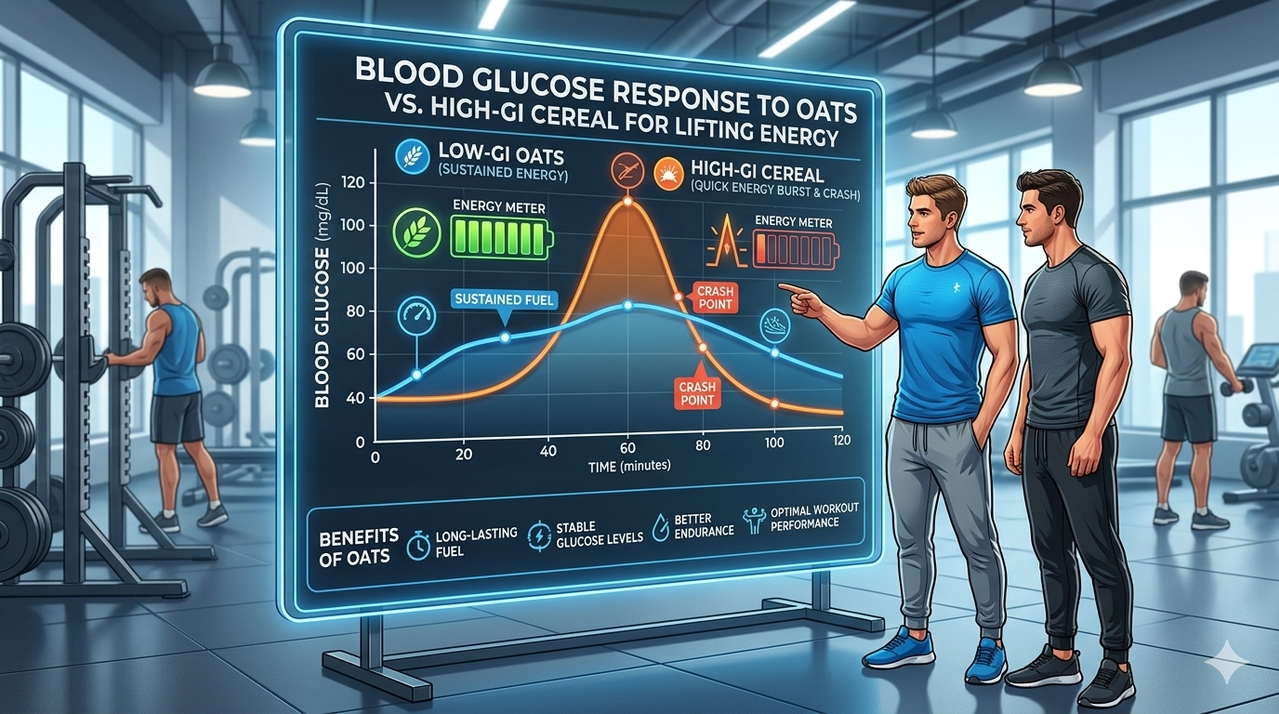
Beta-glucan is a type of soluble fiber found abundantly in oats. When you eat oats and they enter your digestive tract, beta-glucan absorbs water and forms a thick, gel-like substance, a key reason for the benefits of oats for long-lasting workout energy . This gel does two critical things: it slows down the movement of food from your stomach to your small intestine (gastric emptying), and it creates a barrier that slows the absorption of glucose into your bloodstream .
2.2. Glycemic Index and Glycemic Load
Because of beta-glucan, oats have a low glycemic index (GI). The GI measures how quickly a carbohydrate raises blood sugar. Low-GI foods (like oats) cause a gradual rise, while high-GI foods (like white bread or sugary drinks) cause rapid spikes, highlighting the benefits of oats for long-lasting workout energy .
For athletes, this is crucial. A low-GI pre-workout meal means your blood sugar stays stable, preventing the insulin crash that can lead to fatigue mid-session .
2.3. What the Research Says: Oats and Performance
A 2025 study on endurance-trained runners compared a low-GI rice-based meal to a high-GI meal consumed three hours before a 10km time trial. The low-GI group ran significantly faster and showed higher fat oxidation during steady-state running, reinforcing the benefits of oats for long-lasting workout energy .
Similarly, a 2008 study from the Chinese University of Hong Kong found that runners who consumed a low-GI meal two hours before a 21km run achieved better performance times, with 9.5% lower carbohydrate oxidation and 17.9% higher fat oxidation during exercise .
3. Oats and Glycogen: How They Keep You Going
3.1. Glycogen Sparing
Glycogen is the stored form of carbohydrates in your muscles and liver. It's your body's primary fuel source during high-intensity exercise . When glycogen runs out, so does your performance—a phenomenon known as "bonking" or "hitting the wall."
By providing a steady stream of glucose from the gut, oats help spare your muscle glycogen. Your body uses the incoming energy first, preserving stored glycogen for later in the workout . This is the core of the benefits of oats for long-lasting workout energy.
3.2. Fat Oxidation
Low-GI pre-workout meals also encourage your body to use more fat for fuel during moderate-intensity exercise . This glycogen-sparing effect was clearly demonstrated in the 2025 and 2008 studies, further proving the benefits of oats for long-lasting workout energy.
Key Research Findings
- 2025 Rice Study: Low-GI meal led to faster 10km run times and higher fat oxidation .
- 2008 CUHK Study: Low-GI meal improved 21km run performance, with 17.9% higher fat oxidation .
4. Which Oats Are Best? A Quick Guide
| Type | Processing | GI | Best Use |
|---|---|---|---|
| Steel-Cut Oats | Whole oat groats chopped into pieces | Low (42-55) | Long-cooking, chewy texture, lowest GI |
| Rolled Oats | Steamed and flattened | Low-Medium (50-60) | Quick-cooking, versatile |
| Instant Oats | Pre-cooked, dried, and rolled thin | Medium (65-70) | Fastest prep, slightly higher GI |
All oats are beneficial, but less processed varieties have a lower GI and provide more sustained energy .
For pre-workout energy, steel-cut or rolled oats are ideal because of their lower GI. Instant oats are still a good choice, especially if you're short on time, but they may cause a slightly faster rise in blood sugar .
5. When to Eat Oats for Best Results
5.1. 1-2 Hours Before Workout
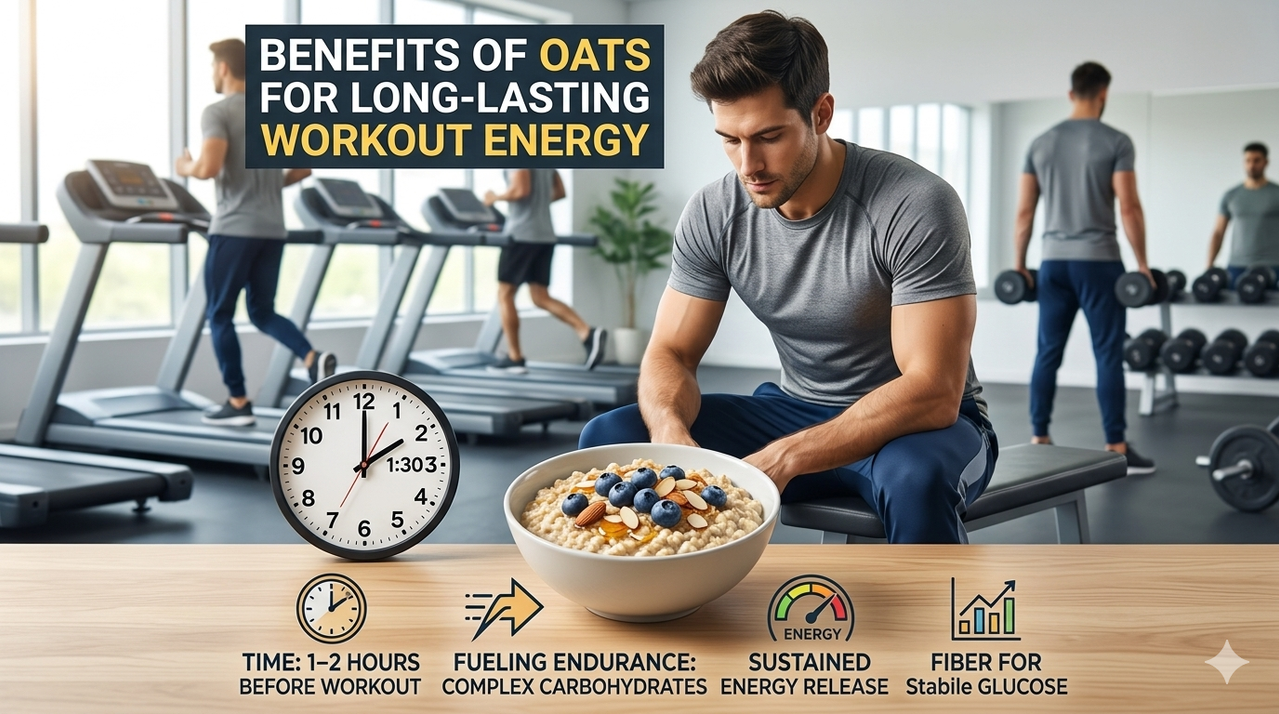
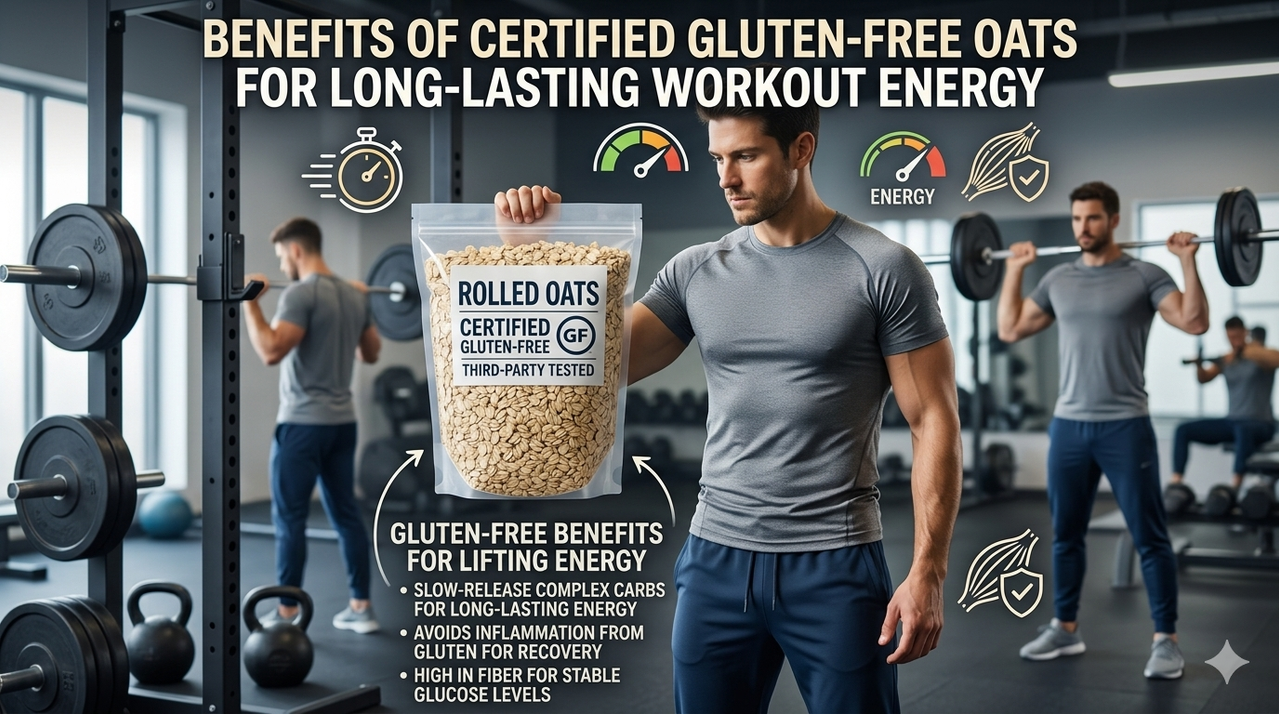
Research suggests that a low-GI meal like oats is most effective when consumed 1-2 hours before exercise. This gives enough time for digestion while ensuring a steady supply of glucose during your session, maximizing the benefits of oats for long-lasting workout energy .
5.2. Portion Size
A good starting point is ½ to 1 cup (dry) of rolled oats, which provides 30-60g of carbohydrates. Adjust based on your body weight, workout intensity, and individual tolerance .
6. Delicious Oatmeal Recipes for Workout Energy
1. Classic Pre-Workout Oatmeal
~40g carbs, 10g protein½ cup rolled oats cooked with 1 cup water. Top with ½ banana (sliced) and 1 tbsp honey. (Cook time: 5 min)
2. Protein-Packed Oatmeal
~45g carbs, 25g protein½ cup oats cooked with ½ cup milk and ½ cup water. Stir in 1 scoop vanilla protein powder after cooking. Top with berries. (Cook time: 5 min)
3. Overnight Oats (Prep Ahead)
~50g carbs, 15g protein½ cup rolled oats + ½ cup milk + 2 tbsp Greek yogurt + 1 tbsp chia seeds + berries. Mix in a jar and refrigerate overnight. Ready in the morning .
4. Savory Oatmeal with Egg
~30g carbs, 18g protein½ cup oats cooked with water, top with sautéed spinach, a soft-boiled egg, and a drizzle of soy sauce.
7. Nutrition: Building a Balanced Oat-Based Meal
7.1. The Protein Addition
While oats are excellent for carbs, they are low in the amino acid lysine, making their protein incomplete . For optimal muscle support, pair oats with a protein source like Greek yogurt, milk, eggs, or protein powder, enhancing the benefits of oats for long-lasting workout energy .
7.2. Healthy Fats
Adding nuts or seeds (walnuts, almonds, chia seeds) provides healthy fats and further slows digestion, prolonging the energy release .
7.3. Sample Pre-Workout Day
- 2 hours before workout: Protein-Packed Oatmeal (recipe above) with 1 cup coffee (optional)
- 30 minutes before: Small banana (if needed)
- During workout: Water with electrolytes (for sessions >60 min)
8. Gluten-Free and Vegan Options
8.1. Certified Gluten-Free Oats
While oats themselves are naturally gluten-free, they are often contaminated with wheat, barley, or rye during growing or processing . Look for oats labeled "Certified Gluten-Free" to ensure safety for those with celiac disease or gluten sensitivity, so everyone can enjoy the benefits of oats for long-lasting workout energy .
8.2. Vegan Oatmeal Ideas
- Use plant-based milk (soy, oat, almond, coconut) instead of dairy.
- Add plant-based protein powder (pea, brown rice, soy).
- Top with nuts, seeds, and fruit.
- Sample vegan recipe: Overnight oats with oat milk, chia seeds, maple syrup, and berries.
9. Common Mistakes When Using Oats for Energy
- Mistake #1: Eating too close to workout. Oats take time to digest. Give yourself at least 1-2 hours, key for the benefits of oats for long-lasting workout energy .
- Mistake #2: Loading up on sugary toppings. Brown sugar, syrup, and honey can spike your blood sugar. Use fruit for sweetness .
- Mistake #3: Not drinking enough water. The fiber in oats absorbs water; make sure you're hydrated .
- Mistake #4: Eating only oats for post-workout. Oats are great pre-workout, but post-workout you need faster-digesting carbs and protein .
- Mistake #5: Ignoring individual tolerance. Some people feel heavy after oats; test on lighter days first .
11. Scientific References
- Australian Fitness Academy. (2025). Oats, Nutrition and Exercise. fitness.edu.au. View Source
- Bahari, Z., Aziz, A. R., Safii, N. S., & Che Muhamed, A. M. (2025). Pre-exercise ingestion of a low glycaemic index rice-based mixed meal increases fat oxidation and endurance running performance in a hot-humid environment. Applied Physiology, Nutrition and Metabolism, 50. View Source
- Wong SHS, Siu PM, Lok A, Chen YJ, Morris J, Lam CW. (2008). Effect of the glycaemic index of pre-exercise carbohydrate meals on running performance. European Journal of Sport Science, 8(1), 23-33. View Source
- Quaker Oats. (2025). Fueling for Endurance: The Ultimate Pre-Workout Meal. QuakerOats.com. View Source
- Healthline. (2024). 9 Health Benefits of Eating Oats and Oatmeal. Healthline.com. View Source
- Bicycling. (2025). Do Oats Count as Ultra-Processed Food? Bicycling.com. View Source
- LIVESTRONG. (2025). Oats and Blood Sugar: Why Oatmeal Is One of the Best Breakfasts for Diabetics. LIVESTRONG.com. View Source
- Harvard T.H. Chan School of Public Health. (2025). The Nutrition Source: Oats. Harvard.edu. View Source
- Continental Hospitals. (2025). Rice Protein: A Gluten-Free Vegan Protein Option. ContinentalHospitals.com. View Source
- Science in Sport. (2025). Single vs Multi-Source Carbohydrate Ingestion During Exercise. ScienceInSport.com. View Source
All sources last accessed March 2026. Paraphrased for accessibility.
Join the conversation