The Best Mobility Exercises for Deeper Squats
The Best Mobility Exercises for Deeper Squats: Unlock Your Full Range of Motion

📋 TL;DR
If you struggle to hit depth in your squats, the problem is rarely strength—it's mobility. Research confirms that ankle dorsiflexion range of motion is a significant predictor of squat depth, and limitations in hip mobility and thoracic spine extension force compensations that limit your range of motion . This guide provides the best mobility exercises for deeper squats, including ankle rockers, 90/90 stretches, and T-spine rotations. You'll also find sample warm-up routines, nutrition strategies with protein timing to support tissue health, and a 4-week progression plan. Based on evidence from biomechanics research and sports science .
1. Why Mobility is the Secret to Deeper Squats
You load the bar, brace your core, and descend. But halfway down, something stops you. Your torso tips forward, your heels lift, or you simply can't go lower without feeling like you're folding in half. If this sounds familiar, you've likely been told to "just squat more." But the research tells a different story: squat depth is limited by mobility, not strength .
A 2025 study published in Biomechanics confirmed that achieving a deep squat requires coordinated flexion of the ankles, knees, and hips. When one joint lacks sufficient range of motion, the others must compensate—often in ways that increase injury risk and limit performance . For example, limited ankle dorsiflexion forces the hips to hinge more, leading to excessive forward lean and a "butt wink" that stresses the lower back .
The good news? Mobility is trainable. With consistent practice of the best mobility exercises for deeper squats, you can improve your range of motion, lift with better form, and finally hit the depth you've been chasing. This guide covers the science, the exercises, and the nutrition to support your journey.
2. The Science of Squat Depth: Ankles, Hips, and Thoracic Spine
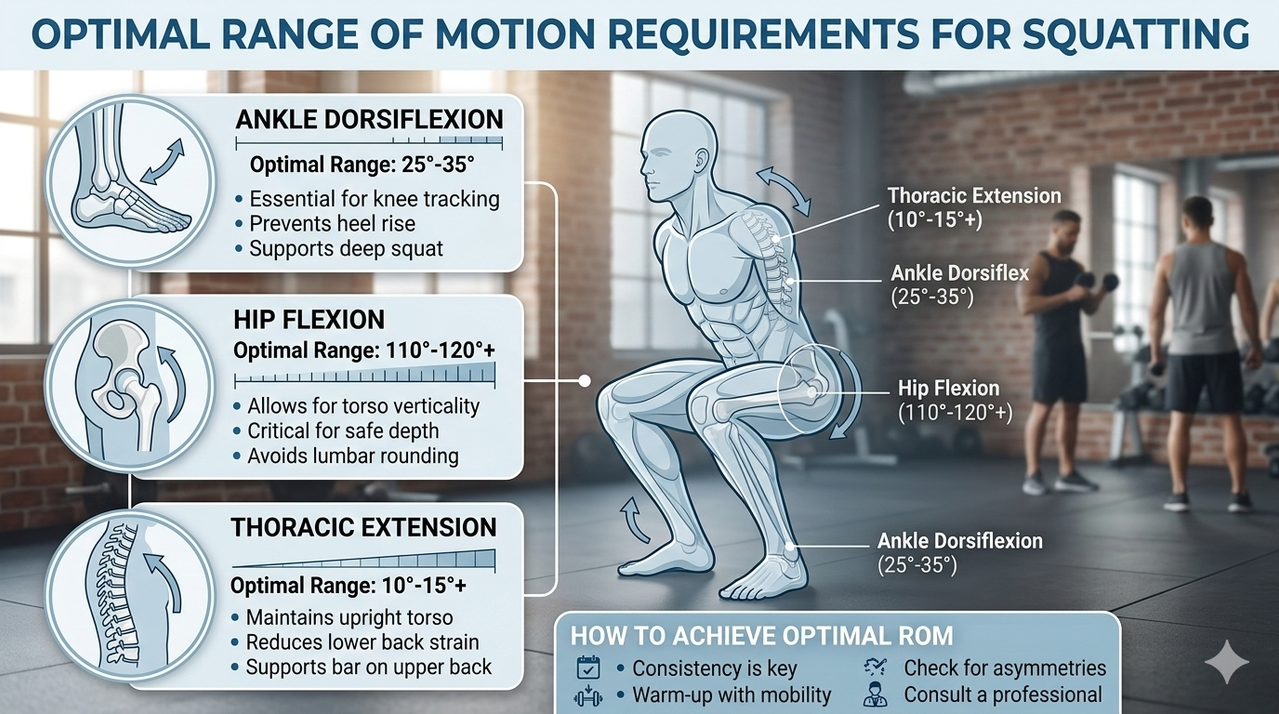
Understanding which joints limit your squat is the first step to fixing it with the best mobility exercises for deeper squats. Research has identified three primary areas that determine squat depth.
2.1. Ankle Dorsiflexion: The Foundation
Ankle dorsiflexion—the ability to bring your shin forward over your foot—is the single most important mobility factor for squat depth. A 2025 computer simulation study found that for a given squat depth, increasing ankle dorsiflexion range of motion (DFROM) required an increase in knee flexion and a decrease in hip flexion. In other words, better ankle mobility allows you to stay more upright .
Another study in healthy males revealed that the right ankle dorsiflexion range of motion was a significant predictor of the ankle dorsiflexion angle during squats, directly influencing knee and hip angles . Limited DFROM forces the hips to take over, causing the torso to lean forward and reducing squat efficiency .
Research also links Achilles tendon stiffness to ankle mobility. A 2023 study found that the Young's modulus (stiffness) of the Achilles tendon affects the ankle dorsiflexion angle at maximum squat depth, suggesting that targeted stretching can improve tendon compliance and, consequently, squat depth .
2.2. Hip Mobility: Internal Rotation and Flexion
Hip mobility, particularly internal rotation and flexion, is equally critical. A 2024 study on functional movement capacity found that knee flexion and dorsiflexion joint range of motion together explained a significant portion of movement quality . Tight hip flexors and limited internal rotation force the pelvis to tuck under at the bottom of the squat (posterior pelvic tilt), creating the dreaded "butt wink" .
2.3. Thoracic Spine Extension: The Upper Body Connection
Your upper back plays a surprising role in squat depth. A rounded thoracic spine shifts your center of gravity forward, requiring more hip hinge to maintain balance. This limits depth and increases lower back strain. Improving thoracic extension helps keep your chest up and your torso upright .
3. The Best Mobility Exercises for Deeper Squats
Based on biomechanical research and expert recommendations, these exercises target the specific limitations that prevent deeper squats . Perform them daily as part of your warm-up or on rest days.
3.1. Ankle Mobility Drills
Ankle Rocks (Knee to Wall)
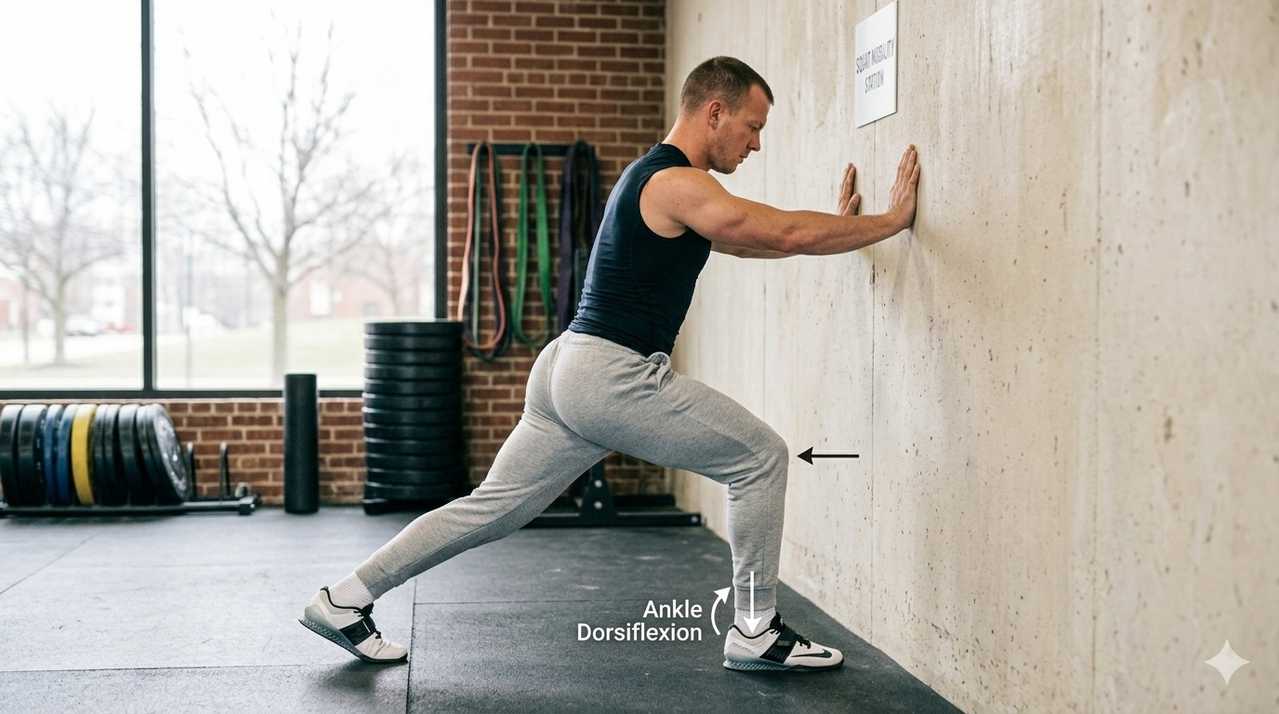
How to do it: Face a wall in a half-kneeling position. Place your front foot 4-5 inches from the wall. Keeping your heel planted, drive your knee forward to touch the wall, then return. Repeat for 10-15 reps. Gradually increase the distance from the wall as mobility improves .
Why it works: This drill dynamically loads dorsiflexion, improving both range of motion and control. Research shows that the knee-to-wall test is a valid measure of ankle mobility .
Banded Ankle Mobilization
How to do it: Anchor a heavy resistance band to a low point. Loop it around the front of your ankle joint. Step into a lunge position and let the band pull your tibia forward. Rock back and forth, spending time in the end range .
Why it works: The band creates a distraction force at the talocrural joint, helping to restore posterior glide of the talus, which is often restricted in those with poor dorsiflexion .
3.2. Hip Mobility Drills
90/90 Stretch with PAILs/RAILs
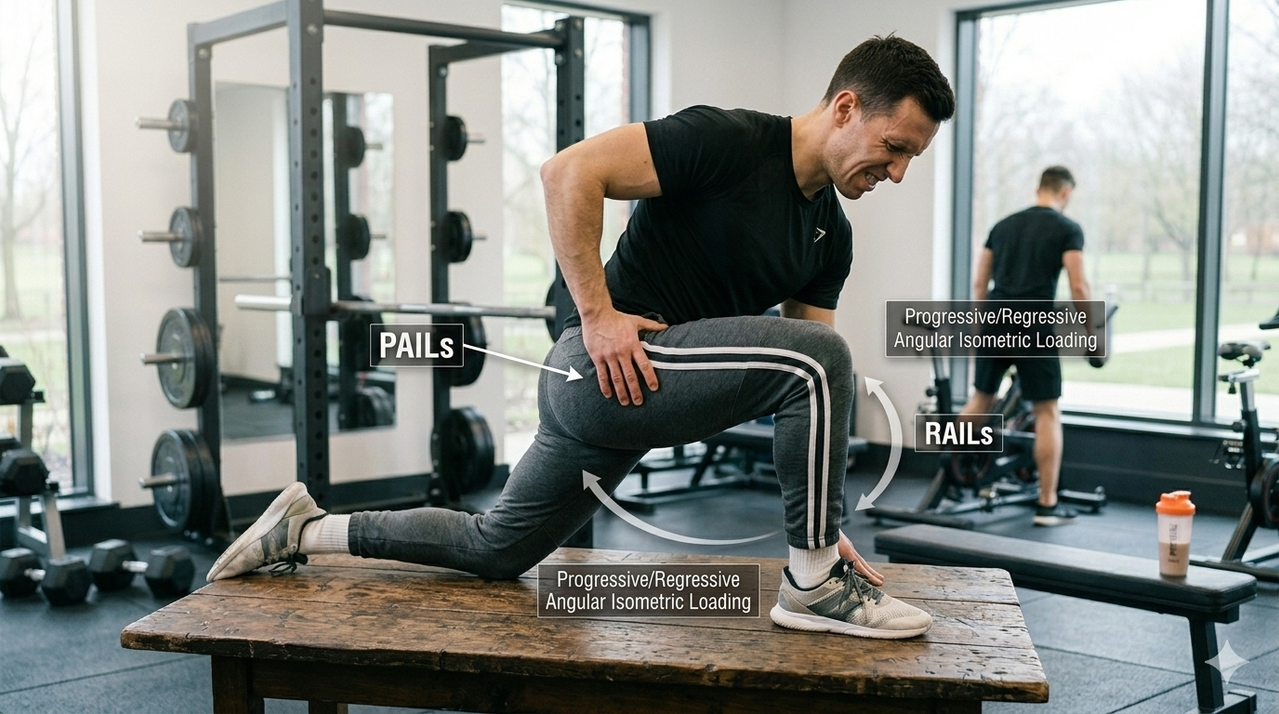
How to do it: Sit with one leg bent 90° in front of you and the other 90° beside you. For PAILs (Progressive Angular Isometric Loading), gently press your front knee down into the floor for 5 seconds, then relax. For RAILs (Regressive Angular Isometric Loading), press the back knee down. Repeat 5 times each side .
Why it works: This combination of passive stretching and active contraction improves both range of motion and strength at end ranges, making it highly effective for hip internal and external rotation.
Deep Squat Hold (Prying Goblet Squat)
How to do it: Hold a light kettlebell or dumbbell at your chest. Sink into a deep squat and use your elbows to gently push your knees outward. Hold for 30-60 seconds, gently rocking side to side .
Why it works: This "prying" action uses the weight to help open the hips while training your body to be comfortable in the bottom position. Spending time in the squat position is crucial for neuromuscular adaptation .
3.3. Thoracic Spine Drills
T-Spine Rotations (Quadruped)
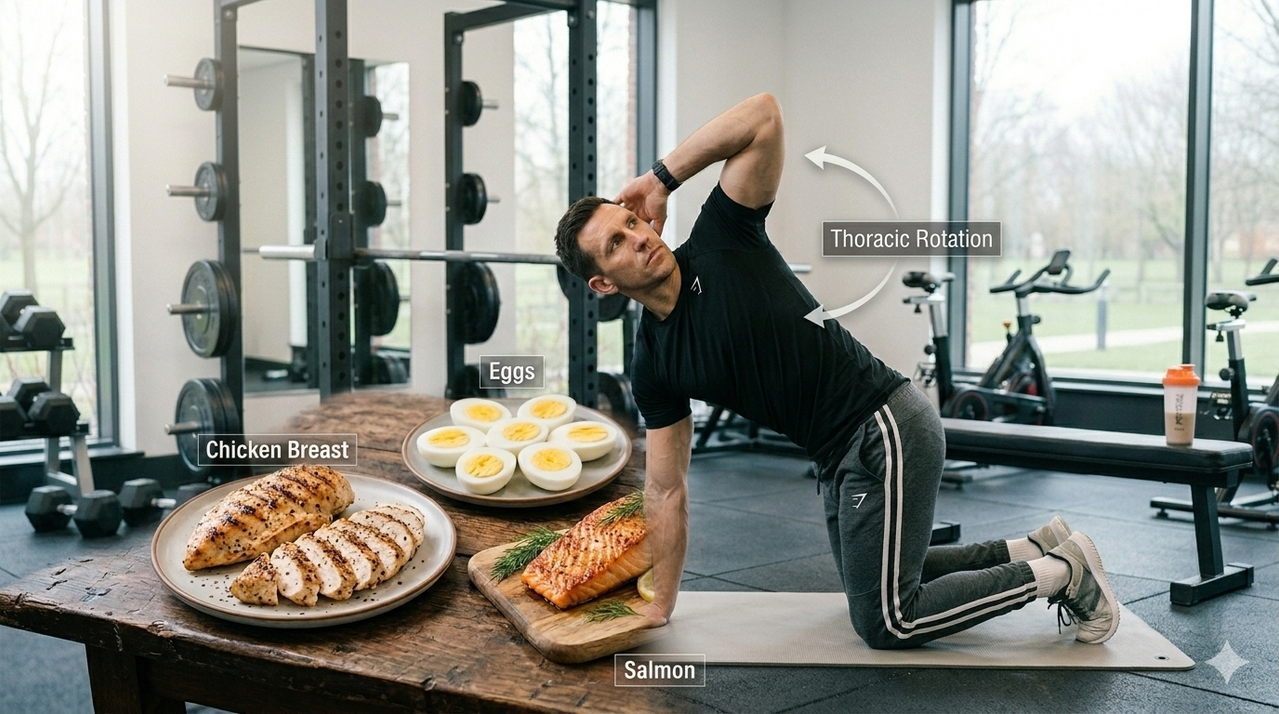
How to do it: Start on all fours with your back flat. Place one hand behind your head. Rotate your elbow toward the ceiling, opening your chest, while keeping the other arm stable. Hold for 2 seconds, then return. Repeat 10 times per side .
Why it works: This drill improves rotational mobility in the mid-back, allowing you to keep your chest up and torso stable during squats .
Cat-Cow Stretch
How to do it: On all fours, alternate between arching your back (cow) and rounding it (cat). Move slowly with your breath.
Why it works: This dynamic stretch improves spinal articulation and extension, which is essential for maintaining an upright torso .
4. Sample Mobility Routines for Deeper Squats
Consistency is key. Here are two sample routines you can use before squatting or on rest days incorporating the best mobility exercises for deeper squats.
4.1. Pre-Squat Warm-Up (10 minutes)
- Cat-Cow: 10 slow breaths
- Ankle Rocks (Knee to Wall): 10 reps each leg
- 90/90 Stretch: 30 seconds each side
- World's Greatest Stretch: 5 reps each side
- Deep Squat Hold: 60 seconds (use support if needed)
- Bodyweight Squats: 10-15 reps focusing on depth
4.2. Rest Day Mobility Session (15 minutes)
- Banded Ankle Mobilization: 10 reps each leg
- 90/90 PAILs/RAILs: 5 rounds each side
- Supported Deep Squat Hold (holding a post): 2 minutes
- Butterfly Stretch: 60 seconds
- T-Spine Rotations: 10 reps each side
5. Nutrition for Joint Health and Tissue Repair
Mobility work stretches and stresses connective tissues. Proper nutrition supports recovery, reduces inflammation, and helps tissues adapt to increased range of motion achieved through the best mobility exercises for deeper squats.
5.1. Protein: The Building Block for Connective Tissue
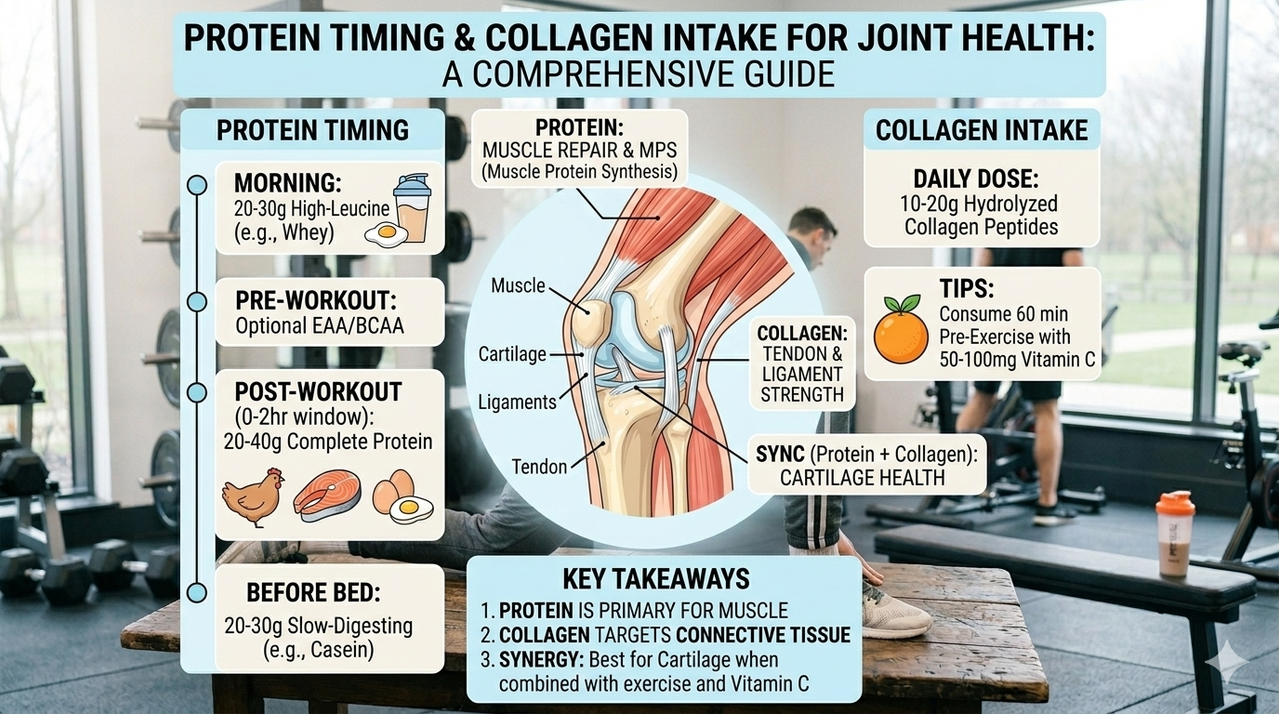
Protein isn't just for muscle. Tendons, ligaments, and fascia are also made of collagen and require adequate protein intake for repair and adaptation. Current research suggests that active individuals benefit from a daily protein intake of approximately 1.6–1.8 g per kg of body weight . For a 75kg individual, this equates to 120-135g of protein daily.
Sample Daily Protein Distribution
- Breakfast: 3 eggs (18g) + 1 cup Greek yogurt (20g) = 38g
- Lunch: 150g chicken breast (35g) + 1 cup quinoa (8g) = 43g
- Snack: 1 scoop protein powder (25g) + 1 cup milk (8g) = 33g
- Dinner: 150g salmon (30g) + vegetables = 30g
- Total: ~144g protein
5.2. Collagen and Vitamin C for Tendon Health
Emerging research suggests that consuming collagen peptides (10-15g) with vitamin C about 45-60 minutes before mobility work may enhance collagen synthesis in tendons and ligaments. This can improve the structural integrity of tissues being stretched .
Quick Pre-Mobility Snack Ideas
- Collagen powder mixed with orange juice (naturally high in vitamin C)
- Greek yogurt with berries (vitamin C from berries)
- Hard-boiled eggs + orange slices
5.3. Hydration and Joint Lubrication
Synovial fluid, which lubricates your joints, is primarily water. Dehydration can reduce joint lubrication and increase stiffness. Aim for 2-3 liters of water daily, more if you're active .
5.4. Anti-Inflammatory Nutrition
Chronic inflammation can stiffen connective tissue. Include omega-3 fatty acids (from fatty fish, flaxseeds, or supplements) and antioxidant-rich foods (berries, leafy greens, turmeric) to support tissue health .
Vegan/Vegetarian Protein Options
- Tofu: 150g = 15g protein
- Tempeh: 150g = 20g protein
- Lentils: 1 cup cooked = 18g protein
- Seitan (if not gluten-free): 100g = 25g protein
- Pea protein powder: 1 scoop = 25g protein
Gluten-Free Adaptations
- Replace wheat-based grains with quinoa, buckwheat, certified gluten-free oats, rice.
- All natural protein sources (meat, fish, eggs, dairy, legumes, tofu) are naturally gluten-free.
6. How to Program Mobility for Long-Term Gains
Mobility is a skill. Like strength, it requires consistent practice and progressive overload with the best mobility exercises for deeper squats.
6.1. Frequency and Duration
Perform mobility work daily for best results. Even 10-15 minutes per day is more effective than hour-long sessions once a week. The nervous system needs repeated exposure to new ranges of motion .
6.2. Tracking Progress
Use these markers every 2-4 weeks:
- Knee-to-wall test: Measure the distance from your toes to the wall (in cm) that allows knee contact without heel lift. Progress means increasing distance.
- Deep squat hold: Can you hold the bottom position longer? With a more upright torso?
- Squat depth video: Film your heaviest squat and compare depth month to month.
6.3. Common Mistakes
- Bouncing into end ranges: This can irritate joints. Move slowly and control the stretch.
- Ignoring pain: Sharp pain is different from a stretching sensation. Stop if you feel joint pain.
- Inconsistency: Mobility takes time. Stick with it for at least 4-6 weeks to see changes .
7. Real-World Success: Stories from the Community
On fitness forums, athletes share their journeys overcoming mobility limitations. One 40-year-old lifter reported that after months of dedicated ankle and hip work using the best mobility exercises for deeper squats, he could finally sit in a deep, flat-footed squat with a straight torso. His advice? "Focus on ankle dorsiflexion, use contract-relax techniques on the glutes and calves, and spend time in the position daily" .
Another user noted that combining split squats with an elevated front foot helped open up his hips and improve squat mechanics significantly . The common thread is consistent, targeted practice with the best mobility exercises for deeper squats.
9. Scientific References
- PureGym. (2025). 5 Stretches To Improve Your Squat. PureGym Blog. View Source
- CiNii Research. (2025). The relationship between the deep squat movement and the hip, knee and ankle range of motion and muscle strength. CiNii. View Source
- Witard, O., et al. (2025). Protein Nutrition for Endurance Athletes. Sports Medicine, 55(6), 1361–1376. View Source
- StrongFirst Community. (2026). Ankle mobilisation/sitting in deep squat: any real success stories? StrongFirst Forums. View Source
- Flanagan, S.P. (2025). What Is the Relationship Between Ankle Dorsiflexion Range of Motion and Squat/Landing Depth? Biomechanics, 5(4), 86. View Source
- TELUS Health. (2025). Fueling strength: How nutrition can support muscle growth. TELUS Health Resources. View Source
- Torokhtiy, O. (2024). 6 Squat Mobility Exercises: Unlock Your Leg Day Potential. Torokhtiy Weightlifting. View Source
- MDPI. (2025). Relationship Between Ankle Dorsiflexion Range of Motion and Squat Depth. OUCI. View Source
- Triathlete. (2025). New Research Says Endurance Athletes Need Protein, Too—And a Lot of It. Triathlete Magazine. View Source
- DIE RINGE App. (2025). Supported Deep Squat. DIE RINGE Exercise Library. View Source
All sources last accessed March 2026. Paraphrased for accessibility.
Join the conversation