The Impact of Cold Showers on Recovery and Metabolism
The Impact of Cold Showers on Recovery and Metabolism

❄️ TL;DR
The impact of cold showers on recovery and metabolism is nuanced. On the metabolic side, cold exposure activates brown adipose tissue (BAT), increasing glucose uptake by 12.8% and improving lipid profiles (lower triglycerides, higher HDL) . A 2025 NIH study revealed cold-induced "cross-tissue metabolic rewiring" that enhances glucose-dependent thermogenesis . For recovery, 2025 research shows that multiple sessions of cold water immersion (14°C for 14 minutes) significantly improve muscle strength return and reduce soreness markers . However, other 2025 studies found that a single cold plunge may blunt strength adaptations if used immediately after every workout . The key is timing: use cold for short-term pain relief after extreme soreness, but avoid it if your primary goal is long-term muscle growth.
1. The Cold Plunge Trend: Hype vs. Science
From Wim Hof to elite athletes, cold water immersion has exploded in popularity. Social media is filled with people plunging into ice baths, claiming benefits ranging from faster recovery to boosted metabolism and mental clarity. But as a natural lifter or fitness enthusiast, you need to separate science from bro-science.
This article examines the impact of cold showers on recovery and metabolism through the lens of the latest 2025/2026 research. We'll explore how cold exposure affects your muscles, your metabolic rate, and your long-term gains. The picture is more complex than many influencers suggest—cold can be both a tool and a trap, depending on when and how you use it.
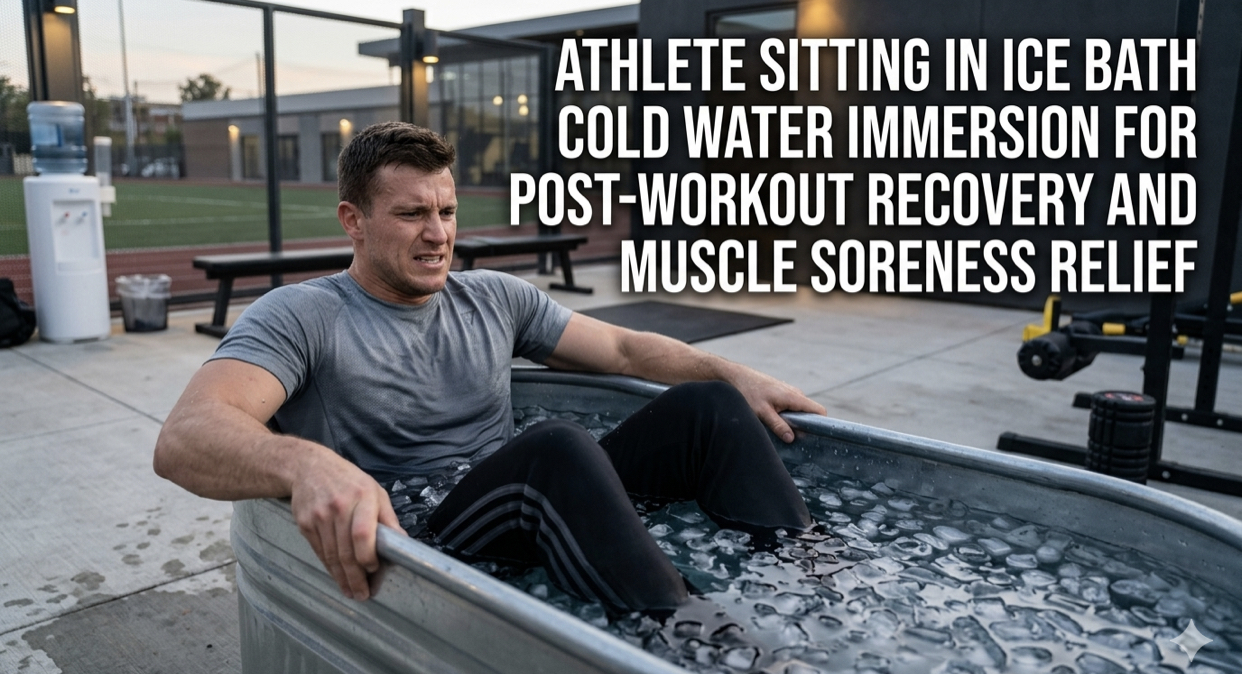
2. Metabolic Impact: Brown Fat and Glucose Control
2.1. What is Brown Adipose Tissue (BAT)?
Unlike white fat that stores energy, brown adipose tissue (BAT) burns calories to generate heat—a process called non-shivering thermogenesis. When exposed to cold, BAT activates, taking up glucose and fatty acids from the bloodstream to fuel this heat production . A 2025 study from the University of Notre Dame found that cold exposure reduced glucose levels by 12.8% across a cohort, with higher BAT activity associated with lower triglycerides and higher HDL cholesterol .
2.2. The 2025 NIH Breakthrough: Metabolic Rewiring
A landmark 2025 study published in Science Advances by Cutler et al. performed comprehensive proteomics across six metabolic tissues during cold exposure . They discovered that cold triggers "cross-tissue metabolic rewiring"—a coordinated response where white adipose tissue releases fatty acids, the liver produces glucose, and BAT uses both to fuel thermogenesis. This process enhances glucose utilization through specific remodeling of glycolysis pathways, potentially explaining why cold exposure improves insulin sensitivity .
2.3. How Much Metabolic Boost?
A 2023 meta-analysis in Frontiers in Physiology confirmed that acute cold exposure increases energy expenditure by activating BAT . However, the effect size matters: a single cold shower might increase calorie burn by 100-200 calories if BAT is activated, but this varies significantly between individuals. Factors like age, sex, and ambient temperature all influence BAT activity . Importantly, a 2026 review in Lipids in Health and Disease noted that BAT uses both aerobic and anaerobic metabolism, with some populations showing a preference for carbohydrate metabolism and others for fatty acids—explaining variation in individual responses .
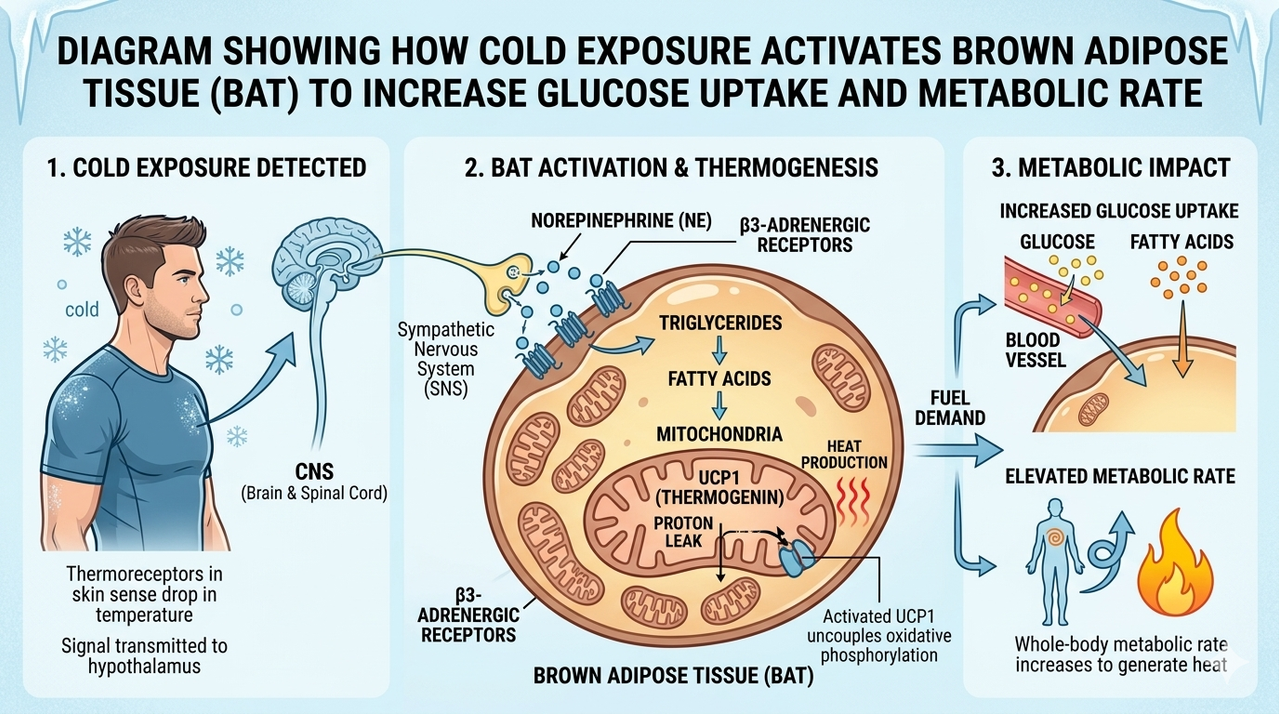
3. Recovery Impact: Does Cold Speed Healing?
3.1. The Classic Argument for Cold
Traditional sports medicine has long recommended ice baths to reduce inflammation and muscle soreness. The theory: cold constricts blood vessels, reducing swelling and metabolic demand in damaged tissues. A 2023 analysis of 20 studies concluded that cold water immersion immediately after exercise could help lower muscle soreness and speed up fatigue recovery .
3.2. The 2025 Evidence: Cold Works for DOMS
A rigorous 2025 randomized controlled trial published in the European Journal of Sport Science examined the effect of five consecutive days of cold water immersion (14°C for 14 minutes) on exercise-induced muscle damage . Results were impressive:
- Maximal voluntary contraction (strength) increased by 89.3% on the fourth day in the CWI group vs. controls .
- Delayed onset muscle soreness (DOMS) decreased by 15.4 mm on the VAS scale by day two .
- Plasma myoglobin (a marker of muscle damage) dropped by 436.3% by day three .
The study concluded that multiple sessions of CWI significantly enhance recovery from muscle damage .
3.3. The 2025 Caution: Cold May Blunt Strength Adaptations
However, another 2025 study in the Scandinavian Journal of Medicine & Science in Sports sounded an alarm . Researchers found that while cold water immersion didn't harm next-day performance, it delayed recovery of high-frequency torque (50 Hz) compared to passive recovery. More critically, a 2023 review noted that ice baths can actually reduce muscle strength and growth over time if used consistently after training . The mechanism: cold may blunt the inflammatory response needed for muscle adaptation and protein synthesis.
The Recovery Trade-Off
Cold water immersion is excellent for short-term pain relief and returning to performance quickly (e.g., tournaments with multiple games). But if your goal is maximizing long-term muscle growth, chronic use after every workout may be counterproductive .
4. Optimal Protocols: Temperature, Time, and Timing
4.1. For Metabolic Benefits (Brown Fat Activation)
Research suggests that mild cold exposure (not painfully cold) may be optimal for BAT activation. Temperatures around 15-19°C for 30-60 minutes have been used in studies to increase BAT activity . For practical purposes: a cool shower (not ice cold) for 2-3 minutes might be sufficient to stimulate some metabolic response, though full BAT activation requires more sustained exposure .
4.2. For Recovery (Muscle Soreness)
The 2025 evidence points to specific parameters:
- Temperature: 10-15°C (50-59°F) is the effective range .
- Duration: 10-15 minutes per session .
- Timing: Within 1 hour post-exercise .
- Frequency: Multiple sessions (e.g., daily for 5 days) are more effective than a single plunge .
For showers specifically, you may need to adjust because water flow increases convective cooling. A 5-minute cold shower at 10-15°C can provide similar effects to immersion .
| Goal | Temperature | Duration | Frequency |
|---|---|---|---|
| Metabolic (BAT activation) | 15-19°C (cool) | 30-60 min total | Daily or several times/week |
| Recovery (acute soreness) | 10-15°C (cold) | 10-15 min | After workouts causing extreme soreness |
| Mental alertness | 10-15°C | 2-4 min | 2-3 times weekly |
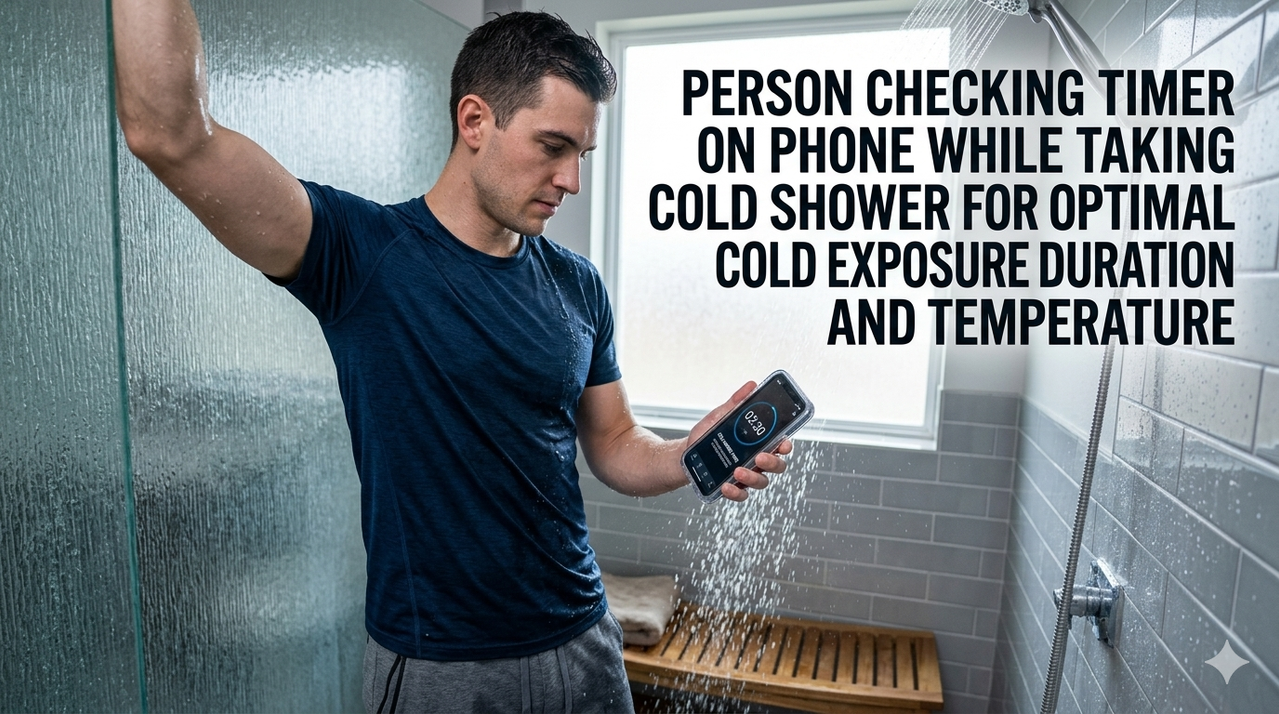
5. Contrast Showers: The Best of Both Worlds?
5.1. What the Research Says
Contrast water therapy (alternating hot and cold) has shown promise. A 2017 study found that contrast therapy was more effective than passive recovery at restoring strength and power following exercise, though it didn't appear to reduce pain significantly . A 2007 study also found that contrast temperature exposure significantly reduced lactic acid after intense anaerobic exercise .
5.2. How to Do It
A typical contrast shower protocol:
- Start with warm/hot water (38-40°C) for 2-3 minutes.
- Switch to cold water (10-15°C) for 30-60 seconds.
- Repeat the cycle 3-5 times.
- Always end on cold for its anti-inflammatory and mood-boosting effects.
The vasodilation from heat followed by vasoconstriction from cold creates a "pumping" effect that may enhance circulation and waste removal .
6. Safety: Who Should Avoid Cold Showers
While generally safe for healthy individuals, cold water immersion carries risks. The U.S. News Health team outlines key dangers :
- Hypothermia: If water is too cold or exposure too long.
- Cold shock response: Sudden immersion can spike blood pressure and heart rate, increasing drowning risk.
- Frostbite: Rare with showers, but possible with prolonged ice bath exposure.
You should consult a doctor before trying cold water immersion if you have :
- Cardiovascular disease or uncontrolled high blood pressure.
- Peripheral neuropathy (e.g., from diabetes).
- Raynaud's disease.
- Respiratory issues.
- Open wounds or infections.
Always have someone nearby when doing extreme cold exposure, and warm up gradually afterward .
7. Sample Weekly Cold Exposure Schedule
Here's a practical schedule that balances recovery and metabolic benefits while avoiding interference with muscle growth:
- Monday (Leg Day): No cold shower post-workout (to allow inflammation for growth). Contrast shower in morning for alertness.
- Tuesday (Upper Push): No cold post-workout. Optional 2-min cold shower for mental focus.
- Wednesday (Active Recovery): 10-15 min cold shower at 10-15°C if extremely sore. Otherwise, skip.
- Thursday (Upper Pull): No cold post-workout.
- Friday (Full Body or Accessory): No cold post-workout.
- Saturday (Weekend Warrior): If you did an intense hike or sport, 10-15 min cold shower for soreness relief.
- Sunday (Rest): 30-60 min cool exposure (cool shower or cool room) for BAT activation, if desired.
8. Nutrition: Fueling Your Cold Response
8.1. Pre-Cold Exposure
Since cold exposure increases glucose uptake, having stable blood sugar is important. A small snack with complex carbs and protein 1-2 hours before may help . Good options: banana with almond butter, or oatmeal with berries.
8.2. Post-Cold Exposure
After cold immersion, your body has depleted some glycogen and needs warming. A warm meal with protein and carbs is ideal. Example: grilled salmon with sweet potatoes and roasted vegetables.
8.3. Sample 2500-Calorie Cold-Adaptation Day
- Breakfast (8 AM): 3-egg omelet with spinach, 1 cup oatmeal with berries, 1 cup green tea. (550 kcal, 30g protein)
- Lunch (1 PM): 200g grilled chicken breast, 1.5 cups quinoa, roasted broccoli with olive oil. (650 kcal, 45g protein)
- Pre-Cold Snack (4 PM - if doing evening cold): 1 banana + 1 tbsp peanut butter. (200 kcal, 5g protein)
- Dinner (7 PM): 200g salmon, 1 large sweet potato, sautéed kale with garlic. (600 kcal, 40g protein)
- Evening Snack (9 PM): 1 cup Greek yogurt + ½ cup mixed berries + 1 oz walnuts. (300 kcal, 20g protein)
- Total: ~2,300 kcal, ~140g protein (adjust portions for your needs)
8.4. Vegan/Vegetarian Options
- Protein Sources: Tofu, tempeh, lentils, chickpeas, pea protein.
- Pre-Cold Snack: Smoothie with banana, oat milk, and pea protein.
- Post-Cold Meal: Lentil and sweet potato curry with coconut milk.
9. Common Cold Shower Mistakes
- Mistake #1: Taking cold showers immediately after every workout. This may blunt muscle growth over time. Save cold for when you're extremely sore or need quick recovery for an event .
- Mistake #2: Staying in too long. More than 15-20 minutes in ice-cold water increases hypothermia risk without added benefit .
- Mistake #3: Warming up too quickly afterward. Hot showers immediately after cold can reverse the anti-inflammatory effects. Warm up gradually .
- Mistake #4: Expecting overnight fat loss. While BAT activation is real, the metabolic boost from a single cold shower is modest. Consistency matters .
- Mistake #5: Ignoring medical contraindications. If you have heart issues, always consult a doctor first .
11. Scientific References
- U.S. News & World Report. (2024). Do Ice Baths Work for Recovery? health.usnews.com. View Source
- Cutler, H. B., et al. (2025). Cold exposure stimulates cross-tissue metabolic rewiring to fuel glucose-dependent thermogenesis in brown adipose tissue. Science Advances, 11(24), eadt7369. PubMed
- Huang, Y.-C., et al. (2025). Effect of cold-water immersion treatment on recovery from exercise-induced muscle damage in the hamstring. European Journal of Sport Science, 25(3), e12235. PubMed
- Richards, A. J., et al. (2025). Cold Water Immersion Does Not Enhance Recovery and Performance After High-Intensity Interval Dorsiflexion Exercise. Scandinavian Journal of Medicine & Science in Sports, 35(5), e70061. PubMed
- Sharp HealthCare. (2024). Take the Plunge: Cold Water Immersion Can Speed Recovery. sharp.com. View Source
- McElreavy, D., & Ocobock, C. (2025). Brown Adipose Tissue and the Strange Case of Metabolic Health. Eck Institute for Global Health, University of Notre Dame. View Source
- PureGym. (2025). The Post-Workout Shower: Hot or Cold? puregym.com. View Source
- ICHGCP. (2025). Cold vs Warm Water Immersion for DOMS Recovery. ichgcp.net. View Source
- Lipids in Health and Disease. (2026). Burning fast & slow: a review of the differential metabolic routes of brown adipose tissue activity. Springer, 25, 30. View Source
- Nature Research Intelligence. (2025). Cold Water Immersion And Exercise Recovery Topic Summary. nature.com. View Source
Join the conversation