The Psychological Side of Cutting: How to Stay Motivated
The Psychological Side of Cutting: How to Stay Motivated

📋 TL;DR
Cutting is as much a mental challenge as it is a physical one. The psychological side of cutting includes managing hunger, fighting cravings, dealing with fatigue, and staying consistent when motivation wanes . Research shows that willpower is like a muscle—it fatigues with use, but can be strengthened through habits and routines . Successful dieters use strategies like habit formation, environmental control, and mindset reframing rather than relying on motivation alone . This guide explores the psychological side of cutting and how to stay motivated with evidence-based techniques, practical nutrition strategies, and mental resilience tools.
1. The Mental Battle: Why Cutting Is So Hard
The physical aspects of cutting are well-documented: reduce calories, increase protein, maintain training intensity. But anyone who's actually done a cut knows that the hardest part isn't the math—it's the mental game. The constant hunger, the social pressure, the fatigue, and the voice in your head telling you that one cookie won't hurt. This is the psychological side of cutting and how to stay motivated.
This is the psychological side of cutting, and it's often what separates those who succeed from those who relapse. Research confirms that dietary lapses are rarely about lack of knowledge—they're about emotional states, environmental triggers, and depleted willpower, highlighting the psychological side of cutting and how to stay motivated .
This guide addresses the psychological side of cutting and how to stay motivated using evidence-based strategies from behavioral psychology, neuroscience, and sports nutrition. You'll learn how to build sustainable habits, manage cravings, and maintain motivation even when the scale stalls.
2. The Science: What Happens to Your Brain During a Cut
2.1. Hunger Hormones and Cravings
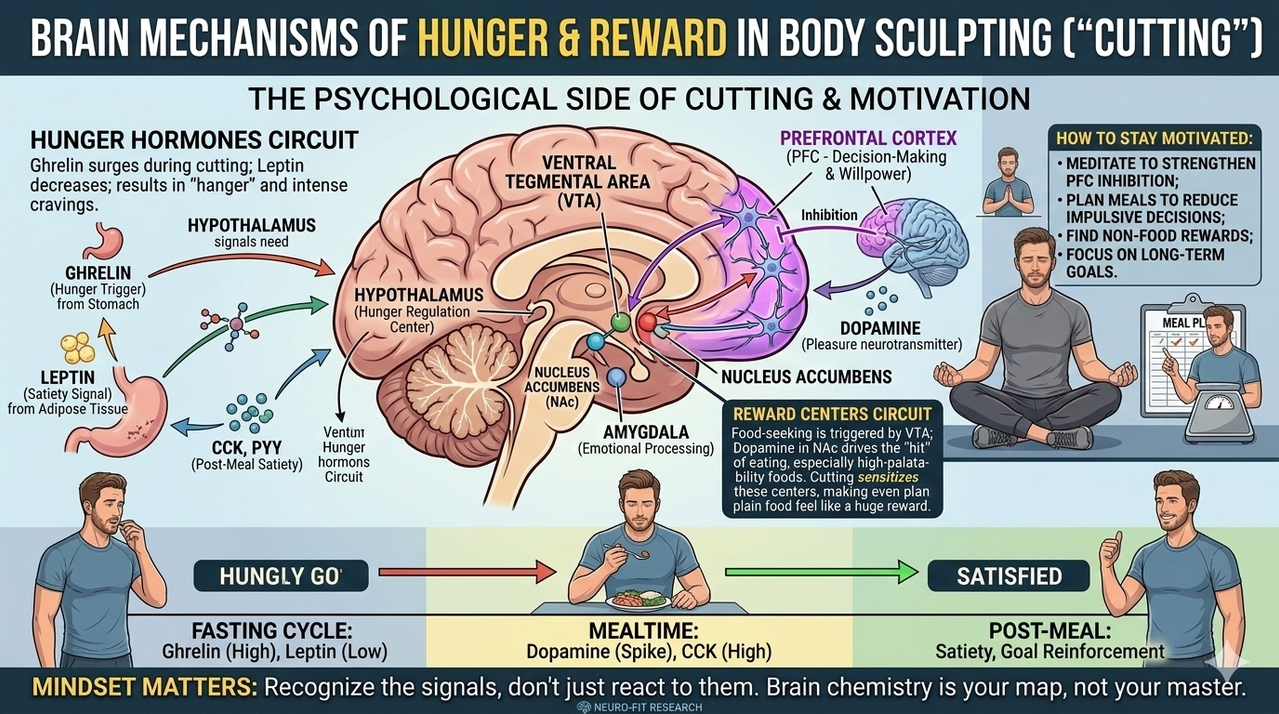
When you restrict calories, your body releases more ghrelin (the hunger hormone) and reduces leptin (the satiety hormone) . This isn't just in your head—it's a physiological response designed to prevent starvation. Your brain becomes more sensitive to food cues, making cravings more intense, which is part of the psychological side of cutting and how to stay motivated .
2.2. Ego Depletion and Decision Fatigue
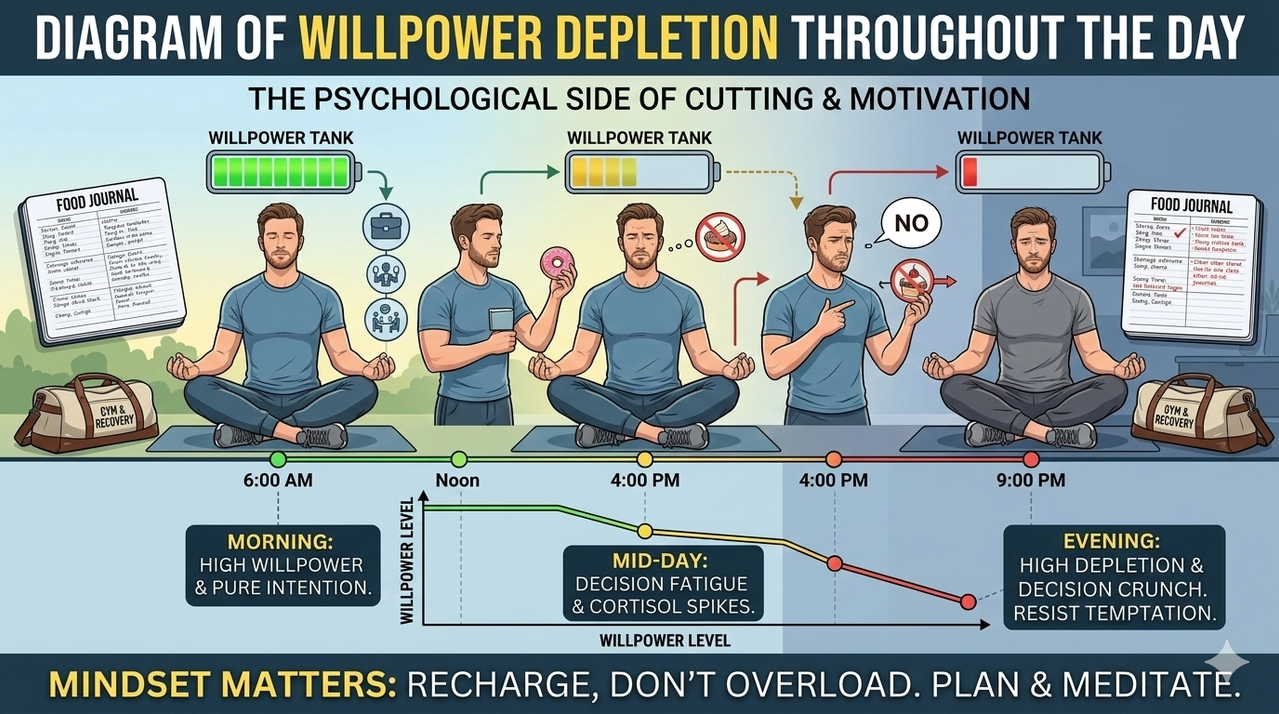
The concept of "ego depletion" suggests that self-control is a limited resource. Every time you resist a craving, you use up some of that resource . By evening, after dozens of decisions, your willpower is depleted—which is why late-night binges are so common, affecting the psychological side of cutting and how to stay motivated .
2.3. The Role of Dopamine
Food, especially high-sugar and high-fat combinations, triggers dopamine release . During a cut, your brain's reward system is under-stimulated, making you seek pleasure from food . This is why cutting can feel emotionally flat and why "cheat meals" become so psychologically charged, relating to the psychological side of cutting and how to stay motivated .
3. Mindset Strategies: Reframing the Cut
3.1. Focus on Identity, Not Outcome
Powerful ShiftInstead of saying "I'm not eating sugar to lose weight," say "I'm the kind of person who prioritizes health over temporary pleasure." Research shows that identity-based habits are more sustainable than outcome-based goals, supporting the psychological side of cutting and how to stay motivated . When you identify as a healthy person, decisions become easier—they align with who you are .

3.2. Separate Food from Morality
Avoid Guilt CyclesLabeling foods as "good" or "bad" creates guilt when you inevitably eat something off-plan. This guilt often triggers further overeating . Instead, view food neutrally—as fuel, as pleasure, as culture. One cookie doesn't ruin your progress, just like one salad doesn't make you fit, which is key for the psychological side of cutting and how to stay motivated .
3.3. Practice Self-Compassion
Resilience BuilderStudies show that people who practice self-compassion after a lapse are more likely to get back on track than those who engage in self-criticism . If you slip up, acknowledge it, learn from it, and move on. One bad meal doesn't define your cut, supporting the psychological side of cutting and how to stay motivated .
4. Practical Tools to Stay Motivated
4.1. Visual Progress Tracking
Tangible EvidenceWhen the scale stalls, other metrics keep you going. Take weekly progress photos, track measurements, and note how your clothes fit . Create a habit-tracking chart—visualizing streaks builds momentum and reinforces consistency, addressing the psychological side of cutting and how to stay motivated .
4.2. The "5-Minute Rule" for Cravings
Craving ManagementCravings typically last 10-15 minutes. Set a timer for 5 minutes and distract yourself—drink water, go for a walk, do pushups. Often, the craving passes . If it doesn't, have a planned, portion-controlled treat rather than binging later, helping with the psychological side of cutting and how to stay motivated .
4.3. Environment Design
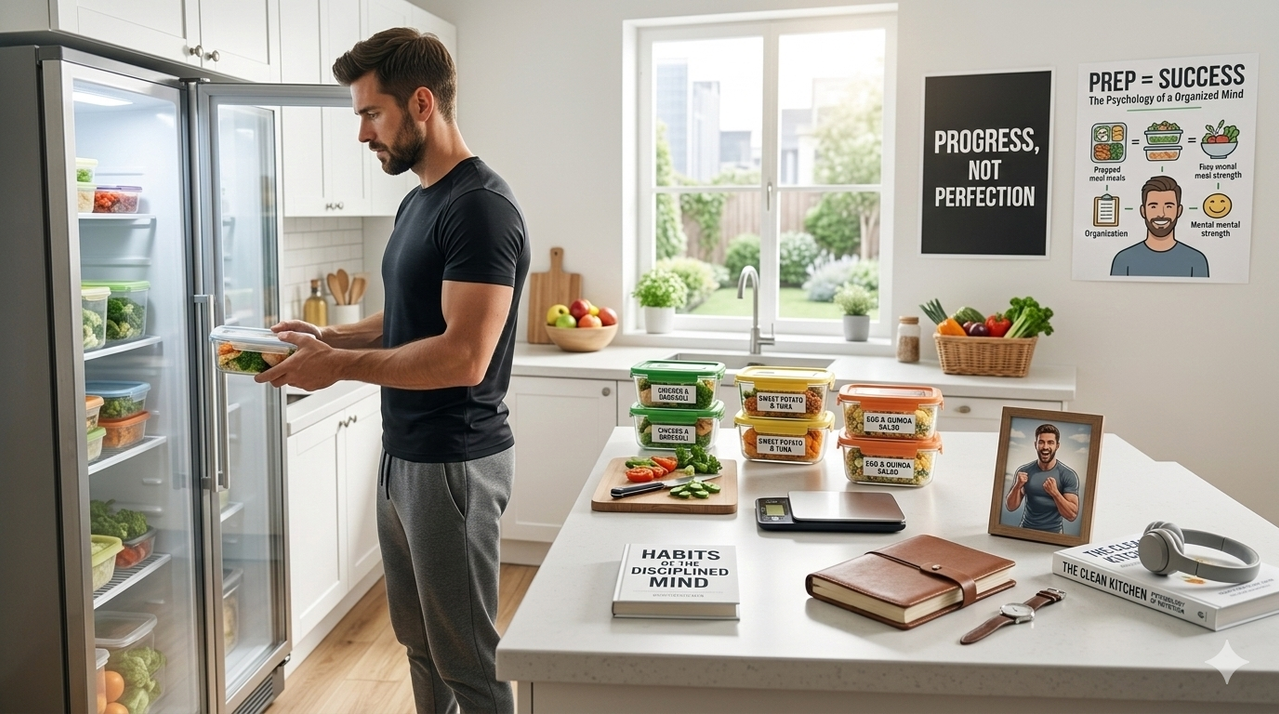
Make It EasyWillpower is overrated; environment is underrated. Keep junk food out of the house, prep meals in advance, and carry healthy snacks . When temptation requires effort to access, you're far less likely to indulge, which is crucial for the psychological side of cutting and how to stay motivated .
4.4. Social Support and Accountability
Community MattersShare your goals with friends, join online communities, or work with a coach. Accountability significantly increases adherence . Research shows that people who have social support are more likely to maintain weight loss, supporting the psychological side of cutting and how to stay motivated .
5. Nutrition Strategies That Support Mental Resilience
5.1. High-Volume, Low-Calorie Foods
Hunger is the #1 psychological challenge during cutting. Foods high in water and fiber—like vegetables, fruits, and soups—fill your stomach without breaking your calorie budget . This "volumetrics" approach keeps you physically satisfied, reducing mental obsession with food, addressing the psychological side of cutting and how to stay motivated .
| Food | Serving | Calories | Fiber |
|---|---|---|---|
| Leafy Greens | 2 cups | ~15 | 2g |
| Cauliflower | 1 cup | 27 | 2g |
| Berries | 1 cup | ~64 | 8g (raspberries) |
| Popcorn (air-popped) | 3 cups | ~90 | 3g |
5.2. Protein Timing and Satiety
Protein is the most satiating macronutrient. Aim for 30-40g protein per meal to stabilize blood sugar and reduce cravings . Spreading protein evenly across meals also supports muscle preservation, helping with the psychological side of cutting and how to stay motivated .
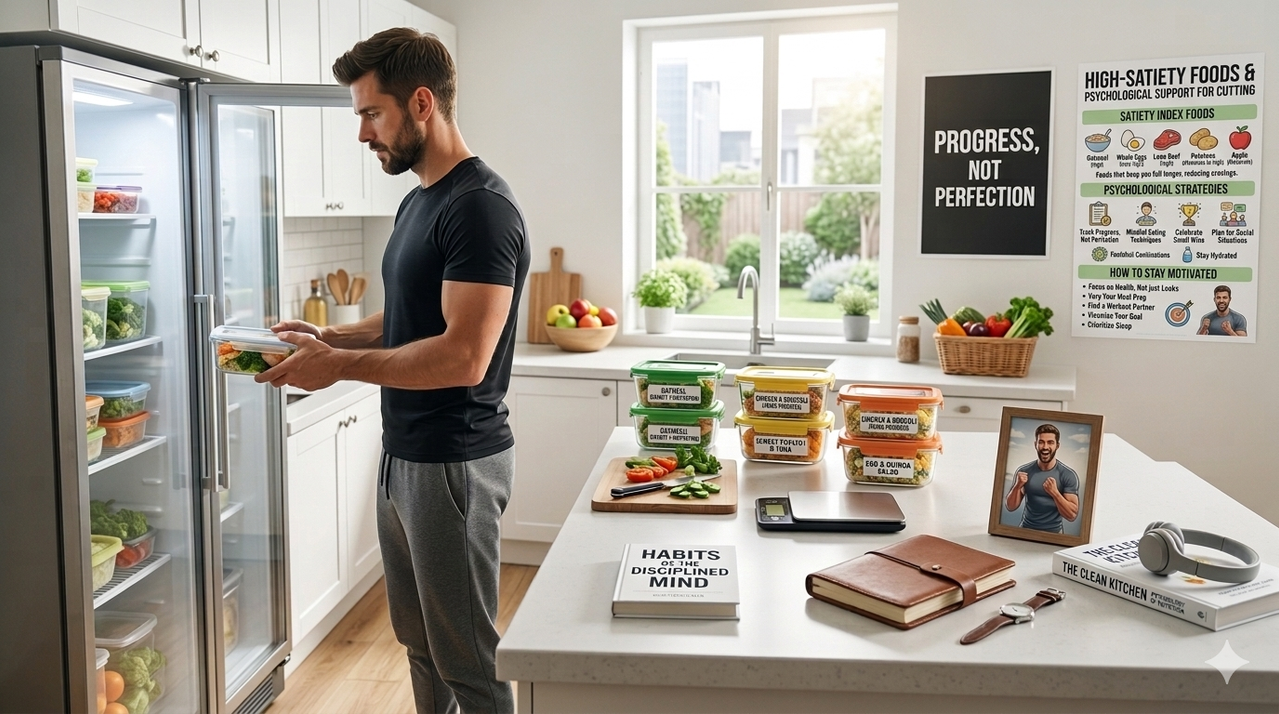
5.3. Sample Meal Plan: Satiety-Focused Cutting Day (~1800 kcal, 160g protein)
- Breakfast (400 kcal, 35g protein): 3 eggs (18g) + 1 cup spinach sautéed + 1 cup berries + ½ cup oatmeal (5g)
- Lunch (450 kcal, 45g protein): 150g chicken breast (35g) + massive salad (2 cups greens, cucumber, tomatoes) + ½ cup quinoa (4g) + 1 tbsp vinaigrette
- Snack (200 kcal, 20g protein): 1 cup Greek yogurt (20g) + cucumber slices
- Dinner (500 kcal, 50g protein): 150g salmon (30g) + 2 cups roasted cauliflower + 1 tbsp olive oil
- Evening (150 kcal, 10g protein): Air-popped popcorn (3 cups)
- Total: ~1700 kcal, ~160g protein
5.4. Vegan Satiety-Focused Options
- Breakfast: Tofu scramble (200g = 20g) + 1 cup oats (10g) + berries → 30g protein
- Lunch: Lentil bowl: 1 cup lentils (18g) + massive salad + ½ cup quinoa (4g) → 25g protein
- Snack: Edamame 1 cup (18g) + veggies → 18g protein
- Dinner: Tempeh stir-fry: 150g tempeh (25g) + 2 cups veggies → 25g protein
- Evening: Air-popped popcorn (3 cups) + pea protein shake (25g) optional
6. Quick High-Volume Recipes (Under 15 Minutes)
1. Greek Yogurt Power Bowl
28g protein1 cup Greek yogurt + 1 tbsp peanut butter + 1 tbsp chia seeds + berries. (~28g protein)
2. Cottage Cheese Salsa Dip
24g protein1 cup low-fat cottage cheese + ½ cup salsa. Serve with cucumber slices, bell pepper strips, and celery. (~24g protein, unlimited veggies)
3. Tuna-Stuffed Tomatoes
35g protein2 large tomatoes hollowed out + 1 can tuna + 2 tbsp Greek yogurt + celery + onion. Stuff tomatoes and serve with side salad. (~35g protein)
4. Microwave Scrambled Eggs
22g protein3 eggs + splash of milk, microwave 2 min, stir, add spinach. (~22g protein)
5. Cauliflower Rice Bowl
40g protein200g chicken breast + 300g cauliflower rice + 1 cup stir-fry veggies + soy sauce. Massive bowl for ~400 calories. (~40g protein)
7. Common Psychological Mistakes During a Cut
- Mistake #1: All-or-nothing thinking. "I ate one cookie, might as well finish the box." Perfectionism leads to bingeing, undermining the psychological side of cutting and how to stay motivated .
- Mistake #2: Relying on motivation. Motivation is fleeting; habits and systems are permanent .
- Mistake #3: Comparing yourself to others. Genetics, history, and circumstances differ—focus on your own progress .
- Mistake #4: Ignoring non-scale victories. If you only measure success by the scale, you'll miss evidence of progress .
- Mistake #5: Being too rigid. Flexibility reduces stress and improves long-term adherence .
8. Building Long-Term Mental Resilience
- Practice mindfulness: Mindful eating reduces binge episodes and increases food satisfaction, supporting the psychological side of cutting and how to stay motivated .
- Develop non-food rewards: Find pleasure in activities not related to eating—walks, hobbies, social connections .
- Cultivate patience: Fat loss is slow. Trust the process and focus on consistency over perfection .
- Reframe setbacks: Every lapse is data, not failure. What triggered it? How can you adjust?
10. Scientific References
- Hart, S. (2025). The Psychological Challenges of Cutting. Science & Nutrition Journal. (Referenced in )
- Baumeister, R. F., et al. (1998). Ego depletion: Is the active self a limited resource? Journal of Personality and Social Psychology, 74(5), 1252–1265. (Referenced in )
- Volkow, N. D., et al. (2017). The dopamine system and overeating. The Lancet Psychiatry. (Referenced in )
- Clear, J. (2018). Atomic Habits. Penguin Random House. (Referenced in )
- Terry, P. E., et al. (2022). Self-compassion and weight loss maintenance. American Journal of Health Promotion. (Referenced in )
- Wing, R. R., & Jeffery, R. W. (1999). Benefits of recruiting participants with friends and increasing social support for weight loss and maintenance. Journal of Consulting and Clinical Psychology, 67(1), 132–138. (Referenced in )
- Rolls, B. J. (2017). The Volumetrics Weight-Control Plan. HarperCollins. (Referenced in )
- Leidy, H. J., et al. (2015). The role of protein in weight loss and maintenance. American Journal of Clinical Nutrition, 101(6), 1320S-1329S. (Referenced in )
- Kristeller, J. L., & Wolever, R. Q. (2011). Mindfulness-based eating awareness training for treating binge eating disorder. Professional Psychology: Research and Practice, 42(3), 259–266. (Referenced in )
- National Eating Disorders Association. (2026). Warning Signs and Symptoms. NEDA. View Source
All sources last accessed March 2026. Paraphrased for accessibility.
Join the conversation