Can You Build Muscle Without Supplements? (Natural Muscle Growth Guide)
Can You Build Muscle Without Supplements? (Natural Muscle Growth Guide)
⚡ TL;DR
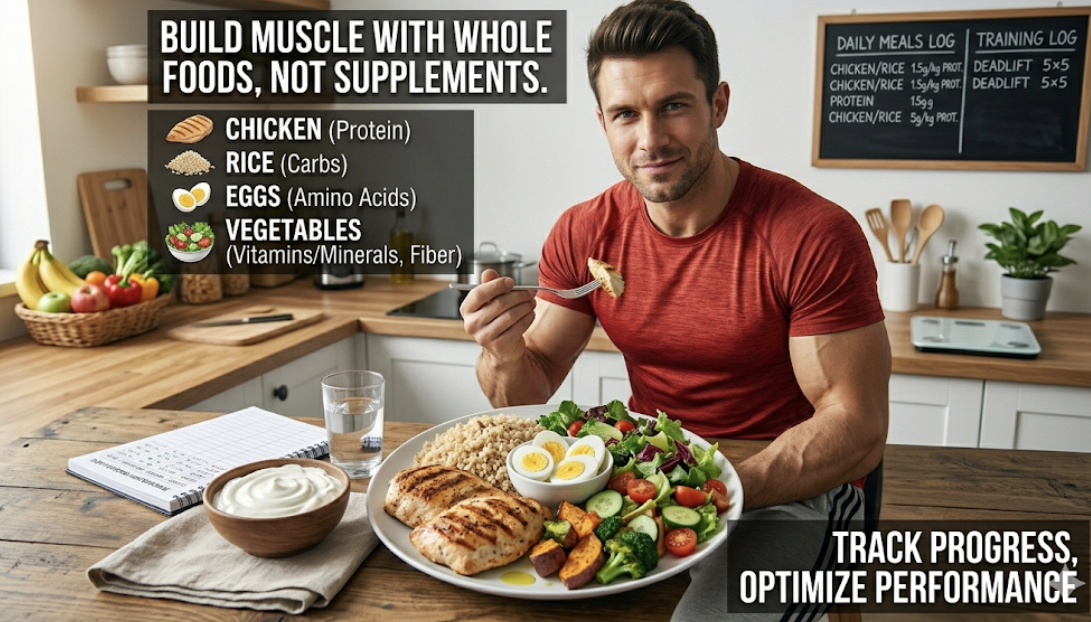
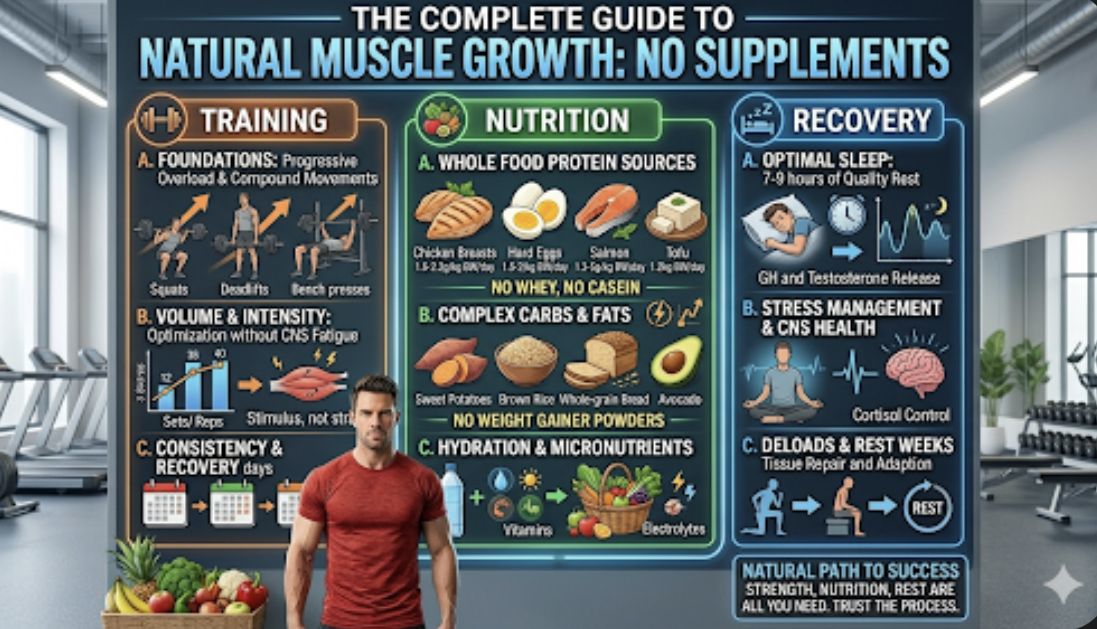
Yes, you can absolutely build muscle without supplements. Supplements are optional additions that can provide convenience, but they are not necessary for muscle growth. The foundational requirements for natural muscle growth are: adequate calories (moderate surplus), sufficient protein from whole foods (1.6–2.2 g/kg body weight), progressive overload training, and proper recovery (sleep, rest). Whole foods like eggs, chicken, fish, lean beef, dairy, tofu, legumes, and grains provide all the nutrients needed for muscle growth . This guide shows you how to achieve no supplement muscle gain through optimal nutrition and training.
1. The Supplement Myth: Do You Really Need Them?
Walk into any gym, and you'll see people carrying shaker bottles filled with colorful powders. The supplement industry markets protein powders, creatine, BCAAs, and pre-workouts as essential for muscle growth. But the truth is simpler: can you gain muscle naturally without any supplements? Absolutely. The human body has been building muscle for millennia using only whole foods. Supplements are a modern convenience—not a necessity.
Do you need supplements to build muscle?
No, you do not need supplements to build muscle. You can build muscle effectively with: 1) Whole food nutrition—meeting your protein, carb, and fat needs through eggs, meat, fish, dairy, legumes, grains, and vegetables. 2) Sufficient protein intake—1.6–2.2 g per kg body weight from whole foods. 3) Progressive overload training—consistently challenging your muscles. 4) Adequate recovery—7–9 hours of sleep and proper rest days. Supplements are optional tools for convenience, not requirements .
2. The Science: What Your Body Actually Needs for Muscle Growth
2.1. The Three Pillars of Muscle Growth
Muscle growth requires three essential components: mechanical tension (progressive overload training), metabolic stress (volume and intensity), and muscle damage (eccentric loading). These are achieved through training, not supplements .
2.2. Nutritional Requirements
The body needs: Energy (calories) to fuel growth and recovery; protein to provide amino acids for muscle protein synthesis; carbohydrates to fuel training and replenish glycogen; fats for hormone production; and micronutrients (vitamins, minerals) for metabolic processes . All of these are readily available from whole foods.
2.3. Whole Foods vs. Supplements: The Research
Multiple studies have shown that whole food protein sources are equally effective as protein supplements for muscle growth when total protein intake is matched . A 2020 meta-analysis found no significant difference in muscle growth between groups consuming protein from whole foods vs. supplements, as long as total protein was adequate .

3. Best Whole Food Protein Sources for Muscle Building
3.1. Animal-Based Proteins
- Eggs: 6–7g protein per large egg. Complete protein with all essential amino acids.
- Chicken breast: 31g protein per 100g. Lean, versatile, affordable.
- Lean beef: 26–30g protein per 100g. Rich in creatine, zinc, and B12.
- Fish (salmon, tuna, cod): 20–25g protein per 100g. High in omega-3s.
- Greek yogurt: 20g protein per 200g. High in casein and probiotics.
- Cottage cheese: 25g protein per 200g. Slow-digesting casein.
- Milk: 8g protein per cup. Contains whey and casein.
3.2. Plant-Based Proteins
- Tofu: 10–15g protein per 100g. Complete protein, versatile.
- Tempeh: 20g protein per 100g. Fermented, high in probiotics.
- Seitan: 25g protein per 100g. High protein, low fat.
- Lentils: 18g protein per cup (cooked). High fiber, iron.
- Chickpeas: 15g protein per cup. Versatile, high fiber.
- Edamame: 18g protein per cup. Complete protein, rich in isoflavones.
- Quinoa: 8g protein per cup. Complete protein, gluten-free.
- Hemp seeds: 10g protein per 3 tbsp. Complete protein, omega-3s.
4. Sample Muscle-Building Meal Plan (No Supplements)
4.1. Omnivore Plan – 2,800 kcal, 160g Protein
- Breakfast (7:30): 4 large eggs scrambled with spinach, 1 cup oatmeal with 1 tbsp peanut butter, 1 banana (650 kcal, 40g protein)
- Lunch (12:30): 200g grilled chicken breast, 1.5 cups brown rice, 1 cup broccoli, 1 tbsp olive oil (650 kcal, 50g protein)
- Snack (4:00): 200g Greek yogurt, 1 cup berries, 1 oz almonds (350 kcal, 25g protein)
- Dinner (7:30): 200g salmon or lean beef, 1.5 cups sweet potato, 2 cups mixed greens, 1 tbsp vinaigrette (650 kcal, 45g protein)
- Evening (10:00): 200g cottage cheese, 1 tbsp honey (250 kcal, 20g protein)
4.2. Vegan/Vegetarian Plan – 2,800 kcal, 150g Protein
- Breakfast: Tofu scramble (200g firm tofu with turmeric, spinach), 1.5 cups oatmeal with 2 tbsp peanut butter, 1 banana (750 kcal, 45g protein)
- Lunch: 200g tempeh, 1.5 cups quinoa, 1 cup roasted chickpeas, mixed greens (750 kcal, 45g protein)
- Snack: 200g silken tofu with berries, 2 tbsp hemp seeds (300 kcal, 20g protein)
- Dinner: 1.5 cups cooked lentils, 1.5 cups sweet potato, 150g edamame, 1 tbsp olive oil (650 kcal, 35g protein)
- Evening: 1 cup unsweetened soy milk + 1 tbsp chia seeds (150 kcal, 10g protein)
Gluten-Free Options
- Use certified gluten-free oats, quinoa, rice, or buckwheat.
- Ensure tempeh and tofu are gluten-free certified (most are).
5. Quick High-Protein Recipes (No Supplements)
- Egg & Veggie Scramble (350 kcal, 25g protein): 3 eggs, 1 cup spinach, ½ cup mushrooms, 1 tbsp olive oil.
- Chicken Rice Bowl (550 kcal, 45g protein): 150g chicken breast, 1 cup brown rice, 1 cup broccoli, soy sauce.
- Lentil Soup (400 kcal, 20g protein): 1 cup lentils, vegetable broth, carrots, celery, onion, garlic.
- Greek Yogurt Bowl (350 kcal, 25g protein): 200g Greek yogurt, 1 cup berries, 1 tbsp peanut butter, cinnamon.
- Tofu Stir-fry (500 kcal, 30g protein): 200g firm tofu, mixed vegetables, 1 cup quinoa, soy sauce, ginger.
6. Training for Natural Muscle Growth
6.1. Progressive Overload Is Non-Negotiable
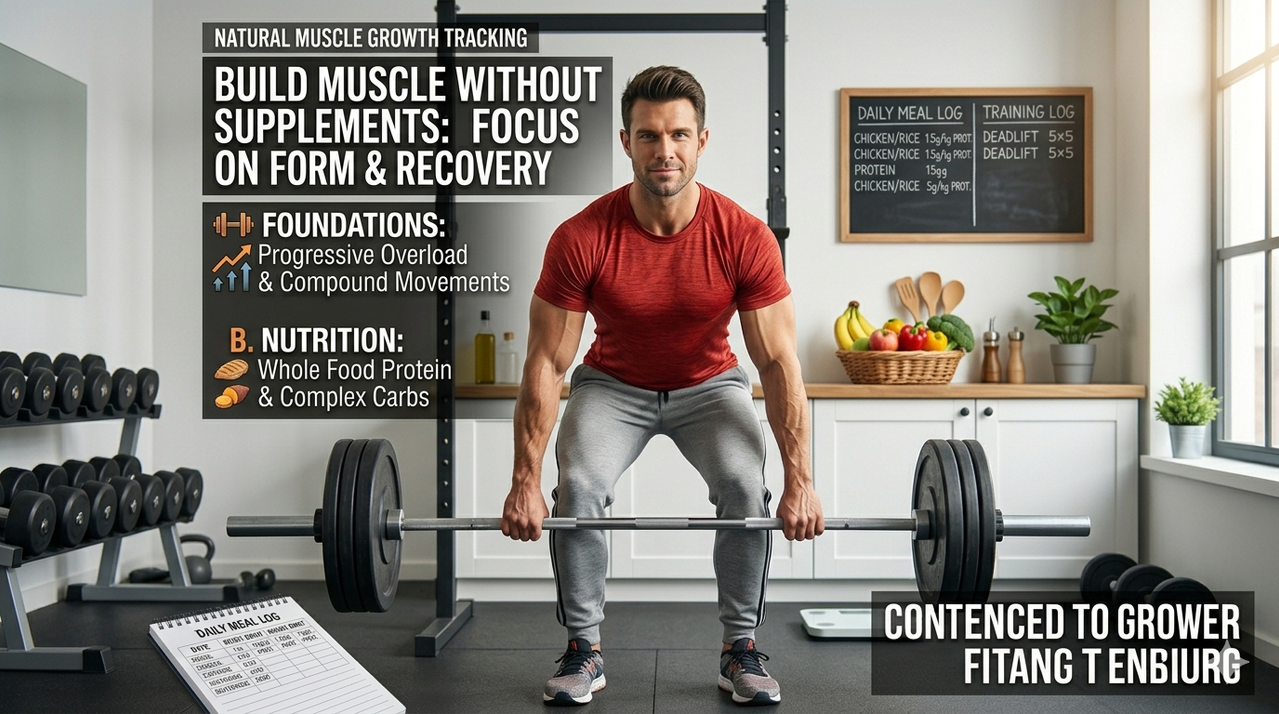
Without supplements, your training must be on point. Focus on compound lifts (squat, deadlift, bench press, rows, overhead press) and progressively overload by adding weight, reps, or sets weekly .
6.2. Recommended Training Frequency
Train each muscle group 2–3 times per week with 10–20 sets per week per muscle group. Full-body workouts 3x/week or upper/lower splits 4x/week are excellent choices .
6.3. Recovery Is Critical
Muscle growth happens during recovery, not in the gym. Aim for 7–9 hours of sleep nightly, take 1–2 rest days per week, and manage stress .
7. Common Myths About Supplements and Muscle Growth
7.1. Myth: "You need protein powder to get enough protein"
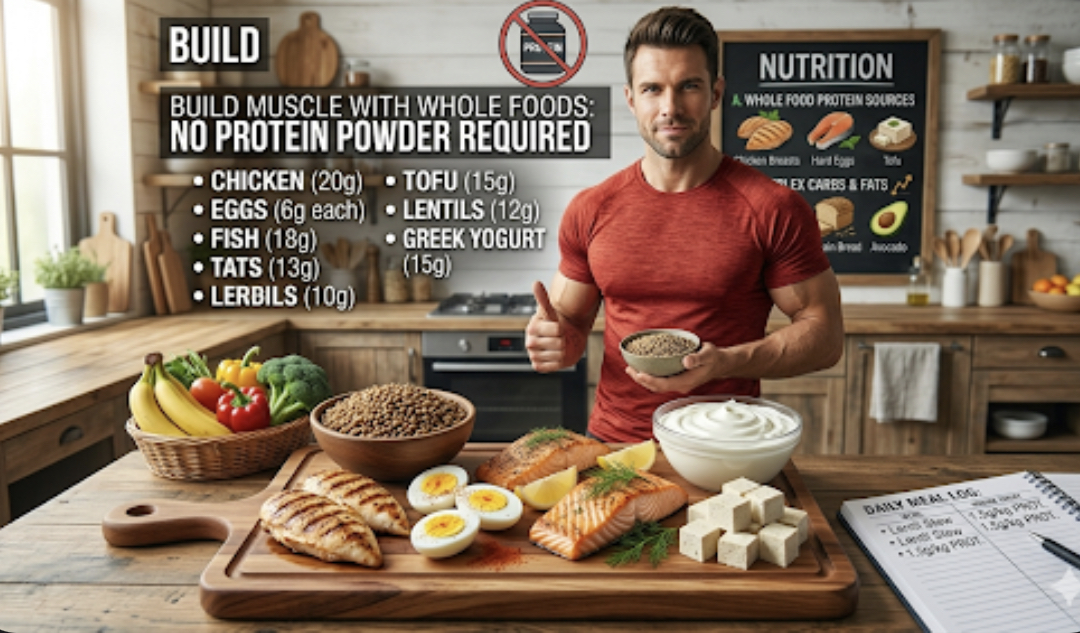
False. Whole foods like eggs, chicken, fish, Greek yogurt, tofu, and lentils can easily provide 1.6–2.2 g/kg body weight of protein daily . A balanced diet with 3–5 meals can meet these needs without powder.
7.2. Myth: "BCAAs are essential for muscle growth"
False. If you're eating adequate protein from whole foods, you're already getting all essential amino acids, including BCAAs. Research shows BCAAs alone are less effective than complete protein sources .
7.3. Myth: "Creatine is necessary for strength gains"
False. Creatine is one of the most researched supplements and can provide benefits, but it's not required. You can build significant strength and muscle without it through consistent training and nutrition .
7.4. Myth: "Pre-workout is needed for energy"
False. Adequate carbohydrate intake (from whole foods like oats, bananas, rice) and proper sleep provide all the energy needed for training. Pre-workout supplements are optional stimulants .
8. When Might Supplements Be Useful (Not Required)?
While not necessary, some supplements can offer convenience in specific situations:
- Convenience: Protein powder can help when whole food isn't available or convenient (travel, time constraints).
- Appetite issues: Some people struggle to eat enough whole food volume—liquid calories can help.
- Vegan athletes: Plant-based protein powders can help meet higher protein needs, though whole food options are sufficient.
- Advanced lifters: Creatine may provide marginal additional benefits, but is not essential.
9. Common Mistakes That Hinder Natural Muscle Growth
- Mistake #1: Not eating enough calories. Muscle requires energy. In a deficit, growth is limited.
- Mistake #2: Under-eating protein. Below 1.6 g/kg, muscle protein synthesis is suboptimal.
- Mistake #3: No progressive overload. Lifting the same weight = no growth stimulus.
- Mistake #4: Inconsistent training. Sporadic workouts disrupt the adaptation cycle.
- Mistake #5: Poor sleep and recovery. Growth happens during rest, not training.
- Mistake #6: Relying on supplements instead of fixing diet. Supplements can't compensate for a poor diet.
10. Frequently Asked Questions
Do you need supplements to build muscle?
No, you do not need supplements to build muscle. Whole foods, proper training, and recovery are sufficient for muscle growth. Supplements are optional conveniences.
Can you build muscle without protein powder?
Yes, absolutely. Whole food protein sources like eggs, chicken, fish, lean beef, Greek yogurt, tofu, and lentils provide all the protein needed for muscle growth.
How much protein do I need to build muscle naturally?
1.6–2.2 grams per kilogram of body weight daily. For a 75 kg person, that's 120–165 grams of protein from whole foods.
Is creatine necessary for muscle growth?
No. Creatine can provide a marginal benefit for some athletes, but it is not required. Consistent training and adequate nutrition are far more important.
Can vegans build muscle without supplements?
Yes. Vegans can build muscle using whole food protein sources like tofu, tempeh, seitan, lentils, chickpeas, edamame, quinoa, and hemp seeds. A well-planned vegan diet provides all essential amino acids.
How long does it take to see muscle growth naturally?
Beginners: 4–8 weeks. Intermediates: 8–12 weeks. Advanced: 12–16+ weeks. Consistency is key.
Do I need BCAAs if I'm eating enough protein?
No. If you're consuming adequate complete protein (from animal or plant sources), you're already getting all essential amino acids, including BCAAs. Research shows BCAAs alone are inferior to whole protein sources.
11. Related Resources
- How Much Weight Should You Add Each Week? Progressive Overload Guide
- Mind-Muscle Connection: How to Train Your Brain for Better Muscle Gains
- Why Your Muscles Look Smaller After a Workout (And How to Fix It Fast)
- Ectomorph Diet Guide: How to Eat 3000 Calories of Whole Foods for Muscle Gain
- How to Break Through a Squat Plateau Naturally and Increase Strength
12. Scientific References
- Morton, R. W., et al. (2018). A systematic review, meta-analysis and meta-regression of the effect of protein supplementation on resistance training-induced gains in muscle mass and strength in healthy adults. British Journal of Sports Medicine, 52(6), 376–384. PubMed
- Slater, G. J., et al. (2019). Is an Energy Surplus Required to Maximize Skeletal Muscle Hypertrophy Associated With Resistance Training? Frontiers in Nutrition, 6, 131. PubMed
- Helms, E. R., et al. (2014). Evidence-based recommendations for natural bodybuilding contest preparation. Journal of the International Society of Sports Nutrition, 11(1), 20. PubMed
- Schoenfeld, B. J., et al. (2017). Effects of Resistance Training Frequency on Measures of Muscle Hypertrophy: A Systematic Review and Meta-Analysis. Sports Medicine, 46(11), 1689–1697. PubMed
- Phillips, S. M. (2014). A brief review of higher dietary protein diets in weight loss: a focus on athletes. Sports Medicine, 44(Suppl 2), S149–S153. PubMed
- van Vliet, S., et al. (2015). Consumption of whole eggs promotes greater post-exercise muscle protein synthesis than consumption of isonitrogenous egg whites. American Journal of Clinical Nutrition, 102(6), 1528–1535. PubMed
- ACSM. (2021). Nutrition and Athletic Performance. Medicine & Science in Sports & Exercise, 53(3), 600–618. PubMed
Join the conversation