How to Break Through a Squat Plateau Naturally and Increase Strength
How to Break Through a Squat Plateau Naturally

🏋️ TL;DR
If you're stuck asking "why is my squat so weak?" you're not alone . Breaking through a squat plateau requires a systematic approach. First, diagnose the cause: neural fatigue from excessive heavy lifting , muscular weaknesses , or inadequate recovery and nutrition . Then, apply evidence-based solutions: use diagnostic lifts like pause squats and front squats to identify weak points , implement periodized programming (linear, wave, or block periodization) , manage intensity with Prilepin's chart-based protocols , and prioritize nutrition—specifically, timing carbohydrates for CNS recovery and consuming adequate protein . This guide provides a complete framework to diagnose your specific squat limitation and apply targeted interventions to finally push past that sticking point.
1. The Plateau Reality: Why Progress Stops
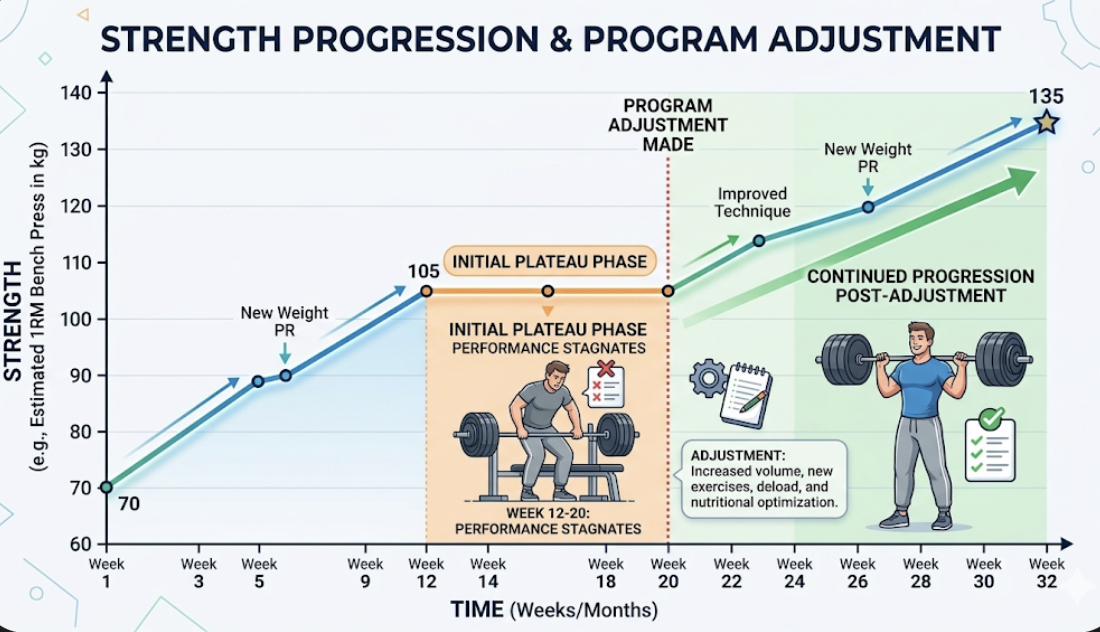
You've been adding weight to the bar session after session. Then, without warning, the progress stops. 315 pounds feels like 405. Your form crumbles. You grind out one rep instead of five. The squat plateau has arrived, and it's one of the most frustrating experiences in strength training.
The good news? Plateaus aren't permanent. They're signals that your body has adapted to your current training stimulus and needs a new challenge. As one expert notes, "Nothing works forever" . The key to learning how to break through a squat plateau naturally lies in systematic diagnosis and strategic programming adjustments—not simply trying harder. This guide provides the evidence-based framework to identify your specific limiting factor and apply the right intervention.
2. The Diagnostic Phase: Identify Your Weak Link
Before you can fix your squat, you need to know why it's stuck. Think of your squat as a complex machine with multiple moving parts—when one component fails, the entire system grinds to a halt . Here's how to diagnose the specific factor limiting your progress.
2.1. The Diagnostic Lifts
Smart programming begins with honest assessment . Use these three variations to identify your weak points:
- Pause Squat (2-count at bottom): This eliminates the stretch reflex and forces you to rely purely on strength and positioning. If you struggle to rise from the bottom with hips shooting up or chest falling, your issue may be poor bracing, upper back strength, or hip mobility .
- Front Squat: The front squat demands greater upper back strength and core stability. If your front squat is less than 60% of your back squat, or if you consistently notice your chest falling during the lift, you've identified a clear area for improvement .
- Bulgarian Split Squat: This unilateral exercise reveals imbalances between legs and stability issues that might not be apparent during bilateral squats .
2.2. Common Physical Factors
A significant culprit behind weak squats is muscle imbalances . For squatters, dominant quads paired with weak hamstrings and glutes often lead to ineffective performance. This imbalance not only limits power generated during the ascent but also causes poor form and increased injury risk .
Mobility and flexibility issues are also cornerstones of achieving proper depth and maintaining the right posture. Restrictions in the ankle, hip, or thoracic spine can all lead to compensatory movements that weaken the squat .

3. Neural Fatigue: The Overlooked Culprit
3.1. Understanding CNS Fatigue
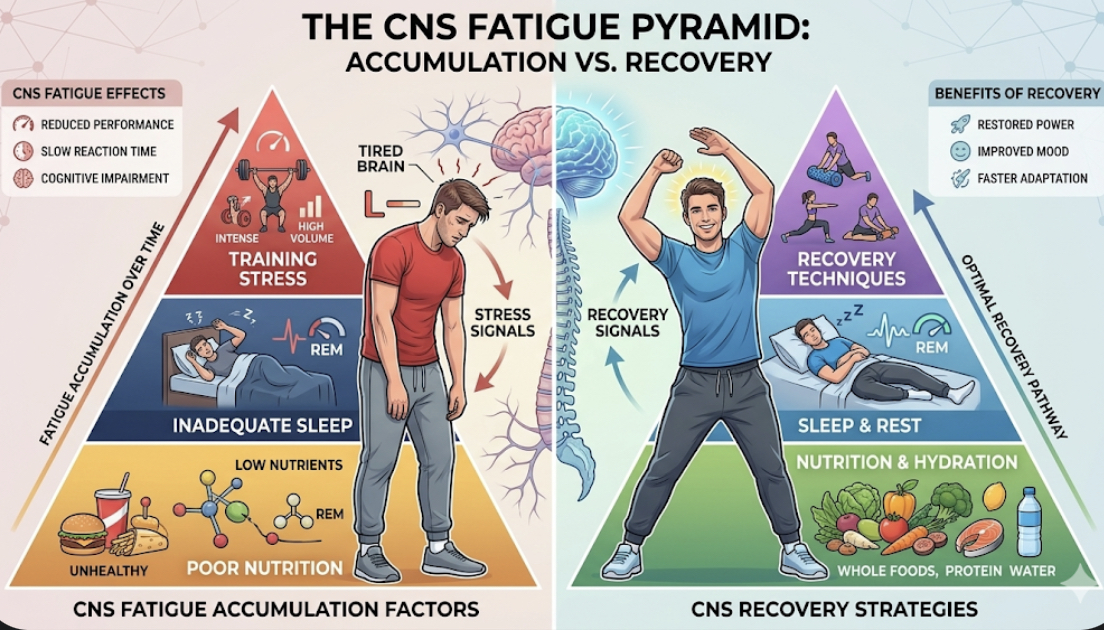
When you constantly train with heavy loads across all your major lifts, your nervous system accumulates stress that can't be recovered from with simple rest between sessions. This type of fatigue manifests as weights feeling heavier than they should, decreased coordination, and an overall sense that your strength has mysteriously disappeared overnight .
Your Central Nervous System (CNS) is the determining factor in how forceful and coordinated your muscle contractions can be. As Juggernaut Training Systems explains, "Your body (glass) has a finite amount of resources (water) and when those resources get used up, you must replace them" .
3.2. Signs of CNS Fatigue
- Feeling unusually tired, decreased motivation
- Higher susceptibility to injury
- Weights feeling significantly heavier than usual
- Decreased coordination and "jumpiness"
3.3. Caffeine: A Double-Edged Sword
Caffeine immediately prior to max effort lifting can be beneficial—"it's like a steroid" for performance . However, continual daily use of caffeine can lead to adrenal fatigue and diminished ability to react in fight-or-flight situations. When caffeine isn't necessary for a workout, consider tea or an apple instead .
4. Programming Solutions: The Five Pillars
Understanding how to manipulate the fundamental variables of training gives you the tools to systematically address plateaus .
4.1. Volume: The Foundation of Strength
Volume represents the total amount of work performed. For strength development, we're primarily concerned with work performed at 65% of your one-rep max and above . There are three primary approaches to manipulating volume:
- Linear approach: Gradually increase volume over 3-6 weeks, then change variations and repeat .
- Step or undulating approach: Planned fluctuations in volume (high, medium, low days) within each week .
- Wave approach: 3-4 week blocks where volume increases each week before dropping back to baseline .
4.2. Intensity: The Neural Driver
Intensity, measured as a percentage of your one-rep max, provides the specific neural stimulus for maximal strength development . Regular exposure to weights at 90% or higher serves multiple purposes beyond simply getting stronger .
Based on Prilepin's chart and protocols from Gym Jones, here are proven intensity protocols for breaking plateaus :
- 5×3 @ 80% 1RM: Rest 3 minutes between sets. Least CNS demand, moderate stimulus.
- 6×2 @ 85% 1RM: Rest 4 minutes between sets.
- 4×4 @ 80% 1RM: Rest 4 minutes between sets.
- 6×1 @ 90% 1RM: Rest 5 minutes between sets. Most CNS demand, highest stimulus .
4.3. Frequency: Finding Your Sweet Spot
Frequency determines how often you squat throughout the week. For most intermediate to advanced lifters, 2-3 squat sessions per week represents the sweet spot—allowing sufficient practice and volume while maintaining the ability to train with appropriately heavy loads .
As one trainer notes, if you've been stuck with the same weight for over 4 weeks, try adding another squat session every 3 days to double the metabolic damage and stimulus .
4.4. Variation: Strategic Movement Selection
Intelligent variation selection can address specific weaknesses . Distinguish between "testers" and "builders":
- Testers: Movements that move in direct proportion to squat strength (e.g., front squat, pause squat). These help gauge whether your training is working .
- Builders: Exercises that contribute to squat strength when trained consistently but may not show linear improvement themselves (e.g., safety squat bar, box squats, tempo squats) .
4.5. Rest and Deloads
As you accumulate training volume, fatigue builds. There comes a point where performance really suffers . Options include:
- Complete rest week: Take 5-7 days off completely. This allows your body to rest, repair, and recover .
- Deload approach: Use 40-60% of normal weights, reduce reps, and focus on form. Schedule a deload every 4-6 weeks .
Linear Periodization Case Study
A 31-year-old lifter stuck at a 130kg squat for two years followed Brad Schoenfeld's Modified Linear Periodized Programme. After a 6-week strength mesocycle, his squat increased to 140kg—a 10kg gain—demonstrating the power of structured programming over random training .
5. Nutrition: Fueling Strength Gains
5.1. The CNS and Carbohydrates
If you need to be really strong on Wednesday, eat a lot of carbs on Tuesday night for dinner. Pre-existing glycogen in the muscle cell allows the muscle to contract quicker and utilize the glycolytic pathway more readily .
Important timing considerations :
- Avoid carbs within 90 minutes of training: Carbs induce insulin release, activating the parasympathetic nervous system (rest/digest) and sending blood to the digestive tract rather than extremities.
- Consume carbs during training: Once you're in a sympathetic nervous state (15+ minutes into workout), consuming carbohydrates is proven to increase training endurance and aggression while preventing fatigue .
5.2. Key Nutrients for CNS Recovery
Three chemicals have been heavily studied in connection with CNS function and regeneration :
- Serotonin: A large carbohydrate serving the night before training increases serotonin, allowing you to sleep more soundly and release more IGF throughout the night .
- Tyrosine: Found in eggs (1904mg/egg), salmon (1774mg/serving), buffalo, and shrimp. Tyrosine increases neurotransmitter number and is a precursor of noradrenaline and dopamine .
- Choline: Required to create Acetylcholine, the most essential neurotransmitter for muscular force. Eggs contain 1388mg of choline per egg .
5.3. Protein and Calories
Strength development is as much about nutrition as training. Insufficient caloric intake or inadequate protein can affect muscle repair and growth . The old standby of 1g protein per pound body weight ensures you have enough to build muscle .
5.4. Sample 3500-Calorie Squat-Breaker Day
- Breakfast (7:00 AM): 3 whole eggs + 2 slices whole-grain toast + 1 cup oatmeal with berries (700 kcal, 35g protein)
- Morning Snack (10:00 AM): 1 cup Greek yogurt + 1 oz almonds + 1 apple (400 kcal, 20g protein)
- Lunch (1:00 PM) – Large carb serving: 200g salmon + 2 cups cooked rice + roasted vegetables (800 kcal, 45g protein)
- Pre-Training (4:00 PM): Small coffee (if desired), no carbs within 90 min of training
- Intra-Training (6:00 PM): Carbohydrate drink (Gatorade or homemade) + BCAA/creatine
- Post-Training Dinner (8:00 PM): 250g lean beef + 2 large sweet potatoes + large salad (900 kcal, 55g protein)
- Evening Snack (10:00 PM): 1 cup cottage cheese + 1 tbsp peanut butter (300 kcal, 25g protein)
- Total: ~3,500 kcal, ~200g protein
5.5. Vegan/Vegetarian Adaptations
- Tyrosine sources: Tofu, tempeh, pumpkin seeds, soybeans
- Choline sources: Soy lecithin, broccoli, quinoa, peanuts
- High-calorie options: Pea protein shakes with oats and nut butters
- Pre-sleep protein: Pea or hemp protein with almond milk
6. Strategic Accessory Work
While squat variations form the backbone of your program, targeted accessory work addresses the muscular and movement pattern deficiencies that often create plateaus . Think of accessory work as the supporting cast that allows your main lift to shine .
6.1. For Weak Hamstrings and Glutes
- Romanian Deadlifts: Strengthen hamstrings and glutes for improved hip drive out of the bottom .
- Hip Thrusts: Target glute activation for lockout strength .
6.2. For Upper Back Weakness
- Barbell Rows: Build upper back strength to maintain chest position during heavy squats.
- Face Pulls: Strengthen rear delts and external rotators for better bar stability.
6.3. For Core Stability
- Plank variations and leg raises: Enhance stability and bracing .
7. Recovery: The Missing Link
7.1. Sleep
Sleep is one of the most underrated aspects of strength development . Guidelines suggest 8 hours per night, but a minimum of 7 hours on nights before intense training is crucial .
7.2. Environmental Factors
Recent attention has focused on xenoestrogens—environmental chemicals that throw off normal body chemistry. Parabens in grooming products and phthalates in plastics can be stored in body fat and affect recovery. Switch to glass containers for storing and heating food, and wash produce thoroughly .
8. Common Squat Plateau Mistakes
- Mistake #1: Constantly grinding at 90%+. This leads to persistent fatigue and decreased performance. Live in the 70-80% world for a while .
- Mistake #2: Training to failure on every set. When you take muscles to complete failure every session, they cannot recover fully. Stimulate, don't annihilate .
- Mistake #3: Trying to cut weight while building strength. One lifter spent years stuck at 230lbs because he "wanted to stay lean." When he finally committed to eating enough, he blew past his plateau to 260lbs in weeks .
- Mistake #4: Random programming. If you're not following a well-structured program, you're going to plateau sooner or later .
- Mistake #5: Ignoring individual fatigue plateaus. Research shows that when a fatigue plateau is reached (no further drop in force output), subsequent sets do not increase muscle activation . Know when to stop.
9. Related Resources
10. Scientific References
- Torokhtiy, O. (2024). Why Is My Squat So Weak? 6 Possible Reasons Explained. Torokhtiy Weightlifting. View Source
- Parker, R. (2018). Live case study of Brad Schoenfeld's Modified Linear Periodised Programme for Loading. Human Kinetics Blog. View Source
- Winkler, N. (2013). PR Smashing Nutrition. Juggernaut Training Systems. View Source
- Physical Fitness Stack Exchange. (2017). How to break through a strength plateau. Stack Exchange. View Source
- Smitley, B. (2025). Breaking Plateaus: Programming For Squat PRs. THIRST. View Source
- Starting Strength Forums. (2017). Squat Plateau or Just A Bad Workout? Starting Strength. View Source
- Trainerize.me. (2017). 5 Reasons Why Everything Seems to Stop Working. Trainerize.me. View Source
- Saleh, R. (2016). CrossFitters: Stuck In a Strength Rut? Implement These Strategies. Breaking Muscle. View Source
- Starting Strength Forums. (2018). Breezing past previous plateaus. Starting Strength. View Source
- Dialnet. (2015). Muscle Activation Does Not Increase After a Fatigue Plateau Is Reached During 8 Sets of Resistance Exercise in Trained Individuals. Dialnet. View Source
Join the conversation