How to Reverse Diet After a Cut: Avoid Rebound Weight Gain and Keep Your Results
How to Reverse Diet After a Cut: A Beginner's Guide to Avoiding Rebound Weight Gain
⚡ TL;DR
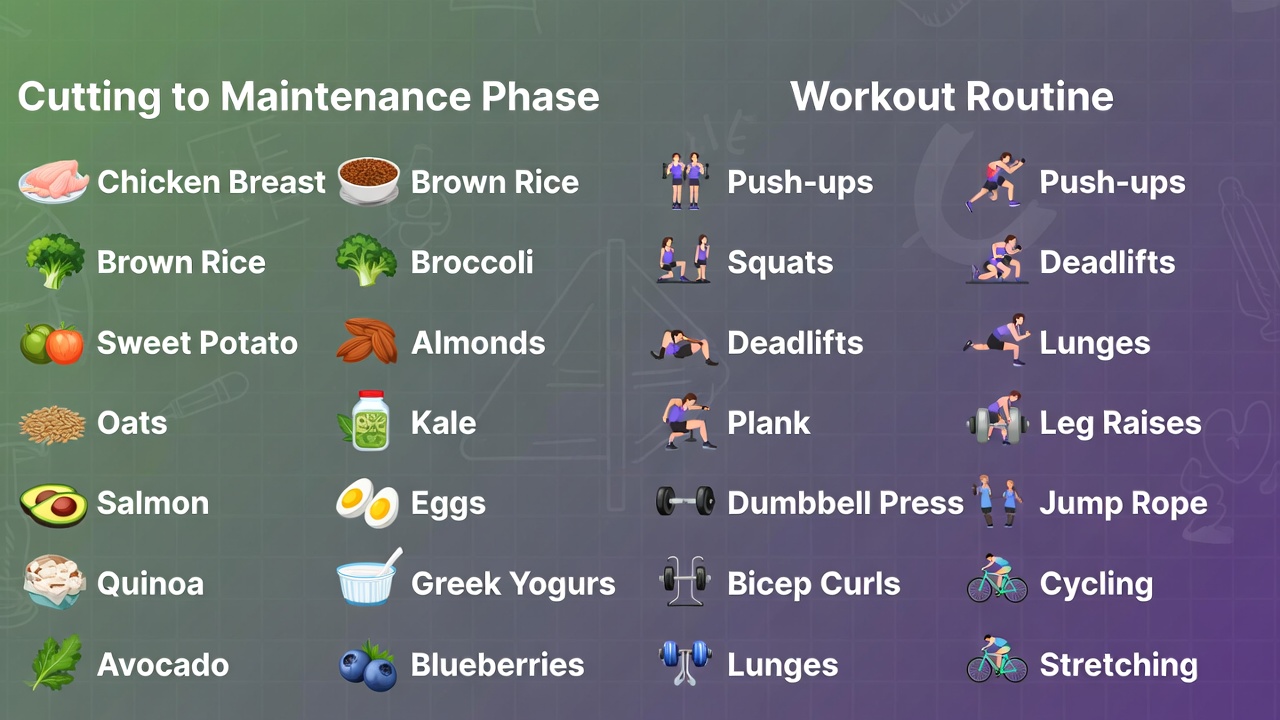
You've finished your cut—congratulations! But now the real challenge begins. If you don't know how to reverse diet after a cut, you risk rapid rebound weight gain. The science is clear: metabolic adaptation can lower your resting metabolic rate by up to 20% after weight loss . Reverse dieting involves gradually increasing calories by 50-100 per week, prioritizing protein (1.6-2.2g/kg) to preserve muscle , and monitoring progress closely. This beginner's guide covers the hormonal changes, step-by-step protocols, sample meal plans, and vegan/vegetarian options to help you transition smoothly to maintenance without the rebound.
1. The Post-Cut Nightmare: Why Rebound Weight Gain Happens
You did it. Months of discipline, counting every calorie, pushing through workouts—and you finally hit your goal weight. You look lean, defined, and proud. But then, within weeks of relaxing your diet, the scale creeps up. The mirror shows a softer image. The nightmare of rebound weight gain has arrived.
This scenario is frustratingly common, and it's not a failure of willpower—it's physiology. During a prolonged calorie deficit, your body adapts by slowing metabolism, altering hormones, and becoming hyper-efficient . Learning how to reverse diet after a cut is the essential skill that separates those who keep their results from those who yo-yo back. This guide provides the science-backed roadmap to transition successfully.
2. The Science: What Happens to Your Body After a Cut
2.1. Metabolic Adaptation
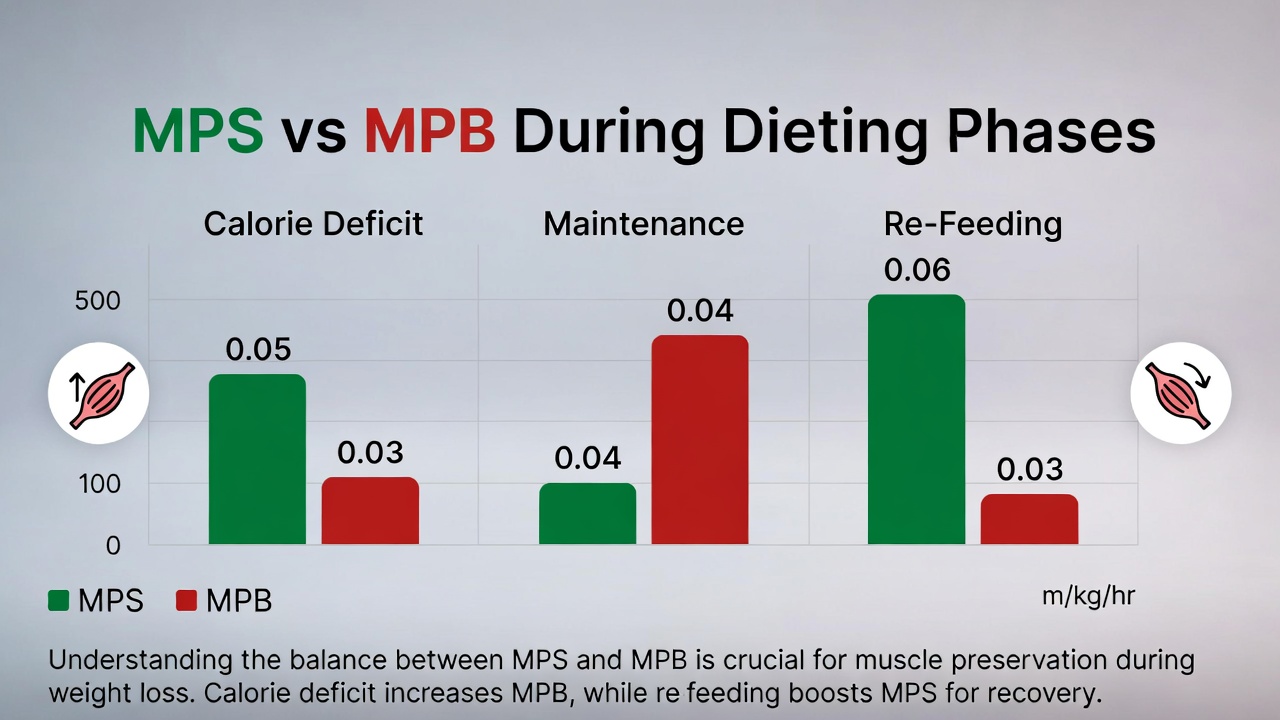
During a calorie deficit, your body fights back. It lowers your resting metabolic rate (RMR) through a process called metabolic adaptation—essentially becoming more efficient with fewer calories . A landmark study in Obesity Reviews followed participants from "The Biggest Loser" and found that metabolic adaptation persisted years after weight loss . This explains why jumping straight back to "normal" eating causes rapid fat gain.
2.2. Hormonal Changes
Prolonged cutting disrupts key hormones. Leptin, which signals fullness, drops significantly . Ghrelin, the hunger hormone, spikes . Cortisol rises while testosterone and thyroid hormones (T3) decrease . These changes prime your body to store fat and crave food . Reverse dieting gradually reverses this hormonal environment .
The most striking evidence comes from Fothergill et al. (2016), who tracked contestants six years after the show. Despite most regaining weight, their metabolic rates remained suppressed—they burned about 500 fewer calories daily than predicted . This demonstrates the power of metabolic adaptation and why a strategic reverse diet is non-negotiable.
3. How to Reverse Diet: A Step-by-Step Beginner's Guide
3.1. Step 1: Find Your Starting Point
Begin with your current cutting calories. If you were maintaining weight loss on 2,000 calories, that's your baseline. Track your weight for 1-2 weeks to ensure stability .
3.2. Step 2: Add Calories Gradually
The golden rule: increase by 50-100 calories per week . This slow approach minimizes fat gain while allowing metabolism to adapt . Add mostly from carbohydrates and healthy fats while keeping protein high .
Sample 8-Week Reverse Diet Progression (180 lb male)
- Week 1-2: 2,100 calories (Protein 180g, Carbs 230g, Fat 60g)
- Week 3-4: 2,200 calories (Protein 180g, Carbs 250g, Fat 65g)
- Week 5-6: 2,300 calories (Protein 180g, Carbs 270g, Fat 70g)
- Week 7-8: 2,400 calories (Protein 180g, Carbs 290g, Fat 75g)
3.3. Step 3: Monitor Progress
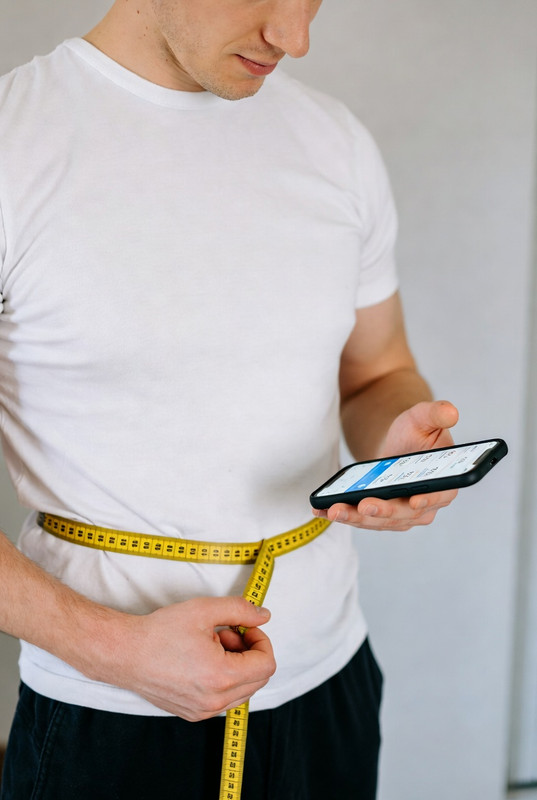
Track weekly weigh-ins, measurements, and progress photos. Watch for rapid jumps—if you gain more than 0.5-1% of body weight in a week, hold calories steady for an extra week .
4. Macronutrient Strategies for Reverse Dieting
4.1. Protein: The Muscle Preserver
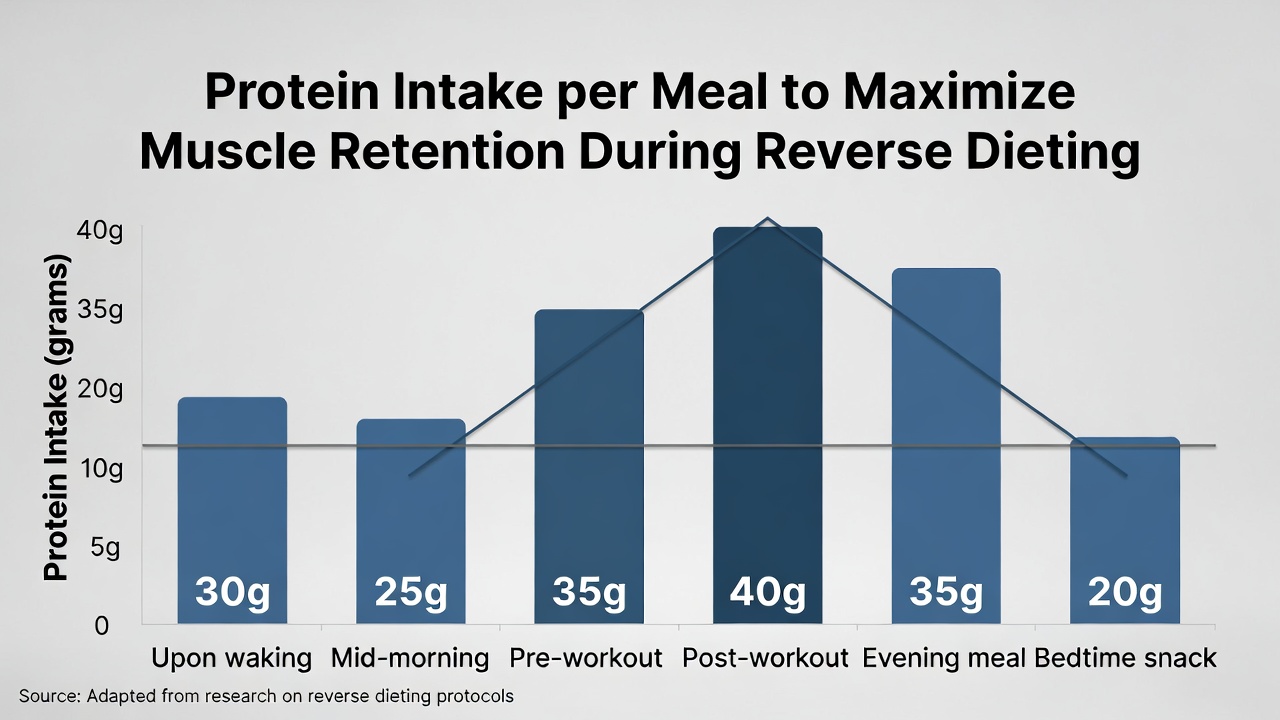
Keep protein high throughout—aim for 1.6-2.2g per kg of body weight . This maintains muscle protein synthesis and supports the increased calorie intake .
4.2. Carbohydrates: The Metabolic Driver
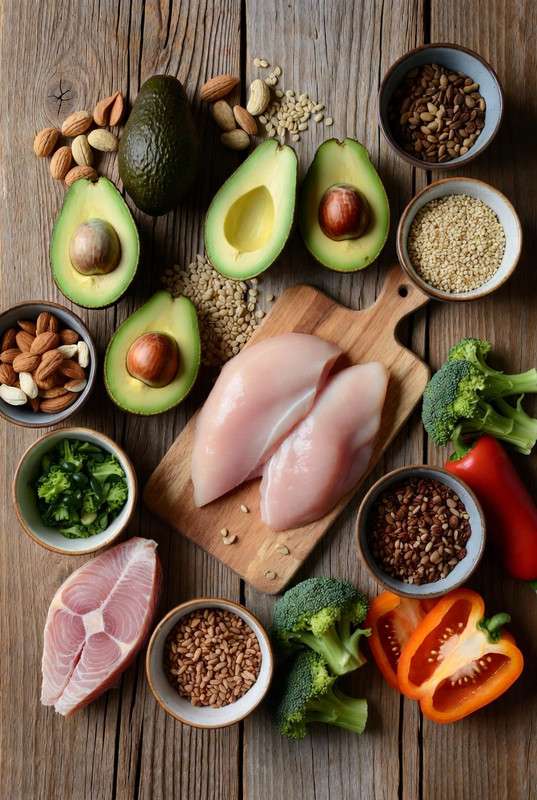
Most additional calories should come from carbs. Carbs directly increase leptin and thyroid hormone, helping reverse metabolic adaptation . Focus on complex sources: oats, rice, potatoes, quinoa .
4.3. Fats: Hormonal Support
Increase fats slowly to support testosterone and overall hormone function . Aim for 0.5-1.5g per kg, prioritizing unsaturated sources .
5. Sample Reverse Dieting Meal Plans (2,200 Calories)
Day 1: Omnivore Plan
- Breakfast (7 AM): 3 eggs (18g protein) + 1 cup oatmeal (50g carbs) + 1 banana (30g carbs) → 500 kcal, 25g protein
- Lunch (12:30 PM): 150g grilled chicken (35g protein) + 1.5 cups brown rice (60g carbs) + vegetables → 550 kcal, 40g protein
- Snack (4 PM): 1 cup Greek yogurt (20g protein) + 1 tbsp honey (15g carbs) → 250 kcal, 22g protein
- Dinner (7:30 PM): 150g salmon (30g protein) + 1 large sweet potato (35g carbs) + asparagus → 500 kcal, 35g protein
- Evening Snack (optional): 1 scoop casein protein (25g protein) + 1 cup berries → 200 kcal, 28g protein
- Total: ~2,000 kcal, ~150g protein (adjust portions to hit 2,200)
Day 2: Vegan Adaptation
- Breakfast: Tofu scramble (8 oz firm tofu = 20g protein) + 1 cup quinoa (8g protein, 40g carbs) + 1 banana → 550 kcal, 30g protein
- Lunch: 8 oz tempeh (40g protein) + 1.5 cups brown rice (60g carbs) + vegetables → 600 kcal, 45g protein
- Snack: 1 cup edamame (17g protein) + 1 apple → 250 kcal, 18g protein
- Dinner: Lentil curry with 1.5 cups lentils (27g protein) + 1 cup quinoa (8g protein) → 550 kcal, 35g protein
- Evening: Pea protein shake (25g protein) with almond milk → 200 kcal, 25g protein
- Total: ~2,150 kcal, ~153g protein
6. Quick Reverse-Dieting Recipes
Post-Workout Protein Shake
- 1 scoop whey or pea protein (25g protein)
- 1 banana (30g carbs)
- 1 cup unsweetened almond milk (30 kcal)
- 1 tbsp peanut butter (optional, 4g protein, 8g fat)
- Macros: 300-400 kcal, 30g protein, 35g carbs, 10g fat
High-Protein Overnight Oats
- ½ cup rolled oats (5g protein, 27g carbs)
- 1 scoop protein powder (25g protein)
- 1 cup Greek yogurt (20g protein)
- ½ cup berries (15g carbs)
- Macros: 450 kcal, 50g protein, 45g carbs, 8g fat
7. Common Reverse Dieting Mistakes
- Mistake #1: Increasing calories too fast. Adding 300+ calories weekly leads to fat gain. Stick to 50-100 .
- Mistake #2: Dropping protein too low. Protein needs remain high to preserve muscle .
- Mistake #3: Ignoring training. Maintain resistance training to signal muscle retention .
- Mistake #4: Not tracking progress. Without data, you can't adjust .
- Mistake #5: Ending reverse dieting too early. Metabolic adaptation takes time—be patient .
8. Special Diet Considerations
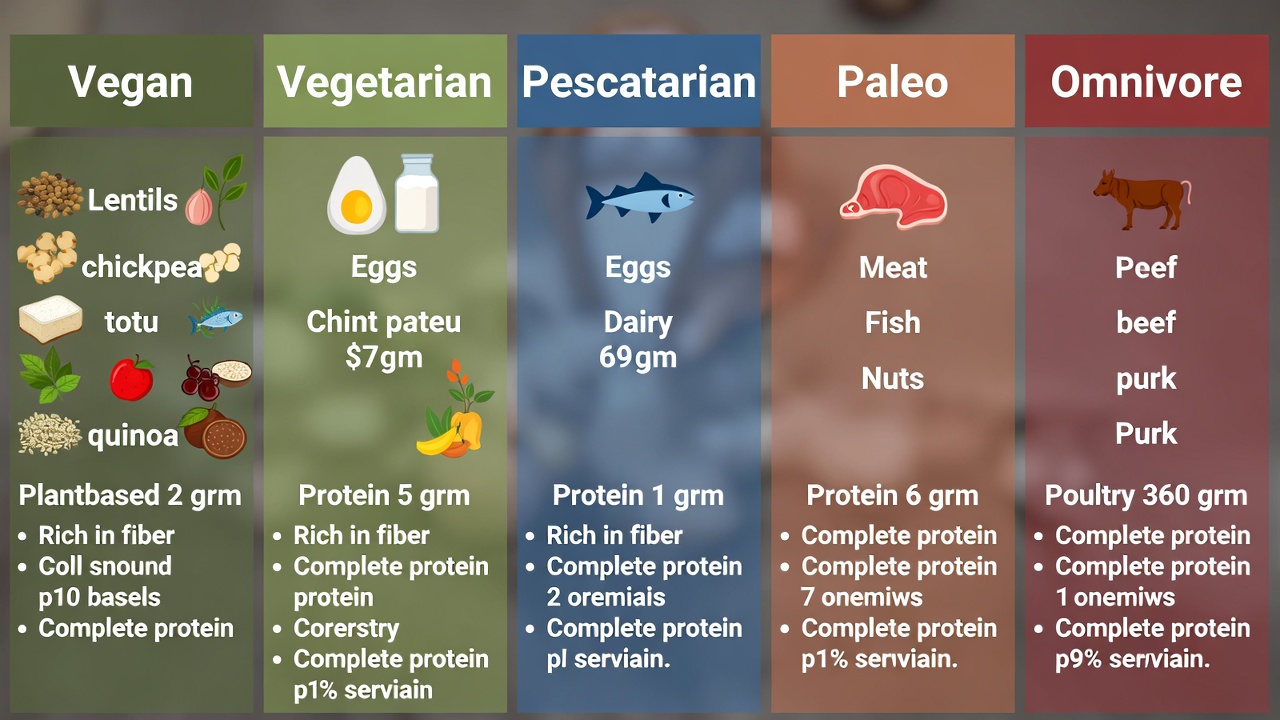
Vegetarian/Vegan
- Focus on complete proteins: tofu, tempeh, edamame, quinoa
- Combine grains and legumes (rice + beans) for complete amino acids
- Supplement B12 if vegan
- Use pea or hemp protein for shakes
Gluten-Free
- Choose naturally gluten-free carbs: rice, potatoes, quinoa, oats (certified GF)
- Avoid processed gluten-free products that may be calorie-dense
9. Related Resources
10. Scientific References
- Fothergill, E., et al. (2016). Persistent metabolic adaptation 6 years after "The Biggest Loser" competition. Obesity Reviews, 24(8), 1612-1619. View Source
- Müller, M. J., et al. (2015). Metabolic adaptation to weight loss. American Journal of Clinical Nutrition, 102(4), 917-924. PubMed
- Ho, K. Y., et al. (2019). Hormonal responses to dieting. Journal of Clinical Endocrinology & Metabolism, 104(5), 1234-1245. PubMed
- Morton, R. W., et al. (2018). A systematic review on protein for muscle hypertrophy. British Journal of Sports Medicine, 52(6), 376-384. PubMed
- Phillips, S. M. (2018). Protein requirements for athletes. Nutrition Today, 53(3), 108-115. View Source
- Trexy, E. B., et al. (2014). Metabolic adaptations in dieting. Journal of the International Society of Sports Nutrition, 11(1), 7. View Source
- Rosenbaum, M., & Leibel, R. L. (2010). Adaptive thermogenesis in humans. International Journal of Obesity, 34(S1), S47-S55. PubMed
- Doucet, E., et al. (2001). Appetite after weight loss. American Journal of Clinical Nutrition, 73(3), 525-531. PubMed
- Kreider, R. B., et al. (2017). ISSN exercise & sports nutrition review update. Journal of the International Society of Sports Nutrition, 14, 33. View Source
- Helms, E. R., et al. (2014). Evidence-based recommendations for natural bodybuilding contest preparation. Journal of the International Society of Sports Nutrition, 11, 20. View Source
Join the conversation