How to Stay Full on a Budget: Beans & Lentils for Affordable Nutrition
How to Stay Full on a Budget: The Power of Beans and Lentils

🥣 TL;DR
Learning how to stay full on a budget using the power of beans and lentils is one of the most effective nutrition strategies available. Legumes have a unique nutritional profile combining protein, fiber, and slowly digestible carbohydrates that creates a "second meal effect"—they keep you full not just after eating, but at your next meal too . The fiber in beans ferments in your gut, producing compounds that slow gastric emptying and signal satiety to your brain . A single cup of cooked lentils provides 18g protein and 16g fiber for around $0.20 . This guide covers the science of satiety, budget-friendly recipes (including Black Bean Lentil Soup with 16g protein), meal prep strategies, and tips to minimize digestive discomfort.
1. The Satiety Secret That Costs Pennies
You know the feeling: an hour after a meal, you're hungry again. Your stomach growls, your energy crashes, and you reach for snacks that blow your budget and your diet. What if there were foods that could keep you full for hours—even until your next meal—without costing a fortune?
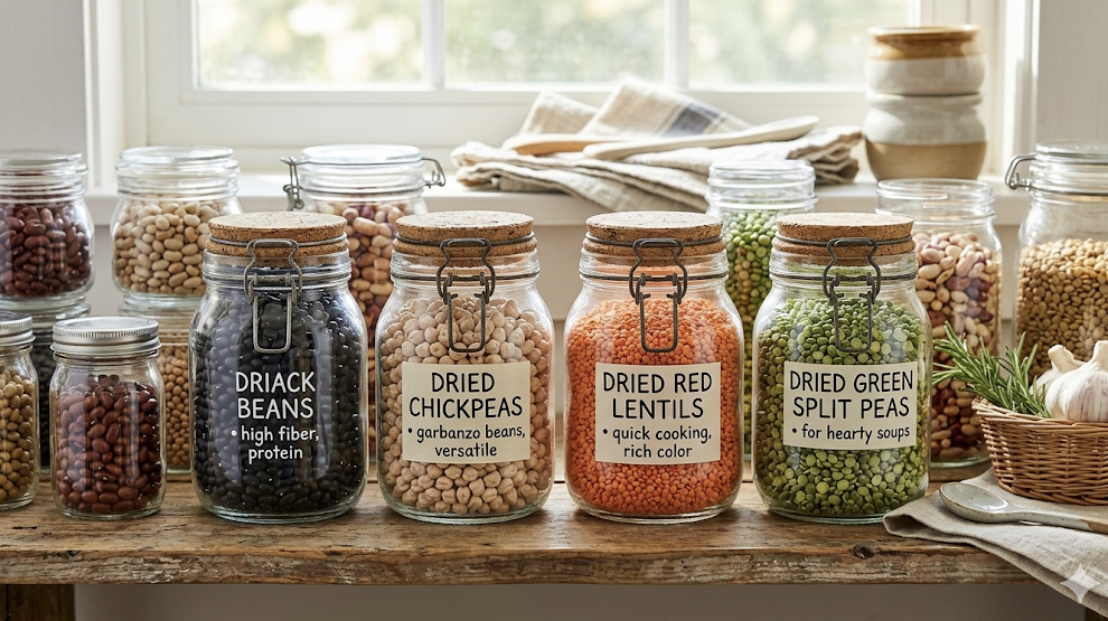
There are. They're called legumes: beans, lentils, chickpeas, and peas. The power of beans and lentils to promote fullness is so well-documented that researchers have coined a term for it: the "second meal effect" . Eating them at one meal actually reduces your appetite and stabilizes your blood sugar at the next. And at less than $1.50 per pound dried, they're the ultimate budget-friendly superfood. This guide shows you exactly how to stay full on a budget by harnessing this nutritional magic.
2. The Science: How Beans and Lentils Keep You Full
2.1. The Unique Nutritional Profile
Legumes have a trifecta of satiety-promoting nutrients: protein, fiber, and slowly digestible carbohydrates . According to NIH data, a single cup of cooked lentils provides 18 grams of protein and 16 grams of fiber—nearly two-thirds of the daily recommended fiber intake for women . Black beans deliver 15 grams of both protein and fiber per cup . This combination slows digestion dramatically.
2.2. The Second Meal Effect
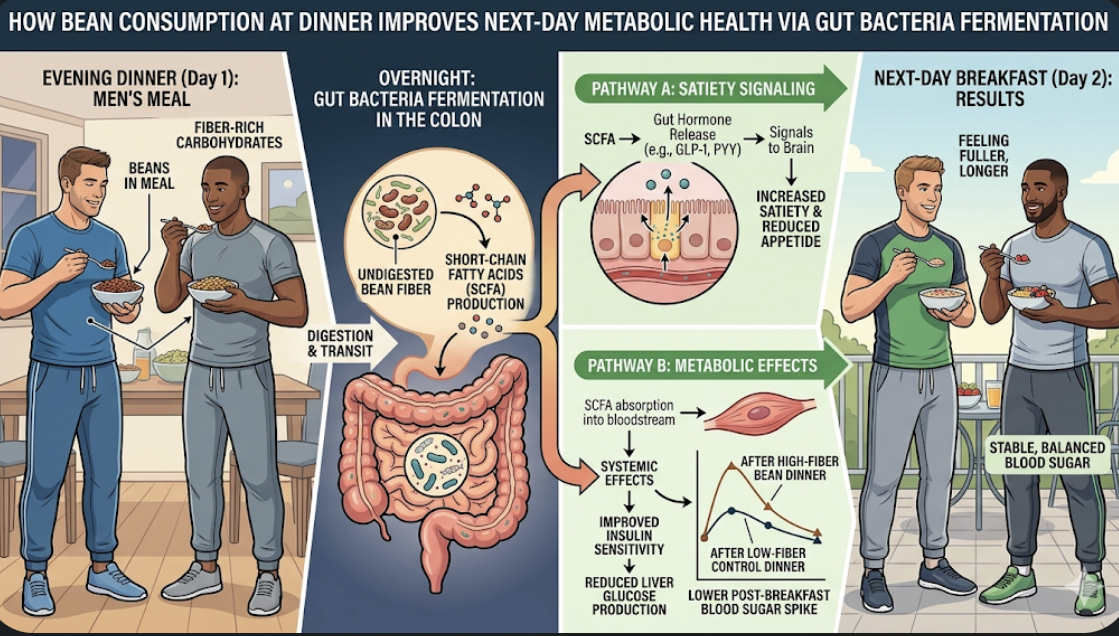
The most fascinating aspect of legumes is what scientists call the "second meal effect" . Here's how it works: during digestion of beans and lentils, your gut bacteria ferment the fiber and resistant starch, producing short-chain fatty acids. These compounds actually slow gastric emptying and moderate your glycemic response to your next meal . In other words, that lentil soup you ate for lunch helps you feel fuller and keeps your blood sugar steadier at dinner .
2.3. Low Glycemic Index
Beans and lentils have among the lowest glycemic index scores of any carbohydrate-containing foods—typically ranging from 29 to 48 . This means they cause a slow, steady rise in blood sugar rather than a spike and crash. Stable blood sugar means stable energy and fewer cravings between meals .
3. Nutritional Showdown: Beans vs. Lentils
Both beans and lentils are nutritional stars, but they have slightly different strengths. The table below compares common varieties based on 1 cup cooked servings .
| Legume (1 cup cooked) | Calories | Protein (g) | Fiber (g) | Iron (mg) | Folate (μg) |
|---|---|---|---|---|---|
| Lentils (brown/green) | 226 | 18 | 16 | 6.6 | 358 |
| Black Beans | 227 | 15 | 15 | 3.6 | 256 |
| Chickpeas | 269 | 15 | 13 | 4.7 | 282 |
| Kidney Beans | 225 | 15 | 11 | 5.2 | 230 |
| Pinto Beans | 245 | 15 | 15 | 3.6 | 294 |
| Navy Beans | 255 | 15 | 19 | 4.3 | 255 |
Lentils have a slight edge in protein and cook faster (20-30 minutes vs. 1-2 hours for dried beans). Beans offer more variety in texture and are slightly higher in fiber overall . The best approach? Eat both .
4. Budget-Friendly Recipes Packed with Protein and Fiber
4.1. Protein-Packed Black Bean and Lentil Soup
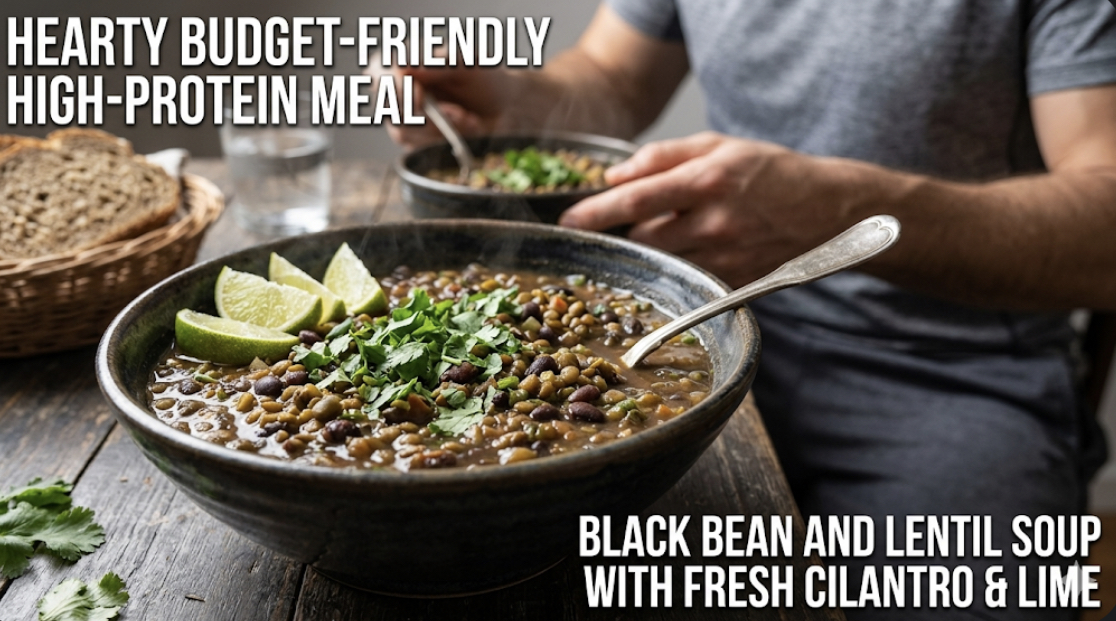
This hearty soup combines two legumes for maximum satiety. Each serving provides 16g protein and 14g fiber for under $1.50 .
- Ingredients: 1 tbsp olive oil, 1 onion chopped, 2 carrots chopped, 2 celery stalks chopped, 3 cloves garlic minced, 1 tsp cumin, 1 tsp smoked paprika, 1 tsp chili powder, 2 tbsp tomato paste, 2 cans black beans (drained), 1 cup brown lentils, 1 can diced tomatoes, 6 cups vegetable broth
- Instructions: Sauté vegetables in oil for 5-7 minutes. Add garlic and spices, cook 1 minute. Add tomato paste, then beans, lentils, tomatoes, and broth. Simmer 30-35 minutes until lentils tender. Finish with lime juice .
- Yield: 6 servings | Prep time: 10 min | Cook time: 35 min
4.2. Spinach, Lentil, and Butter Bean Soup
A nutrient-dense soup with warming spices, perfect for meal prep. Per serving: 12g protein, 12g fiber .
- Ingredients: 1 tbsp olive oil, 1 onion diced, 3 cloves garlic, 1 cup green/brown lentils, 4 cups vegetable broth, 1 can butter beans, 4 cups fresh spinach, 1 tsp cumin, ½ tsp smoked paprika, ½ tsp turmeric
- Instructions: Sauté onion and garlic. Add lentils, broth, and spices. Simmer 20-25 min. Add beans and spinach, cook 5 min more. Season with salt, pepper, and lemon .
- Yield: 4 servings | Total time: 40 min
4.3. Hearty Lentil Vegetable Chili
This chili uses lentils instead of beans and is packed with vegetables. Per serving: 15.5g protein, 14.5g fiber .
- Ingredients: 1 tbsp olive oil, 2 cups onion, 2 cups bell peppers, 1 jalapeño, 1 tbsp garlic, 1 tbsp cumin, 2 tbsp chili powder, 1 tsp paprika, 1 tsp cinnamon, 28 oz crushed tomatoes, 2 cups broth, 3 cups water, 16 oz dried green lentils, 2 cups cubed sweet potatoes
- Instructions: Sauté vegetables. Add spices, then tomatoes, broth, water, lentils, and sweet potatoes. Simmer 30 min until lentils and potatoes are tender .
- Yield: 8 servings | Calories: 300 per serving
5. Meal Prep: Cook Once, Eat All Week
5.1. The Sunday Bean Prep
Set aside 90 minutes on Sunday to prepare your legumes for the week. Here's an efficient system:
- Soak dried beans overnight (or use quick soak: boil 2 min, let sit 1 hour).
- Cook a large batch of one bean variety (e.g., 2 cups dried black beans makes ~6 cups cooked).
- Cook lentils separately (they cook faster and have different texture).
- Portion into containers for soups, salads, and bowls throughout the week.
- Freeze extra in 1-cup portions for future meals .
5.2. Storage Guidelines
- Refrigerate: Cooked legumes last 4-5 days in airtight containers .
- Freeze: Most legume-based soups and cooked beans freeze well for up to 3 months .
- Reheat: Add a splash of broth or water when reheating to restore consistency .
6. Sample 2000-Calorie Budget Day with Legumes
This sample day provides ~100g protein and 50g fiber for under $8 total, using beans and lentils strategically .
Breakfast (7:30 AM) – 450 kcal | 18g protein
- 2 slices whole-grain toast with ½ mashed avocado and red pepper flakes
- 1 cup Greek yogurt (or fortified soy yogurt) with ½ cup berries
- Black coffee or tea
Lunch (1:00 PM) – 550 kcal | 25g protein
- 1.5 bowls Black Bean and Lentil Soup (recipe above)
- 1 small whole-grain roll with 1 tsp olive oil
- 1 orange
Afternoon Snack (4:00 PM) – 200 kcal | 8g protein
- ¼ cup hummus with carrot and cucumber sticks
Dinner (7:30 PM) – 600 kcal | 35g protein
- 1.5 cups Lentil Vegetable Chili (recipe above)
- ½ cup cooked brown rice
- Side salad with lemon juice
Evening Snack (optional) – 200 kcal | 10g protein
- 1 cup warm oat milk with cinnamon
6.1. Vegan/Vegetarian Notes
All recipes above are naturally vegan and gluten-free (check broth labels). For extra protein, add a scoop of hemp seeds or nutritional yeast to soups.
7. How to Avoid Digestive Discomfort
The #1 barrier to eating more beans is fear of gas. Here's how to minimize it .
7.1. Preparation Methods
- Soak dried beans overnight and discard the water before cooking. This reduces oligosaccharides (the compounds that cause gas) by 40-90% .
- Rinse canned beans thoroughly under cold water for 30-60 seconds.
- Cook with kombu seaweed (a strip added to the pot) – it contains enzymes that help break down gas-producing compounds.
- Pressure cooking can reduce anti-nutrients more effectively than boiling .
7.2. Gradual Introduction
If you're new to legumes, start with ¼ cup per day and gradually increase over 2-3 weeks. This allows your gut microbiome to adapt by increasing the bacteria that digest oligosaccharides .
8. Common Mistakes When Cooking Beans and Lentils
- Mistake #1: Not rinsing canned beans. The liquid contains added sodium and oligosaccharides. Always rinse thoroughly .
- Mistake #2: Adding salt or acid too early. Salt and acidic ingredients (tomatoes, vinegar) can prevent beans from softening. Add them near the end of cooking .
- Mistake #3: Undercooking lentils. Brown and green lentils should be tender but not mushy. Red lentils break down naturally and are best for soups .
- Mistake #4: Storing with cooking liquid. Beans absorb liquid and can become mushy. Store separately for better texture .
- Mistake #5: Only eating one type. Different legumes provide different amino acid profiles and nutrients. Mix them up .
9. Related Resources
10. Scientific References
- Muelrath, L. Are Beans the Ultimate Skinny Food? Azumio Blog. View Source
- TheFamilyCooking. (2025). Protein Packed Black Bean and Lentil Soup. thefamilycooking.com. View Source
- NIH. (2023). Table 1: Nutritional values for legumes. PMC, 10780344. View Source
- NIH. (2024). Screening of the Nutritional Properties, Bioactive Components, and Antioxidant Properties in Legumes. PMC, 11593270. View Source
- McCrory MA, et al. (2010). Pulse Consumption, Satiety, and Weight Management. Advances in Nutrition, 1(1):17-30. View Source
- Snack On Meat. (2025). Spinach, Lentil, and Butter Bean Soup. snackonmeat.com. View Source
- Verywell Health. (2025). Lentils vs. Beans: Which Provide More Protein and Fiber? verywellhealth.com. View Source
- Health. (2025). Lentils vs. Beans: Which Is Better for Protein and Fiber? health.com. View Source
- Today's Dietitian. (2015). Culinary Corner: Legumes. todaysdietitian.com, Vol. 17 No. 11 P. 66. View Source
- kitchenra. (2025). Spinach, Lentil, and Butter Bean Soup. kitchenra.com. View Source
Join the conversation