Simple High-Protein Meal Plan for Beginners (Easy & Effective Guide)
Simple High-Protein Meal Plan for Beginners (Easy & Effective Guide)
⚡ TL;DR
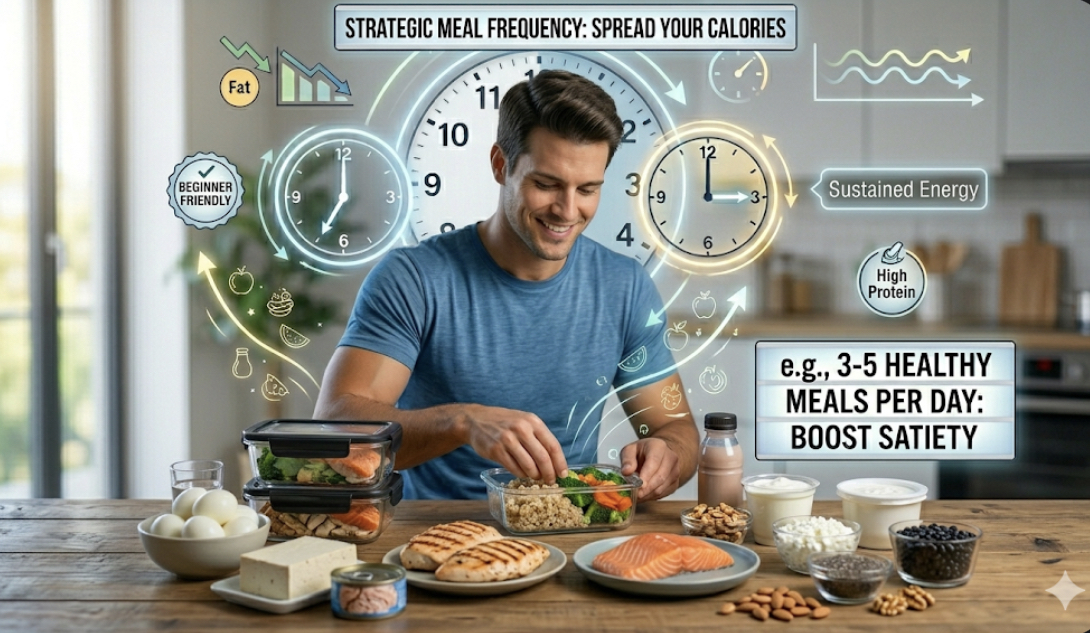
A simple high-protein meal plan for beginners focuses on whole foods, balanced meals, and hitting your protein target (1.6–2.2 g per kg body weight). This guide provides a 7-day meal plan with easy recipes, grocery list, and options for omnivores, vegans, and gluten-free diets. Each day includes 3–5 meals totaling 130–160g protein at around 1,800–2,200 kcal. The key is consistency: eat quality protein at every meal, include vegetables, and stay hydrated . Perfect for anyone starting their fitness journey.
1. Why a High-Protein Diet Works for Beginners
If you're new to fitness, the overwhelming amount of nutrition advice can be paralyzing. But there's one principle that stands above the rest: prioritize protein. A high protein meal plan beginner approach is simple, effective, and works for both muscle growth and fat loss . Research shows that higher protein intake increases satiety, preserves muscle during weight loss, and supports muscle recovery .
What is a simple high-protein meal plan?
A simple high-protein meal plan includes eggs, chicken, rice, vegetables, Greek yogurt, fish, and legumes distributed across 3–5 balanced meals daily. Aim for 1.6–2.2 g protein per kg body weight. Example day: breakfast (3 eggs + oatmeal), lunch (chicken + rice + broccoli), snack (Greek yogurt + berries), dinner (salmon + sweet potato + greens). This structure provides sustained energy, muscle support, and appetite control .

2. How Much Protein Do Beginners Need?
2.1. Protein Requirements
For active individuals, the recommended intake is 1.6–2.2 grams of protein per kilogram of body weight daily. For a 70 kg (154 lb) beginner, that's 112–154 g protein per day .
2.2. Distribution Matters
Spread protein across 3–5 meals (20–40 g per meal) to maximize muscle protein synthesis .
2.3. Protein by Goal
- Muscle growth (bulking): 1.6–2.2 g/kg
- Fat loss (cutting): 1.8–2.4 g/kg (higher to preserve muscle)
- Maintenance / general health: 1.2–1.6 g/kg
3. 7-Day Simple High-Protein Meal Plan (2,000 kcal, 140g Protein)
Day 1 – Monday
- Breakfast: 3 scrambled eggs, 1 cup oatmeal with berries (450 kcal, 30g protein)
- Lunch: 150g grilled chicken breast, 1 cup brown rice, 1 cup broccoli (450 kcal, 40g protein)
- Snack: 200g Greek yogurt, ½ cup berries (200 kcal, 20g protein)
- Dinner: 150g salmon, 1.5 cups sweet potato, 2 cups mixed greens (500 kcal, 35g protein)
- Evening (optional): 150g cottage cheese (150 kcal, 15g protein)
Day 2 – Tuesday
- Breakfast: Protein oatmeal: 1 cup oats, 1 scoop whey/pea protein, 1 banana (450 kcal, 30g protein)
- Lunch: 1 can tuna (5 oz), 1.5 cups quinoa, mixed greens, 1 tbsp olive oil (500 kcal, 40g protein)
- Snack: 1 apple + 1 tbsp peanut butter (200 kcal, 5g protein)
- Dinner: 150g lean beef or turkey, 1.5 cups roasted potatoes, 1 cup green beans (500 kcal, 40g protein)
- Evening: 200g Greek yogurt (200 kcal, 20g protein)
Day 3 – Wednesday
- Breakfast: 3 eggs, 2 slices whole-grain toast, ½ avocado (500 kcal, 25g protein)
- Lunch: 150g chicken breast, 1 cup lentils, 1 cup spinach (500 kcal, 45g protein)
- Snack: 150g cottage cheese, ½ apple (200 kcal, 15g protein)
- Dinner: 150g white fish (cod, tilapia), 1.5 cups sweet potato, 1 cup asparagus (450 kcal, 35g protein)
- Evening: 1 cup milk + 1 tbsp chia seeds (150 kcal, 10g protein)
Day 4 – Thursday (Repeat favorites or mix)
Mix and match meals from days 1–3 or try new combinations.
Day 5 – Friday
- Breakfast: 4 eggs, 1 cup oatmeal (500 kcal, 30g protein)
- Lunch: 150g chicken breast, 1.5 cups quinoa, 1 cup roasted vegetables (500 kcal, 40g protein)
- Snack: 200g Greek yogurt, 1 tbsp honey (200 kcal, 20g protein)
- Dinner: 150g salmon, 1.5 cups sweet potato, 2 cups greens (500 kcal, 35g protein)
Day 6 – Saturday
- Breakfast: Protein pancakes: 2 eggs, ½ cup oats, 1 scoop protein, 1 banana (500 kcal, 35g protein)
- Lunch: 1 can tuna, 1.5 cups brown rice, mixed greens (450 kcal, 40g protein)
- Snack: 150g cottage cheese, ½ cup berries (200 kcal, 15g protein)
- Dinner: 150g lean beef, 1.5 cups roasted potatoes, 1 cup broccoli (500 kcal, 40g protein)
Day 7 – Sunday
- Breakfast: 3 eggs, 2 slices whole-grain toast, ½ avocado (500 kcal, 25g protein)
- Lunch: 150g chicken breast, 1 cup lentils, 1 cup spinach (500 kcal, 45g protein)
- Snack: 200g Greek yogurt, ½ cup berries (200 kcal, 20g protein)
- Dinner: 150g white fish, 1.5 cups sweet potato, 1 cup asparagus (450 kcal, 35g protein)
4. Vegan/Vegetarian High-Protein Meal Plan (2,000 kcal, 135g Protein)
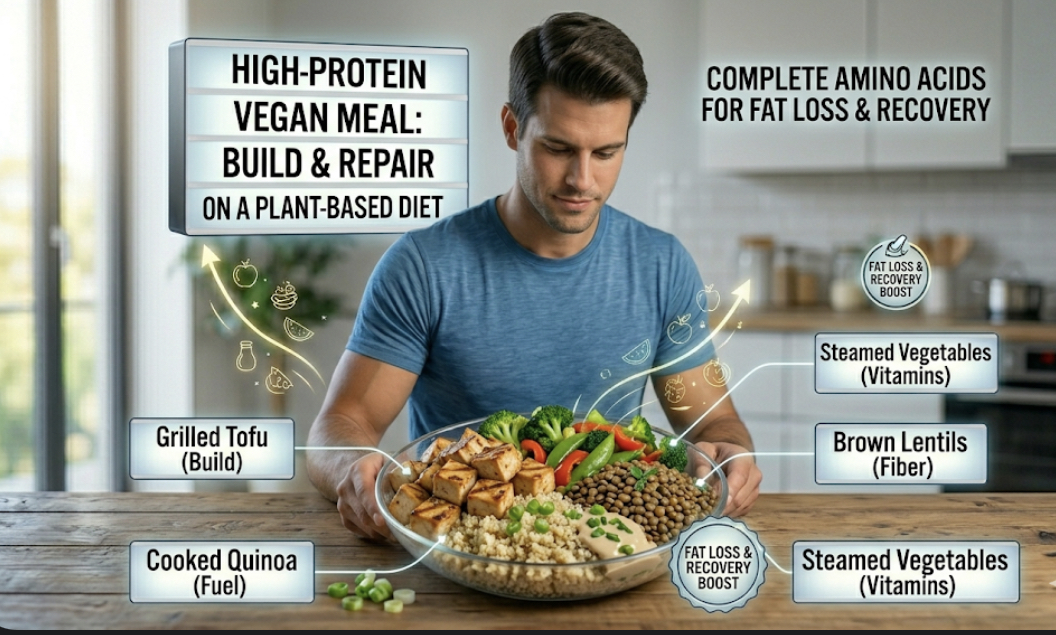
- Breakfast: Tofu scramble (200g firm tofu with spinach), 1 cup oatmeal with 2 tbsp peanut butter (550 kcal, 35g protein)
- Lunch: 200g tempeh, 1.5 cups quinoa, 1 cup roasted chickpeas, mixed greens (600 kcal, 40g protein)
- Snack: 1 cup edamame, 1 apple (250 kcal, 15g protein)
- Dinner: 1.5 cups cooked lentils, 1.5 cups sweet potato, 1 cup spinach, 1 tbsp olive oil (600 kcal, 30g protein)
- Evening: 1 cup unsweetened soy milk + 2 tbsp hemp seeds (200 kcal, 15g protein)
Gluten-Free Options
- Use certified gluten-free oats, quinoa, rice, or buckwheat.
- Ensure tempeh and tofu are gluten-free certified (most are).
5. Quick & Easy High-Protein Recipes
- Protein Oatmeal (5 min): 1 cup oats, 1 scoop protein powder, 1 banana, 1 tbsp peanut butter. Mix with hot water or milk.
- Chicken Rice Bowl (10 min prep): 150g pre-cooked chicken, 1 cup microwave rice, 1 cup frozen veggies. Heat and serve.
- Tuna Salad (5 min): 1 can tuna, 2 tbsp Greek yogurt, chopped celery, salt, pepper. Serve with crackers or on bread.
- Greek Yogurt Bowl (2 min): 200g Greek yogurt, ½ cup berries, 1 tbsp honey, 1 tbsp chopped nuts.
- Tofu Scramble (10 min): 200g firm tofu crumbled, sauté with spinach, turmeric, salt. Serve with toast.
- Protein Smoothie (3 min): 1 scoop protein, 1 banana, 1 cup oat milk, 1 tbsp peanut butter, ice.
6. Grocery Shopping List for Beginners
- Proteins: Eggs, chicken breast, canned tuna, salmon, lean beef, Greek yogurt, cottage cheese, whey/pea protein (optional)
- Carbs: Oats, brown rice, quinoa, sweet potatoes, whole-grain bread, bananas, apples, berries
- Vegetables: Broccoli, spinach, mixed greens, asparagus, frozen mixed vegetables
- Fats: Olive oil, peanut butter, almonds, avocado
- Plant-based proteins (for vegans): Firm tofu, tempeh, lentils, chickpeas, edamame, hemp seeds, soy milk

7. Tips for Sticking to Your High-Protein Plan
- Prep ahead: Cook chicken, rice, and eggs on Sunday for the week.
- Keep it simple: You don't need fancy recipes—grilled protein + carb + vegetable works every time.
- Stay hydrated: Drink water throughout the day. Thirst can be mistaken for hunger.
- Don't skip meals: Consistent eating helps control hunger and maintain energy.
- Adjust portions: If you're hungry, add more vegetables and protein. If you're gaining unwanted weight, slightly reduce carbs or fats.
- Be flexible: Life happens—swap meals, eat out occasionally, and don't stress about perfection.
8. Common Beginner Mistakes to Avoid
- Mistake #1: Not eating enough protein. Track for a few days to ensure you're hitting your target.
- Mistake #2: Relying only on protein powder. Whole foods provide additional nutrients and satiety.
- Mistake #3: Skipping vegetables. Vegetables provide fiber and micronutrients essential for health.
- Mistake #4: Eating the same thing every day. Variety prevents boredom and nutrient gaps.
- Mistake #5: Not drinking enough water. High protein intake increases water needs—aim for 2–3 liters daily.
- Mistake #6: Being too rigid. Flexibility leads to long-term adherence.
9. Frequently Asked Questions
What is a simple high-protein meal plan?
A simple high-protein meal plan includes eggs, chicken, rice, vegetables, Greek yogurt, fish, and legumes distributed across 3–5 balanced meals daily, aiming for 1.6–2.2 g protein per kg body weight.
How much protein do I need as a beginner?
Aim for 1.6–2.2 grams per kilogram of body weight daily. For a 70 kg person, that's 112–154 grams of protein per day.
Can I build muscle without protein powder?
Yes, whole foods like eggs, chicken, fish, Greek yogurt, tofu, and lentils can easily meet your protein needs.
How many meals should I eat per day?
3–5 meals works well for most beginners. Choose a frequency that fits your schedule and hunger levels.
Can I lose fat on a high-protein diet?
Yes, high-protein diets increase satiety and preserve muscle during calorie deficits, making them ideal for fat loss.
What if I'm vegetarian or vegan?
Focus on tofu, tempeh, seitan, lentils, chickpeas, edamame, quinoa, hemp seeds, and plant-based protein powders to meet your protein targets.
How do I meal prep for the week?
Cook a large batch of chicken, rice, and roasted vegetables. Hard-boil eggs, portion Greek yogurt, and chop fresh veggies. Store in containers for grab-and-go meals.
10. Related Resources
- How to Build a Cheap High Protein Snack List: A Beginner's Guide for Athletes
- How to Reverse Diet After a Cut: Avoid Rebound Weight Gain and Keep Your Results
- How to Stay Full on a Budget: Beans & Lentils for Affordable Nutrition
- High-Protein Vegetarian Meals That Taste Amazing and Boost Muscle
- The Truth About Salt: How Sodium Affects Your Muscle Pump and Performance
- How to Meal Prep for a Whole Week in Under Two Hours (Easy Guide)
11. Scientific References
- Morton, R. W., et al. (2018). A systematic review, meta-analysis and meta-regression of the effect of protein supplementation on resistance training-induced gains in muscle mass and strength in healthy adults. British Journal of Sports Medicine, 52(6), 376–384. PubMed
- Schoenfeld, B. J., & Aragon, A. A. (2018). How much protein can the body use in a single meal for muscle-building? Journal of the International Society of Sports Nutrition, 15, 10. PubMed
- Hector, A. J., & Phillips, S. M. (2018). Protein Recommendations for Weight Loss in Elite Athletes: A Focus on Body Composition. International Journal of Sport Nutrition and Exercise Metabolism, 28(2), 170–177. PubMed
- Helms, E. R., et al. (2014). Evidence-based recommendations for natural bodybuilding contest preparation. Journal of the International Society of Sports Nutrition, 11(1), 20. PubMed
- ACSM. (2021). Nutrition and Athletic Performance. Medicine & Science in Sports & Exercise, 53(3), 600–618. PubMed
Join the conversation