What Happens If You Don’t Eat Enough Protein? (Health & Muscle Impact)
What Happens If You Don't Eat Enough Protein? (Health & Muscle Impact)
⚡ TL;DR
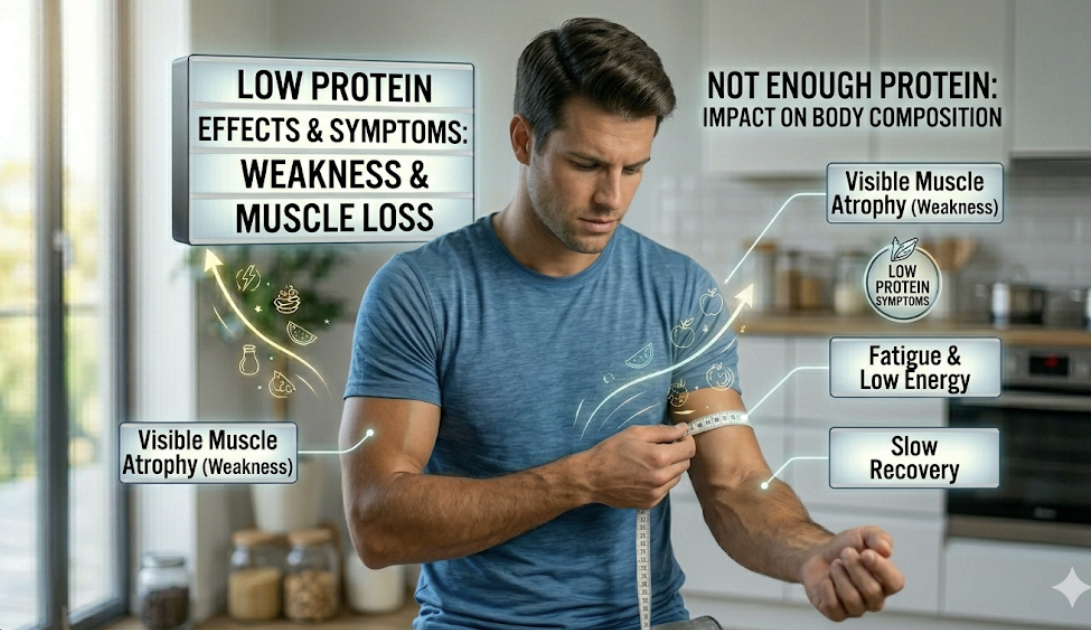
Not eating enough protein leads to muscle loss, slower recovery, increased hunger, fatigue, weakened immunity, and hair/nail brittleness. In the long term, protein deficiency can cause sarcopenia (age-related muscle loss), metabolic slowdown, and impaired physical performance . For active individuals, intakes below 1.2 g/kg body weight can compromise muscle repair and growth . This guide explains the signs, risks, and how to prevent deficiency with simple dietary adjustments, meal plans, and protein-rich recipes for all diets.
1. The Hidden Danger: Why Protein Matters
You train hard. You watch your calories. But if you're not getting enough protein, your body is breaking down muscle just to meet its basic needs. Protein deficiency isn't just a concern for the malnourished—it can affect active individuals who under-eat protein, especially those in a calorie deficit . This guide reveals what happens when you don't eat enough protein and how to fix it.
What are the signs of low protein intake?
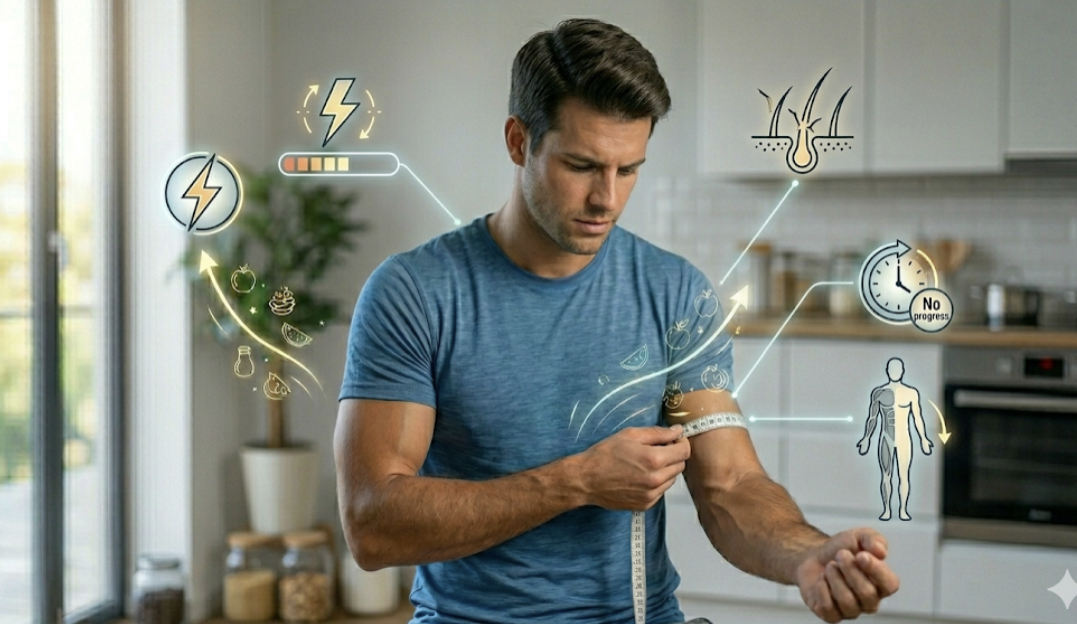
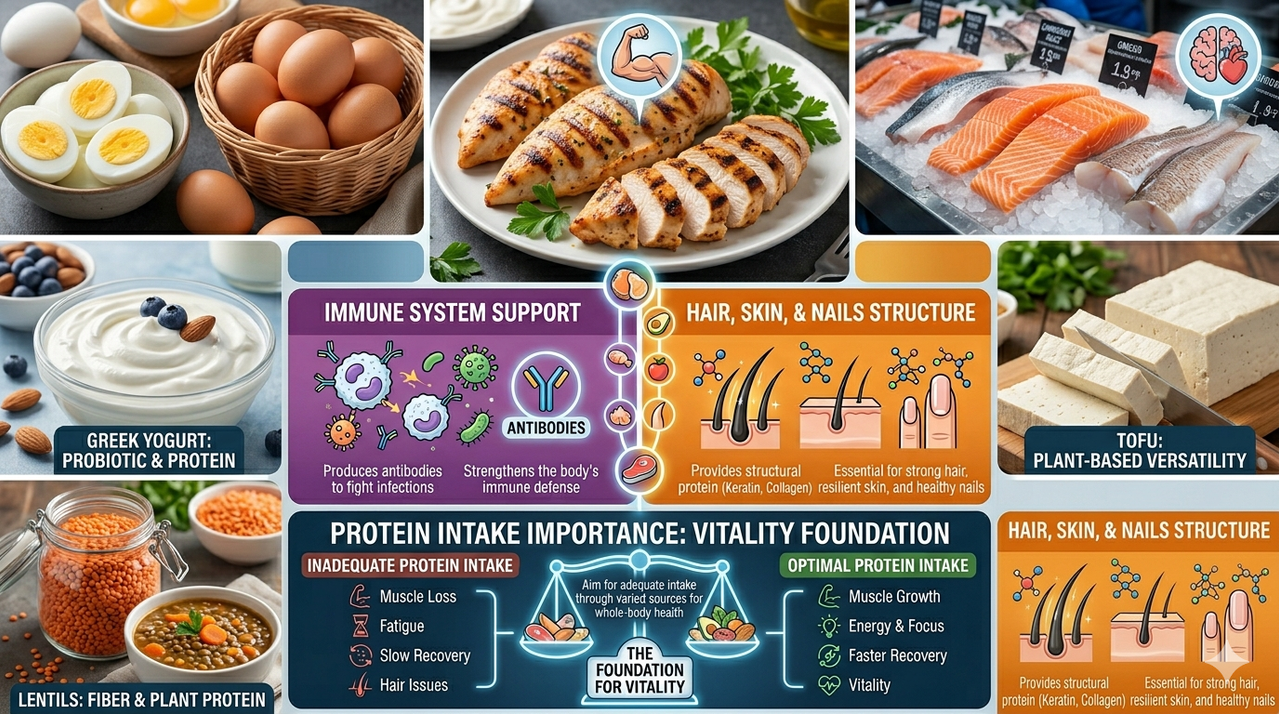
The signs of low protein intake include: 1) Muscle loss—visible loss of strength and muscle mass. 2) Fatigue—low energy, weakness. 3) Slow recovery—prolonged soreness after exercise. 4) Increased hunger—protein is satiating; without it, cravings spike. 5) Hair thinning, brittle nails, and skin issues. 6) Weakened immunity—frequent illness. If you experience these symptoms, you may need to increase your protein intake .
2. The Science: What Protein Does for You
2.1. Muscle Protein Synthesis (MPS)
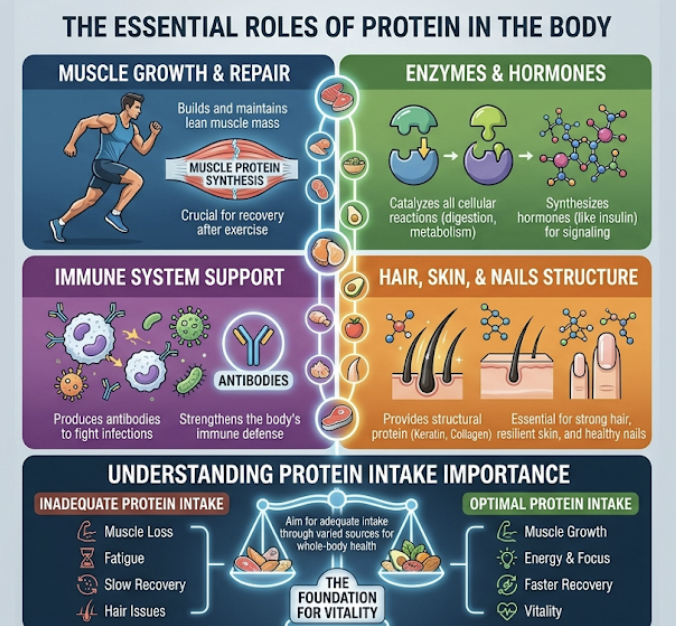
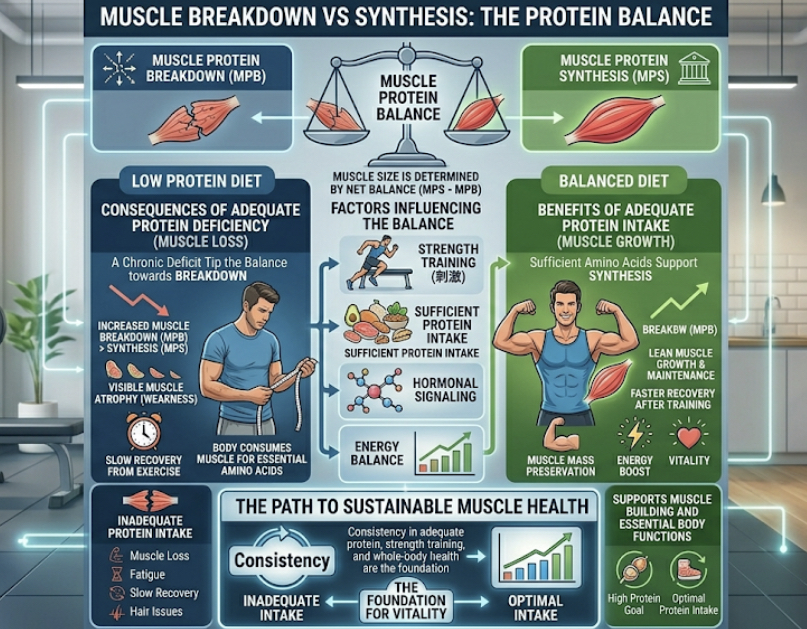
Protein provides amino acids, the building blocks for muscle tissue. Without adequate protein, muscle protein breakdown exceeds synthesis, leading to net muscle loss .
2.2. Enzymes and Hormones
Protein is essential for producing enzymes that drive metabolism and hormones that regulate hunger, growth, and stress .
2.3. Immune Function
Antibodies are proteins. Low protein intake impairs immune function, increasing susceptibility to illness .
2.4. Hair, Skin, and Nails
Keratin, collagen, and elastin are proteins. Deficiency leads to brittle hair, thinning, and slow wound healing .
3. What Happens When You Don't Eat Enough Protein
3.1. Muscle Loss and Decreased Strength
In a calorie deficit or without resistance training, low protein accelerates muscle breakdown. Studies show that protein intakes below 0.8 g/kg body weight lead to significant lean mass loss .
3.2. Slower Recovery and Increased Soreness
Without adequate amino acids, muscle repair is impaired. Post-exercise soreness lasts longer, and you may feel "run down" after workouts .
3.3. Increased Hunger and Cravings
Protein is the most satiating macronutrient. Low protein diets lead to increased hunger, cravings, and difficulty controlling calorie intake .
3.4. Fatigue and Low Energy
Inadequate protein can cause fatigue, weakness, and reduced physical performance. This is especially noticeable in active individuals .
3.5. Weakened Immune System
Protein deficiency impairs antibody production, making you more susceptible to colds and infections .
3.6. Hair Thinning, Brittle Nails, and Skin Issues
Your body prioritizes essential functions over hair and nail growth. Deficiency often first appears as hair shedding, brittle nails, or dry skin .
3.7. Metabolic Slowdown
Muscle is metabolically active. Losing muscle lowers resting metabolic rate, making fat loss harder and weight regain easier .
4. Who Is Most at Risk for Low Protein Intake?
- Athletes and active individuals: Higher protein needs (1.6–2.2 g/kg) .
- People in a calorie deficit: Protein requirements increase during weight loss to preserve muscle .
- Vegetarians and vegans: May struggle to meet protein needs without intentional planning .
- Older adults: Age-related muscle loss (sarcopenia) requires higher protein intake (1.2–1.6 g/kg) .
- People with poor appetite or restrictive eating patterns.
5. How Much Protein Do You Really Need?
5.1. General Recommendations
- Sedentary adults: 0.8 g/kg body weight (minimum to prevent deficiency)
- Active adults / recreational exercisers: 1.2–1.6 g/kg
- Athletes / muscle growth: 1.6–2.2 g/kg
- Fat loss (cutting): 1.8–2.4 g/kg (higher to preserve muscle)
- Older adults (65+): 1.2–1.6 g/kg
5.2. Example: 70 kg Person
- Minimum: 56 g/day
- Active: 84–112 g/day
- Muscle growth: 112–154 g/day
- Fat loss: 126–168 g/day
6. Sample High-Protein Meal Plan (2,000 kcal, 140g Protein)
Omnivore Plan
- Breakfast: 3 eggs, 1 cup oatmeal with 1 tbsp peanut butter, 1 banana (550 kcal, 30g protein)
- Lunch: 150g grilled chicken breast, 1 cup brown rice, 1 cup broccoli (450 kcal, 40g protein)
- Snack: 200g Greek yogurt, ½ cup berries (200 kcal, 20g protein)
- Dinner: 150g salmon, 1.5 cups sweet potato, 2 cups mixed greens (500 kcal, 35g protein)
- Evening: 150g cottage cheese (150 kcal, 15g protein)
Total: ~1,850 kcal, 140g protein
Vegan/Vegetarian Plan (2,000 kcal, 135g Protein)
- Breakfast: Tofu scramble (200g firm tofu), 1 cup oatmeal with 2 tbsp peanut butter, banana (600 kcal, 35g protein)
- Lunch: 200g tempeh, 1.5 cups quinoa, 1 cup roasted chickpeas, mixed greens (600 kcal, 40g protein)
- Snack: 1 cup edamame, 1 apple (200 kcal, 15g protein)
- Dinner: 1.5 cups cooked lentils, 1.5 cups sweet potato, 1 cup spinach, 1 tbsp olive oil (600 kcal, 30g protein)
- Evening: 1 cup unsweetened soy milk + 2 tbsp hemp seeds (200 kcal, 15g protein)
Gluten-Free Options
- Use certified gluten-free oats, quinoa, rice, or buckwheat.
- Ensure tempeh and tofu are gluten-free certified (most are).
7. Quick High-Protein Recipes to Boost Intake
- Protein Oatmeal (5 min): 1 cup oats, 1 scoop protein powder, 1 banana, 1 tbsp peanut butter.
- Tuna Salad (5 min): 1 can tuna, 2 tbsp Greek yogurt, celery, salt, pepper.
- Greek Yogurt Bowl (2 min): 200g Greek yogurt, ½ cup berries, 1 tbsp honey.
- Tofu Scramble (10 min): 200g firm tofu, spinach, turmeric, salt. Serve with toast.
- Protein Smoothie (3 min): 1 scoop protein, 1 banana, 1 cup oat milk, 1 tbsp peanut butter.
8. How to Increase Protein Intake (Simple Strategies)
- Add protein to every meal: Eggs for breakfast, chicken/fish for lunch/dinner, Greek yogurt for snacks.
- Use protein powder as a backup: Mix into oatmeal, smoothies, or yogurt when whole food options aren't available.
- Choose higher-protein versions: Greek yogurt over regular, lean meats over fatty cuts, tofu/tempeh over processed plant proteins.
- Snack on protein: Hard-boiled eggs, cottage cheese, edamame, or beef jerky.
- Track for a week: Use an app to see if you're hitting your target.
9. Frequently Asked Questions
What are the signs of low protein intake?
Muscle loss, fatigue, slow recovery, increased hunger, hair thinning, brittle nails, and weakened immunity are common signs.
How much protein do I need to avoid deficiency?
For sedentary adults, the RDA is 0.8 g per kg body weight. For active individuals, 1.2–2.2 g/kg is recommended depending on goals.
Can low protein cause hair loss?
Yes, protein deficiency can lead to hair thinning and shedding because hair is made of keratin, a protein .
Will I lose muscle if I don't eat enough protein?
Yes, especially if you're in a calorie deficit or not resistance training. Your body will break down muscle for amino acids .
Can vegetarians get enough protein?
Yes, with planning. Focus on tofu, tempeh, lentils, chickpeas, edamame, quinoa, hemp seeds, and seitan.
What happens if I eat too little protein while lifting?
You may experience slower strength gains, prolonged soreness, and muscle loss despite training .
How quickly can I fix protein deficiency?
Increasing protein intake can improve symptoms within weeks. Muscle recovery and energy often improve within days .
10. Related Resources
- How to Build a Cheap High Protein Snack List: A Beginner's Guide for Athletes
- How to Reverse Diet After a Cut: Avoid Rebound Weight Gain and Keep Your Results
- How to Stay Full on a Budget: Beans & Lentils for Affordable Nutrition
- High-Protein Vegetarian Meals That Taste Amazing and Boost Muscle
- The Truth About Salt: How Sodium Affects Your Muscle Pump and Performance
- How to Meal Prep for a Whole Week in Under Two Hours (Easy Guide)
11. Scientific References
- Morton, R. W., et al. (2018). A systematic review, meta-analysis and meta-regression of the effect of protein supplementation on resistance training-induced gains in muscle mass and strength in healthy adults. British Journal of Sports Medicine, 52(6), 376–384. PubMed
- Helms, E. R., et al. (2014). Evidence-based recommendations for natural bodybuilding contest preparation. Journal of the International Society of Sports Nutrition, 11(1), 20. PubMed
- Phillips, S. M. (2014). A brief review of higher dietary protein diets in weight loss: a focus on athletes. Sports Medicine, 44(Suppl 2), S149–S153. PubMed
- Westerterp-Plantenga, M. S. (2008). Protein intake and energy balance. Regulatory Peptides, 149(1-3), 67–69. PubMed
- Paddon-Jones, D., & Leidy, H. (2014). Dietary protein and muscle in older persons. Current Opinion in Clinical Nutrition and Metabolic Care, 17(1), 5–11. PubMed
- ACSM. (2021). Nutrition and Athletic Performance. Medicine & Science in Sports & Exercise, 53(3), 600–618. PubMed
Join the conversation