Best Simple Habits for Sustainable Fat Loss (Easy Daily Strategies)
Best Simple Habits for Sustainable Fat Loss (Easy Daily Strategies)
⚡ TL;DR
Sustainable fat loss isn't about perfection—it's about consistency with a few key habits. Research shows that combining improved diet quality with increased physical activity is more effective than focusing on either alone, especially for reducing harmful visceral fat . The best simple habits for sustainable fat loss include: prioritizing protein and fiber at meals, moving your body daily (even in short bouts), syncing your eating with your circadian rhythm, self-monitoring with weekly weigh-ins, and getting adequate sleep . This guide breaks down each habit with practical tips, sample meal plans, and strategies for long-term success.
1. Why Sustainable Habits Beat Quick Fixes
The weight loss industry wants you to believe that you need extreme diets, expensive supplements, or grueling workout programs to see results. But the evidence tells a different story: long-term success comes from simple, repeatable daily habits that become automatic . Fad diets might produce short-term losses, but the weight often returns when the diet ends .
What are the best habits for long-term fat loss?
Based on extensive research from weight control registries and clinical trials, the best habits for long-term fat loss are: 1) Consistent diet quality (high protein, high fiber, Mediterranean-style eating), 2) Daily movement (200-300 minutes of moderate activity weekly), 3) Good sleep hygiene (7-9 hours nightly), and 4) Regular self-monitoring (weekly weigh-ins and food awareness) . These habits work synergistically to create a sustainable calorie deficit while preserving metabolic health.

2. The Science: Why Habits Matter More Than Willpower
2.1. Metabolic Adaptations and Weight Regain
When you lose weight, your body fights back. Hormonal changes increase hunger (ghrelin rises) and decrease satiety (leptin falls). Resting metabolic rate drops more than expected based on weight loss alone—a phenomenon called "metabolic adaptation" . These changes can persist for at least a year, making weight maintenance challenging without solid habits.
2.2. The Power of Combined Behaviors
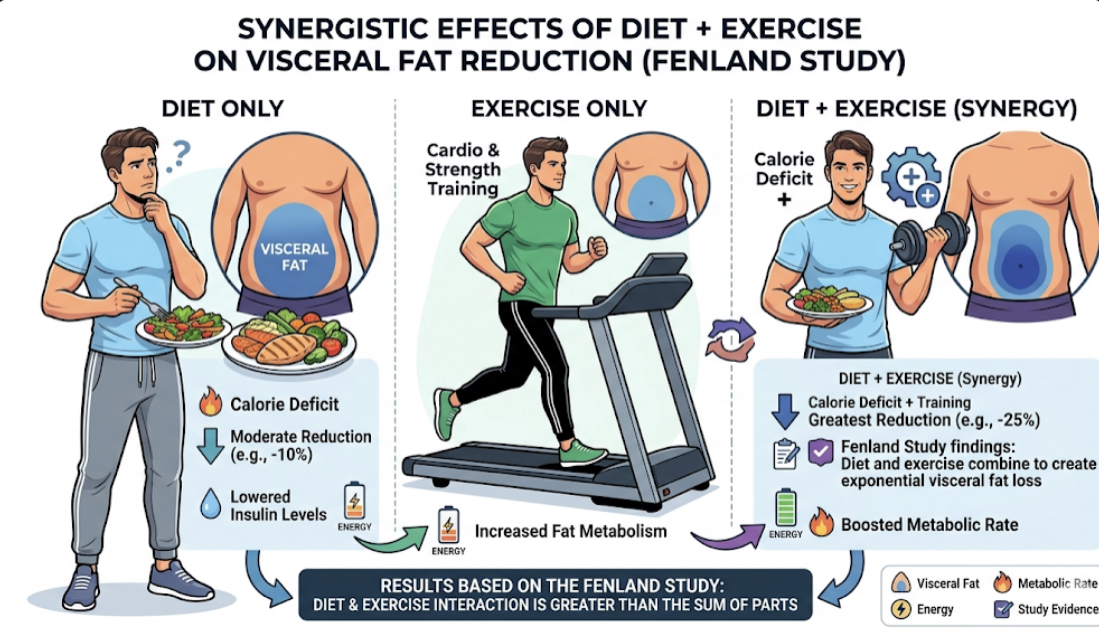
Recent research from the Fenland Study, which followed over 7,200 adults for seven years, found that improving both diet quality AND physical activity simultaneously produced the greatest reductions in total body fat and visceral fat. Participants who improved both behaviors gained about 1.9 kg less body fat and 150g less visceral fat compared to those who didn't change—equivalent to 16% of baseline visceral fat .
3. Habit #1: Prioritize Diet Quality—Protein, Fiber, and Mediterranean Style
3.1. Protein at Every Meal
Protein enhances satiety through hormonal modulation (GLP-1 and CCK) and has the highest thermic effect of food. Aim for 25-35g of protein per meal. Long-term studies indicate that diets providing 20-25% of daily energy from protein lead to an additional 1.6 kg of weight loss while preserving fat-free mass .
3.2. Fiber-Rich, Low-Energy-Density Foods
Viscous soluble fiber (from oats, legumes, apples) slows gastric emptying and reduces appetite. Across randomized trials, higher fiber intake is associated with small but significant reductions in body weight and waist circumference, independent of calorie restriction . Low-energy-density foods like vegetables, fruits, legumes, and whole grains reduce the risk of weight gain.
3.3. The Mediterranean Pattern
The Mediterranean diet—rich in unsaturated fats (olive oil), fish, whole grains, and vegetables—has been consistently linked to better weight management and metabolic health. In the Fenland Study, each increase in Mediterranean diet score was associated with a reduction in body fat of 0.47 kg and visceral fat of 0.45 g . This eating pattern is sustainable because it's flexible and focuses on whole foods rather than restriction.

Sample Day: Mediterranean-Style Eating (1800 kcal)
- Breakfast (7:30): 2 eggs scrambled with spinach and tomatoes + 1 slice whole-grain toast + 1 tbsp olive oil (350 kcal, 20g protein)
- Lunch (12:30): 150g grilled salmon + 1 cup quinoa + 2 cups mixed greens with lemon-herb dressing (500 kcal, 35g protein)
- Snack (16:00): 200g Greek yogurt + ½ cup berries + 1 tbsp walnuts (250 kcal, 20g protein)
- Dinner (19:30): 150g chicken breast + 1 cup roasted vegetables (zucchini, bell pepper, eggplant) + ½ cup chickpeas (500 kcal, 40g protein)
- Evening (optional): Herbal tea (0 kcal)
Total: ~1,800 kcal, 115g protein, 35g fiber
Vegan/Vegetarian Adaptation
- Replace eggs with 200g firm tofu scramble.
- Replace salmon with 200g baked tempeh or 1 cup cooked lentils.
- Replace chicken with 200g seitan or extra-firm tofu.
- Add pea protein smoothie if needed to hit protein targets.
4. Habit #2: Daily Movement—Consistency Over Intensity
4.1. How Much Is Enough?
Physical activity remains one of the strongest predictors of successful long-term weight maintenance. Most successful maintainers perform 200-300 minutes per week of moderate-intensity aerobic exercise—that's just 30-45 minutes daily . Exercise also mitigates metabolic adaptation by limiting the reduction in resting metabolic rate that typically accompanies weight loss.
4.2. The Fenland Findings
In the Fenland Study, each increase in physical activity energy expenditure was associated with a reduction in body fat of 1.40 kg and visceral fat of 108 g. The benefits were even greater in individuals who were initially inactive or had overweight/obesity .
4.3. Practical Ways to Move More
- Walk after meals: A 10-15 minute walk after eating improves glucose regulation and adds steps.
- Take the stairs: Small choices add up over time.
- Schedule movement: Block out time for a daily walk or gym session.
- Incorporate strength training: Resistance training preserves lean mass and may influence appetite hormones .

5. Habit #3: Align Eating and Sleeping with Your Body Clock
5.1. Why Timing Matters
Circadian misalignment—irregular eating schedules, late-night eating, and poor sleep—impairs glucose regulation, insulin sensitivity, and appetite signaling. Shift workers, for example, show reduced insulin sensitivity within days of simulated night shifts .
5.2. Eat Earlier, Not Later
A randomized clinical trial found that allocating more daily energy intake to breakfast and less to dinner reduced overall daily hyperglycemia and enhanced insulin and GLP-1 responses compared with the reverse pattern . Aim to consume most of your calories earlier in the day, and avoid eating within 2-3 hours of bedtime.
5.3. Prioritize Sleep
Less than six hours of sleep per night is associated with obesity, abdominal adiposity, and metabolic syndrome. Social jetlag—shifting sleep schedules on weekends—also correlates with higher BMI .
- Sleep hygiene tips: Consistent sleep-wake schedule, cool dark room, no screens 60 minutes before bed, limit caffeine after 2pm.
- Goal: 7-9 hours of quality sleep nightly.

6. Habit #4: Self-Monitoring—What Gets Measured Gets Managed
6.1. Regular Weigh-Ins
The Winter Weight Watch Study from the University of Birmingham found that participants who weighed themselves at least twice weekly (ideally daily) and recorded their weight prevented holiday weight gain, while the comparison group gained weight. Those in the intervention group ended the study weighing 0.49 kg less on average .
Consistent self-weighing helps detect deviations from target weight before significant regain occurs—without evidence of negative psychological effects .
6.2. Food Awareness
Greater frequency and consistency of dietary self-monitoring are associated with improved weight outcomes. You don't need to log every calorie forever—but brief periods of tracking can increase awareness of portions and trigger foods .
6.3. Habit Tracking
Track your key habits: daily steps, protein intake, sleep hours, and weigh-ins. Use a simple notebook, app, or printable tracker.
7. Common Mistakes That Undermine Sustainable Fat Loss
- Mistake #1: Relying on meal replacements and supplements. Research shows an inverse association between using commercial weight loss products and long-term weight control .
- Mistake #2: Focusing on diet OR exercise alone. The greatest benefits come from improving both simultaneously .
- Mistake #3: Ignoring sleep and stress. Chronic stress increases cortisol, promoting central adiposity .
- Mistake #4: All-or-nothing thinking. Perfection isn't sustainable—aim for consistency (80% of the time).
- Mistake #5: Not planning ahead. Stocking healthy foods at home and preparing meals increases success .
8. Frequently Asked Questions
What are the best habits for long-term fat loss?
Consistent diet quality (high protein, high fiber, Mediterranean-style), daily movement (200-300 minutes weekly), good sleep (7-9 hours), and regular self-monitoring (weekly weigh-ins) .
Is diet or exercise more important for weight loss?
Both are important, but combining them is most effective. The Fenland Study showed that simultaneous improvements in diet and physical activity produced the greatest reductions in total body fat and visceral fat .
How often should I weigh myself?
Research suggests weighing yourself at least twice weekly (ideally daily) under consistent conditions helps prevent weight gain and detect early deviations .
What is the Mediterranean diet and why is it effective?
The Mediterranean diet emphasizes fruits, vegetables, whole grains, legumes, nuts, olive oil, fish, and moderate dairy/eggs. It's effective because it's nutrient-dense, high in fiber and healthy fats, and sustainable for long-term adherence .
Can I lose weight with time-restricted eating?
Yes—studies show that restricting eating to an 8-hour window for 3 months can lead to significant weight loss (7-9 pounds) that's maintained for at least a year, regardless of when the window starts .
How much protein do I need for satiety?
Aim for 25-35g of protein per meal (20-25% of daily calories). This enhances satiety hormones (GLP-1, CCK) and helps preserve muscle mass during weight loss .
What's the most important habit for weight maintenance?
Physical activity—most successful maintainers perform 200-300 minutes of moderate exercise weekly. It helps counteract metabolic adaptation and supports long-term energy balance .
9. Related Resources
- Low-Intensity Walking for Fat Loss: Simple Strategy to Burn More Fat
- How to Handle Hunger Pangs During a Strict Cutting Phase (Athlete’s Guide)
- Intermittent Fasting for Bodybuilders: Pros, Cons, and Muscle-Building Truth
- How to Lose Belly Fat Without Losing Muscle (Science-Based Guide)
- Why You’re Not Losing Fat Despite Eating Clean (7 Science-Backed Reasons)
10. Scientific References
- Kahve, A.N. (2025). The Connection Between Nutrition Education, Behavior, and Body Composition in Women Following a Mediterranean Diet. ICHGCP Clinical Trials Registry. View Source
- Mason, F., et al. (2018). Simple tips to curb overindulgence can help stop pounds piling on at Christmas. University of Birmingham. View Source
- Siles-Guerrero, V., et al. (2024). Is Fasting Superior to Continuous Caloric Restriction for Weight Loss? Nutrients, 16(20), 3533. PubMed
- News-Medical. (2026). How to Maintain Weight Loss Long Term: Evidence-Based Lifestyle Strategies. View Source
- Gastrointestinal Society. (2025). Lifestyle Changes to Support Weight Loss. badgut.org. View Source
- Aryannezhad, S., et al. (2025). Concurrent changes in diet quality and physical activity and association with adiposity in adults. JAMA Network Open. View Source
- MRC Epidemiology Unit. (2025). Improve diet and increase physical activity at the same time to limit weight gain. University of Cambridge. View Source
- Camacho-Cardenosa, A., et al. (2025). 3 months of time-restricted eating can lead to significant weight loss. University of Granada. View Source
- Eisenberg, M., et al. (2026). Long-term benefit of popular diets still up in the air. JGH News. View Source
- Aryannezhad, S., Forouhi, N. (2025). Staying Slim: What's More Effective, Exercise or Healthy Eating? University of Maryland Medical System. View Source
Join the conversation