How to Handle Hunger Pangs During a Strict Cutting Phase (Athlete’s Guide)
How to Handle Hunger Pangs During a Strict Cutting Phase

⚡ TL;DR
If you're struggling with how to handle hunger pangs during a strict cutting phase, you're not weak—your body is fighting to defend its weight. Research shows that dieting increases ghrelin (hunger hormone) and decreases leptin (satiety hormone) . The solution isn't just willpower—it's strategy. Key tactics: eat 0.7-1g protein per pound of body weight to maximize satiety , prioritize fiber-rich vegetables for volume eating , drink 500ml water before meals to reduce intake by 22% , and get 7-9 hours of sleep—one poor night can increase hunger hormones by 15% . This guide provides actionable strategies, sample meal plans, and vegan options to keep hunger at bay.
1. The Hunger Problem: Why Cutting Feels So Hard
You're doing everything right. You've calculated your macros, you're hitting the gym, and you're committed to the process. But the hunger pangs are relentless. They creep up mid-afternoon, strike before bed, and make you question why you ever started this cut.
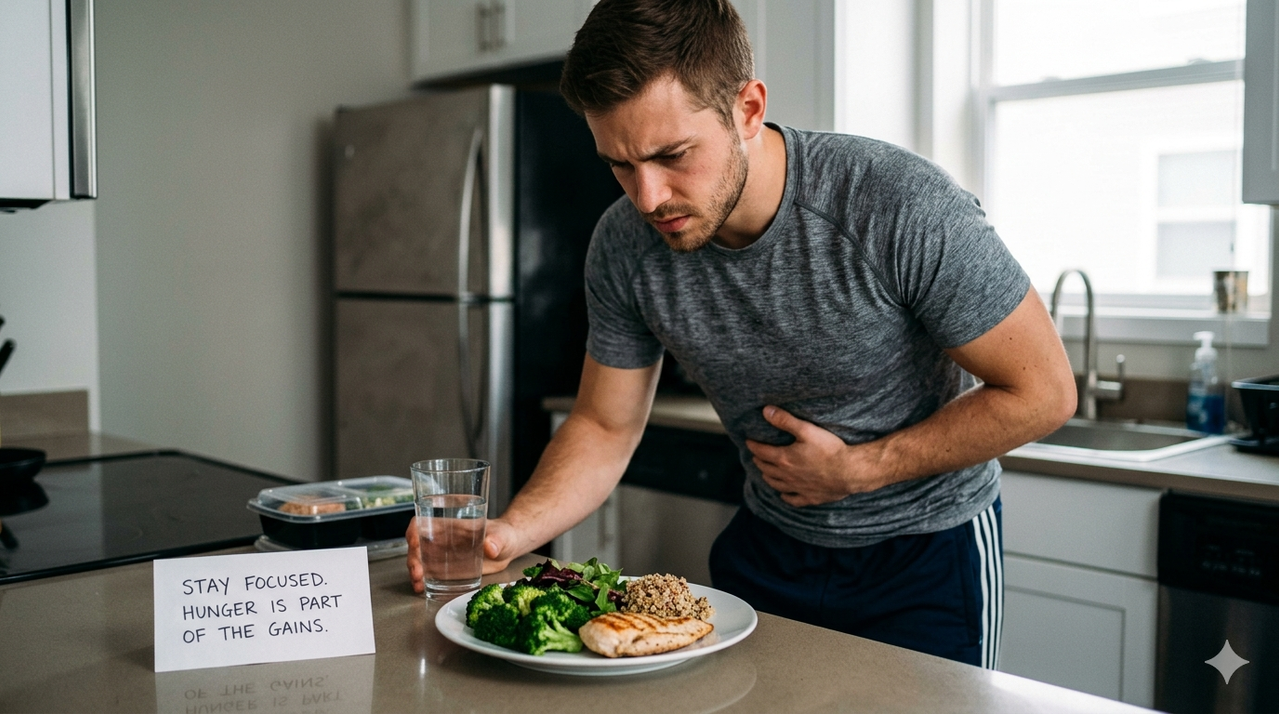
Here's the truth that changes everything: how to handle hunger pangs during a strict cutting phase isn't about heroic willpower—it's about understanding your biology and working with it. When you cut calories, your body doesn't care about summer abs. It thinks "famine" and ramps up hunger signals (ghrelin) while suppressing fullness signals (leptin) . This is evolution, not a character flaw. This guide provides science-backed strategies to manage hunger without sacrificing your progress.
2. The Science: Your Body Fights Back
2.1. The Hunger Hormone Cascade
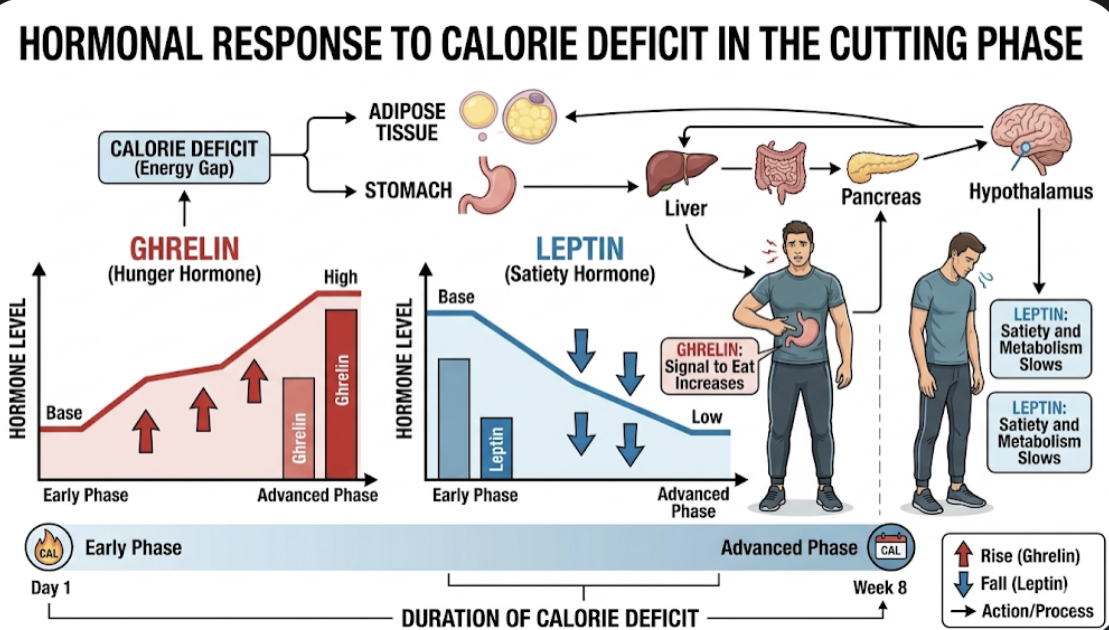
When you enter a calorie deficit, your body mounts a coordinated defense. Ghrelin (the "hunger hormone") levels rise, sometimes by as much as 15% . Leptin (the "fullness hormone") drops, making it harder to feel satisfied after meals . This isn't a flaw—it's an evolutionary survival mechanism.
2.2. The 2010 Sleep-Hunger Study
Research shows that even one night of poor sleep can increase hunger hormones by up to 15% while decreasing satiety hormones by 26% . Sleep-deprived individuals eat an average of 300 more calories per day than well-rested people—enough to completely negate your deficit .
2.3. Why Willpower Isn't Enough
The difference between successful and failed diets rarely comes down to willpower. It comes down to managing hunger when it comes up so you can stay consistent . With the right approach, you can work with your body instead of against it.
3. Strategy #1: Protein—The Satiety Powerhouse
3.1. How Much Protein Do You Need?
If there's one nutritional strategy that gives you the most bang for your buck during a cut, it's increasing protein intake. Protein is more satiating per calorie than carbs or fats . Aim for 0.7-1g of protein per pound of body weight daily . For a 170 lb person, that's 120-170g of protein.
3.2. The Breakfast Advantage
Front-loading your day with protein makes a significant difference. Research shows that a protein-rich breakfast increases satiety throughout the day and stabilizes blood sugar . One study found that participants who ate eggs for breakfast lost 65% more weight and 16% more body fat than those who ate a carb-heavy breakfast with the same calories .
3.3. Timing and Distribution
Studies show that spreading protein evenly across 3-4 meals optimizes appetite control and muscle protein synthesis . Include a protein source with every meal and snack. Keep ready-to-eat options handy: Greek yogurt, cottage cheese, protein bars, or hard-boiled eggs .
Protein-Rich Breakfast Ideas
- Egg-based: 3-egg scramble with spinach (18g protein)
- Yogurt bowl: 1 cup Greek yogurt (20g) + berries + 1 tbsp almonds
- Protein oatmeal: 1 cup oats + 1 scoop protein powder (25g) + berries
- Tofu scramble (vegan): 6 oz firm tofu (15g) with veggies
4. Strategy #2: Fiber and Volume Eating
4.1. Why Volume Matters
Your stomach recognizes volume, not calories, to signal fullness . High-volume, low-calorie foods allow you to eat satisfying portions without blowing your deficit. Fiber-rich foods are the key—they slow digestion, stabilize blood sugar, and keep you full longer .
4.2. The 22% Water Hack
Drinking two cups (500ml) of water right before meals reduces calorie intake by an average of 22% . This simple, zero-cost strategy fills your stomach and sends fullness signals to your brain before you start eating.
4.3. High-Volume Food Ideas
- Start meals with soup or salad: Broth-based soup or large vegetable salad adds volume for minimal calories .
- Crunchy Cucumber Boats: Cucumbers hollowed and filled with Greek yogurt, dill, and garlic—under 100 calories, huge volume .
- Egg Roll in a Bowl: Ground turkey, cabbage, carrots, and ginger—~250-300 calories per generous serving .
- Zoodle Pasta with Turkey Meatballs: Zucchini noodles with lean meatballs—~280 calories, satisfying portion .
5. Strategy #3: Sleep and Stress Management
5.1. The Sleep-Hunger Connection
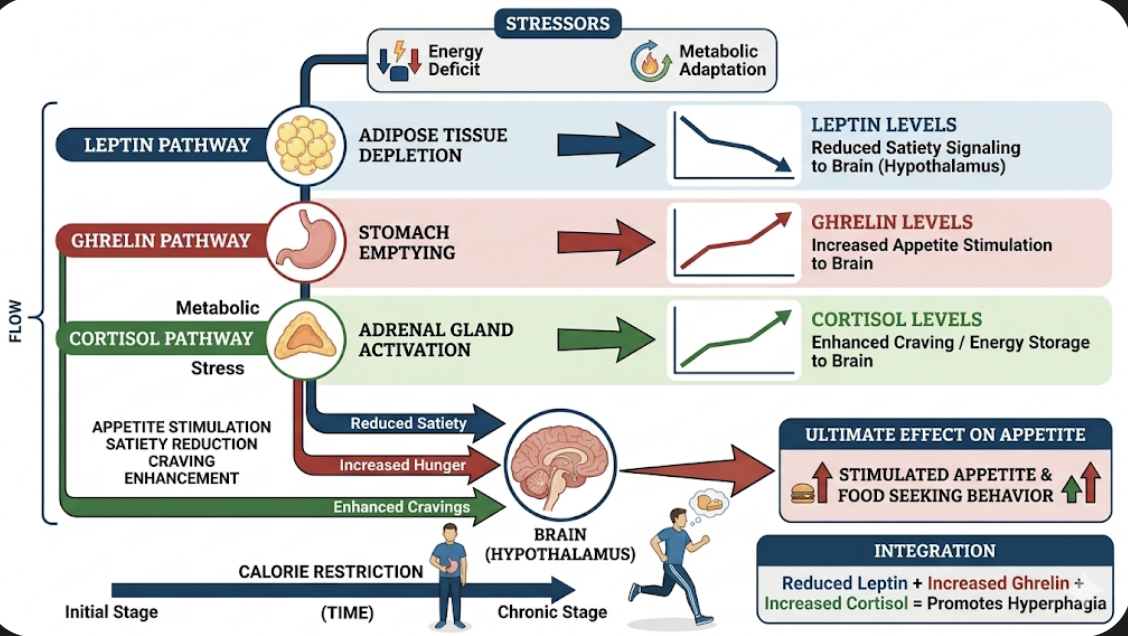
If you're shorting yourself on sleep, you're making hunger management much harder. Research shows that even one night of poor sleep can increase ghrelin by up to 15% and intensify cravings for sweet and salty foods . Aim for 7-9 hours of quality sleep nightly .
5.2. Cortisol and Hunger
Chronic stress elevates cortisol, which can increase appetite and promote abdominal fat storage . Incorporate stress-management practices like meditation, deep breathing, or gentle walking .
5.3. Sleep Hygiene Practices
- Establish a consistent sleep schedule
- Create a cool, dark, quiet environment
- Limit screen time before bed
- Avoid caffeine after 2pm
6. Strategy #4: Smart Meal Timing and Frequency
6.1. Eat Frequently to Stay Ahead
It's nearly impossible to choose wisely when you let yourself get too hungry. Plan to eat every 2-3 hours using a "BSLSDS" structure: Breakfast, Snack, Lunch, Snack, Dinner, Snack . This keeps blood sugar steady and hunger at bay.
6.2. Pre- and Post-Workout Timing
Timing nutrients around workouts can help manage hunger. Pre-workout meals should be smaller with easily digestible carbs and protein, eaten 2-3 hours before training . Post-workout, focus on protein to support recovery and satiety .
6.3. The Evening Meal Strategy
During a cut, stick more of your fats and fiber in your last meal of the day. These are the most satiating nutrients and can help you sleep more restfully without hunger disrupting your rest .
7. Strategy #5: Smart Snacking Strategies
7.1. High-Protein Snacks
If snacking is part of your routine, choose high-protein options over high-fat ones. Protein-rich snacks increase fullness and reduce calorie intake at the next meal. One study found that eating protein-rich yogurt in the afternoon led to eating about 100 fewer calories at dinner .
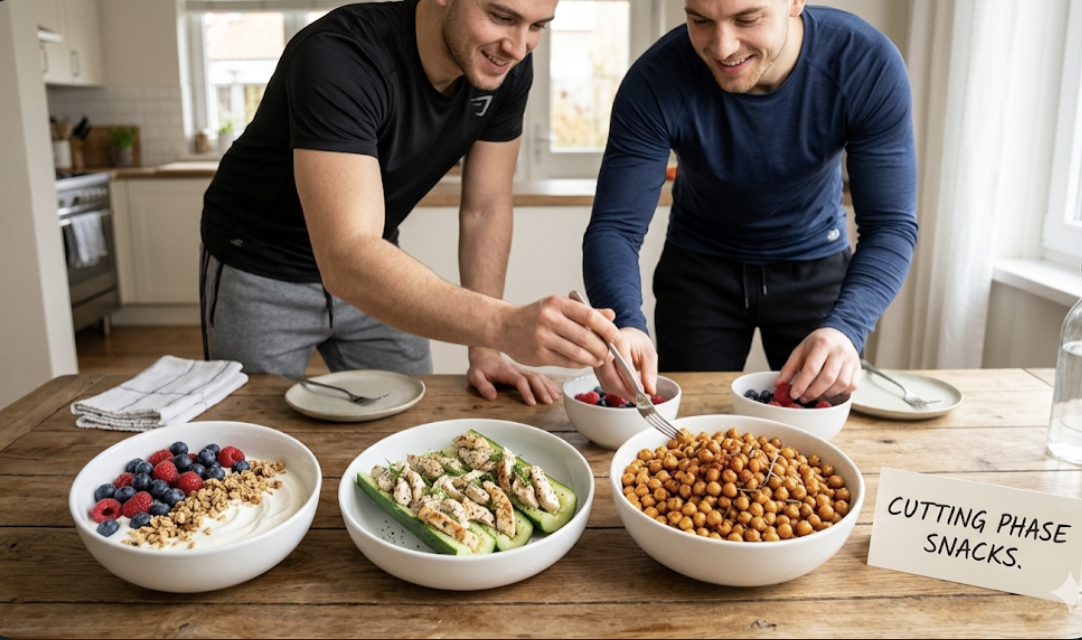
7.2. High-Volume Low-Calorie Snack Ideas
- Crunchy Cucumber Boats: 2 large cucumbers hollowed, filled with ½ cup non-fat Greek yogurt, dill, lemon zest—under 100 calories .
- Roasted chickpeas: 20g serving—crunchy, protein-rich, satisfying .
- Berries: 1 cup raspberries—64 calories, 8g fiber .
- Tzatziki Cucumber Slices: 1 serving—~62 calories .
- Apple with cinnamon almond butter: Satisfies sweet cravings with protein and fiber .
8. Sample 1800-Calorie Cutting Meal Plan
This sample plan prioritizes protein (140g) and fiber (35g+) to maximize satiety during a cut. Based on Mediterranean-style eating patterns and vegetarian options .
Breakfast (7:30 AM) – 400 kcal | 30g protein
- 3 eggs scrambled with spinach (18g protein)
- 1 slice whole-grain toast (3g protein)
- 1 cup berries
- 1 tbsp almond butter (4g protein)
Mid-Morning Snack (10:00 AM) – 150 kcal | 15g protein
- 1 cup non-fat Greek yogurt (15g protein)
Lunch (1:00 PM) – 450 kcal | 35g protein
- 5 oz grilled chicken breast (35g protein)
- 2 cups mixed greens with lemon juice
- ½ cup quinoa (4g protein)
- 1 cup roasted vegetables
Afternoon Snack (4:00 PM) – 150 kcal | 10g protein
- 1 apple + 1 tbsp peanut butter (4g protein)
- OR 20g roasted chickpeas (5g protein)
Dinner (7:30 PM) – 500 kcal | 40g protein
- 5 oz salmon or lean beef (35g protein)
- 2 cups roasted vegetables with 1 tsp olive oil
- 1 cup zucchini noodles or side salad
Evening Snack (optional) – 150 kcal | 10g protein
- 1 cup cottage cheese (25g protein) or 1 scoop casein
Total: ~1,800 kcal, ~140g protein, ~35g fiber
8.1. Vegan/Vegetarian Adaptation
- Breakfast: Tofu scramble (6 oz firm tofu = 15g) + 1 cup oatmeal (5g) + berries
- Lunch: 6 oz tempeh (30g) + quinoa + roasted vegetables
- Dinner: Lentil curry with 1.5 cups lentils (27g) + vegetables
- Snacks: Roasted chickpeas, edamame, protein shake
- Vegetarian meal idea: Paneer tikka with vegetable pulao (100g paneer = 18g)
9. Environmental Strategies
9.1. Control Your Environment
Your environment plays a huge role in managing hunger. Simple changes make a big difference :
- Keep trigger foods out of sight (or out of the house)
- Pre-portion snacks rather than eating from the package
- Use smaller plates and bowls
- Keep healthy, satisfying options easily accessible
- Plan and prep meals in advance to avoid last-minute decisions when hungry
9.2. The Larger Fork Trick
One study observed that people who used larger forks ate 10% less than those using smaller forks. Researchers speculate that smaller utensils may make people feel they're not satisfying their hunger .
10. Common Hunger Management Mistakes
- Mistake #1: Too large a deficit. Warning signs include constant food thoughts, difficulty sleeping, extreme hunger, and mood swings . Stick to 300-500 calories below maintenance.
- Mistake #2: Skimping on protein. Protein is the most satiating macronutrient. Don't drop below 0.7g/lb .
- Mistake #3: Ignoring fiber. Most people fall short of the recommended 25-35g daily. Make vegetables half your plate .
- Mistake #4: Poor sleep. One night of bad sleep can derail your hunger hormones for days .
- Mistake #5: Not drinking water. Pre-meal water reduces calorie intake by 22% .
11. Related Resources
12. Scientific References
- Sabin, N. (2025). 5 No-Nonsense Ways to Manage Hunger During a Fat Loss Phase. Born Fitness. View Source
- 蕭捷健醫師. (2024). 吃對蛋白質 增肌減脂又穩血糖!醫授攝取4大時機. 自由健康網. View Source
- Old Plain Recipes. (2025). High Volume Low Calorie Snacks - Crunchy Cucumber Boats. oldplainrecipes.com. View Source
- EatingWell. (2025). 30-Day Simple Mediterranean Diet Meal Plan to Eat Less Meat. eatingwell.com. View Source
- Vinmec International Hospital. (2025). 18 Science-Based Ways to Reduce Hunger and Appetite. vinmec.com. View Source
- Tognarini, J. (2023). How to Optimize Meal Timing for Gaining or Cutting. Generation Iron. View Source
- Fitnessista. (2025). High Volume Low Calorie Recipes. fitnessista.com. View Source
- Pinkvilla. (2025). How A Woman Lost 25 Kg on a Pure Veg Diet – Her Weekly Meal Plan Revealed! pinkvilla.com. View Source
- HMR Program. (2025). Win the Hunger Games with these 4 Program Mantras. hmrprogram.com. View Source
- Women's Health Taiwan. (2026). 蛋白質早餐吃最有效?營養師揭密:掌握「黃金分配法」,比一次大量攝取更增肌、更飽足. womenshealthmag.com. View Source
Join the conversation