How to Avoid Muscle Loss While Cutting (Science-Based Guide)
How to Avoid Muscle Loss While Cutting (Science-Based Guide)
⚡ TL;DR
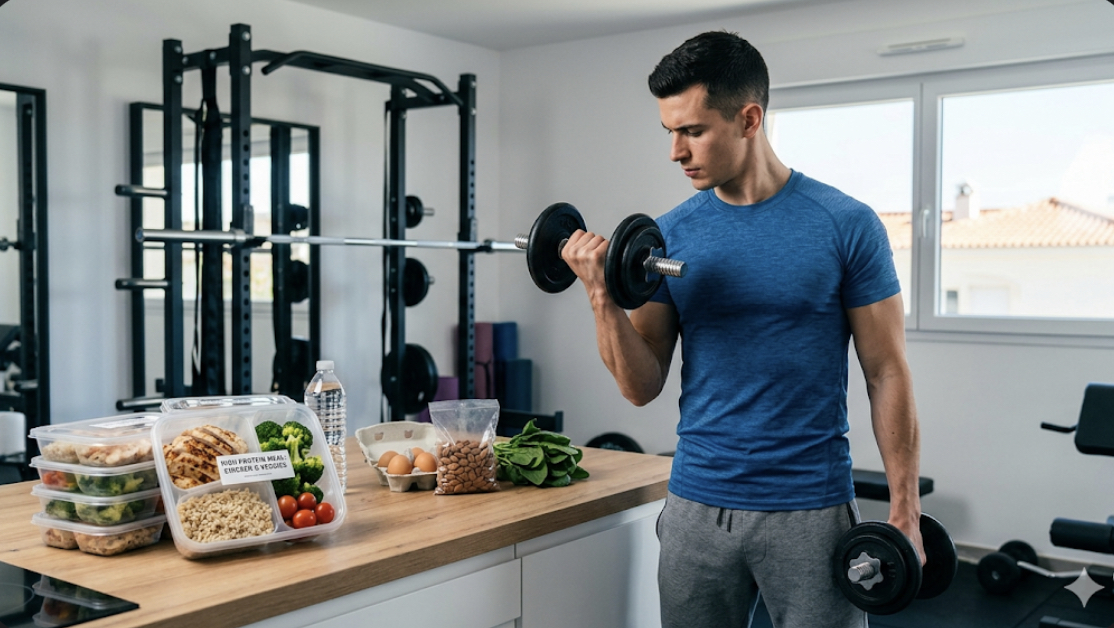
To avoid muscle loss while cutting, you need to create a metabolic environment that favors fat oxidation over muscle breakdown. This requires three pillars: high protein intake (1.6–2.2 g/kg/day) to stimulate muscle protein synthesis, strength training 3–4 times per week to signal muscle preservation, and a modest calorie deficit (300–500 kcal) to lose fat slowly. Additionally, proper nutrient timing, adequate sleep, and gradual progression are essential. This guide provides science-backed strategies, sample meal plans for omnivores and vegans, and training tips to help you keep muscle while losing fat.
1. The Cutting Dilemma: Lose Fat, Not Muscle
The goal of any cutting phase is simple: shed body fat while preserving the hard-earned muscle you've built. But without the right approach, your body may break down muscle tissue for energy, especially during a calorie deficit. The good news is that with evidence-based strategies, you can cutting without losing muscle.
Can you lose fat without losing muscle?
Yes, absolutely. You can lose fat without losing muscle by maintaining a high protein intake (1.6–2.2 g per kg of body weight), engaging in regular strength training, and ensuring adequate recovery (sleep and rest). Research consistently shows that combining these factors allows for fat loss while preserving or even gaining muscle in some cases, particularly in beginners or those returning from a break . This is often called body recomposition.
2. The Science: Muscle Protein Synthesis vs. Breakdown
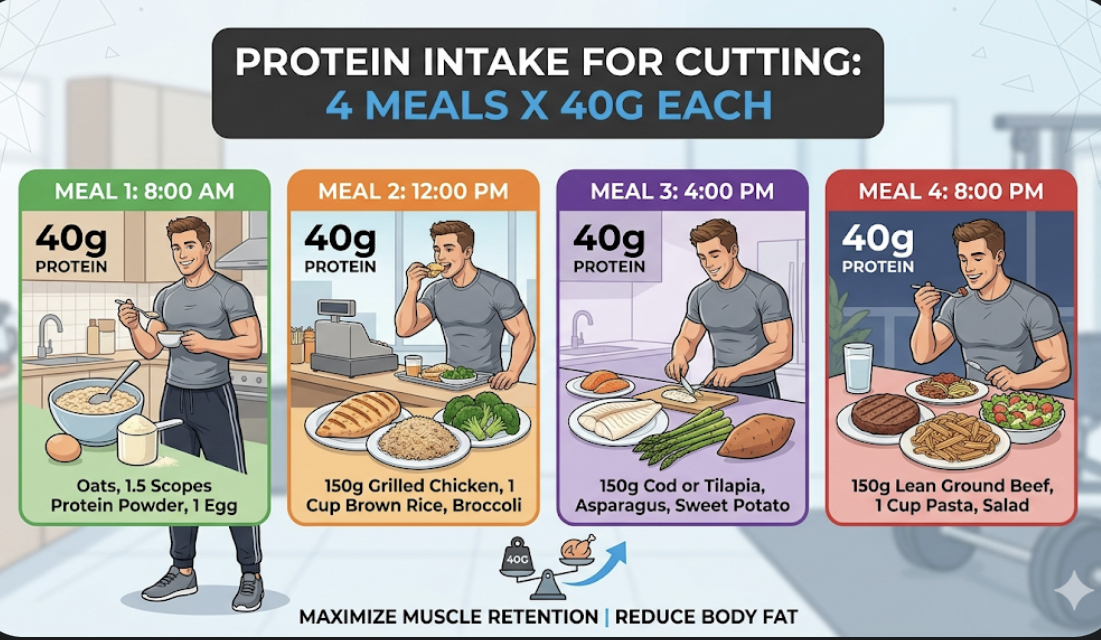
2.1. The Dynamic Balance
Muscle tissue is in a constant state of turnover. Muscle protein synthesis (MPS) builds new muscle, while muscle protein breakdown (MPB) breaks it down. In a calorie deficit, MPB can exceed MPS, leading to net muscle loss . The goal of a cutting phase is to keep MPS elevated enough to offset the increase in MPB caused by the energy deficit.
2.2. Protein's Critical Role
Dietary protein, particularly the amino acid leucine, is the primary stimulator of MPS. A 2020 meta-analysis confirmed that higher protein intakes (above 1.6 g/kg/day) significantly reduce the loss of lean mass during energy restriction .
2.3. Resistance Training: The Anabolic Signal
Mechanical tension from lifting weights is the most potent stimulus for MPS. Training during a cut tells your body, "this muscle is needed," and prioritizes its preservation. Without this signal, muscle loss accelerates .
3. Strategy #1: Protein Intake – The Master Regulator
3.1. How Much Protein Do You Need?
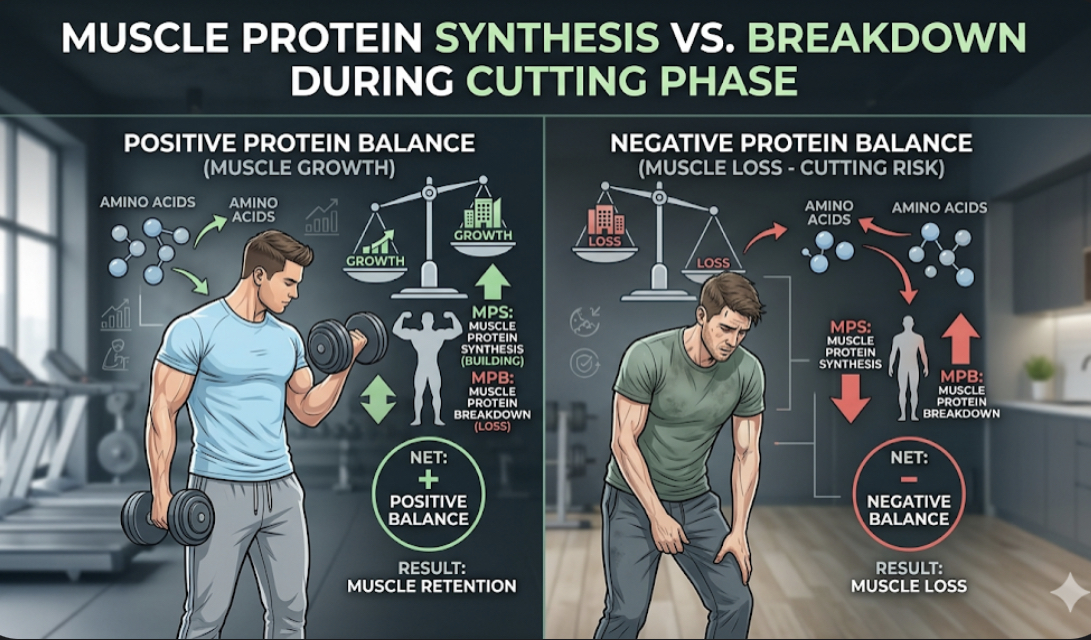
For individuals in a calorie deficit, the recommended intake is 1.6–2.2 grams of protein per kilogram of body weight daily (0.7–1.0 g/lb) . For an 80 kg person, that's 128–176 grams of protein per day. Higher intakes (up to 2.4 g/kg) may offer additional benefits for very lean individuals or those with aggressive deficits.
3.2. Protein Timing and Distribution
Research suggests that distributing protein evenly across 3–4 meals (each containing 0.4–0.55 g/kg) optimizes MPS throughout the day . Aim for 30–50 grams of protein per meal. A pre-sleep protein source (like casein or cottage cheese) can also support overnight MPS .
3.3. Best Protein Sources for Cutting
- Animal-based: Chicken breast, turkey, lean beef, eggs, egg whites, Greek yogurt, cottage cheese, fish (cod, tuna, salmon), whey/casein isolates.
- Plant-based: Tofu, tempeh, edamame, lentils, chickpeas, seitan, pea protein, brown rice protein, hemp seeds.
4. Strategy #2: Strength Training – The Anabolic Signal
4.1. Lift Heavy, Stay Strong
Contrary to the myth that you need high reps and light weight to "tone," the best way to preserve muscle during a cut is to maintain intensity. Aim to keep your working weights as high as possible (80%+ of your one-rep max) while adjusting volume as needed. A 2017 study found that training with heavy loads was superior for retaining muscle during caloric restriction .
4.2. Recommended Training Split
Perform full-body workouts 3 times per week, or an upper/lower split 4 times per week. Focus on compound lifts: squat, deadlift, bench press, overhead press, rows. These recruit the most muscle and provide the strongest anabolic signal.
4.3. Should You Do Cardio?
Cardio can help create a calorie deficit, but excessive amounts can interfere with recovery and muscle preservation. Stick to 2–3 sessions of low-to-moderate intensity cardio (LISS) per week, or incorporate high-intensity intervals (HIIT) sparingly. Prioritize steps (NEAT) over extra cardio sessions .
5. Strategy #3: Calorie Deficit and Recovery
5.1. How Big Should Your Deficit Be?
Aggressive deficits (>500–700 kcal below maintenance) increase the risk of muscle loss. A moderate deficit of 300–500 kcal per day is ideal for sustainable fat loss while preserving lean mass . This typically results in 0.5–1 kg (1–2 lbs) of weight loss per week.
5.2. Sleep and Stress Management
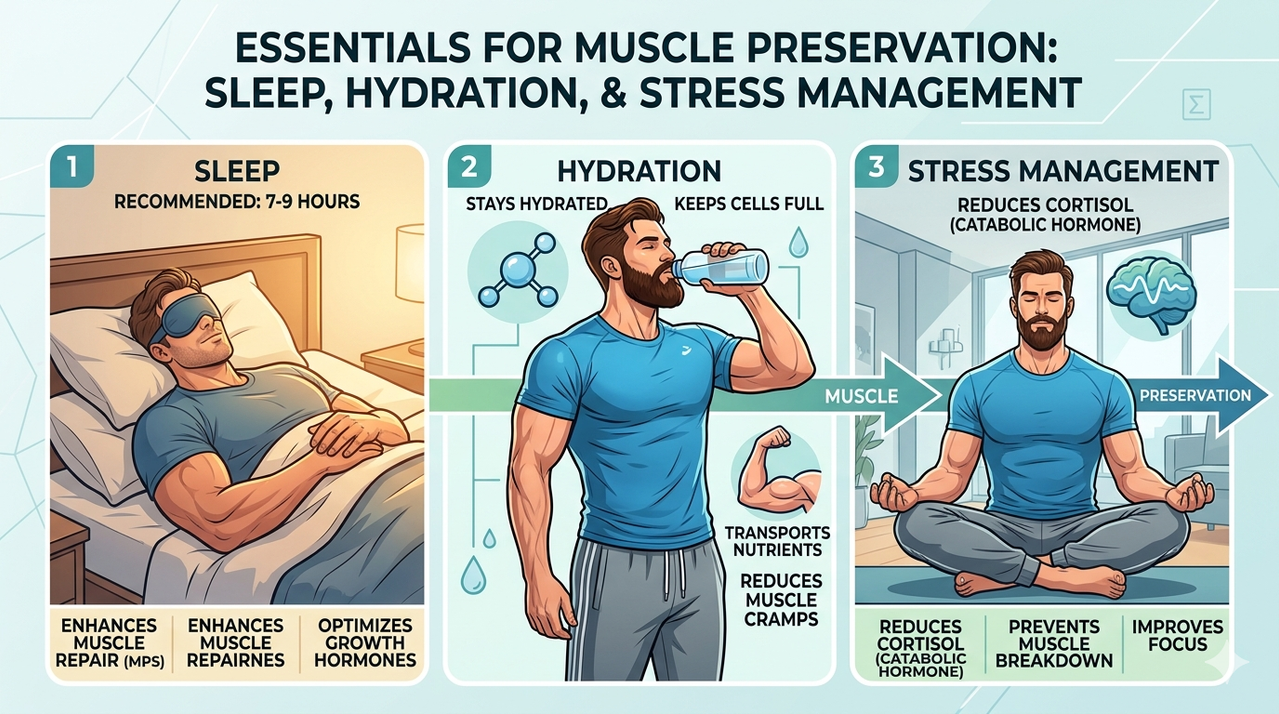
Poor sleep elevates cortisol, which can promote muscle breakdown and fat storage. Aim for 7–9 hours per night. Chronic stress also raises cortisol—incorporate stress-reduction practices like meditation or walking .
5.3. Diet Breaks and Refeeds
Periodic diet breaks (1–2 weeks at maintenance calories) or refeed days (higher carbs) can help restore hormone levels (leptin, thyroid) and metabolic rate, potentially reducing muscle loss during prolonged cuts .
6. Sample Cutting Meal Plans (Preserve Muscle Focus)
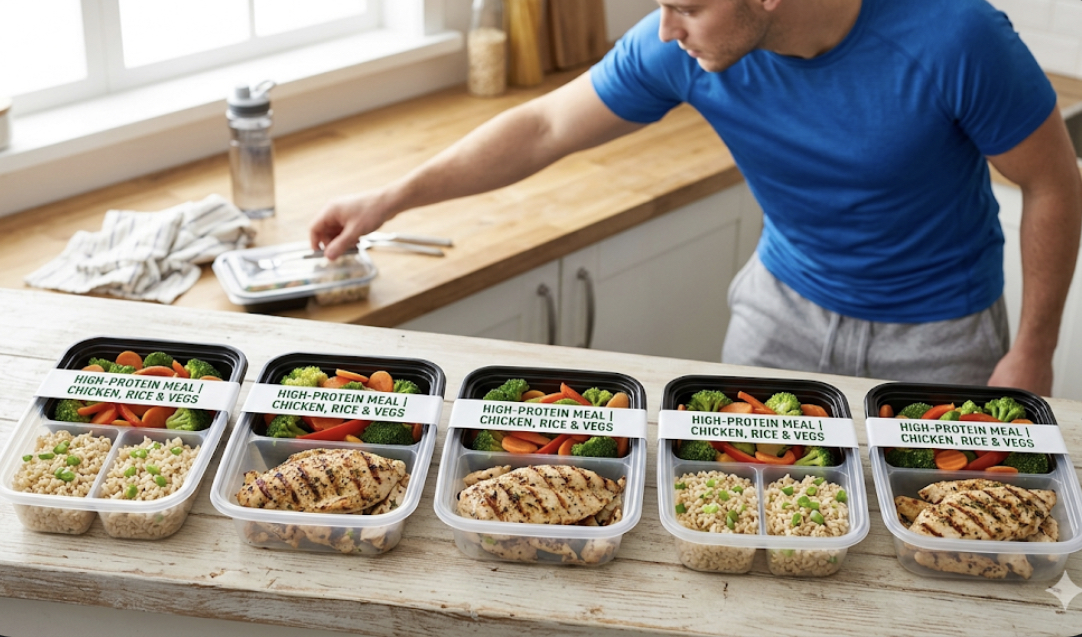
6.1. Omnivore Plan – 2,000 kcal, 160g Protein (for 75 kg person)
- Meal 1 (7:30 AM): 3 whole eggs + 3 egg whites scrambled with spinach, 1 slice whole-grain toast, 1 tbsp olive oil (450 kcal, 35g protein)
- Meal 2 (10:30 AM): 200g Greek yogurt (0%) + 100g berries (200 kcal, 20g protein)
- Meal 3 (1:30 PM): 150g grilled chicken breast, 200g roasted sweet potato, 200g broccoli (500 kcal, 40g protein)
- Meal 4 (4:30 PM – Pre-workout): 1 scoop whey protein + water, 1 apple (200 kcal, 25g protein)
- Meal 5 (7:30 PM – Post-workout/Dinner): 150g salmon, 300g mixed greens + cucumber + tomato, 1 tbsp vinaigrette, ½ cup quinoa (450 kcal, 40g protein)
- Evening Snack (optional): 150g cottage cheese (150 kcal, 15g protein)
6.2. Vegan/Vegetarian Plan – 2,000 kcal, 150g Protein
- Meal 1: Tofu scramble (200g firm tofu with turmeric, spinach) + 1 slice whole-grain toast (400 kcal, 25g protein)
- Meal 2: 200g silken tofu + 100g berries (200 kcal, 15g protein)
- Meal 3: 200g tempeh, 150g quinoa, 200g roasted veggies (600 kcal, 35g protein)
- Meal 4 (Pre-workout): 1 scoop pea protein + water, 1 banana (200 kcal, 25g protein)
- Meal 5 (Post-workout/Dinner): 1 cup cooked lentils, 300g mixed greens, 100g edamame, 1 tbsp olive oil (450 kcal, 30g protein)
- Evening: 1 cup unsweetened soy milk (100 kcal, 8g protein)
Gluten-Free Options
- Choose certified gluten-free oats, quinoa, buckwheat, or rice.
- Ensure protein sources (tofu, tempeh, meats) are unprocessed or labeled GF.
7. Common Mistakes That Lead to Muscle Loss While Cutting
- Mistake #1: Too large a calorie deficit. Rapid weight loss inevitably includes muscle loss. Stick to 0.5–1% of body weight per week .
- Mistake #2: Insufficient protein intake. Dropping protein too low is a recipe for muscle wasting.
- Mistake #3: Dropping training intensity. Lifting lighter weights tells your body it doesn't need to keep muscle.
- Mistake #4: Too much cardio. Excessive cardio can interfere with recovery and increase muscle breakdown.
- Mistake #5: Ignoring sleep and stress. High cortisol and poor sleep accelerate muscle loss.
- Mistake #6: Not adjusting as you lean out. As you lose weight, your protein needs (g/kg) remain the same, but your total calorie needs drop. Reassess every 4–6 weeks.
8. Frequently Asked Questions
Can you lose fat without losing muscle?
Yes, by maintaining a high protein intake (1.6–2.2 g/kg), lifting weights consistently, and keeping a moderate calorie deficit.
How much protein do I need to avoid muscle loss while cutting?
Aim for 1.6–2.2 grams per kilogram of body weight daily. Spread it across 3–5 meals for best results.
Should I do cardio while cutting?
Yes, but prioritize steps (NEAT) and low-intensity cardio. Excessive HIIT can hinder recovery. 2–3 sessions per week is sufficient.
How fast should I lose weight to preserve muscle?
Aim for 0.5–1% of your body weight per week. For an 80 kg person, that's 0.4–0.8 kg per week.
Can I build muscle while cutting?
Beginners, those returning after a break, or individuals with higher body fat can experience body recomposition—building muscle while losing fat. For advanced lifters, the goal is preservation, not gain.
What's the best pre-workout meal for cutting?
A mix of protein and carbs: e.g., a protein shake with a banana or Greek yogurt with berries. This provides energy and amino acids for training.
Is intermittent fasting bad for muscle preservation?
Not necessarily, but ensure your total protein intake is adequate and distributed. Some individuals may find it harder to eat enough protein in a compressed window.
9. Related Resources
- Low-Intensity Walking for Fat Loss: Simple Strategy to Burn More Fat
- How to Handle Hunger Pangs During a Strict Cutting Phase (Athlete’s Guide)
- Intermittent Fasting for Bodybuilders: Pros, Cons, and Muscle-Building Truth
- How to Lose Belly Fat Without Losing Muscle (Science-Based Guide)
- Why You’re Not Losing Fat Despite Eating Clean (7 Science-Backed Reasons)
10. Scientific References
- Hector, A. J., & Phillips, S. M. (2018). Protein Recommendations for Weight Loss in Elite Athletes: A Focus on Body Composition. International Journal of Sport Nutrition and Exercise Metabolism, 28(2), 170–177. PubMed
- Morton, R. W., et al. (2018). A systematic review, meta-analysis and meta-regression of the effect of protein supplementation on resistance training-induced gains in muscle mass and strength in healthy adults. British Journal of Sports Medicine, 52(6), 376–384. PubMed
- Schoenfeld, B. J., et al. (2016). Effects of resistance training frequency on measures of muscle hypertrophy: a systematic review. Sports Medicine, 46(11), 1689–1697. PubMed
- Helms, E. R., et al. (2014). Evidence-based recommendations for natural bodybuilding contest preparation. Journal of the International Society of Sports Nutrition, 11(1), 20. PubMed
- Areta, J. L., et al. (2013). Timing and distribution of protein ingestion during prolonged recovery from resistance exercise alters myofibrillar protein synthesis. Journal of Physiology, 591(9), 2319–2331. PubMed
- Trommelen, J., & van Loon, L. J. (2016). Pre-Sleep Protein Ingestion to Improve the Skeletal Muscle Adaptive Response to Exercise Training. Nutrients, 8(12), 763. PubMed
- Garthe, I., et al. (2011). Effect of two different weight-loss rates on body composition and strength in elite athletes. International Journal of Sport Nutrition and Exercise Metabolism, 21(2), 97–104. PubMed
- Nedeltcheva, A. V., et al. (2010). Insufficient sleep undermines dietary efforts to reduce adiposity. Annals of Internal Medicine, 153(7), 435–441. PubMed
- Peos, J. J., et al. (2019). Intermittent dieting: theoretical considerations for the athlete. Sports Medicine, 49(Suppl 2), 135–144. PubMed
- ACSM. (2021). Nutrition and Athletic Performance. Medicine & Science in Sports & Exercise, 53(3), 600–618. PubMed
Join the conversation