How to Reduce Hunger During a Cutting Phase (Proven Diet Tips)
How to Reduce Hunger During a Cutting Phase (Proven Diet Tips)
⚡ TL;DR – Control Hunger While Cutting
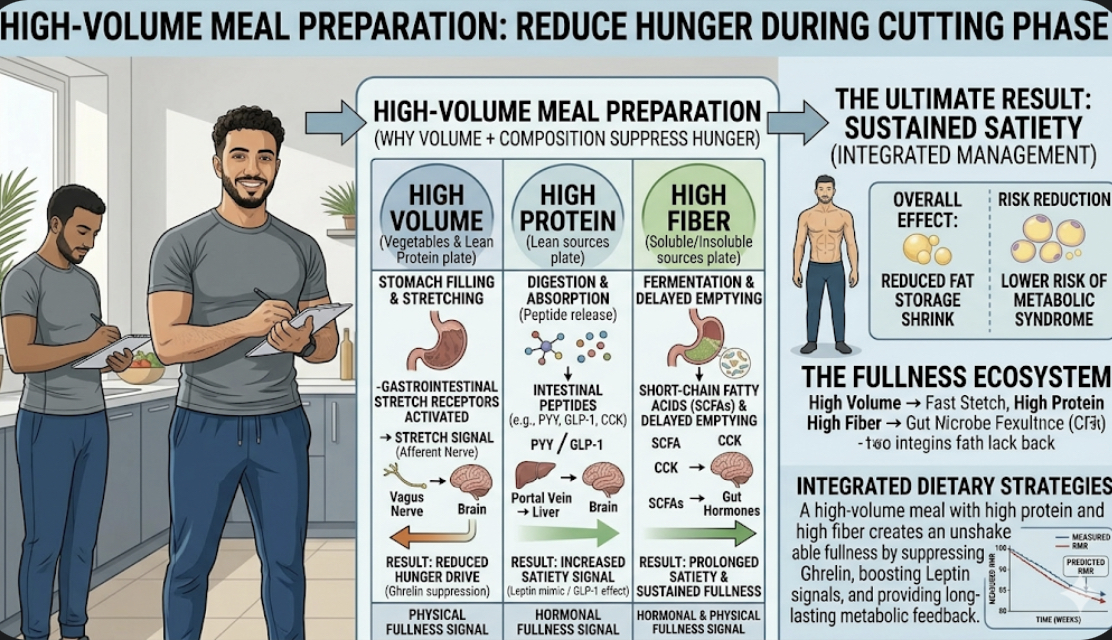
To reduce hunger during a cutting phase, you must work with your biology, not against it. Prioritize high-volume low-calorie foods (vegetables, broth soups), eat 0.8–1g protein per pound body weight, spread meals evenly, and stay hydrated. Hunger hormones (ghrelin) rise in a deficit, but protein and fiber keep them in check. This guide gives you meal timing strategies, sample plans (omnivore, vegan, gluten‑free), and a science‑backed 7‑step system to stop cravings.
1. Why Cutting Feels Like Starving — And How to Fix It
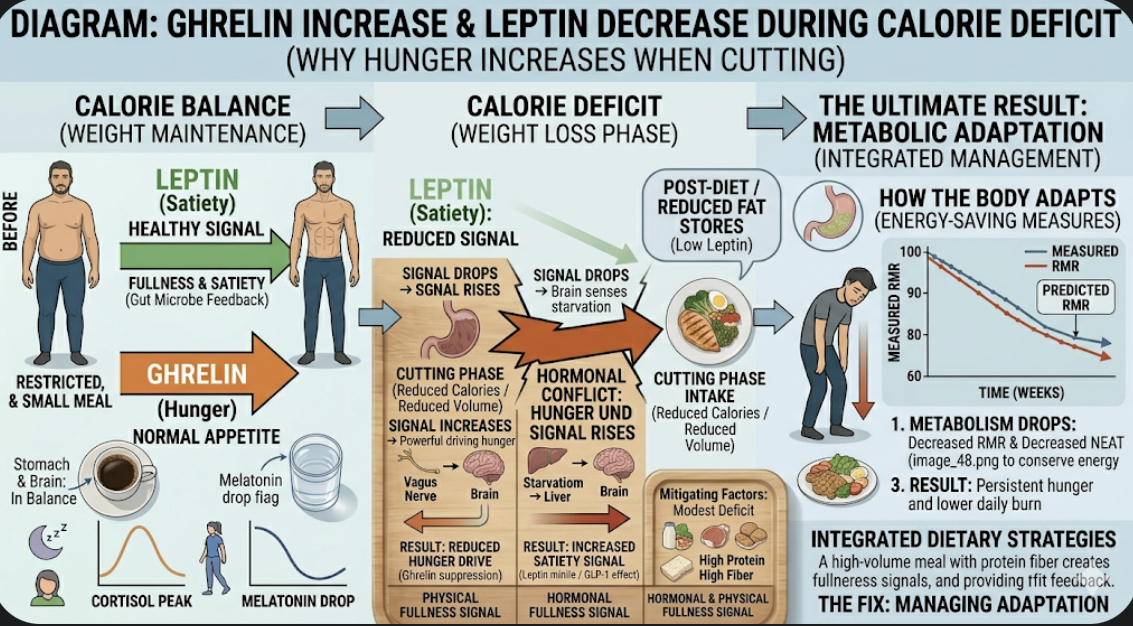
You drop calories, you train hard — and suddenly you’re hungry all day. This isn’t weakness; it’s physiology. When you enter a calorie deficit, your body boosts ghrelin (hunger hormone) and lowers leptin, PYY, and CCK (satiety hormones). The result: you feel hungry even after eating. But you can outsmart these signals. Learning how to reduce hunger during a cutting phase is the difference between suffering and sustainable fat loss.
Why is hunger higher during a cutting phase?
Hunger spikes during a cut because of three factors: calorie deficit directly increases ghrelin secretion; hormonal changes (leptin drops, ghrelin rises); and low food volume — your stomach expects a certain bulk, and when you eat less volume, stretch receptors aren’t activated. This triggers the brain to seek food (Klok et al., 2007). The good news? Volume eating and protein timing override those signals.
2. The Science: Why a Deficit Makes You Ravenous
2.1 Ghrelin: The “Go” Signal
Ghrelin is produced mainly in the stomach. Levels rise before meals and fall after eating. During energy restriction, ghrelin increases dramatically — one study found a 24% rise after six months of calorie restriction (Cummings et al., 2002).
2.2 Leptin: The “Stop” Signal
Leptin is released from fat cells; more fat = more leptin. When you lose fat, leptin drops, and your brain interprets this as starvation, ramping up hunger (Rosenbaum & Leibel, 2014).
2.3 PYY, CCK, and GLP-1
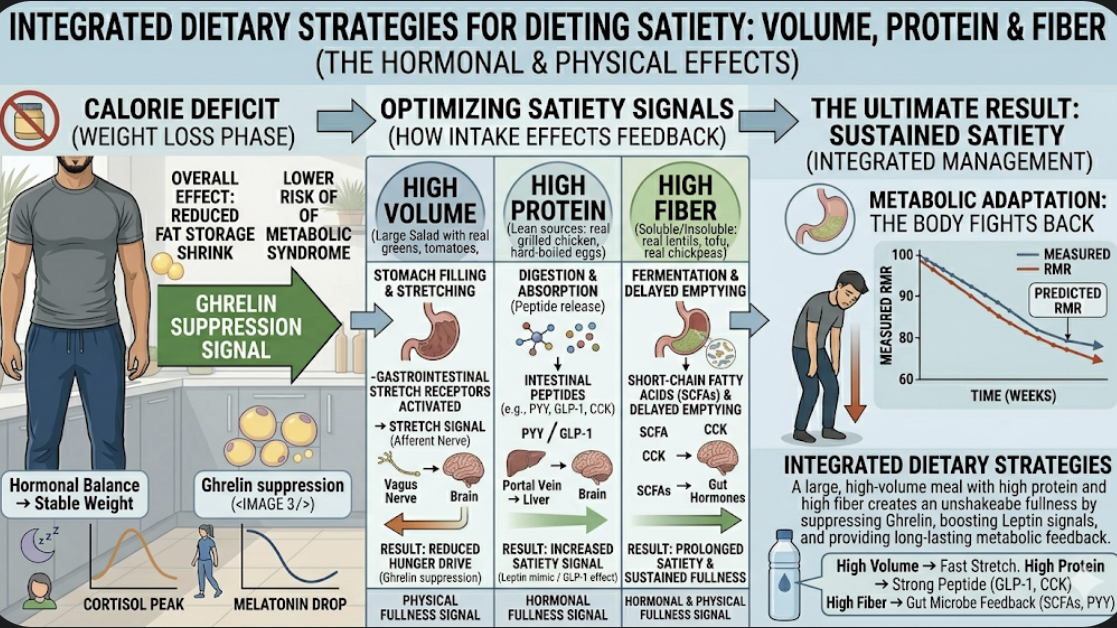
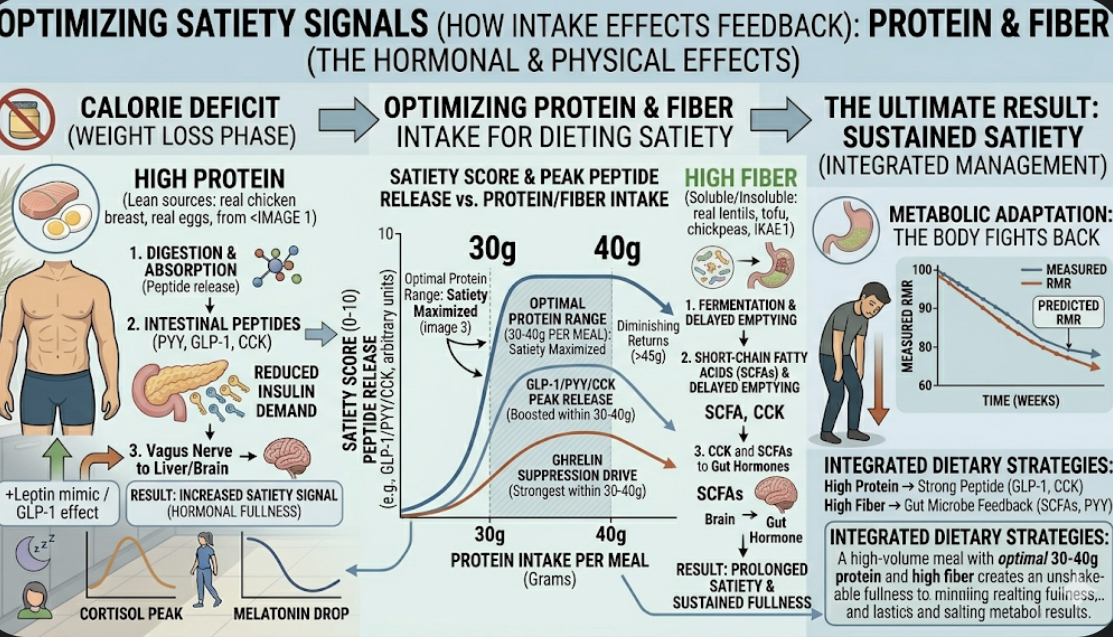
These gut hormones signal fullness. Protein and fiber are the most potent stimulators of PYY and CCK (Westerterp-Plantenga et al., 2012).
3. 7 Proven Strategies to Reduce Hunger While Cutting
3.1 Volume Eating – Fill Your Stomach, Not Your Calories
Foods with low calorie density (high water/fiber) stretch the stomach and trigger mechanoreceptors, signalling fullness. Aim for at least 500g non-starchy veggies per day.
3.2 Protein Pacing – 30–40g Per Meal
Protein has the highest thermic effect and most satiety. Aim for 0.4g/kg per meal, 4–5 meals daily. A 2020 review confirmed protein at breakfast reduces evening cravings (Leidy et al., 2020).
3.3 Fiber – The Appetite Regulator
Soluble fiber (oats, legumes, apples) forms a gel that slows gastric emptying. Shoot for 30g fiber daily.
3.4 Strategic Hydration
Drink 500ml water 30 min before meals. Thirst is often mistaken for hunger (Mattes, 2010).
3.5 Meal Timing & Frequency
Eating every 3–4 hours stabilises blood sugar and prevents extreme hunger. A 2013 study found that 4–5 meals per day reduce hunger more than 3 large meals (Ohkawara et al., 2013).
3.6 Sleep – The Hunger Switch
Short sleep increases ghrelin and decreases leptin. Aim for 7–9 hours (Taheri et al., 2004).
3.7 Mindful Eating & Stress Management
Cortisol increases appetite. Meditation and slow eating help.
4. Infographic: Protein Distribution for Satiety
5. Sample Cutting Day (2200 kcal) – Low Hunger
Designed for an 80kg active male. Adjust portions for your needs.
- Meal 1 (7:30): 3 whole eggs + 3 egg whites, 150g spinach, 150g berries, 30g almonds (45g protein, 500 kcal)
- Meal 2 (10:30): 200g Greek yogurt (0% fat) + 100g raspberries (25g protein, 150 kcal)
- Meal 3 (13:30): 200g chicken breast, 300g roasted veggies (broccoli, bell pepper), 150g sweet potato (50g protein, 550 kcal)
- Meal 4 (17:00): 1 scoop casein + water, 1 apple (25g protein, 150 kcal)
- Meal 5 (20:30): 200g lean fish (cod/tilapia), 400g mixed greens + cucumber + tomatoes, 1 tbsp olive oil (45g protein, 500 kcal)
Total: ~2200 kcal, 190g protein, 50g fiber.
5.1 Vegan Adaptation
- Replace eggs with 200g firm tofu (20g protein).
- Replace chicken with 200g tempeh or seitan (30–40g protein).
- Replace Greek yogurt with 200g silken tofu + berries.
- Add lentils or chickpeas at lunch (100g cooked = 7g protein).
- Use pea protein isolate for shakes.
5.2 Gluten‑Free Adaptation
- Choose quinoa, buckwheat, or certified oats.
- Ensure seitan is replaced with tofu/tempeh if gluten sensitive.
- Check labels on protein powders.
6. Related Guides
- Low-Intensity Walking for Fat Loss: Simple Strategy to Burn More Fat
- How to Handle Hunger Pangs During a Strict Cutting Phase (Athlete’s Guide)
- Intermittent Fasting for Bodybuilders: Pros, Cons, and Muscle-Building Truth
- How to Lose Belly Fat Without Losing Muscle (Science-Based Guide)
- Why You’re Not Losing Fat Despite Eating Clean (7 Science-Backed Reasons)
7. Frequently Asked Questions
How can I reduce hunger during a cutting phase at night?
Have a high‑protein snack before bed (casein, cottage cheese) and drink herbal tea. Avoid screens, and ensure dinner contains fiber.
What are the best low‑calorie snacks to stop hunger?
Rice cakes with cottage cheese, vegetable sticks with hummus, or a bowl of berries. Keep portions measured.
Does caffeine help control appetite?
Yes, caffeine can temporarily suppress appetite and increase alertness. Black coffee or green tea before meals may reduce intake (Schubert et al., 2017).
Why am I always hungry even after eating?
Your meals might be too low in protein/fiber or too high in refined carbs. Check your macronutrient balance.
Can I use appetite suppressants?
Natural strategies (food, sleep, water) are safer and more sustainable. Consult a doctor before any supplements.
8. Scientific References
- Cummings, D. E., et al. (2002). Plasma ghrelin levels after diet-induced weight loss or gastric bypass surgery. New England Journal of Medicine, 346(21), 1623–1630. PubMed
- Klok, M. D., et al. (2007). The role of leptin and ghrelin in the regulation of food intake and body weight in humans: a review. Obesity Reviews, 8(1), 21–34. PubMed
- Leidy, H. J., et al. (2020). The role of protein in weight loss and maintenance. American Journal of Clinical Nutrition, 111(3), 500–508. PubMed
- Mattes, R. D. (2010). Hunger and thirst: issues in measurement and prediction of eating and drinking. Physiology & Behavior, 100(1), 22–32. PubMed
- Ohkawara, K., et al. (2013). Effects of increased meal frequency on fat oxidation and perceived hunger. Obesity, 21(2), 336–343. PubMed
- Rosenbaum, M., & Leibel, R. L. (2014). 20 years of leptin: role of leptin in energy homeostasis in humans. Journal of Endocrinology, 223(1), T83–T96. PubMed
- Schubert, M. M., et al. (2017). Caffeine, coffee, and appetite control: a review. International Journal of Food Sciences and Nutrition, 68(8), 901–912. PubMed
- Taheri, S., et al. (2004). Short sleep duration is associated with reduced leptin and elevated ghrelin. PLoS Medicine, 1(3), e62. PubMed
- Westerterp-Plantenga, M. S., et al. (2012). Dietary protein, metabolism, and body-weight regulation. American Journal of Clinical Nutrition, 95(2), 297–304. PubMed
Join the conversation