Why You Feel Tired During a Cutting Phase (And How to Fix It)
Why You Feel Tired During a Cutting Phase (And How to Fix It)
⚡ TL;DR – Why You’re Tired and How to Fix It
Feeling tired during a cutting phase is usually due to one (or more) of five factors: (1) too large a calorie deficit, (2) carbohydrate depletion impairing CNS function, (3) inadequate protein or fat intake, (4) micronutrient deficiencies (iron, B vitamins, magnesium), or (5) poor sleep and recovery . The fix: use a moderate deficit (300–500 kcal), time carbs around workouts, prioritize electrolytes and whole foods, and sleep 7–9 hours. This guide provides exact macros, meal examples, and vegan/gluten-free options to restore your energy while still losing fat.
1. The Paradox of Cutting: Losing Fat but Losing Energy
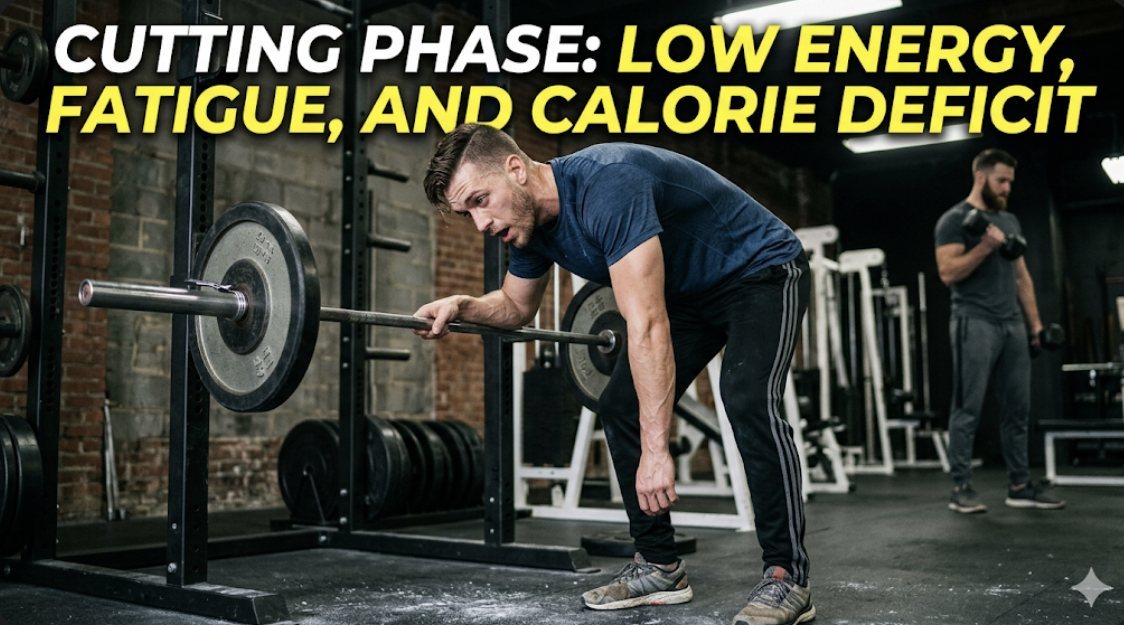
You step into the kitchen, ready to crush your fat loss goals. You’ve dialled in your calories, your training is consistent, and the scale is moving. But by the second week, a heavy fog settles over you. Your legs feel like lead during workouts, you crave naps, and your focus at work slips. You're experiencing the classic downside of a cut: fatigue during fat loss.
If you’re asking “why do I feel tired in a calorie deficit?”, you’re not alone. Research shows that even moderate energy restriction can significantly reduce physical activity energy expenditure and increase perceived fatigue (Redman et al., 2009). The body perceives the deficit as a stressor and downregulates energy-consuming processes. But fatigue doesn’t have to be a given. Understanding the mechanisms allows you to strategically intervene and maintain high energy while leaning out.
2. Why Do I Feel Tired in a Calorie Deficit? The Main Culprits
Feeling exhausted during a cut is multifactorial. The primary drivers are:
- Low calorie availability: Less fuel for basic cellular processes and physical activity.
- Low carbohydrate intake: Carbs are the brain's and muscles' preferred fuel; restriction lowers glycogen and can cause lethargy (Coyle, 1991).
- Poor sleep quality: Calorie restriction can disrupt sleep architecture, increasing fatigue (Karklin et al., 2022).
- Nutrient deficiencies: Inadequate iron, B vitamins, magnesium, or zinc impair energy metabolism (Lukaski, 2004).

3. The Science: What Happens to Your Body in a Deficit
3.1. Metabolic Adaptation and Energy Expenditure
When you reduce calories, your body responds by lowering resting metabolic rate (RMR) and non-exercise activity thermogenesis (NEAT). This "metabolic adaptation" can reduce daily energy burn by 10-15%, making you feel less energetic and more fatigued (Müller & Bosy-Westphal, 2013).

3.2. Hormonal Shifts: Leptin, Thyroid, and Cortisol
Leptin (satiety hormone) drops rapidly in a deficit, signaling energy scarcity. Thyroid hormones T3 and T4 decrease, slowing metabolism. Cortisol may rise, contributing to muscle breakdown and fatigue (Doucet et al., 2002).
3.3. Glycogen Depletion and Central Fatigue
Low glycogen stores affect the central nervous system, reducing drive and motivation to exercise. This "central fatigue" explains why you feel mentally and physically drained (Meeusen et al., 2006).

4. Fix #1: Calories and Macronutrients – Fueling for Energy
4.1. Don’t Cut Too Deep
An aggressive deficit ( >500-700 kcal below maintenance) guarantees fatigue. Stick to a moderate deficit of 300-500 kcal. For most women, that means not going below 1,600-1,800 kcal; for men, 2,000-2,200 kcal unless supervised (Helms et al., 2014).
4.2. Protein Intake: Minimum 0.8g/lb
Protein preserves muscle and supports neurotransmitter function. Aim for 0.8-1g per pound of body weight. A 150 lb person needs 120-150g protein daily. Spread evenly across 3-4 meals .
4.3. Carbohydrates: Timing Is Everything
Carbs are not the enemy. They fuel training and recovery. Low energy during fat loss often results from overly restricted carbs. Consume 40-50% of calories from carbs, focusing them around workouts.
- Pre-workout (1-2 hours before): 30-40g fast-digesting carbs (banana, white rice).
- Post-workout: 40-50g carbs with protein to replenish glycogen and reduce fatigue.
4.4. Don’t Fear Dietary Fat
Fats are essential for hormone production (including testosterone and estrogen). Consume at least 0.3-0.4g per pound (e.g., 45-60g for a 150 lb person).

5. Fix #2: Micronutrients – The Hidden Energy Thieves
5.1. Iron Deficiency and Fatigue
Iron is critical for oxygen transport. Low iron (even without anaemia) causes fatigue, especially in active individuals and women. Include red meat, spinach, lentils, and pair with vitamin C for absorption (Haas & Brownlie, 2001).

5.2. B Vitamins for Energy Metabolism
B vitamins (B12, folate, B6) are cofactors in energy production. Vegans are at risk for B12 deficiency—supplement or consume fortified foods .
5.3. Magnesium and Sleep Quality
Magnesium supports muscle relaxation and deep sleep. Supplementing 300-400mg magnesium glycinate before bed can improve recovery and reduce fatigue (Abbasi et al., 2012).
5.4. Electrolytes: Sodium, Potassium, Magnesium
Low-carb diets increase electrolyte excretion. Add salt to food, eat potassium-rich veggies (leafy greens, avocado), and consider a magnesium supplement. This combats dizziness and lethargy.
6. Fix #3: Sleep – The Ultimate Fatigue Fighter
6.1. How Calorie Deficit Affects Sleep
Energy restriction can reduce slow-wave (deep) sleep and increase nighttime awakenings (Karklin et al., 2022). Poor sleep elevates cortisol and ghrelin, making you hungrier and more tired.
6.2. Sleep Hygiene for Dieters
- Keep room cool and dark.
- No screens 60 minutes before bed.
- Aim for 7-9 hours consistently.
- Consider a small bedtime snack: casein protein (cottage cheese, Greek yogurt) can improve sleep satiety and morning energy.
7. Fix #4: Training Smart – Don’t Drain Yourself
7.1. Reduce Volume, Maintain Intensity
During a cut, you can't recover from high-volume training like you do in a surplus. Keep intensity (weight on the bar) high to preserve muscle, but cut back on total sets (reduce by 20-30%).
7.2. Active Recovery and NEAT
Instead of long LISS cardio, incorporate walking (8,000-10,000 steps daily). It burns calories without excessive fatigue. High-intensity cardio may worsen fatigue; limit to 2 sessions/week.
8. Sample Energy-Boosting Meal Plan (1,850 kcal | 145g protein | 200g carbs | 60g fat)
This plan is designed for a 150lb person in a moderate deficit, prioritizing nutrient timing and density.
Breakfast (7:30 AM) – 430 kcal
- 3 whole eggs + 1 egg white (scrambled with spinach) – 23g protein
- 1 cup oatmeal (dry measure) cooked with water – 10g protein, 54g carbs
- ½ cup blueberries – antioxidants
- 1 tbsp almond butter – healthy fats
Lunch (12:30 PM) – 500 kcal
- 5 oz grilled chicken breast – 35g protein
- 1 cup cooked quinoa – 8g protein, 40g carbs
- 2 cups roasted broccoli with 1 tbsp olive oil – fiber, iron
Pre-Workout Snack (4:00 PM) – 250 kcal
- 1 medium banana – 27g carbs
- 1 scoop whey or pea protein – 25g protein
Post-Workout / Dinner (7:30 PM) – 520 kcal
- 5 oz salmon or lean beef – 35g protein
- 1 medium sweet potato (200g) – 5g protein, 40g carbs, high vitamin A
- Large salad with mixed greens, cucumber, and 1 tbsp vinaigrette
Evening Snack (optional) – 150 kcal
- ½ cup cottage cheese or 1 scoop casein – 12g protein
8.1. Vegan/Vegetarian Adaptation
- Breakfast: Tofu scramble (6 oz firm tofu + spinach) + oats with berries.
- Lunch: 6 oz tempeh or seitan + quinoa + veggies.
- Snack: Pea protein shake + banana.
- Dinner: 6 oz extra-firm tofu + lentils + sweet potato.
- Supplement with B12, iron if needed.
8.2. Gluten-Free Adaptation
- Use certified gluten-free oats, quinoa, and rice; avoid seitan; ensure all sauces are GF.
9. Common Mistakes That Worsen Fatigue
- Mistake #1: Cutting carbs too low (<30% of calories) for too long.
- Mistake #2: Skimping on sodium – low salt causes dizziness and lethargy.
- Mistake #3: Overdoing cardio – adds fatigue without preserving muscle.
- Mistake #4: Ignoring rest days – recovery is when you get stronger and replenish energy.
- Mistake #5: Not adjusting calories as you lose weight – deficit becomes larger over time, increasing fatigue.
10. Frequently Asked Questions
Why do I feel tired in a calorie deficit?
Feeling tired during a cutting phase is usually due to low calorie availability, reduced carbohydrate intake (lower glycogen), poor sleep quality caused by the deficit, and potential nutrient deficiencies (iron, B12, magnesium) (Helms et al., 2014).
How can I boost energy while cutting calories?
Ensure a moderate deficit (300-500 kcal), consume 0.8-1g protein per lb, time carbohydrates around workouts, prioritize iron-rich foods, stay hydrated with electrolytes, and get 7-9 hours of sleep.
Should I take caffeine to combat cutting fatigue?
Caffeine can temporarily boost energy and focus, but don't rely on it. Limit to 200-300mg per day and avoid after 2pm to protect sleep. Cycle off if tolerance builds.
Can a diet break help with fatigue?
Yes. After 8-12 weeks of cutting, a 1-2 week diet break at maintenance calories can restore hormone levels (leptin, thyroid) and reduce fatigue, making further fat loss easier (Peos et al., 2019).
What are the best supplements for energy during a cut?
Creatine (5g/day) supports ATP production and strength. Electrolyte powders, magnesium glycinate, and a high-quality multivitamin can help fill gaps.
11. Related Guides
- Low-Intensity Walking for Fat Loss: Simple Strategy to Burn More Fat
- How to Handle Hunger Pangs During a Strict Cutting Phase (Athlete’s Guide)
- Intermittent Fasting for Bodybuilders: Pros, Cons, and Muscle-Building Truth
- How to Lose Belly Fat Without Losing Muscle (Science-Based Guide)
- Why You’re Not Losing Fat Despite Eating Clean (7 Science-Backed Reasons)
12. Scientific References
- Redman, L. M., et al. (2009). Metabolic and behavioral compensations in response to caloric restriction: implications for the maintenance of weight loss. PLoS ONE, 4(2), e4377. PubMed
- Coyle, E. F. (1991). Timing and method of increased carbohydrate intake to cope with heavy training, competition and recovery. Journal of Sports Sciences, 9(S1), 29-51. PubMed
- Karklin, A., et al. (2022). Sleep quality during energy restriction: a systematic review. Nutrients, 14(9), 1845. PubMed
- Lukaski, H. C. (2004). Vitamin and mineral status: effects on physical performance. Nutrition, 20(7-8), 632-644. PubMed
- Müller, M. J., & Bosy-Westphal, A. (2013). Adaptive thermogenesis with weight loss in humans. Obesity, 21(2), 218-228. PubMed
- Doucet, E., et al. (2002). Leptin and energy balance. International Journal of Obesity, 26(4), 491-497. PubMed
- Meeusen, R., et al. (2006). Central fatigue: the serotonin hypothesis and beyond. Sports Medicine, 36(10), 881-909. PubMed
- Helms, E. R., et al. (2014). Evidence-based recommendations for natural bodybuilding contest preparation: nutrition and supplementation. Journal of the International Society of Sports Nutrition, 11(1), 20. PubMed
- Haas, J. D., & Brownlie, T. (2001). Iron deficiency and reduced work capacity: a critical review of the research to determine a causal relationship. The Journal of Nutrition, 131(2S-2), 676S-690S. PubMed
- Abbasi, B., et al. (2012). The effect of magnesium supplementation on primary insomnia in elderly: A double-blind placebo-controlled clinical trial. Journal of Research in Medical Sciences, 17(12), 1161-1169. PubMed
- Peos, J. J., et al. (2019). Intermittent dieting: theoretical considerations for the athlete. Strength and Conditioning Journal, 41(6), 9-17. Source
Join the conversation