Best Drinks That Help With Fat Loss Naturally (Top Fat-Burning Beverages)
Best Drinks That Help With Fat Loss Naturally (Top Fat-Burning Beverages)
⚡ TL;DR
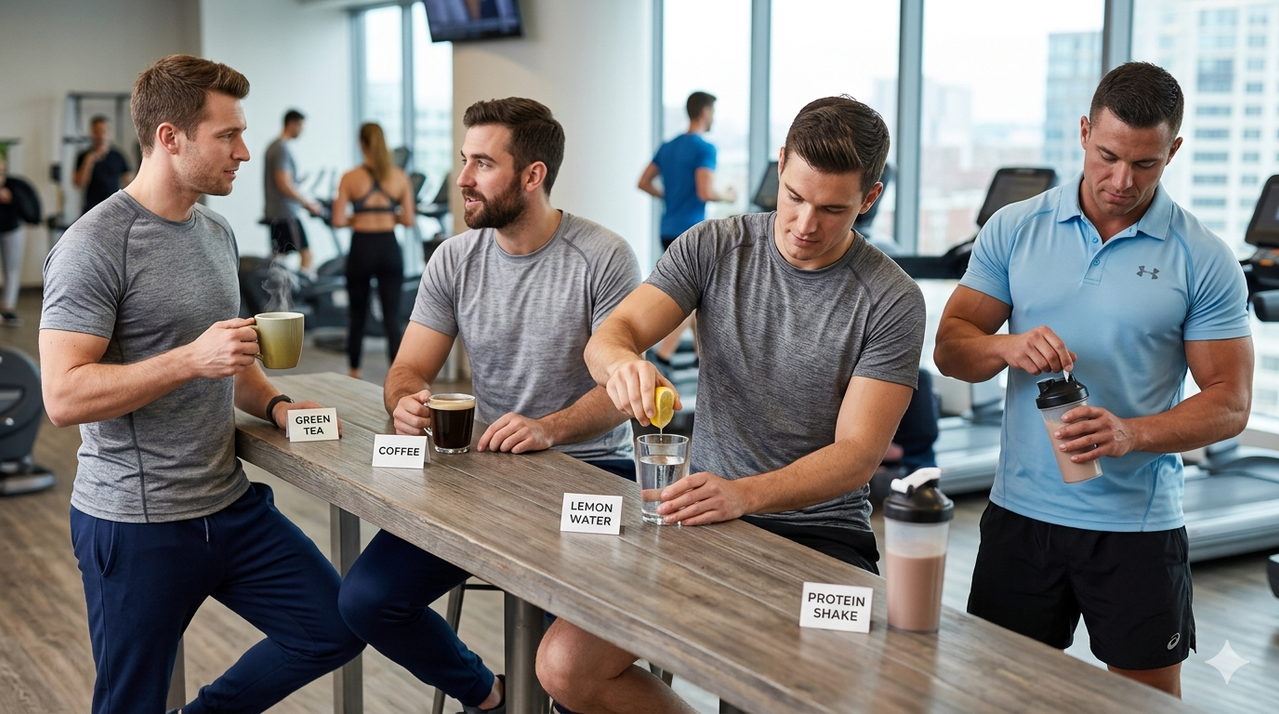
The best drinks for fat loss are those that boost metabolism, increase satiety, and replace liquid calories. Top choices include: green tea (catechins + caffeine), black coffee (caffeine increases metabolic rate), water (hydrates and suppresses appetite), protein shakes (increases satiety), and apple cider vinegar (modest effects on blood sugar) . These beverages work best when combined with a balanced diet and exercise. This guide covers the science behind each drink and provides practical tips for incorporating them into your routine.
1. Why Your Drink Choices Matter for Fat Loss
You focus on what you eat, but what about what you drink? Liquid calories can add up quickly, and the wrong beverages can sabotage your fat loss efforts. Conversely, the best drinks to lose weight can support metabolism, control appetite, and replace high-calorie options. This guide explores science-backed fat burning drinks that actually work.
What drinks help burn fat naturally?
Drinks that help burn fat naturally include: green tea (contains EGCG and caffeine that increase thermogenesis), black coffee (caffeine boosts metabolic rate and fat oxidation), water (hydrates and can increase resting energy expenditure), and protein shakes (enhance satiety and preserve muscle during calorie deficits). These beverages support fat loss when part of an overall healthy diet and lifestyle .
2. Drink #1: Water – The Zero-Calorie Essential
2.1. How Water Aids Fat Loss
Water is the ultimate zero-calorie beverage. Drinking 500ml of water increases metabolic rate by 24–30% for up to 60–90 minutes . Drinking water before meals reduces calorie intake by 13–22% in older adults and 10–15% in younger adults .
2.2. Practical Tips
- Drink before meals: 16–20 oz 20–30 minutes before eating
- Replace sugary drinks: Swap soda, juice, and sweetened beverages for water
- Add lemon or cucumber: For flavor without calories
- Aim for 2–3 liters daily (adjust based on activity and climate)

3. Drink #2: Green Tea – The Metabolism Booster
3.1. The Science of Green Tea
Green tea contains catechins (especially EGCG) and caffeine, which work synergistically to increase fat oxidation and thermogenesis. A 2020 meta-analysis found that green tea consumption significantly reduced body weight and waist circumference . Drinking 2–3 cups daily can increase energy expenditure by 4–5% .
3.2. How to Consume
- Brewed green tea: 2–3 cups per day
- Matcha green tea: Higher catechin concentration
- Avoid added sugar: Drink plain or with lemon
- Timing: Between meals for optimal absorption
4. Drink #3: Coffee – The Caffeine Kick
4.1. How Coffee Supports Fat Loss
Caffeine increases metabolic rate by 3–11% and enhances fat oxidation during exercise . It also suppresses appetite temporarily and can improve exercise performance . However, effects diminish with regular consumption.
4.2. Best Practices
- Black coffee: Zero calories; avoid added sugar and cream
- Pre-workout: 1 cup 30–60 minutes before exercise
- Limit to 2–3 cups daily (400mg caffeine max)
- Stop by 2–3 PM to avoid sleep disruption
5. Drink #4: Protein Shakes – Satiety & Muscle Preservation
5.1. How Protein Helps
Protein is the most satiating macronutrient. Replacing a meal or snack with a protein shake can reduce overall calorie intake while preserving lean mass during fat loss . A 2020 study found that whey protein supplementation enhanced weight loss and improved body composition .
5.2. Best Practices
- Use as a meal replacement: 20–30g protein with fiber and healthy fats
- Post-workout: Supports recovery and satiety
- Choose quality protein: Whey, casein, pea, or plant-based blends
- Avoid added sugars: Look for unsweetened or naturally sweetened options
5.3. Quick Protein Shake Recipe (300 kcal, 30g protein)
- 1 scoop whey or pea protein
- 1 cup unsweetened almond milk
- ½ banana
- 1 tbsp peanut butter
- Ice
6. Drink #5: Apple Cider Vinegar (ACV) – Blood Sugar Support
6.1. The Evidence
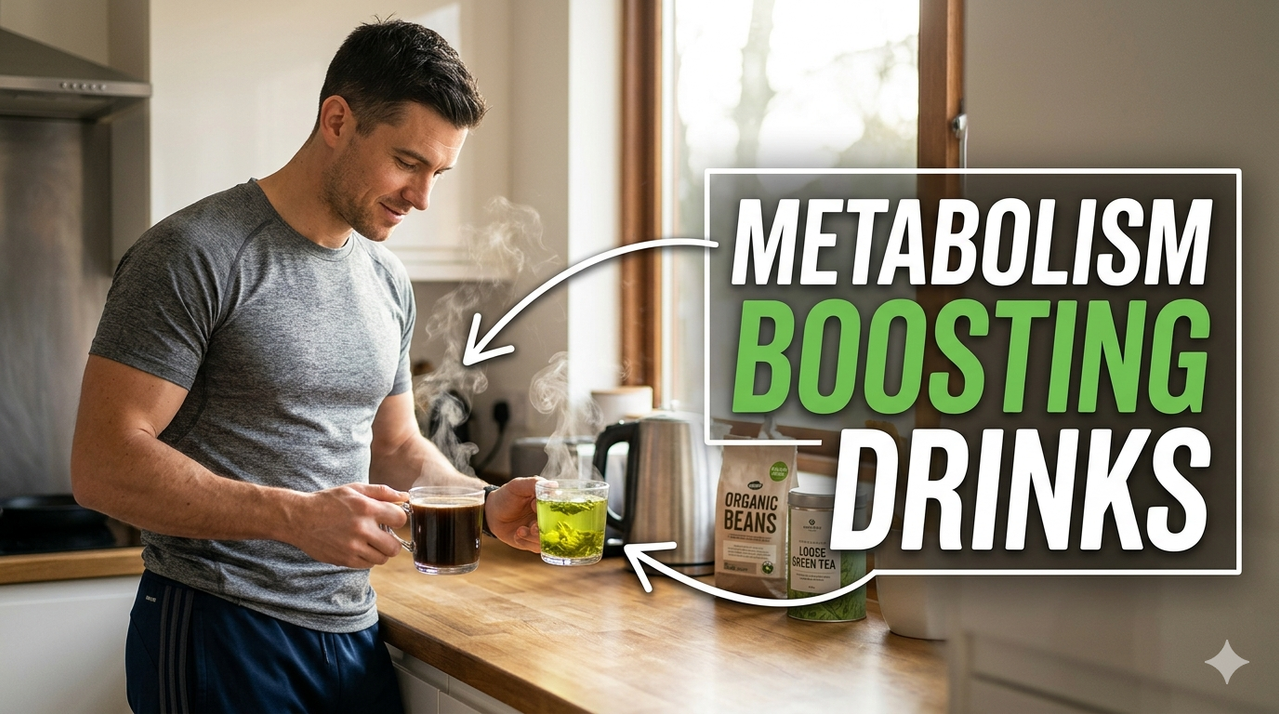
ACV has modest effects on blood sugar control and insulin sensitivity. A 2020 meta-analysis found that ACV consumption reduced fasting blood glucose and HbA1c, which may support fat loss indirectly . Some studies show small reductions in body weight and waist circumference .
6.2. How to Use
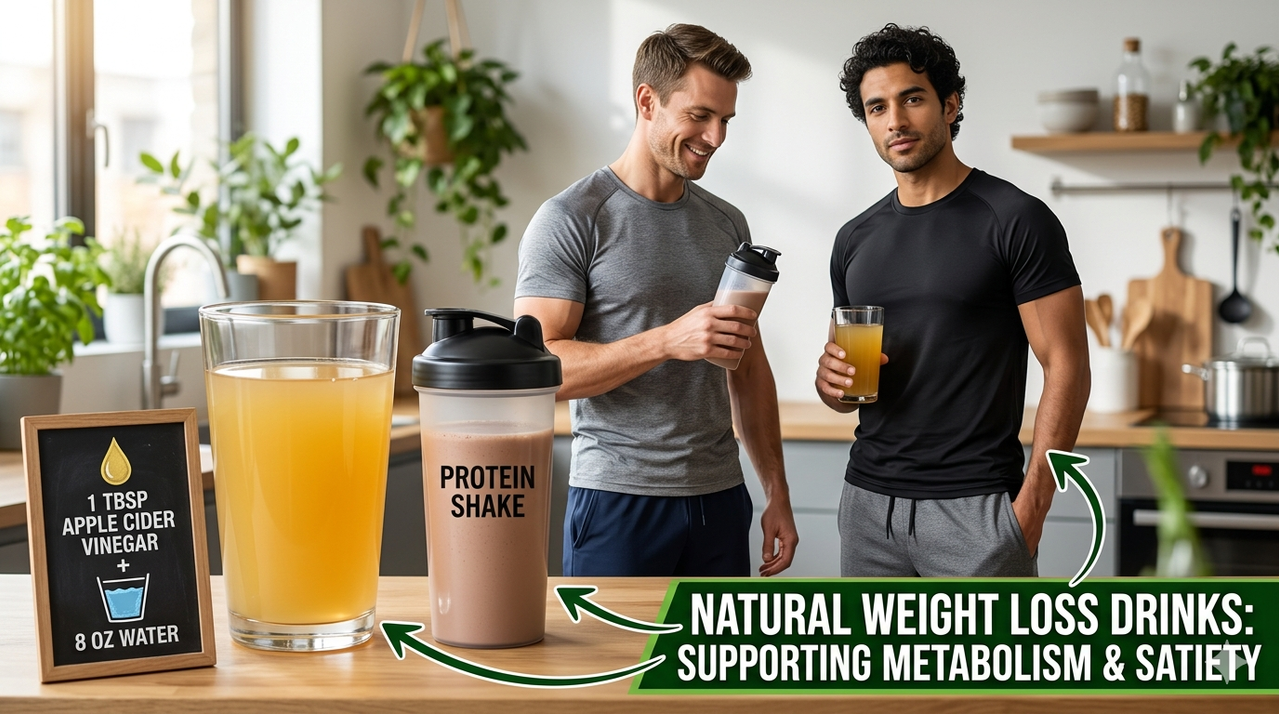
- 1–2 tablespoons diluted in 8–12 oz water before meals
- Avoid undiluted: Can damage tooth enamel and esophagus
- Use consistently: Effects are modest and require long-term use
7. Drinks to Avoid (or Limit) for Fat Loss
- Sugary sodas: 150–200 empty calories per can
- Fruit juice: High in sugar, low in fiber
- Sweetened coffee drinks: Lattes, frappuccinos (300–600 kcal)
- Energy drinks: High in sugar and calories
- Alcohol: 7 kcal per gram, can increase appetite
- Diet sodas: Artificial sweeteners may increase cravings in some individuals
8. Sample Daily Drink Schedule for Fat Loss
- Upon waking: 16 oz water with lemon
- Mid-morning: 1 cup green tea (unsweetened)
- Pre-lunch (30 min): 1 tbsp ACV in 8 oz water
- Lunch: Water or sparkling water
- Afternoon: 1 cup black coffee or green tea
- Pre-workout (optional): 1 cup black coffee
- Post-workout: Protein shake (20–30g protein)
- Throughout day: 2–3 liters water
9. Sample Meal Plan (1,800 kcal) to Support Fat Loss
Omnivore Plan
- Breakfast: 3 eggs, 1 cup oatmeal with berries, 1 cup green tea (450 kcal, 30g protein)
- Lunch: 150g grilled chicken, 2 cups mixed greens, ½ cup quinoa, 1 tbsp olive oil (500 kcal, 40g protein)
- Snack: 1 apple + 1 tbsp peanut butter (200 kcal, 5g protein)
- Dinner: 150g salmon, 2 cups roasted broccoli, 1.5 cups sweet potato (550 kcal, 35g protein)
- Evening: 150g Greek yogurt (150 kcal, 15g protein)
- Drinks: Water, green tea, coffee as above
Vegan/Vegetarian Plan
- Breakfast: Tofu scramble (200g firm tofu), 1 cup oatmeal with berries, green tea (550 kcal, 35g protein)
- Lunch: 1.5 cups lentils, 2 cups mixed greens, 1 cup roasted chickpeas (550 kcal, 30g protein)
- Snack: 1 cup edamame, 1 apple (250 kcal, 15g protein)
- Dinner: 1.5 cups quinoa, 200g baked tofu, 2 cups roasted vegetables (550 kcal, 35g protein)
- Evening: 1 cup unsweetened soy milk (100 kcal, 8g protein)
Gluten-Free Options
- Use certified gluten-free oats, quinoa, rice, or buckwheat.
- Ensure protein powders are gluten-free.
10. Quick Fat-Burning Drink Recipes
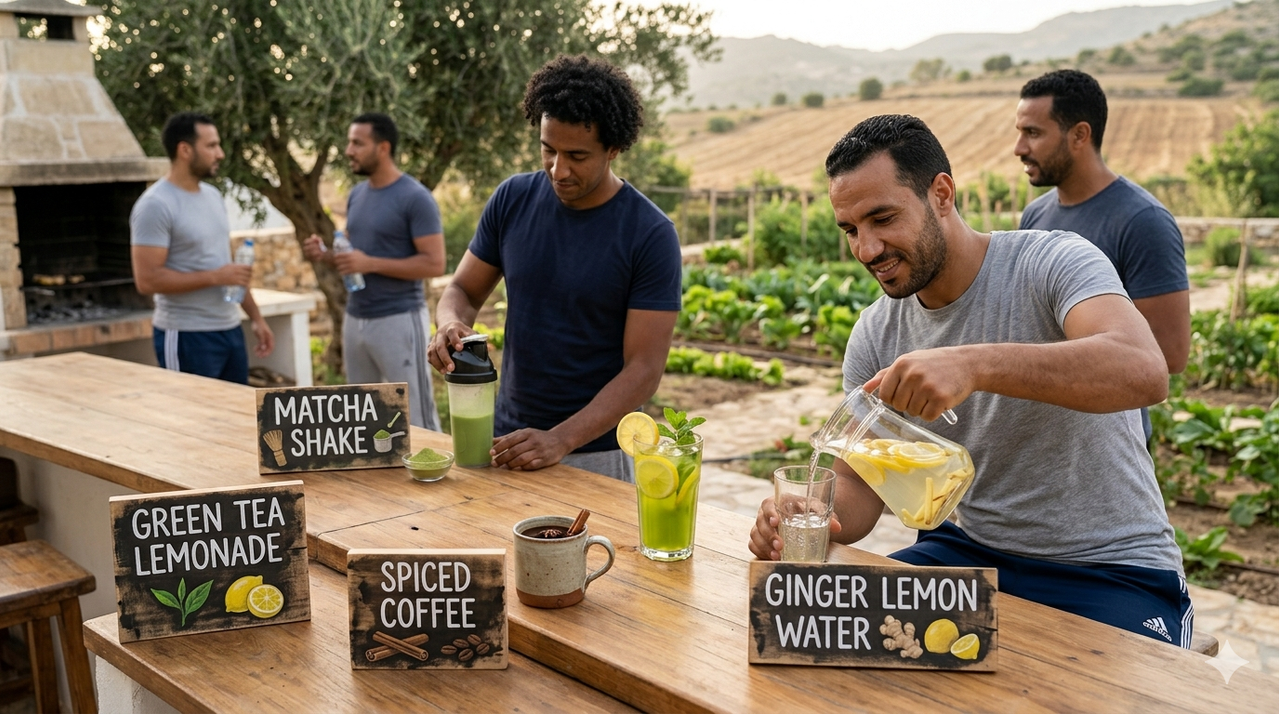
- Green Tea Lemonade: 2 cups brewed green tea (cooled), juice of 1 lemon, 1 tsp honey (optional), ice. Blend.
- Matcha Protein Shake: 1 scoop vanilla protein, 1 tsp matcha powder, 1 cup unsweetened almond milk, ice.
- Spiced Coffee: 1 cup black coffee, ¼ tsp cinnamon, dash of nutmeg.
- Ginger-Lemon Water: 16 oz water, juice of ½ lemon, 1 tsp grated ginger, stevia to taste (optional).
11. Common Mistakes with Fat-Loss Beverages
- Mistake #1: Adding sugar, honey, or cream. A "healthy" green tea latte can have 200+ calories.
- Mistake #2: Overdoing caffeine. Too much can disrupt sleep, increase cortisol, and counteract benefits.
- Mistake #3: Relying only on drinks for weight loss. Beverages support, not replace, a healthy diet and exercise.
- Mistake #4: Ignoring hydration. Dehydration can mimic hunger and reduce metabolic rate.
- Mistake #5: Drinking calories mindlessly. Liquid calories add up quickly and don't provide satiety like solid food.
12. Frequently Asked Questions
What drinks help burn fat naturally?
Green tea, black coffee, water, and protein shakes are the most evidence-based natural drinks for supporting fat loss.
Does drinking water help you lose weight?
Yes. Water increases metabolic rate temporarily, helps control appetite, and replaces high-calorie beverages. Drinking water before meals reduces calorie intake.
How much green tea should I drink for fat loss?
2–3 cups per day (about 400–600mg of catechins) is effective. Matcha provides a more concentrated dose.
Does coffee help burn fat?
Coffee can increase metabolic rate by 3–11% and enhance fat oxidation during exercise. Effects are most pronounced when consumed black.
Can protein shakes help with weight loss?
Yes, when used as a meal replacement or post-workout snack. Protein increases satiety and helps preserve muscle during calorie deficits.
Is apple cider vinegar effective for fat loss?
ACV has modest effects on blood sugar and insulin, which may support fat loss. It's not a magic bullet but can be a helpful addition.
What drinks should I avoid for weight loss?
Sugary sodas, fruit juice, sweetened coffee drinks, energy drinks, and excessive alcohol. These add empty calories and can increase hunger.
13. Related Resources
- How to Avoid Muscle Loss While Cutting (Science-Based Guide)
- Why Fat Loss Slows Down After 2 Weeks (And How to Fix It Fast)
- How Many Steps Per Day for Fat Loss Beginners? (Simple Walking Guide)
- Best Simple Habits for Sustainable Fat Loss (Easy Daily Strategies)
- Why You Feel Tired During a Cutting Phase (And How to Fix It)
- How to Stay Full While Cutting Calories (Hunger Control Guide)
14. Scientific References
- Boschmann, M., et al. (2003). Water-induced thermogenesis. Journal of Clinical Endocrinology & Metabolism, 88(12), 6015–6019. PubMed
- Dennis, E. A., et al. (2010). Water consumption increases weight loss during a hypocaloric diet intervention. Obesity, 18(2), 300–307. PubMed
- Hursel, R., & Westerterp-Plantenga, M. S. (2013). Catechin- and caffeine-rich teas for control of body weight. Physiology & Behavior, 110, 119–123. PubMed
- Westerterp-Plantenga, M. S. (2010). Green tea catechins, caffeine and body-weight regulation. Physiology & Behavior, 100(1), 42–46. PubMed
- Rudelle, S., et al. (2007). Effect of a thermogenic beverage on 24-hour energy metabolism in humans. Obesity, 15(2), 349–355. PubMed
- Hector, A. J., & Phillips, S. M. (2018). Protein Recommendations for Weight Loss in Elite Athletes. International Journal of Sport Nutrition and Exercise Metabolism, 28(2), 170–177. PubMed
- Kondo, T., et al. (2009). Vinegar intake reduces body weight, body fat mass, and serum triglyceride levels. Bioscience, Biotechnology, and Biochemistry, 73(8), 1837–1843. PubMed
- ACSM. (2021). Nutrition and Athletic Performance. Medicine & Science in Sports & Exercise, 53(3), 600–618. PubMed
Join the conversation