Does Drinking Water Help You Lose Fat Faster? (Science-Based Answer)
Does Drinking Water Help You Lose Fat Faster? (Science-Based Answer)
⚡ TL;DR
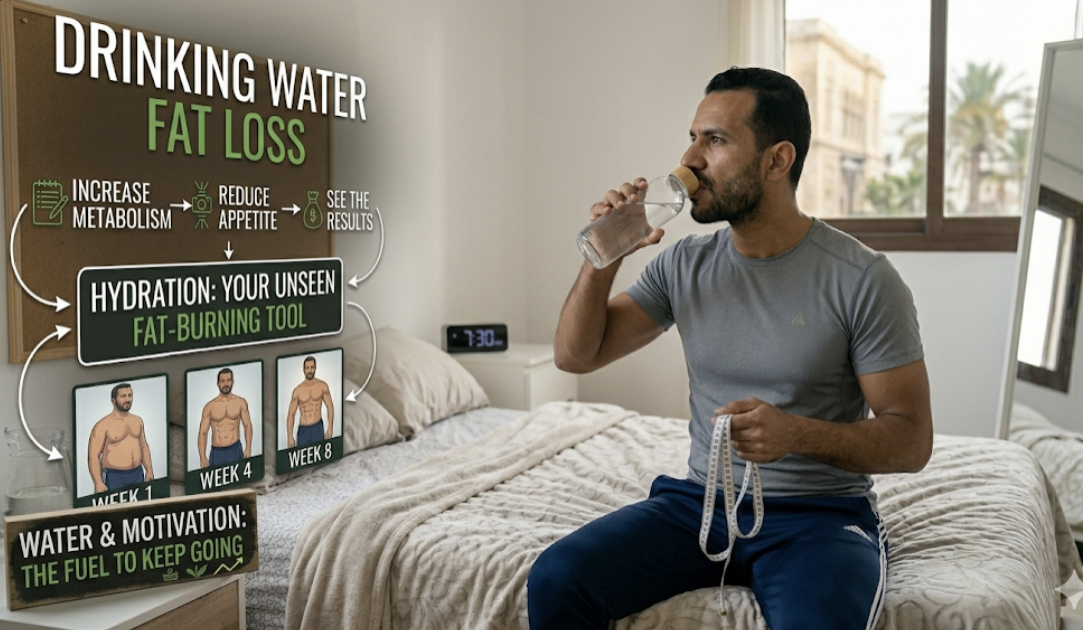
Drinking water helps you lose fat, but indirectly. It doesn't directly "burn" fat, but it supports fat loss in several ways: 1) Increases metabolism—drinking 500ml of water raises metabolic rate by 24–30% for 60–90 minutes . 2) Reduces calorie intake—water before meals reduces calorie consumption by 10–15% . 3) Replaces high-calorie drinks—swapping soda for water saves hundreds of calories daily. 4) Improves exercise performance—even mild dehydration impairs workout intensity . For optimal results, aim for 2–3 liters daily and drink water before meals.
1. The Hydration Question: Miracle or Myth?
You've probably heard it before: "Drink more water to lose weight." But is there any truth to this claim? Can a simple glass of water actually help you burn fat? The answer is nuanced. While water isn't a fat-burning miracle, science shows that hydration weight loss is real—through several indirect but powerful mechanisms. This guide breaks down exactly how water supports fat loss.
Can drinking water help burn fat?
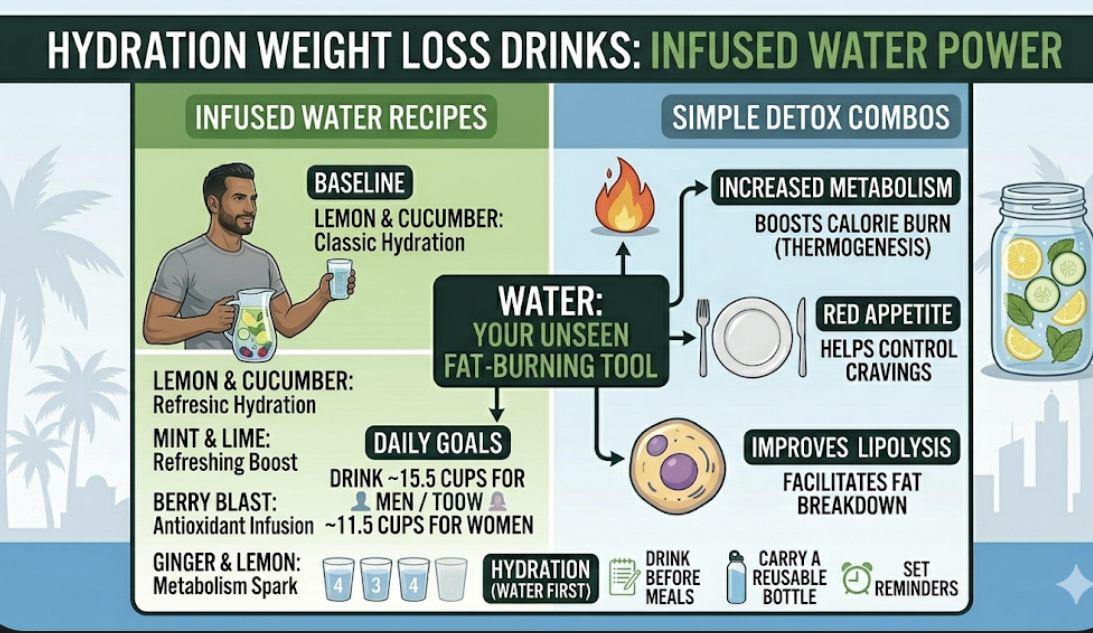
Yes, drinking water helps burn fat—indirectly. It helps by: 1) Reducing appetite—drinking water before meals fills the stomach, leading to lower calorie intake . 2) Improving metabolism—water-induced thermogenesis increases resting energy expenditure by 24–30% for up to 90 minutes . 3) Enhancing fat oxidation—adequate hydration is necessary for optimal lipolysis (fat breakdown). 4) Replacing sugary drinks—swapping soda for water eliminates hundreds of empty calories daily . While water alone won't cause fat loss, it's a powerful tool when combined with a healthy diet.
2. The Science: Water-Induced Thermogenesis
2.1. What Is Water-Induced Thermogenesis?
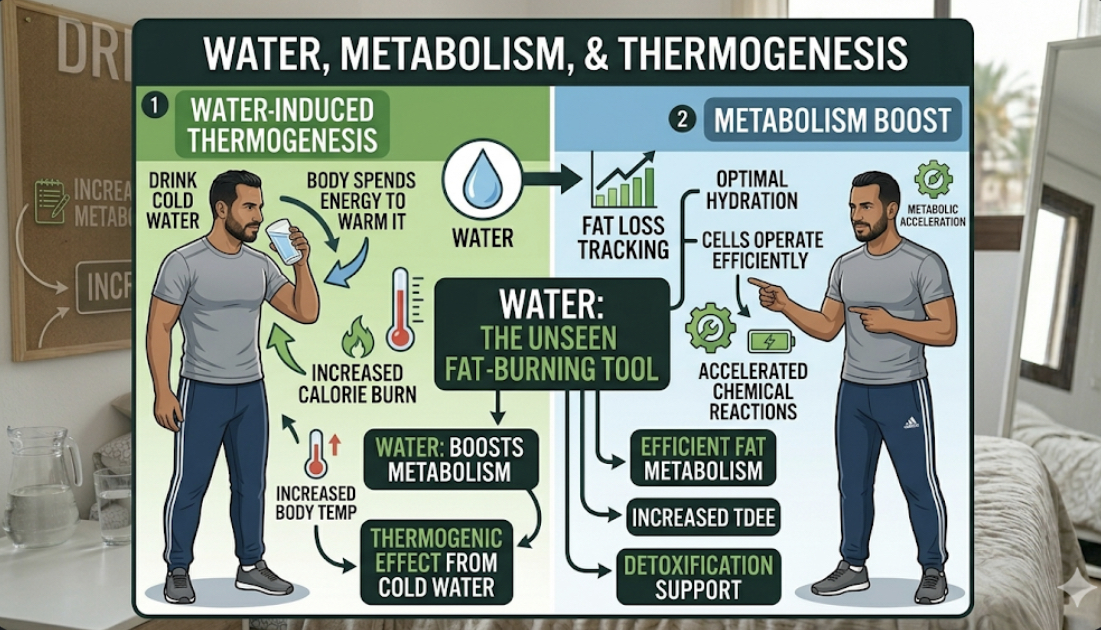
Water-induced thermogenesis (WIT) is the increase in energy expenditure after drinking water. Your body must warm the water to body temperature, which requires energy . A 2003 study found that drinking 500ml of water increased metabolic rate by 24–30% for 60–90 minutes, burning approximately 100–150 extra calories per day with 2 liters .
2.2. The Numbers
- 500ml water: Increases metabolism by 24–30% for 60–90 min
- 2 liters per day: Burns approximately 95–150 extra calories
- Over a year: 2 liters daily = ~2–3 kg of fat loss potential (from water alone, before other benefits)
3. Water and Appetite Control: Pre-Meal Hydration
3.1. The Pre-Meal Effect
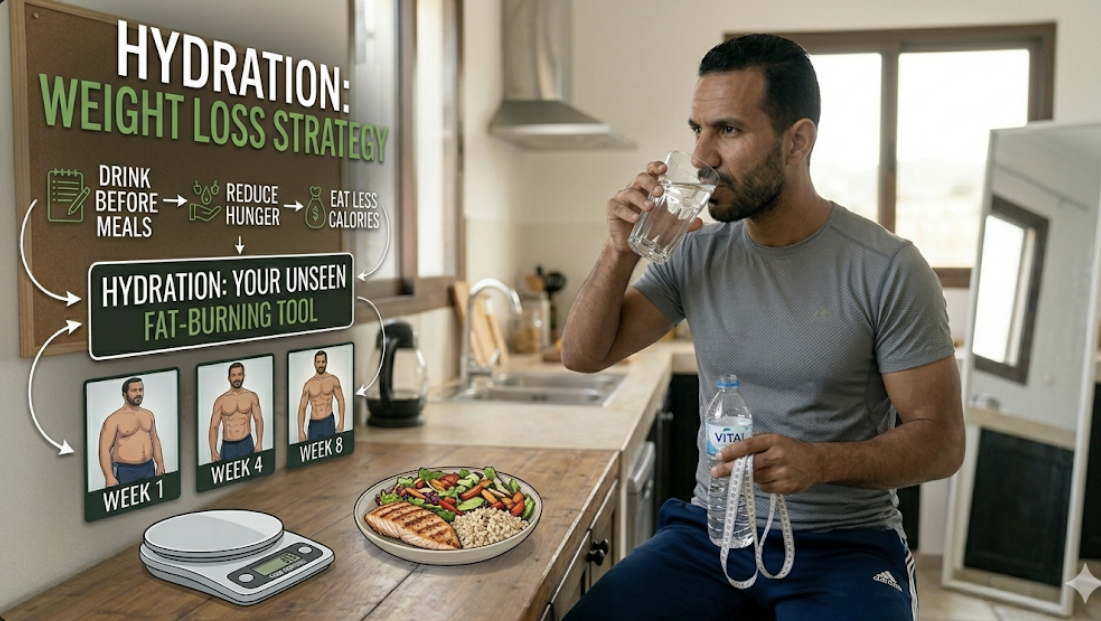
Drinking water before meals fills the stomach, triggering stretch receptors that signal fullness. A 2010 study found that drinking 500ml of water 30 minutes before meals led to a 13–22% reduction in calorie intake .
3.2. Clinical Evidence
A 2015 study of overweight adults found that those who drank 500ml of water before each meal lost 44% more weight over 12 weeks than those who didn't .
3.3. Practical Application
- Drink 16–20 oz water 20–30 minutes before each meal
- Use water as a "first response" to hunger—thirst is often mistaken for hunger
- Keep a water bottle visible to remind yourself to drink
4. Replacing High-Calorie Drinks
4.1. The Liquid Calorie Problem
Sugary drinks are a major source of empty calories. A single 12-oz soda has 140–150 kcal. Replacing just one soda per day with water saves over 50,000 calories per year—about 6–7 kg of fat .
4.2. Common Liquid Calories
- Soda: 140–150 kcal per can
- Sweetened coffee drink: 200–500 kcal
- Fruit juice: 110–150 kcal per cup
- Sports drinks: 120–150 kcal per bottle
- Alcohol: 7 kcal per gram (wine: 120–150 kcal per glass)
5. Hydration and Exercise Performance
5.1. Dehydration Impairs Performance
Even mild dehydration (1–2% body weight loss) reduces strength, endurance, and power output . Adequate hydration ensures you can train harder and longer, burning more calories and preserving muscle.
5.2. Water and Fat Oxidation During Exercise
Proper hydration is necessary for optimal lipolysis (fat breakdown). Dehydration impairs the body's ability to mobilize and burn fat during exercise .
5.3. Hydration Guidelines for Exercise
- Before exercise: 16–20 oz water 2–3 hours prior
- During exercise: 7–10 oz every 10–20 minutes
- After exercise: 16–24 oz per pound lost during activity
6. How Much Water for Fat Loss?
6.1. General Recommendations
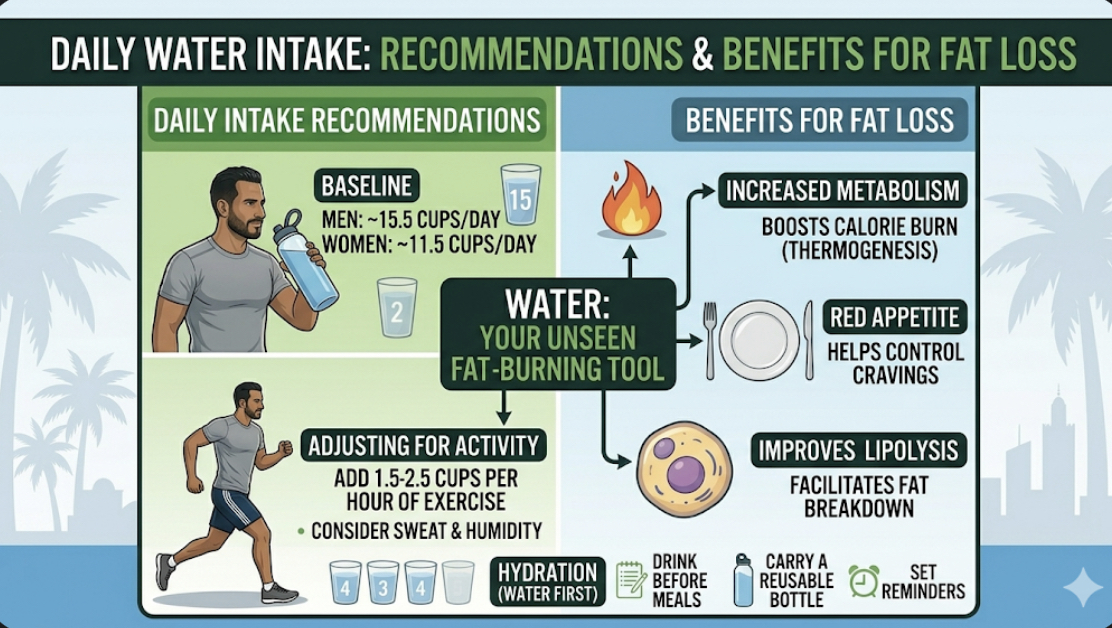
- Men: 3.7 liters (15.5 cups) per day total (including water from food)
- Women: 2.7 liters (11.5 cups) per day total
- For active individuals: Add 1–1.5 liters per hour of exercise
6.2. Practical Water Intake for Fat Loss
Aim for 2–3 liters of plain water daily in addition to water from food. This ensures you're well-hydrated for metabolic benefits and appetite control.
6.3. Signs of Adequate Hydration
- Pale yellow urine
- Infrequent thirst
- Good energy levels
- Regular bowel movements
7. Sample Daily Hydration Schedule
- Upon waking: 16 oz water (rehydrate after sleep)
- 30 min before breakfast: 8 oz water
- Mid-morning: 8–16 oz water or herbal tea
- 30 min before lunch: 16 oz water
- Afternoon: 8–16 oz water
- 30 min before dinner: 16 oz water
- Evening: 8 oz water (stop 1–2 hours before bed)
Total: ~2.5–3 liters (84–100 oz)
8. Sample Meal Plan – 1,800 kcal, 140g Protein (With Hydration Strategy)
Omnivore Plan
- Breakfast (7:30 AM): 3 eggs, 1 cup oatmeal with berries, +16 oz water 30 min before (450 kcal, 30g protein)
- Lunch (12:30 PM): 150g grilled chicken breast, 2 cups mixed greens, ½ cup quinoa, 1 tbsp olive oil, +16 oz water 30 min before (500 kcal, 40g protein)
- Snack (4:00 PM): 200g Greek yogurt, 1 apple, +8 oz water (250 kcal, 20g protein)
- Dinner (7:30 PM): 150g salmon, 2 cups roasted broccoli, 1.5 cups sweet potato, +16 oz water 30 min before (550 kcal, 35g protein)
- Evening (optional): 150g cottage cheese (150 kcal, 15g protein)
Total water: ~2.5 liters (plus water in food)
Vegan/Vegetarian Plan
- Breakfast: Tofu scramble (200g firm tofu), 1 cup oatmeal with 2 tbsp peanut butter, berries (550 kcal, 35g protein)
- Lunch: 1.5 cups cooked lentils, 2 cups mixed greens, 1 cup roasted chickpeas (550 kcal, 30g protein)
- Snack: 1 cup edamame, 1 apple (250 kcal, 15g protein)
- Dinner: 1.5 cups quinoa, 200g baked tofu, 2 cups roasted vegetables (550 kcal, 35g protein)
- Evening: 1 cup unsweetened soy milk (100 kcal, 8g protein)
Gluten-Free Options
- Use certified gluten-free oats, quinoa, rice, or buckwheat.
- Ensure tempeh and tofu are gluten-free certified.
9. Quick Hydration-Boosting Recipes
- Infused Water: 1 liter water + lemon slices + cucumber slices + mint leaves. Let sit 2 hours.
- Herbal Iced Tea: 2 cups brewed herbal tea (peppermint, hibiscus), chilled, with lemon.
- Cucumber Mint Water: 1 liter water + ½ cucumber (sliced) + handful mint leaves.
10. Common Hydration Mistakes That Hinder Fat Loss
- Mistake #1: Drinking only when thirsty. Thirst is a late sign of dehydration. Drink consistently throughout the day.
- Mistake #2: Relying on caffeinated or sugary drinks. Coffee and tea count toward hydration, but sugary drinks add calories. Water is best.
- Mistake #3: Not drinking before meals. Pre-meal water reduces calorie intake significantly.
- Mistake #4: Ignoring electrolyte balance during exercise. Heavy sweating requires electrolytes—add salt or electrolyte powder if needed.
- Mistake #5: Drinking too much too fast. Spread intake throughout the day for better absorption.
11. Frequently Asked Questions
Can drinking water help burn fat?
Yes, indirectly. Water increases metabolism (water-induced thermogenesis), reduces appetite when consumed before meals, and helps replace high-calorie drinks.
Does cold water burn more calories?
Yes, cold water requires your body to expend energy to warm it to body temperature, slightly increasing calorie burn. However, the difference is modest—about 8–10 extra calories per 500ml.
How much water should I drink to lose weight?
Aim for 2–3 liters of plain water daily, plus water from food. Drink 16–20 oz before each meal for appetite control.
Does water flush out fat?
No—fat is metabolized and excreted as carbon dioxide and water. Water supports the metabolic processes that break down fat but doesn't "flush" it out.
Can drinking too much water be harmful?
Yes, water intoxication (hyponatremia) is rare but possible with excessive intake (4+ liters in a short time). Stick to 2–3 liters daily unless exercising heavily.
Does tea and coffee count as water intake?
Yes, unsweetened tea and coffee contribute to hydration. However, water is still the best choice for calorie-free hydration.
How do I know if I'm drinking enough water?
Check urine color—pale yellow indicates adequate hydration. Dark yellow means you need more water.
12. Related Resources
- How to Avoid Muscle Loss While Cutting (Science-Based Guide)
- Why Fat Loss Slows Down After 2 Weeks (And How to Fix It Fast)
- How Many Steps Per Day for Fat Loss Beginners? (Simple Walking Guide)
- Best Simple Habits for Sustainable Fat Loss (Easy Daily Strategies)
- Why You Feel Tired During a Cutting Phase (And How to Fix It)
- How to Stay Full While Cutting Calories (Hunger Control Guide)
13. Scientific References
- Boschmann, M., et al. (2003). Water-induced thermogenesis. Journal of Clinical Endocrinology & Metabolism, 88(12), 6015–6019. PubMed
- Dennis, E. A., et al. (2010). Water consumption increases weight loss during a hypocaloric diet intervention. Obesity, 18(2), 300–307. PubMed
- Stookey, J. D., et al. (2008). Drinking water is associated with weight loss in overweight dieting women. Obesity, 16(11), 2481–2488. PubMed
- Popkin, B. M., et al. (2010). Water, hydration, and health. Nutrition Reviews, 68(8), 439–458. PubMed
- Maughan, R. J., & Shirreffs, S. M. (2008). Development of hydration strategies to optimize performance. Journal of Sports Sciences, 26(10), 1013–1022. PubMed
- ACSM. (2021). Nutrition and Athletic Performance. Medicine & Science in Sports & Exercise, 53(3), 600–618. PubMed
Join the conversation