How to Avoid Binge Eating During Fat Loss (Control Cravings & Stay on Track)
How to Avoid Binge Eating During Fat Loss (Control Cravings & Stay on Track)
⚡ TL;DR
To avoid binge eating during fat loss, focus on: 1) Avoid extreme calorie deficits—severe restriction triggers primal hunger and binge urges. 2) Eat adequate protein and fiber to control hunger hormones. 3) Plan for flexibility—include small treats to prevent feelings of deprivation. 4) Address emotional triggers—stress, boredom, and restrictive mindsets are major binge drivers . Research shows that flexible dieting (allowing moderate treats) leads to better adherence and less binge eating than strict "all-or-nothing" approaches . This guide provides practical strategies to break the binge cycle.
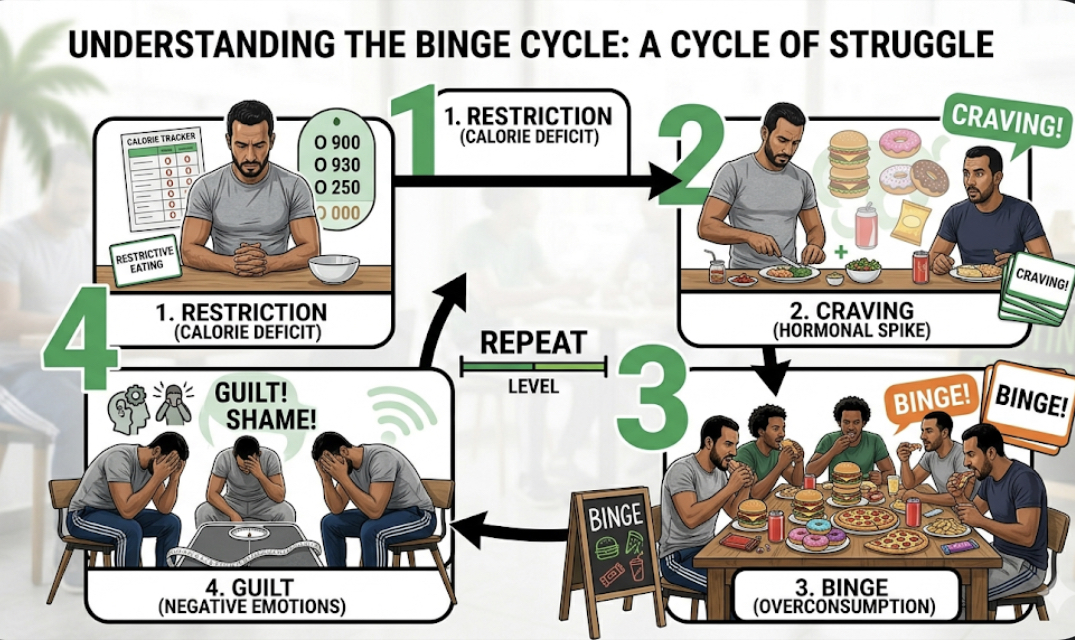
1. The Binge Cycle: Why Restriction Leads to Overeating
You start a diet with enthusiasm. You eat perfectly for days. Then suddenly, you find yourself standing in front of the fridge, eating everything in sight. The guilt follows. You promise to do better tomorrow. This cycle is incredibly common—and it's not a lack of willpower. It's a predictable physiological and psychological response to restriction. This guide will help you control binge eating during dieting.
Why does binge eating happen during fat loss?
Binge eating during fat loss happens due to: 1) Extreme calorie restriction—severe deficits trigger primal hunger hormones (ghrelin spikes, leptin drops), making your body desperately seek energy . 2) Psychological stress—the "forbidden fruit" effect makes restricted foods more desirable . 3) Poor meal planning—inadequate protein, fiber, or meal frequency can leave you physically hungry, setting the stage for overeating. Understanding these triggers is the first step to prevention.
2. Strategy #1: Avoid Extreme Calorie Deficits
2.1. The Hunger Hormone Connection
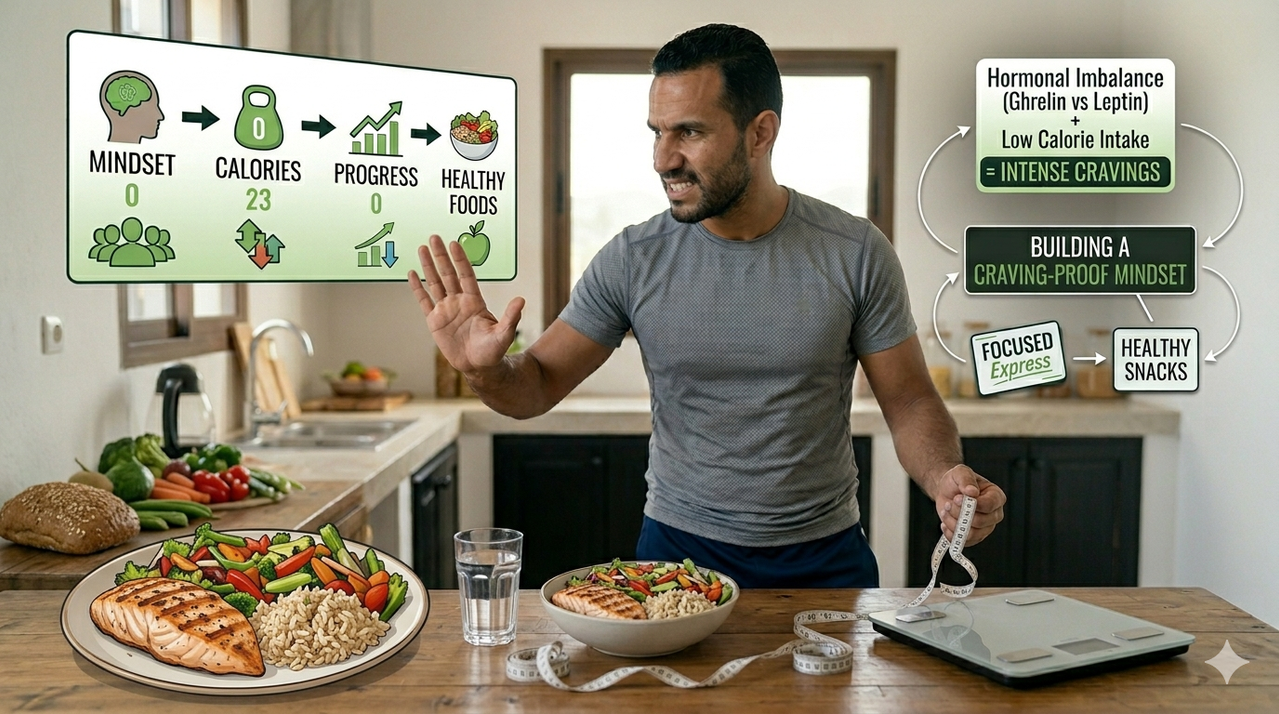
Aggressive deficits (800+ kcal below maintenance) spike ghrelin (hunger hormone) and crash leptin (satiety), creating overwhelming physical hunger . This isn't a lack of willpower—it's biology fighting back.
2.2. The Sweet Spot
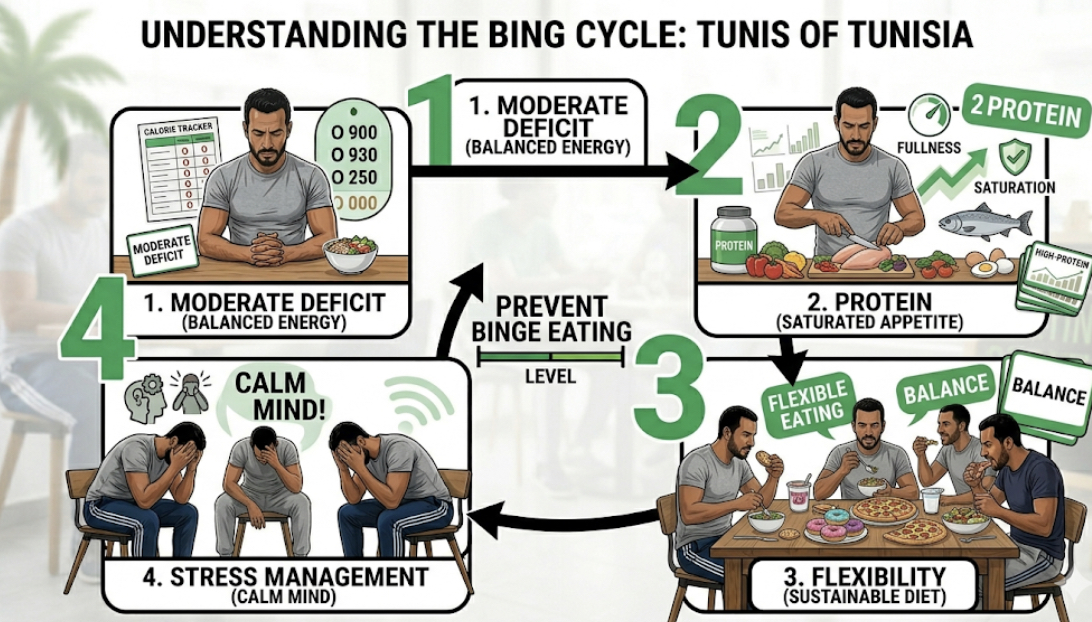
Aim for a moderate deficit of 300–500 kcal below maintenance. This yields sustainable fat loss (0.5–1 kg per week) without triggering extreme hunger or bingeing .
3. Strategy #2: Prioritize Protein and Fiber
3.1. Protein Increases Satiety
Protein is the most satiating macronutrient, increasing levels of satiety hormones (PYY, GLP-1) and reducing ghrelin . Aim for 1.6–2.2 g per kg body weight daily.
3.2. Fiber Slows Digestion
Fiber adds bulk to meals, slows gastric emptying, and stabilizes blood sugar. Aim for 25–35g daily from vegetables, legumes, and whole grains .
3.3. Practical Application
- Include a protein source at every meal (eggs, chicken, Greek yogurt, tofu, lentils)
- Fill half your plate with non-starchy vegetables
- Start meals with a high-protein or high-fiber food to blunt hunger
4. Strategy #3: Plan for Flexibility – The 80/20 Rule
4.1. Why Strictness Backfires
Forbidden foods become more desirable. When you finally "break" your diet, it often turns into a full binge . Flexible dieting—allowing 10–20% of calories from treats—reduces feelings of deprivation and prevents binge episodes.
4.2. How to Implement
- Schedule treats: Plan a small daily treat (e.g., 2 squares dark chocolate, 100g ice cream)
- Use the "10% rule": 90% of calories from nutrient-dense foods, 10% from flexible choices
- Practice mindful indulgence: Eat treats slowly, savor them, and move on without guilt
5. Strategy #4: Address Emotional Triggers (Stress, Boredom, Sleep)
5.1. Stress and Cortisol
Chronic stress elevates cortisol, which increases cravings for high-calorie foods . Stress also triggers emotional eating as a coping mechanism.
5.2. Sleep Deprivation
Poor sleep increases ghrelin by 15% and decreases leptin by 26%, making you hungrier and more prone to cravings .
5.3. How to Manage
- Sleep 7–9 hours nightly
- Practice stress reduction: Meditation, walking, journaling
- Identify emotional triggers: When you crave, ask: "Am I physically hungry or emotionally triggered?"
- Have a distraction plan: Walk, call a friend, drink water, brush your teeth
6. Strategy #5: Don't Skip Meals – Eat Regularly
Skipping meals leads to extreme hunger, blood sugar crashes, and a higher likelihood of bingeing later . Eating every 3–5 hours helps maintain stable blood sugar and prevents primal hunger.
7. Strategy #6: After a Slip, Practice Self-Compassion
Research shows that self-compassion (treating yourself with kindness after a slip) leads to better long-term adherence than self-criticism . One binge doesn't ruin your progress. Get back on track at the next meal—don't wait until Monday.
8. Sample Meal Plan – 1,800 kcal (Binge-Prevention Focus)
Omnivore Plan
- Breakfast (7:30 AM): 3 eggs, 1 cup oatmeal with berries, +1 tbsp peanut butter (500 kcal, 35g protein, 10g fiber)
- Lunch (12:30 PM): 150g grilled chicken breast, 2 cups mixed greens, ½ cup quinoa, 1 tbsp olive oil (500 kcal, 40g protein, 8g fiber)
- Snack (4:00 PM): 200g Greek yogurt, 1 apple, 1 tbsp almond butter (300 kcal, 25g protein, 6g fiber)
- Dinner (7:30 PM): 150g salmon, 2 cups roasted broccoli, 1.5 cups sweet potato (550 kcal, 35g protein, 8g fiber)
- Evening treat: 2 squares dark chocolate (50 kcal)
Total: ~1,900 kcal, 135g protein, 32g fiber
Vegan/Vegetarian Plan
- Breakfast: Tofu scramble (200g firm tofu), 1 cup oatmeal with 2 tbsp peanut butter, berries (600 kcal, 40g protein, 12g fiber)
- Lunch: 1.5 cups cooked lentils, 2 cups mixed greens, 1 cup roasted chickpeas, 1 tbsp olive oil (600 kcal, 30g protein, 20g fiber)
- Snack: 1 cup edamame, 1 apple (250 kcal, 15g protein, 8g fiber)
- Dinner: 1.5 cups quinoa, 200g baked tofu, 2 cups roasted vegetables (550 kcal, 35g protein, 12g fiber)
- Evening: 1 cup unsweetened soy milk (100 kcal, 8g protein)
Gluten-Free Options
- Use certified gluten-free oats, quinoa, rice, or buckwheat.
- Ensure tempeh and tofu are gluten-free certified.
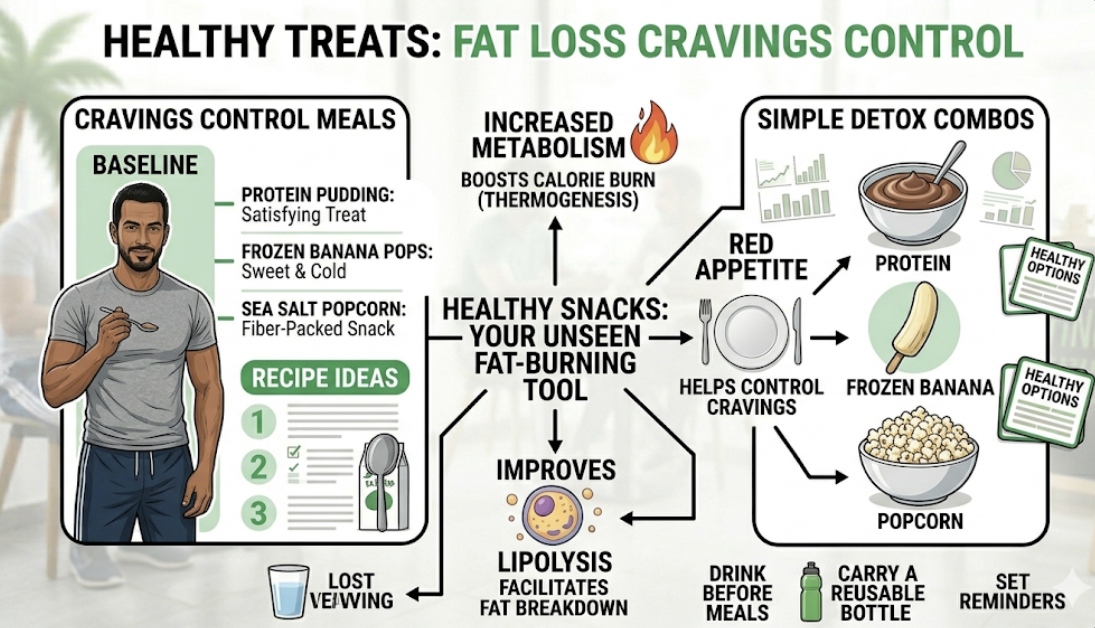
9. Quick Craving-Busting Recipes
- Chocolate Protein Pudding (200 kcal, 20g protein): 1 scoop chocolate protein, ½ cup Greek yogurt, 1 tbsp cocoa powder, water.
- Frozen Banana Bites (100 kcal): ½ banana sliced, frozen, dipped in 1 tbsp dark chocolate.
- Savory Popcorn (150 kcal): 3 cups air-popped popcorn, spray with olive oil, salt, nutritional yeast.
- Apple with Cinnamon Peanut Butter (200 kcal): 1 apple, 1 tbsp peanut butter, cinnamon.
10. Common Mistakes That Trigger Binge Eating
- Mistake #1: Too large a calorie deficit. Aggressive restriction primes the brain for a binge.
- Mistake #2: Cutting out entire food groups. Complete restriction increases desire for those foods.
- Mistake #3: Skipping meals. Leads to extreme hunger and loss of control.
- Mistake #4: Perfectionism. One "bad" meal turns into a "cheat day" spiral.
- Mistake #5: Poor sleep and high stress. Hormonal changes increase cravings.
- Mistake #6: Ignoring emotional triggers. Using food to cope with stress, boredom, or sadness.
11. Frequently Asked Questions
Why does binge eating happen during fat loss?
Binge eating during fat loss happens due to extreme calorie restriction (spiking hunger hormones), psychological stress (forbidden food effect), and poor meal planning (inadequate protein/fiber).
How do I stop binge eating while dieting?
Stop severe restriction, eat adequate protein and fiber, include planned treats, manage stress and sleep, and practice self-compassion after slips.
What should I do after a binge?
Don't punish yourself. Get back to your normal eating plan at the next meal. Avoid compensatory restriction (which often leads to another binge).
How much protein do I need to prevent bingeing?
Aim for 1.6–2.2 grams per kilogram of body weight daily. Protein increases satiety and reduces cravings.
Can intermittent fasting cause binge eating?
For some people, yes. If you have a history of binge eating, structured meal timing (3–4 meals) may be better than intermittent fasting.
How do I handle cravings without bingeing?
Use the 10-minute delay rule, drink water, distract yourself, and include small planned treats to prevent deprivation.
Does stress cause binge eating?
Yes. Chronic stress elevates cortisol, which increases cravings for high-calorie foods and triggers emotional eating.
12. Related Resources
- How to Avoid Muscle Loss While Cutting (Science-Based Guide)
- Why Fat Loss Slows Down After 2 Weeks (And How to Fix It Fast)
- How Many Steps Per Day for Fat Loss Beginners? (Simple Walking Guide)
- Best Simple Habits for Sustainable Fat Loss (Easy Daily Strategies)
- Why You Feel Tired During a Cutting Phase (And How to Fix It)
- How to Stay Full While Cutting Calories (Hunger Control Guide)
13. Scientific References
- Polivy, J. (1996). Psychological consequences of food restriction. Journal of the American Dietetic Association, 96(6), 589–592. PubMed
- Morton, R. W., et al. (2018). A systematic review, meta-analysis and meta-regression of the effect of protein supplementation on resistance training-induced gains in muscle mass and strength in healthy adults. British Journal of Sports Medicine, 52(6), 376–384. PubMed
- Slavin, J. L. (2005). Dietary fiber and body weight. Nutrition, 21(3), 411–418. PubMed
- Nedeltcheva, A. V., et al. (2010). Insufficient sleep undermines dietary efforts to reduce adiposity. Annals of Internal Medicine, 153(7), 435–441. PubMed
- Epel, E. S., et al. (2000). Stress and body shape: stress-induced cortisol secretion is consistently higher among women with central fat. Psychosomatic Medicine, 62(5), 623–632. PubMed
- Neff, K. D. (2003). Self-compassion: An alternative conceptualization of a healthy attitude toward oneself. Self and Identity, 2(2), 85–101. Taylor & Francis
- ACSM. (2021). Nutrition and Athletic Performance. Medicine & Science in Sports & Exercise, 53(3), 600–618. PubMed
Join the conversation