How to Eat More Protein Without Supplements (Natural High-Protein Foods Guide)
How to Eat More Protein Without Supplements: Natural High-Protein Foods Guide (2026)
⚡ TL;DR
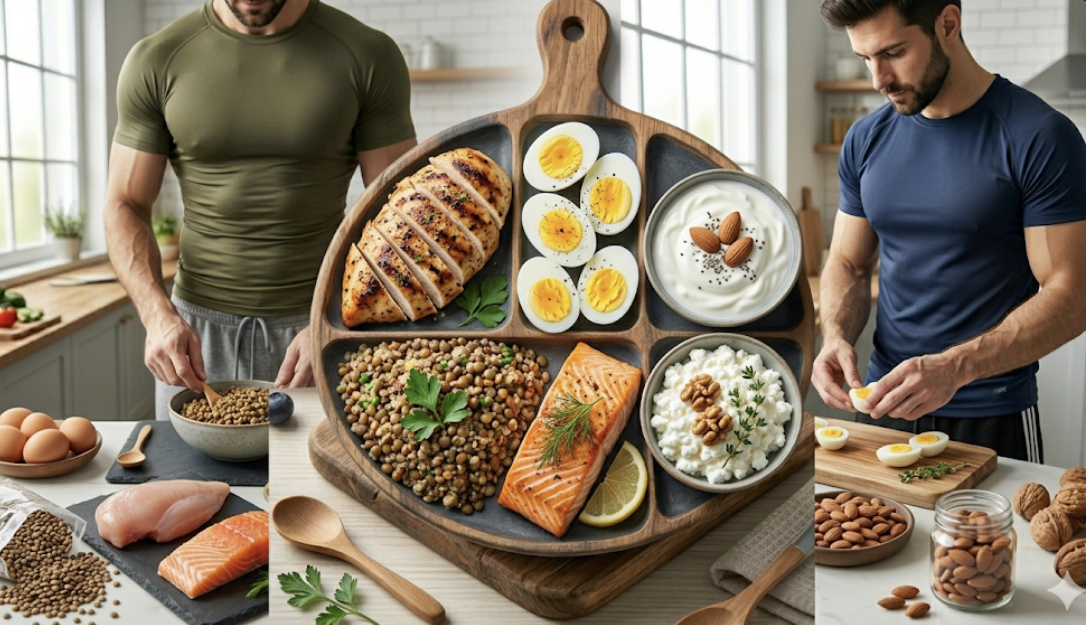
To eat more protein without supplements, focus on natural high-protein foods like eggs, chicken breast, tuna, Greek yogurt, cottage cheese, lentils, and milk. This high protein diet without supplements approach is not only effective but also provides additional nutrients whole foods offer. Aim for 1.6–2.2 g protein per kg body weight daily. Spread intake across 3–5 meals with 20–40g protein each. With strategic meal planning, you can easily meet your protein goals using clean protein sources from your grocery store .
1. The Whole Food Protein Advantage
Protein powders and supplements are convenient, but they're not necessary for meeting your protein needs. Learning how to eat more protein without supplements is both cost-effective and nutritionally superior. Whole food protein sources provide additional micronutrients—iron, zinc, B vitamins, and healthy fats—that supplements lack. This guide explores natural high-protein foods, practical strategies to increase intake, and sample meal plans for every diet preference.
How can I get enough protein without supplements?
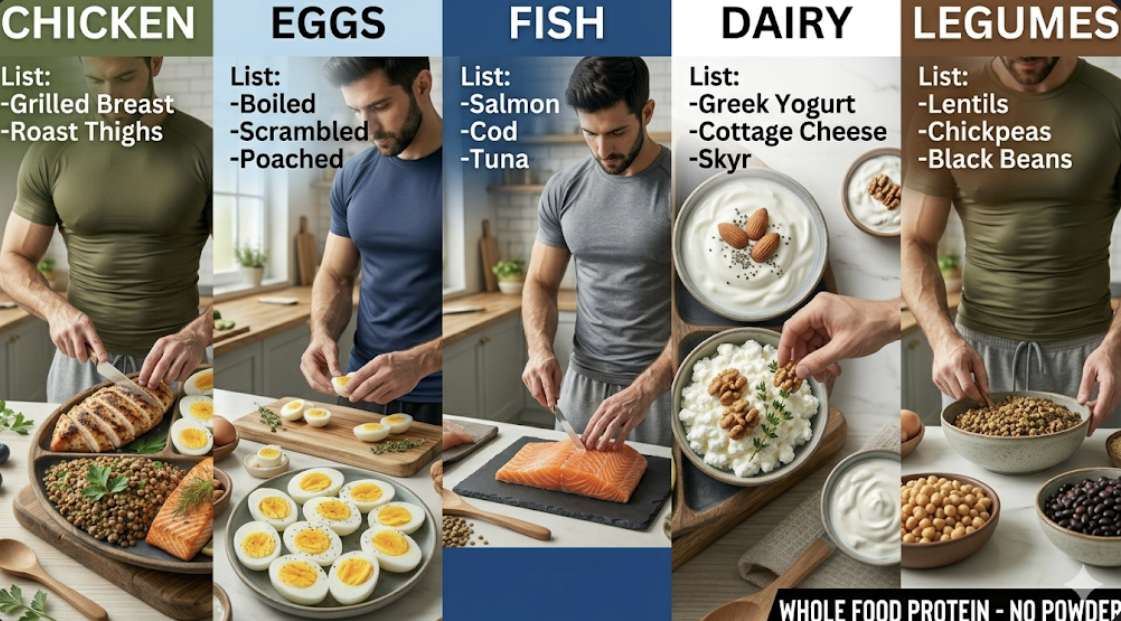
Get enough protein without supplements by eating: eggs (6g each), chicken breast (31g/100g), tuna (30g/100g), Greek yogurt (20g/200g), lentils and beans (18g/cup cooked), milk (8g/cup), cottage cheese (25g/cup), and cheese (7g/oz). Spread these across 3-5 meals daily to reach 1.6-2.2g protein per kg body weight.
2. Understanding Your Protein Needs
Before increasing intake, know your target. Research-based recommendations:
- Sedentary adults: 0.8 g protein per kg body weight (0.36 g per lb)
- Active individuals: 1.2–1.6 g per kg (0.55–0.73 g per lb)
- Muscle building (bulking): 1.6–2.2 g per kg (0.73–1.0 g per lb)
- Fat loss (calorie deficit): 1.8–2.4 g per kg (0.82–1.1 g per lb) to preserve muscle
3. Top Natural High-Protein Foods by Category
📊 Complete Protein Rich Foods List
| Category | Food | Serving | Protein (g) | Calories |
|---|---|---|---|---|
| Poultry | Chicken breast (skinless) | 100g (3.5 oz) | 31 | 165 |
| Poultry | Turkey breast | 100g | 29 | 135 |
| Beef | Lean beef (90/10) | 100g | 26 | 176 |
| Fish | Tuna (canned in water) | 100g | 30 | 116 |
| Fish | Salmon | 100g | 25 | 208 |
| Eggs | Whole eggs | 1 large | 6 | 70 |
| Dairy | Greek yogurt (plain) | 200g (¾ cup) | 20-25 | 150-200 |
| Dairy | Cottage cheese (2%) | 1 cup (226g) | 25 | 180-220 |
| Dairy | Milk (whole) | 1 cup (240ml) | 8 | 150 |
| Dairy | Cheddar cheese | 1 oz (28g) | 7 | 115 |
| Legumes | Lentils (cooked) | 1 cup (200g) | 18 | 230 |
| Legumes | Chickpeas (cooked) | 1 cup (164g) | 15 | 269 |
| Legumes | Black beans | 1 cup (172g) | 15 | 227 |
| Soy | Tofu (firm) | 100g | 8-12 | 70-100 |
| Soy | Tempeh | 100g | 19 | 193 |
| Soy | Edamame | 1 cup (155g) | 17 | 189 |
| Grains | Quinoa (cooked) | 1 cup (185g) | 8 | 222 |
| Grains | Oats (dry) | ½ cup (40g) | 5 | 150 |
| Nuts/Seeds | Almonds | 1 oz (28g) | 6 | 160 |
| Nuts/Seeds | Peanut butter | 2 tbsp (32g) | 7-8 | 190 |
4. Practical Strategies to Increase Protein Intake Naturally
4.1. Start with a High-Protein Breakfast
Swap sugary cereals for eggs, Greek yogurt, or cottage cheese. Add 2-3 eggs (12-18g protein) or 200g Greek yogurt (20g protein) to your morning routine.
4.2. Choose Protein-First at Each Meal
Build meals around protein sources. Aim for 30-40g protein per main meal. Example: 150g chicken breast (46g protein) or 200g salmon (50g protein).
4.3. Add Protein to Snacks
Replace carb-only snacks with protein-rich options: hard-boiled eggs, cottage cheese, Greek yogurt, edamame, or turkey roll-ups.
4.4. Use Dairy in Cooking
Use milk instead of water in oatmeal (adds 8g protein per cup). Add Greek yogurt to smoothies (15-20g protein).
4.5. Incorporate Legumes
Add lentils, chickpeas, or black beans to soups, salads, and grain bowls. One cup adds 15-18g protein plus fiber.
5. Sample High-Protein Meal Plan (Without Supplements)
Omnivore Plan (150g Protein, ~2,500 kcal)
- Breakfast (7:30 AM): 3 eggs, 1 cup oatmeal with 1 cup milk, 1 tbsp peanut butter (35g protein, 650 kcal)
- Lunch (12:30 PM): 200g grilled chicken breast, 1.5 cups rice, 1 cup broccoli (50g protein, 600 kcal)
- Snack (3:30 PM): 200g Greek yogurt, 30g almonds (25g protein, 350 kcal)
- Dinner (7:30 PM): 150g salmon, 1.5 cups sweet potato, 1 tbsp olive oil, asparagus (35g protein, 600 kcal)
- Evening (9:30 PM): 1 cup cottage cheese (25g protein, 220 kcal)
- Total: ~170g protein, ~2,420 kcal
Vegan/Vegetarian Plan (130g Protein, ~2,400 kcal)
- Breakfast: Tofu scramble (200g firm tofu), 1.5 cups oatmeal with soy milk, 2 tbsp peanut butter (35g protein, 750 kcal)
- Lunch: 200g tempeh, 1.5 cups quinoa, 1 cup edamame, 1 tbsp olive oil (40g protein, 700 kcal)
- Snack: 1 cup soy yogurt, 30g almonds (15g protein, 300 kcal)
- Dinner: 1.5 cups cooked lentils, 2 cups brown rice, 1 tbsp coconut oil, spinach (30g protein, 650 kcal)
- Total: ~120g protein, ~2,400 kcal
Gluten-Free Options
- Use certified gluten-free oats
- Choose rice, quinoa, buckwheat
- Verify tempeh and tofu are gluten-free certified
6. Quick High-Protein Recipes Without Supplements
Egg & Veggie Scramble (30g protein, 400 kcal)
- 3 large eggs (18g protein)
- 100g cottage cheese (12g protein)
- 1 cup spinach, mushrooms
- Whisk eggs, cook with vegetables, add cottage cheese at end.
Greek Yogurt Bowl (30g protein, 350 kcal)
- 200g Greek yogurt (20g protein)
- 1 tbsp chia seeds (2g protein)
- 30g almonds (6g protein)
- ½ cup berries
- Combine all ingredients.
Lentil & Chickpea Soup (25g protein, 400 kcal)
- 1 cup cooked lentils (18g protein)
- ½ cup chickpeas (7g protein)
- Vegetable broth, carrots, celery, onion
- Simmer 20 minutes, serve.
7. Protein Timing for Maximum Benefit
Research shows spreading protein intake across 3-5 meals (20-40g per meal) optimizes muscle protein synthesis . Key timing windows:
- Breakfast: Crucial after overnight fast; aim for 20-30g protein
- Post-workout: Within 2 hours of training; prioritize protein + carbs
- Pre-bed: Slow-digesting protein (cottage cheese, Greek yogurt) supports overnight recovery
8. Common Mistakes When Increasing Protein Naturally
- Relying on processed "protein" foods: Many protein bars and snacks are highly processed with added sugar
- Not eating enough total calories: Protein needs increase with calorie deficit; ensure adequate energy intake
- Ignoring fiber: High protein diets can cause constipation; pair with vegetables and whole grains
- Inconsistent distribution: Eating most protein in one meal reduces MPS efficiency
- Avoiding fats: Protein sources naturally contain fats; they're essential for hormone function
9. Frequently Asked Questions
How can I get enough protein without supplements?
Get enough protein without supplements by eating: eggs (6g each), chicken breast (31g/100g), tuna (30g/100g), Greek yogurt (20g/200g), lentils and beans (18g/cup cooked), milk (8g/cup), cottage cheese (25g/cup), and cheese (7g/oz). Spread these across 3-5 meals daily to reach 1.6-2.2g protein per kg body weight.
What are the best natural high-protein foods?
The best natural high-protein foods include: chicken breast (31g/100g), lean beef (26g/100g), eggs (6g each), Greek yogurt (20-25g/200g), cottage cheese (25g/cup), tuna (30g/100g), salmon (25g/100g), lentils (18g/cup), chickpeas (15g/cup), and edamame (17g/cup).
How much protein do I need daily?
Protein needs vary by activity level. Sedentary adults: 0.8g per kg body weight. Active individuals: 1.2-1.6g per kg. Athletes and those building muscle: 1.6-2.2g per kg. For an 80kg person, this equals 128-176g protein daily for muscle growth.
Can vegetarians get enough protein without supplements?
Yes, vegetarians can meet protein needs with: eggs, Greek yogurt, cottage cheese, lentils, chickpeas, black beans, tofu, tempeh, edamame, quinoa, and seitan. Aim for 20-30g protein per meal from these sources. Combining complementary proteins (rice and beans) ensures complete amino acid profile.
What is the best way to increase protein intake naturally?
Increase protein naturally by: adding eggs to breakfast, choosing Greek yogurt over regular yogurt, including lean meat or fish with each meal, adding lentils or beans to soups and salads, snacking on cottage cheese or hard-boiled eggs, and using milk instead of water in oatmeal and smoothies.
How do I get 150g protein a day without protein powder?
Get 150g protein without powder by eating: breakfast: 3 eggs + 1 cup Greek yogurt (40g), lunch: 200g chicken breast (60g), snack: 1 cup cottage cheese (25g), dinner: 150g salmon (35g). Total: 160g protein from whole foods alone.
10. Related Resources
- How to Read Nutrition Labels for Fitness Goals (Beginner-Friendly Guide)
- What Happens If You Don’t Eat Enough Protein? (Health & Muscle Impact)
- Simple High-Protein Meal Plan for Beginners (Easy & Effective Guide)
- How Many Meals Per Day Is Best for Fat Loss? (Science-Based Answer)
- How to Balance Carbs, Protein, and Fats for Beginners (Macro Guide)
- Is Eating Late at Night Bad for Fat Loss? (Myth vs Reality)
11. Scientific References
- Morton, R. W., et al. (2018). A systematic review, meta-analysis and meta-regression of the effect of protein supplementation on resistance training-induced gains in muscle mass and strength. British Journal of Sports Medicine, 52(6), 376–384. PubMed
- Schoenfeld, B. J., & Aragon, A. A. (2018). How much protein can the body use in a single meal for muscle-building? Implications for daily protein distribution. Journal of the International Society of Sports Nutrition, 15, 10. PubMed
- Phillips, S. M., & Van Loon, L. J. (2011). Dietary protein for athletes: from requirements to optimum adaptation. Journal of Sports Sciences, 29(sup1), S29–S38. PubMed
- Helms, E. R., et al. (2014). Evidence-based recommendations for natural bodybuilding contest preparation. Journal of the International Society of Sports Nutrition, 11(1), 20. PubMed
- USDA FoodData Central. (2024). Food composition databases. USDA
- ACSM. (2021). Nutrition and Athletic Performance. Medicine & Science in Sports & Exercise, 53(3), 600–618. PubMed
Join the conversation