How to Lose Fat Without Feeling Hungry All Day (Smart Diet Tips)
How to Lose Fat Without Feeling Hungry All Day (Smart Diet Tips)

⚡ TL;DR
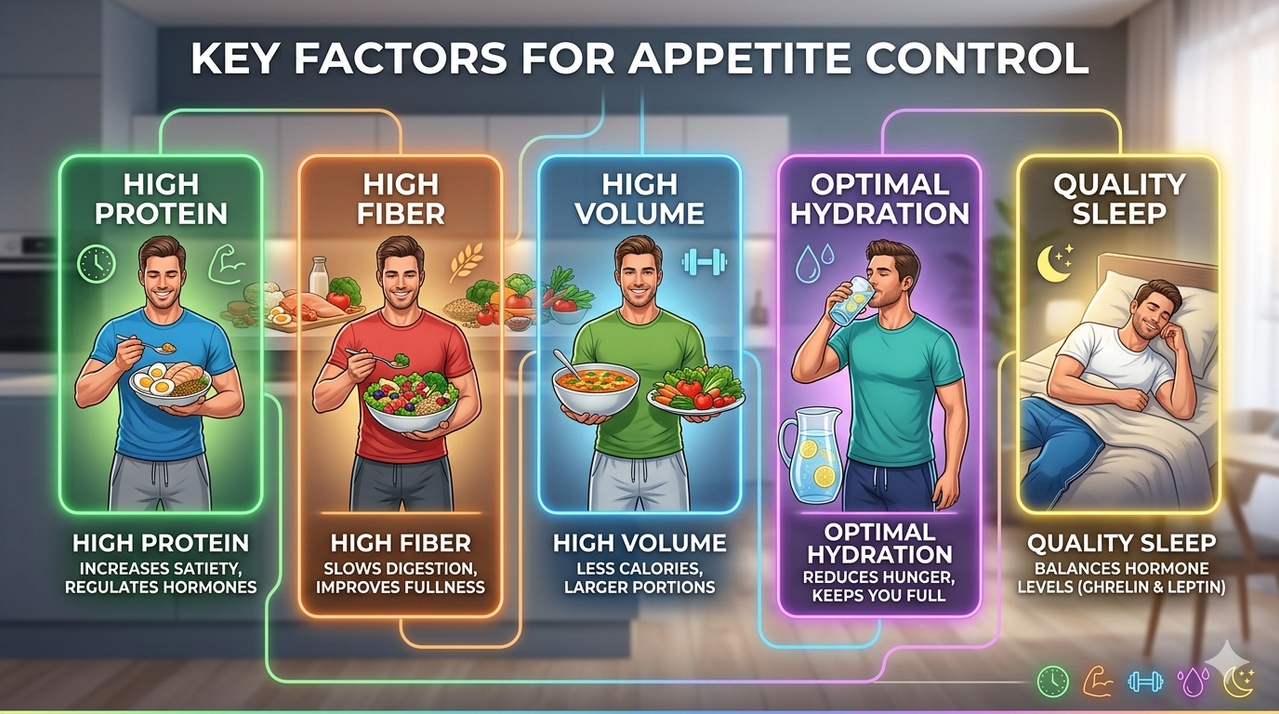
You can lose fat without feeling hungry by focusing on three key strategies: high protein intake (1.6–2.2 g/kg body weight), high fiber foods (vegetables, legumes, whole grains), and volume eating (low-calorie-density foods). Research shows protein and fiber are the most satiating nutrients . Strategic meal timing, hydration, and sleep also play critical roles. This guide provides actionable tips, sample meal plans, and recipes to help you control hunger while dieting and achieve sustainable fat loss without suffering.
1. The Myth: Fat Loss = Constant Hunger
If you've ever tried to lose weight, you've probably heard the phrase "no pain, no gain." Many people believe that hunger is an unavoidable price of fat loss. But the truth is, with the right strategies, you can lose fat without feeling hungry all day. This guide will show you how to leverage science-backed nutrition principles to stay satisfied while shedding pounds.
How can I lose fat without feeling hungry?
You can lose fat without feeling hungry by eating high-protein, high-fiber foods and managing meal timing. Prioritize protein (1.6–2.2 g/kg body weight), which increases satiety hormones (PYY, GLP-1) and reduces ghrelin . Include fiber-rich vegetables, legumes, and whole grains to slow digestion. Eat regular meals to avoid blood sugar crashes, and stay hydrated—thirst is often mistaken for hunger . This approach allows a calorie deficit without constant cravings.
2. Strategy #1: Protein – The Ultimate Appetite Controller
2.1. How Protein Suppresses Hunger
Protein is the most satiating macronutrient. It increases levels of satiety hormones (PYY, GLP-1, CCK) and reduces ghrelin (the hunger hormone) . Studies show that increasing protein intake from 15% to 30% of calories leads to spontaneous calorie reduction of about 441 kcal per day .
2.2. How Much Protein Do You Need?
Aim for 1.6–2.2 grams of protein per kilogram of body weight daily. For a 70 kg person, that's 112–154 grams. Spread across 3–5 meals (20–40 g per meal) to maximize satiety .
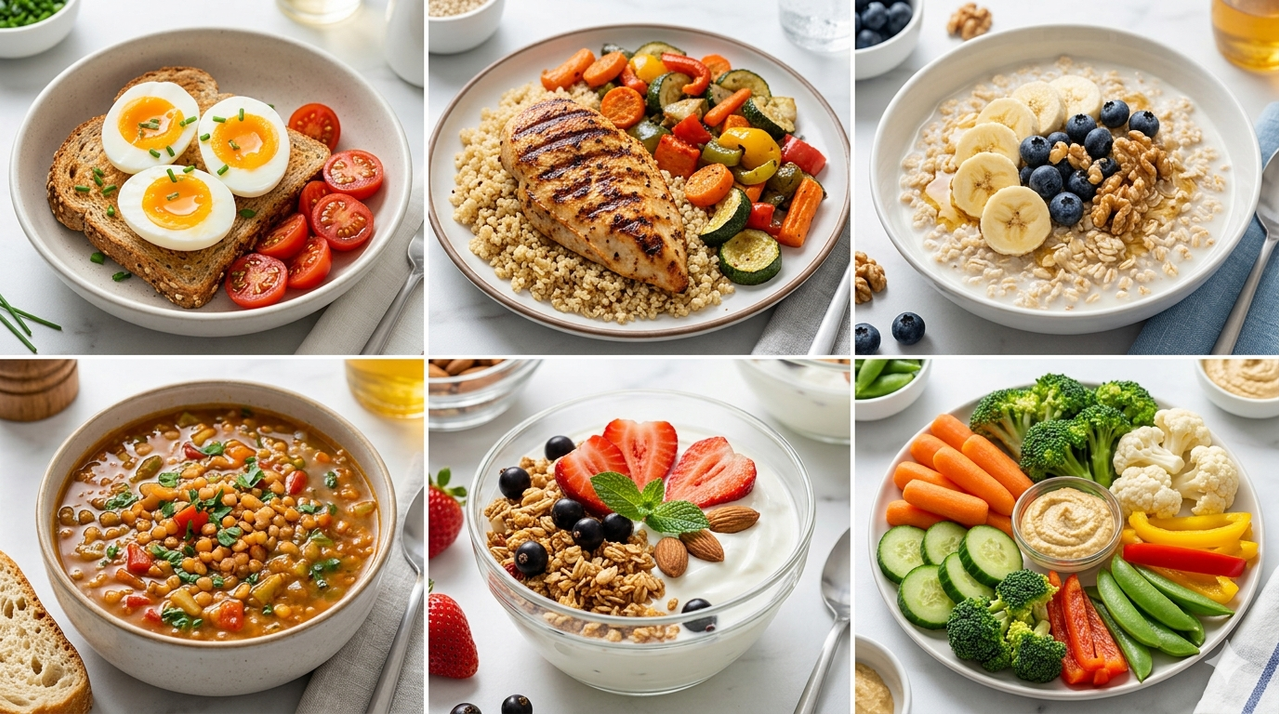
2.3. Best Protein Sources for Satiety
- Animal: Eggs, chicken breast, Greek yogurt, cottage cheese, lean beef, fish, whey/casein
- Plant: Tofu, tempeh, edamame, lentils, chickpeas, seitan, pea protein
3. Strategy #2: Fiber – The Slow-Digesting Satiety Booster
3.1. Why Fiber Works
Fiber slows gastric emptying, stabilizes blood sugar, and increases fullness. Soluble fiber (oats, legumes, apples) forms a gel that delays digestion, while insoluble fiber (vegetables, whole grains) adds bulk .
3.2. How Much Fiber?
Aim for 25–35 grams of fiber daily. Most people fall short—increase gradually to avoid digestive discomfort .
3.3. Best High-Fiber Foods
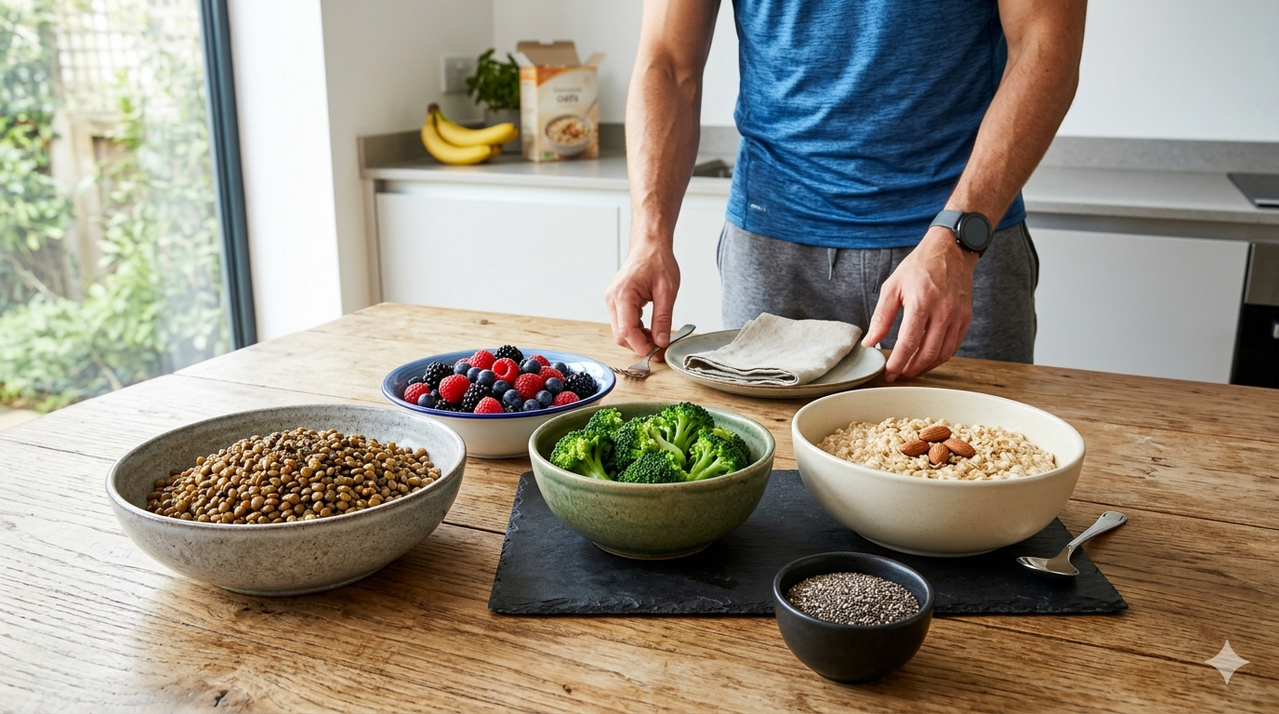
- Legumes: Lentils, chickpeas, black beans (8–10g per cup)
- Vegetables: Broccoli, Brussels sprouts, artichokes, spinach
- Fruits: Raspberries, pears, apples (with skin), oranges
- Grains: Oats, quinoa, barley, chia seeds
4. Strategy #3: Volume Eating – Fill Your Stomach, Not Your Calories
4.1. The Principle of Calorie Density
Foods with high water and fiber content (vegetables, fruits, broth-based soups) have low calorie density. They stretch the stomach, triggering fullness signals without excess calories .
4.2. Volume Eating Swaps
- Swap rice for cauliflower rice (or mix 50/50)
- Swap pasta for zucchini noodles or shirataki noodles
- Swap chips for air-popped popcorn
- Start meals with a large salad or broth-based soup
- Fill half your plate with non-starchy vegetables
5. Strategy #4: Meal Timing and Frequency
5.1. Eat Regular Meals
Skipping meals leads to blood sugar crashes and intense hunger. Eating every 3–5 hours helps maintain stable energy and appetite control .
5.2. Front-Load Calories
Eating larger meals earlier in the day and smaller meals at night may improve appetite control. A 2020 study found that a larger breakfast reduced daily hunger compared to a larger dinner .
5.3. Pre-Sleep Snack
If nighttime hunger is an issue, a small protein-rich snack (cottage cheese, Greek yogurt) can help without disrupting sleep .
6. Strategy #5: Hydration – Thirst vs. Hunger
Thirst is often mistaken for hunger. Drinking water before meals can reduce calorie intake. Aim for 2–3 liters of water daily, and consider herbal teas or sparkling water for variety .
7. Strategy #6: Sleep and Stress Management
Poor sleep increases ghrelin and decreases leptin, making you hungrier . Chronic stress elevates cortisol, which can increase appetite and cravings for high-calorie foods . Aim for 7–9 hours of sleep and incorporate stress-reduction practices like walking or meditation.
8. Sample Meal Plan – 1,800 kcal, 140g Protein (High Satiety)
8.1. Omnivore Plan
- Breakfast (7:30 AM): 3 eggs scrambled with spinach, 1 cup oatmeal with ½ cup berries (450 kcal, 30g protein, 10g fiber)
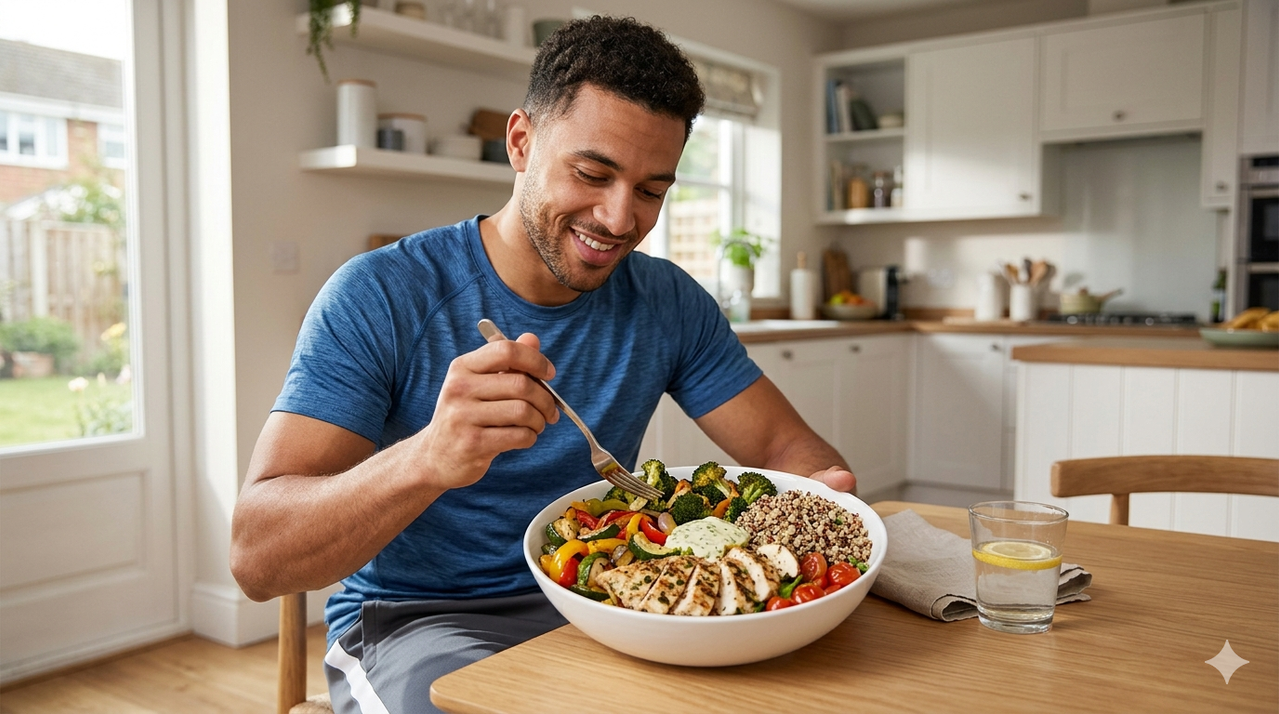
- Lunch (12:30 PM): 150g grilled chicken breast, 2 cups mixed greens with cucumber and tomatoes, ½ cup quinoa, 1 tbsp olive oil (500 kcal, 40g protein, 8g fiber)
- Snack (4:00 PM): 200g Greek yogurt, 1 apple (250 kcal, 20g protein, 5g fiber)
- Dinner (7:30 PM): 150g salmon, 2 cups roasted broccoli, 1.5 cups sweet potato, 1 tbsp olive oil (550 kcal, 35g protein, 8g fiber)
- Evening (optional): 150g cottage cheese (150 kcal, 15g protein)
Total: ~1,900 kcal, 140g protein, 31g fiber
8.2. Vegan/Vegetarian Plan
- Breakfast: Tofu scramble (200g firm tofu with spinach), 1 cup oatmeal with 2 tbsp peanut butter, ½ cup berries (550 kcal, 35g protein, 12g fiber)
- Lunch: 1.5 cups cooked lentils, 2 cups mixed greens, 1 cup roasted chickpeas, 1 tbsp olive oil (550 kcal, 30g protein, 20g fiber)
- Snack: 1 cup edamame, 1 apple (250 kcal, 15g protein, 8g fiber)
- Dinner: 1.5 cups cooked quinoa, 200g baked tofu, 2 cups roasted vegetables, 1 tbsp tahini (550 kcal, 35g protein, 12g fiber)
- Evening: 1 cup unsweetened soy milk (100 kcal, 8g protein)
Gluten-Free Options
- Use certified gluten-free oats, quinoa, rice, or buckwheat.
- Ensure tempeh and tofu are gluten-free certified.
9. Quick High-Satiety Recipes
- Protein-Packed Smoothie (400 kcal, 35g protein): 1 scoop whey/pea protein, 1 cup unsweetened almond milk, ½ cup spinach, ½ banana, 1 tbsp chia seeds, ice.
- Loaded Lentil Soup (350 kcal, 18g protein, 15g fiber): 1 cup lentils, vegetable broth, carrots, celery, onion, garlic, spinach.
- Greek Yogurt Bowl (300 kcal, 25g protein): 200g Greek yogurt, ½ cup berries, 1 tbsp chopped almonds, cinnamon.
- Egg & Veggie Scramble (350 kcal, 25g protein): 3 eggs, 1 cup spinach, ½ cup mushrooms, ½ cup bell peppers.
10. Common Hunger-Management Mistakes
- Mistake #1: Cutting calories too aggressively. Severe deficits spike hunger hormones. Aim for 300–500 kcal deficit .
- Mistake #2: Skimping on protein. Below 1.6 g/kg, satiety suffers.
- Mistake #3: Ignoring fiber. Low-fiber diets lead to faster digestion and hunger.
- Mistake #4: Not drinking enough water. Dehydration mimics hunger.
- Mistake #5: Poor sleep. Sleep deprivation increases ghrelin by up to 15% .
- Mistake #6: Relying on "diet" processed foods. They often lack satiety and spike cravings.
11. Frequently Asked Questions
How can I lose fat without feeling hungry?
Eat high-protein foods (1.6–2.2 g/kg body weight), high-fiber foods (vegetables, legumes), and practice volume eating with low-calorie-density foods. Stay hydrated and get adequate sleep.
What foods keep you full the longest?
Eggs, oats, lentils, fish, potatoes, and Greek yogurt rank highest on the satiety index. These combine protein, fiber, and water content.
How much protein do I need to control hunger?
Aim for 1.6–2.2 grams per kilogram of body weight daily. For a 70 kg person, that's 112–154 grams of protein per day.
Does eating late at night cause weight gain?
Not directly—total daily calories matter most. However, late-night eating can lead to poor food choices and disrupted sleep, which may affect hunger the next day.
Can drinking water help with hunger?
Yes. Drinking 16–20 oz of water 20–30 minutes before meals can reduce calorie intake by 10–15% and help distinguish thirst from hunger.
How much fiber do I need for appetite control?
Aim for 25–35 grams of fiber daily. High-fiber foods slow digestion and increase fullness.
Does sleep affect hunger?
Yes. Poor sleep increases ghrelin (hunger hormone) and decreases leptin (satiety hormone), leading to increased appetite and cravings.
12. Related Resources
- How to Avoid Muscle Loss While Cutting (Science-Based Guide)
- Why Fat Loss Slows Down After 2 Weeks (And How to Fix It Fast)
- How Many Steps Per Day for Fat Loss Beginners? (Simple Walking Guide)
- Best Simple Habits for Sustainable Fat Loss (Easy Daily Strategies)
- Why You Feel Tired During a Cutting Phase (And How to Fix It)
- How to Stay Full While Cutting Calories (Hunger Control Guide)
13. Scientific References
- Morton, R. W., et al. (2018). A systematic review, meta-analysis and meta-regression of the effect of protein supplementation on resistance training-induced gains in muscle mass and strength in healthy adults. British Journal of Sports Medicine, 52(6), 376–384. PubMed
- Westerterp-Plantenga, M. S. (2008). Protein intake and energy balance. Regulatory Peptides, 149(1-3), 67–69. PubMed
- Slavin, J. L. (2005). Dietary fiber and body weight. Nutrition, 21(3), 411–418. PubMed
- Rolls, B. J. (2009). The relationship between dietary energy density and energy intake. Physiology & Behavior, 97(5), 609–615. PubMed
- Nedeltcheva, A. V., et al. (2010). Insufficient sleep undermines dietary efforts to reduce adiposity. Annals of Internal Medicine, 153(7), 435–441. PubMed
- Helms, E. R., et al. (2014). Evidence-based recommendations for natural bodybuilding contest preparation. Journal of the International Society of Sports Nutrition, 11(1), 20. PubMed
- ACSM. (2021). Nutrition and Athletic Performance. Medicine & Science in Sports & Exercise, 53(3), 600–618. PubMed
Join the conversation