How to Speed Up Fat Loss Without Exercise (Simple Daily Strategies)
How to Speed Up Fat Loss Without Exercise (Simple Daily Strategies)
⚡ TL;DR
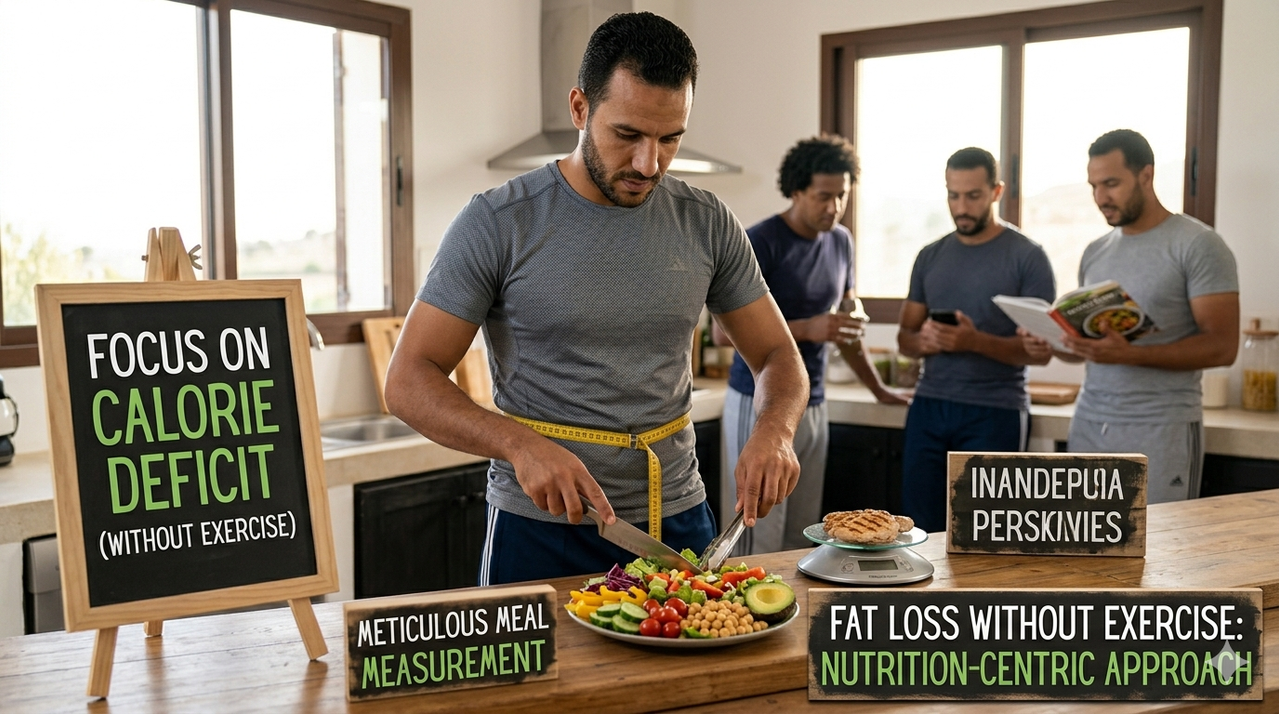
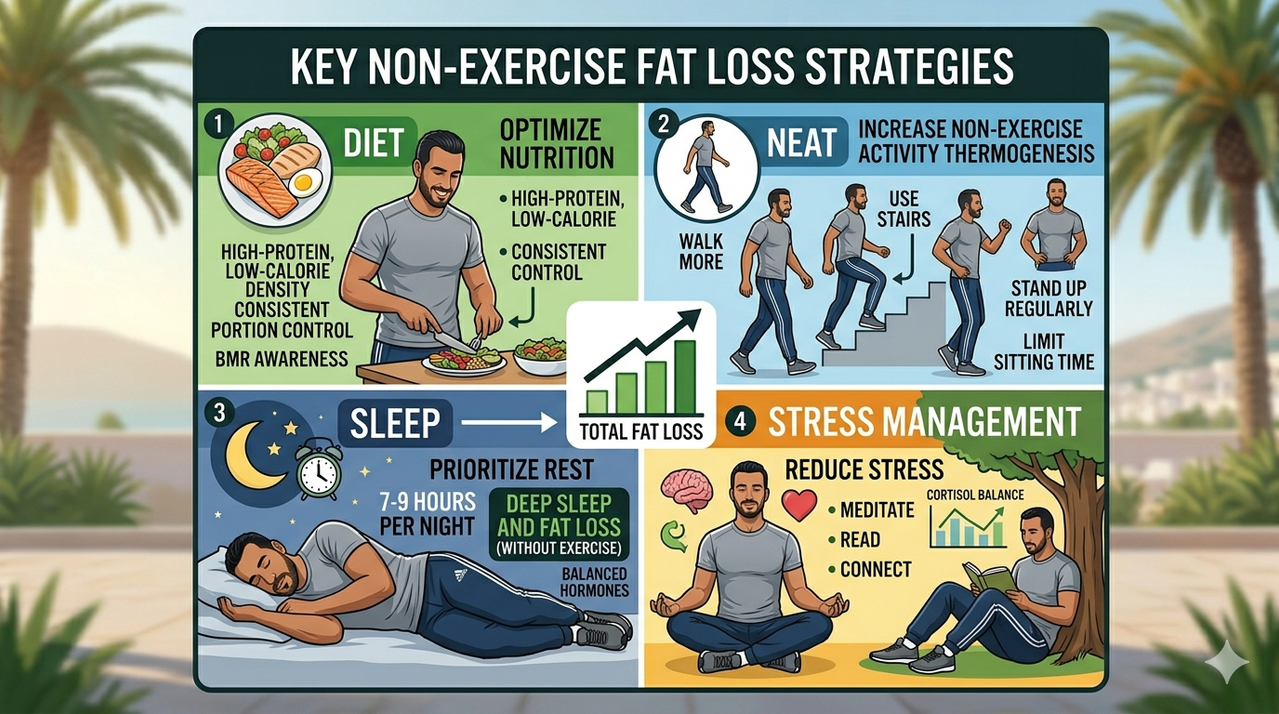
You can speed up fat loss without exercise by focusing on nutrition, NEAT (non-exercise activity), sleep, and stress management. Key strategies: increase protein intake (1.6–2.2 g/kg) to boost satiety and thermogenesis, prioritize sleep (7–9 hours) to regulate hunger hormones, increase daily steps (7,000–10,000) through walking, and manage stress to lower cortisol . These non-exercise strategies can create a significant calorie deficit and improve metabolic health without formal workouts.
1. The Truth: Exercise Isn't the Only Path to Fat Loss
You've heard it a thousand times: "to lose weight, you need to exercise." While exercise has countless benefits, it's not the only way to create a calorie deficit. In fact, nutrition and daily movement (NEAT) often have a bigger impact on fat loss than structured workouts. This guide will show you how to speed up fat loss fast using simple, exercise-free strategies.
Can you lose fat without exercise?
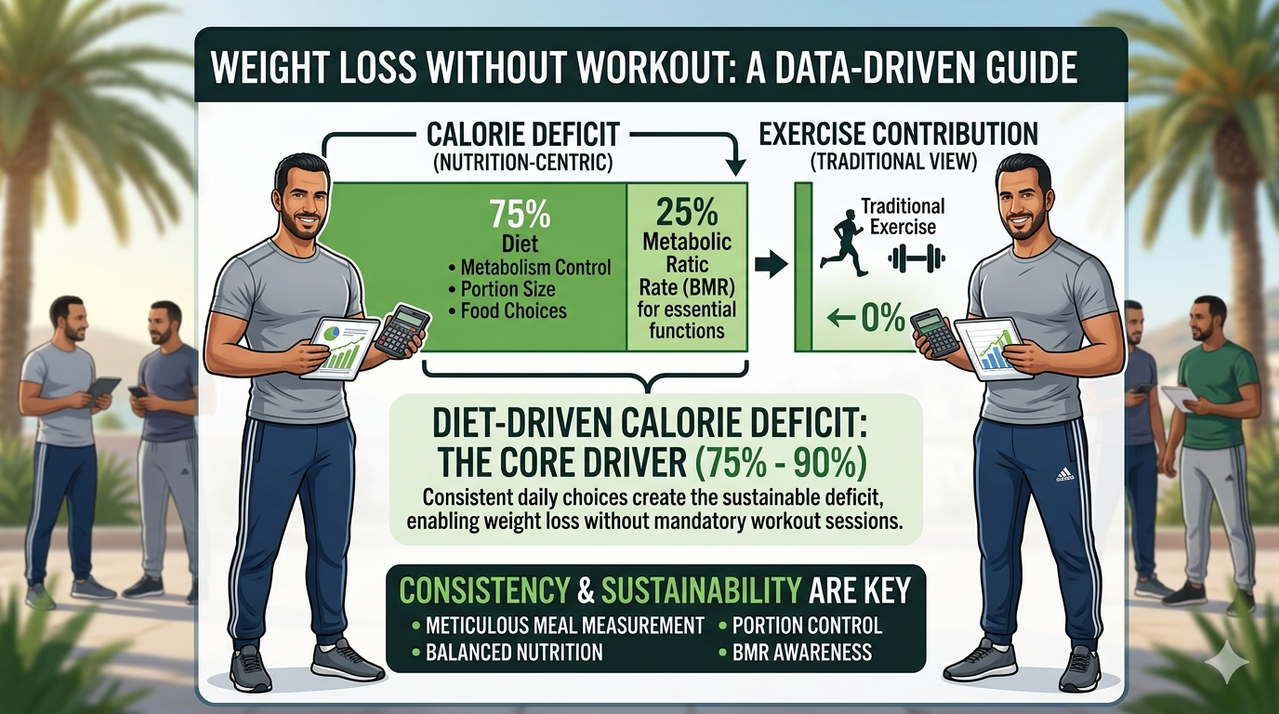
Yes, you can lose fat without exercise. The primary driver of fat loss is a consistent calorie deficit. You can achieve this by: 1) Controlling calories through diet (eating fewer calories than you burn). 2) Increasing daily activity (NEAT) like walking, standing, and taking stairs. 3) Improving diet quality with high-protein, high-fiber foods that increase satiety and thermogenesis . While exercise offers additional benefits, fat loss is absolutely possible without structured workouts.
2. Strategy #1: Optimize Nutrition for Fat Loss
2.1. Create a Modest Calorie Deficit
Aim for a deficit of 300–500 calories below maintenance. This yields sustainable fat loss of 0.5–1 kg per week without triggering excessive hunger or metabolic slowdown .
2.2. Prioritize Protein
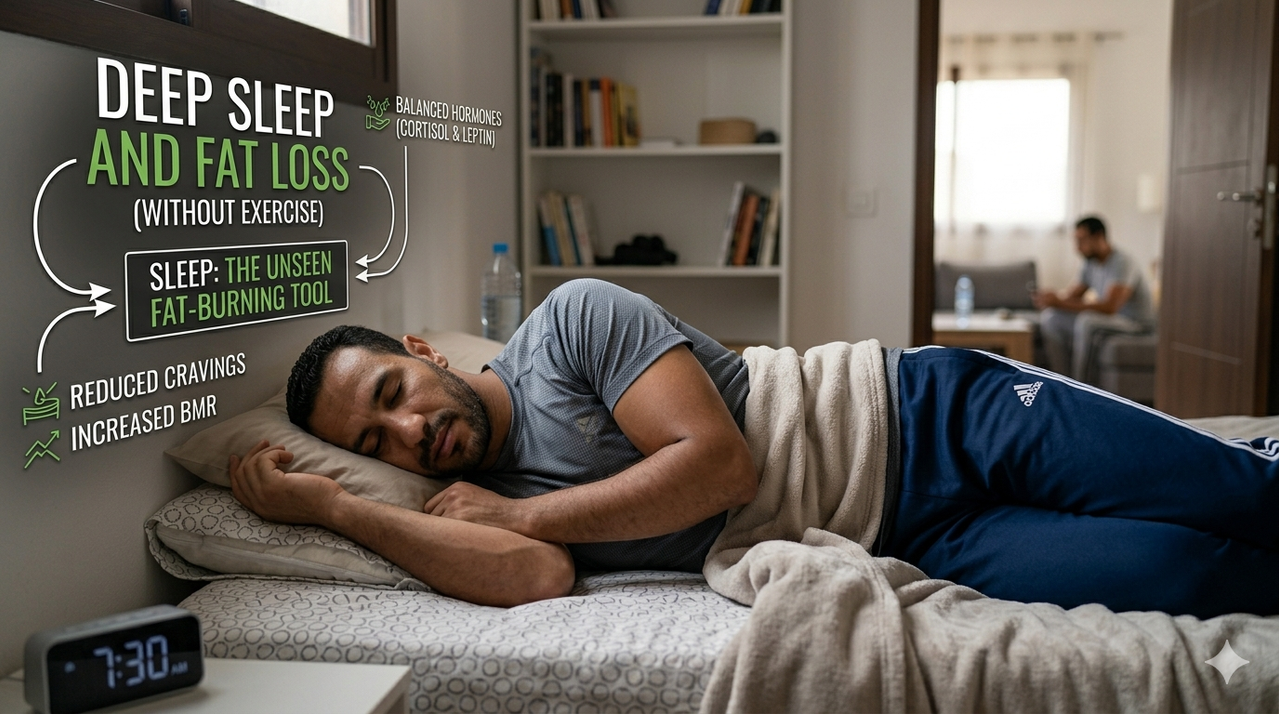
High protein intake (1.6–2.2 g/kg body weight) increases satiety, preserves muscle, and has a higher thermic effect (20–30% of calories burned during digestion) .
2.3. Increase Fiber Intake
Fiber slows digestion and increases fullness. Aim for 25–35 grams daily from vegetables, legumes, and whole grains .
2.4. Drink More Water
Drinking 500ml of water increases metabolic rate by 24–30% for up to 90 minutes . Water before meals reduces calorie intake by 10–15% .
3. Strategy #2: Increase NEAT – The Secret Fat Burner
3.1. What Is NEAT?
Non-Exercise Activity Thermogenesis (NEAT) is the energy expended for everything that isn't sleeping, eating, or formal exercise. This includes walking, standing, fidgeting, and household chores. NEAT can vary by up to 2,000 calories per day between individuals .
3.2. How to Increase NEAT
- Walk more: Aim for 7,000–10,000 steps daily. A 30-minute walk burns 150–200 calories.
- Stand instead of sit: Standing burns 10–15% more calories than sitting.
- Take the stairs: 10 minutes of stair climbing burns ~100 calories.
- Park farther away: Adds steps without thinking.
- Do chores actively: Gardening, cleaning, and cooking all count.
4. Strategy #3: Prioritize Sleep for Hormonal Balance
4.1. The Sleep-Fat Loss Connection
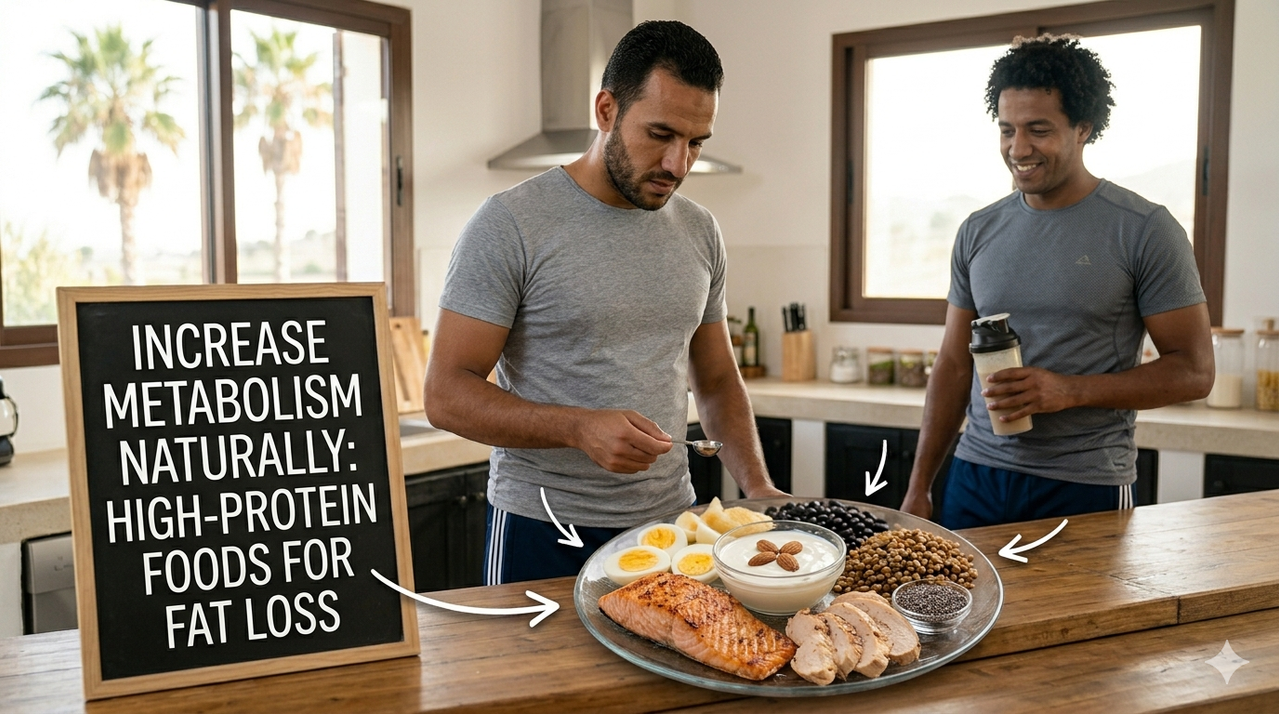
Sleep deprivation increases ghrelin (hunger hormone) by 15% and decreases leptin (satiety hormone) by 26%, leading to increased appetite and cravings . Poor sleep also elevates cortisol, which promotes fat storage, especially around the abdomen .
4.2. Sleep Recommendations
- Aim for 7–9 hours nightly
- Consistent schedule: Same bedtime and wake time
- No screens 30–60 minutes before bed
- Cool, dark, quiet room
5. Strategy #4: Lower Cortisol Through Stress Management
5.1. How Stress Hinders Fat Loss
Chronic stress elevates cortisol, which increases appetite, especially for high-calorie foods, and promotes visceral fat storage . Stress also often leads to emotional eating and poor food choices.
5.2. Stress-Reduction Techniques
- Deep breathing: 5–10 minutes daily
- Meditation or mindfulness
- Walking in nature
- Journaling
- Social connection
6. Strategy #5: Consider Intermittent Fasting
Intermittent fasting (e.g., 16:8 protocol) can help some people naturally reduce calorie intake without consciously restricting. Studies show it can be effective for fat loss, primarily because it reduces overall calorie consumption . However, it's not necessary and works best if it fits your lifestyle.
7. Sample Meal Plan – 1,800 kcal (Fat Loss Without Exercise)
Omnivore Plan
- Breakfast (8:00 AM): 3 eggs, 1 cup oatmeal with berries (450 kcal, 30g protein)
- Lunch (12:30 PM): 150g grilled chicken breast, 2 cups mixed greens, ½ cup quinoa, 1 tbsp olive oil (500 kcal, 40g protein)
- Snack (3:30 PM): 200g Greek yogurt, 1 apple (250 kcal, 20g protein)
- Dinner (7:00 PM): 150g salmon, 2 cups roasted broccoli, 1.5 cups sweet potato (550 kcal, 35g protein)
- Evening (optional): 150g cottage cheese (150 kcal, 15g protein)
Total: ~1,900 kcal, 140g protein, 30g fiber
Vegan/Vegetarian Plan
- Breakfast: Tofu scramble (200g firm tofu), 1 cup oatmeal with 2 tbsp peanut butter, berries (550 kcal, 35g protein)
- Lunch: 1.5 cups cooked lentils, 2 cups mixed greens, 1 cup roasted chickpeas (550 kcal, 30g protein)
- Snack: 1 cup edamame, 1 apple (250 kcal, 15g protein)
- Dinner: 1.5 cups quinoa, 200g baked tofu, 2 cups roasted vegetables (550 kcal, 35g protein)
- Evening: 1 cup unsweetened soy milk (100 kcal, 8g protein)
Gluten-Free Options
- Use certified gluten-free oats, quinoa, rice, or buckwheat.
- Ensure tempeh and tofu are gluten-free certified.
8. Quick Recipes to Support Fat Loss
- Protein-Packed Smoothie (350 kcal, 30g protein): 1 scoop protein, 1 cup unsweetened almond milk, ½ banana, 1 tbsp chia seeds, ice.
- Loaded Lentil Soup (300 kcal, 18g protein, 15g fiber): 1 cup lentils, vegetable broth, carrots, celery, onion, garlic, spinach.
- Greek Yogurt Bowl (250 kcal, 20g protein): 200g Greek yogurt, ½ cup berries, 1 tbsp chopped almonds.
- Egg & Veggie Scramble (350 kcal, 25g protein): 3 eggs, 1 cup spinach, ½ cup mushrooms, ½ cup bell peppers.
9. Common Mistakes That Slow Fat Loss Without Exercise
- Mistake #1: Drastically cutting calories. Severe deficits spike hunger and slow metabolism. Aim for a moderate 300–500 kcal deficit.
- Mistake #2: Not eating enough protein. Below 1.6 g/kg, you risk muscle loss and increased hunger.
- Mistake #3: Ignoring NEAT. Sitting for long periods drastically reduces daily energy expenditure.
- Mistake #4: Poor sleep. Sleep deprivation increases hunger hormones and cravings.
- Mistake #5: Chronic stress. High cortisol promotes belly fat storage and emotional eating.
- Mistake #6: Relying on "diet" foods. Processed low-calorie foods often lack satiety and nutrients.
10. Frequently Asked Questions
Can you lose fat without exercise?
Yes, by controlling calories, increasing daily activity (NEAT), and improving diet quality. A calorie deficit is the primary driver of fat loss, regardless of exercise.
How much weight can I lose without exercise?
With a 500 kcal daily deficit, you can lose about 0.5 kg (1 lb) per week. Results vary based on starting weight, diet, and adherence.
What is NEAT and how does it help with fat loss?
NEAT (Non-Exercise Activity Thermogenesis) is energy burned through daily movement like walking, standing, and chores. Increasing NEAT can add 200–500 calories to daily energy expenditure.
How much protein do I need to lose fat without exercise?
Aim for 1.6–2.2 grams per kilogram of body weight daily. This preserves muscle and increases satiety.
Does sleep affect fat loss?
Yes. Poor sleep increases ghrelin (hunger) and decreases leptin (satiety), leading to increased appetite and cravings. Aim for 7–9 hours nightly.
How does stress prevent fat loss?
Chronic stress elevates cortisol, which promotes fat storage, especially in the abdomen, and increases cravings for high-calorie foods.
What drinks help speed up fat loss?
Water, green tea, and black coffee can support metabolism and appetite control. Avoid sugary drinks and alcohol.
11. Related Resources
- How to Avoid Muscle Loss While Cutting (Science-Based Guide)
- Why Fat Loss Slows Down After 2 Weeks (And How to Fix It Fast)
- How Many Steps Per Day for Fat Loss Beginners? (Simple Walking Guide)
- Best Simple Habits for Sustainable Fat Loss (Easy Daily Strategies)
- Why You Feel Tired During a Cutting Phase (And How to Fix It)
- How to Stay Full While Cutting Calories (Hunger Control Guide)
12. Scientific References
- Morton, R. W., et al. (2018). A systematic review, meta-analysis and meta-regression of the effect of protein supplementation on resistance training-induced gains in muscle mass and strength in healthy adults. British Journal of Sports Medicine, 52(6), 376–384. PubMed
- Levine, J. A. (2004). Nonexercise activity thermogenesis (NEAT): environment and biology. American Journal of Physiology-Endocrinology and Metabolism, 286(5), E675–E685. PubMed
- Nedeltcheva, A. V., et al. (2010). Insufficient sleep undermines dietary efforts to reduce adiposity. Annals of Internal Medicine, 153(7), 435–441. PubMed
- Epel, E. S., et al. (2000). Stress and body shape: stress-induced cortisol secretion is consistently higher among women with central fat. Psychosomatic Medicine, 62(5), 623–632. PubMed
- Boschmann, M., et al. (2003). Water-induced thermogenesis. Journal of Clinical Endocrinology & Metabolism, 88(12), 6015–6019. PubMed
- Dennis, E. A., et al. (2010). Water consumption increases weight loss during a hypocaloric diet intervention. Obesity, 18(2), 300–307. PubMed
- Helms, E. R., et al. (2014). Evidence-based recommendations for natural bodybuilding contest preparation. Journal of the International Society of Sports Nutrition, 11(1), 20. PubMed
- ACSM. (2021). Nutrition and Athletic Performance. Medicine & Science in Sports & Exercise, 53(3), 600–618. PubMed
Join the conversation