How to Stay Motivated During a Cutting Phase (Proven Mindset Tips)
How to Stay Motivated During a Cutting Phase (Proven Mindset Tips)
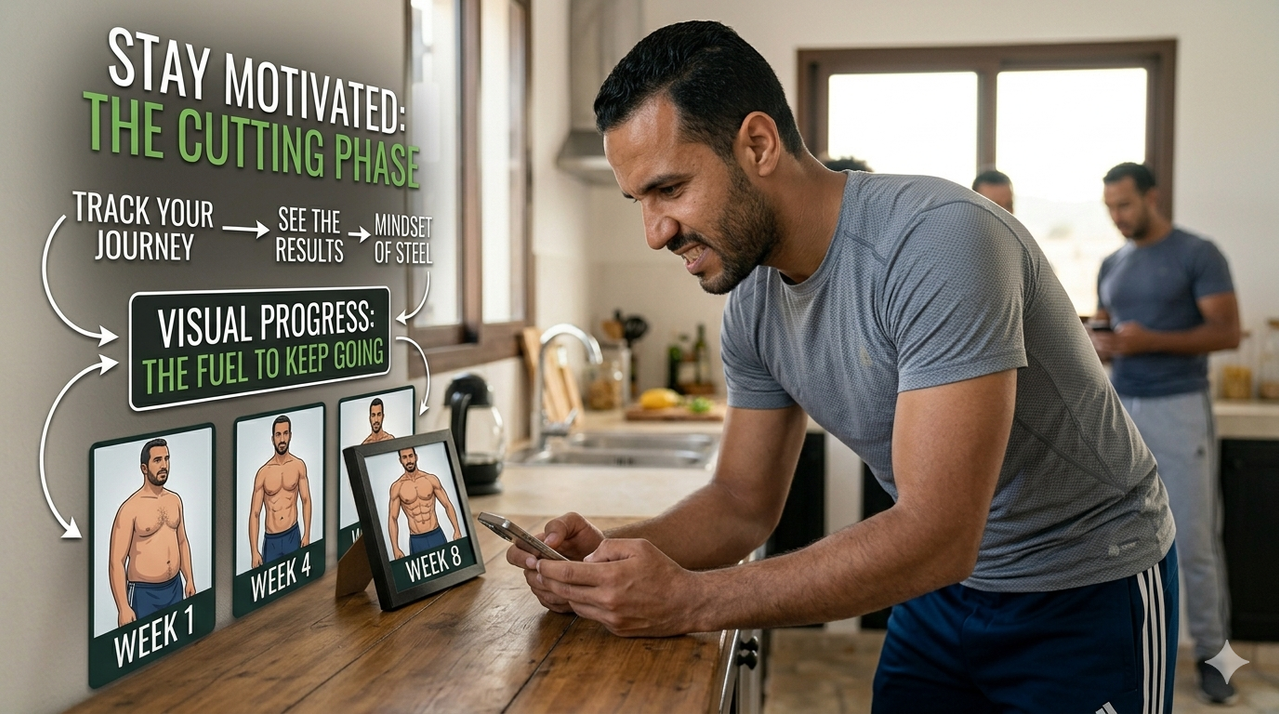
⚡ TL;DR
To stay motivated during a cutting phase, focus on process goals over outcome goals, track non-scale victories, build sustainable habits, and manage expectations. Research shows that intrinsic motivation (enjoyment, personal values) is more sustainable than extrinsic motivation (appearance, others' approval) . Key strategies: set weekly habits (e.g., hit protein target, get steps), celebrate small wins, use a support system, plan for cravings, and practice self-compassion when you slip . This guide provides mindset shifts, practical tips, and sample meal plans to help you stay consistent.
1. The Hardest Part of a Cut Isn't Physical—It's Mental
You've done the math: calorie deficit, protein target, training plan. But week three hits, and suddenly your motivation crashes. The cravings intensify, the scale plateaus, and you're questioning why you started. This is the reality of cutting—the mental battle is often harder than the physical one. This guide will help you stay motivated during a cutting phase with proven mindset strategies.
How do you stay motivated during a cutting phase?
To stay motivated during a cutting phase, you need to: 1) Set clear, process-based goals (e.g., "I will hit my protein target every day") rather than focusing solely on scale weight. 2) Track progress using multiple metrics—photos, measurements, strength, and how clothes fit. 3) Focus on habits, not results—consistency compounds over time. Research shows that intrinsic motivation (personal values, enjoyment) and habit formation are more reliable than willpower alone . Build a support system, plan for cravings, and practice self-compassion when you slip.
2. Mindset Shift #1: Focus on Process, Not Just Outcome
2.1. Why Outcome Goals Fail
Outcome goals ("lose 10 kg," "get a six-pack") are motivating initially but often lead to frustration when progress slows. Process goals ("hit protein target daily," "walk 8,000 steps") are within your control and build momentum .
2.2. How to Set Process Goals
- Weekly habit targets: 5 days of hitting calorie target, 7 days of steps, 4 lifting sessions
- Daily non-negotiables: Breakfast with protein, lunch with vegetables, 2L water
- Track completion, not perfection: Aim for 80% adherence, not 100%
3. Mindset Shift #2: Track Progress Beyond the Scale
3.1. The Scale Is Deceptive
Water weight, glycogen, and food waste cause daily fluctuations of 1–2 kg. Focusing solely on scale weight leads to unnecessary stress .
3.2. What to Track Instead
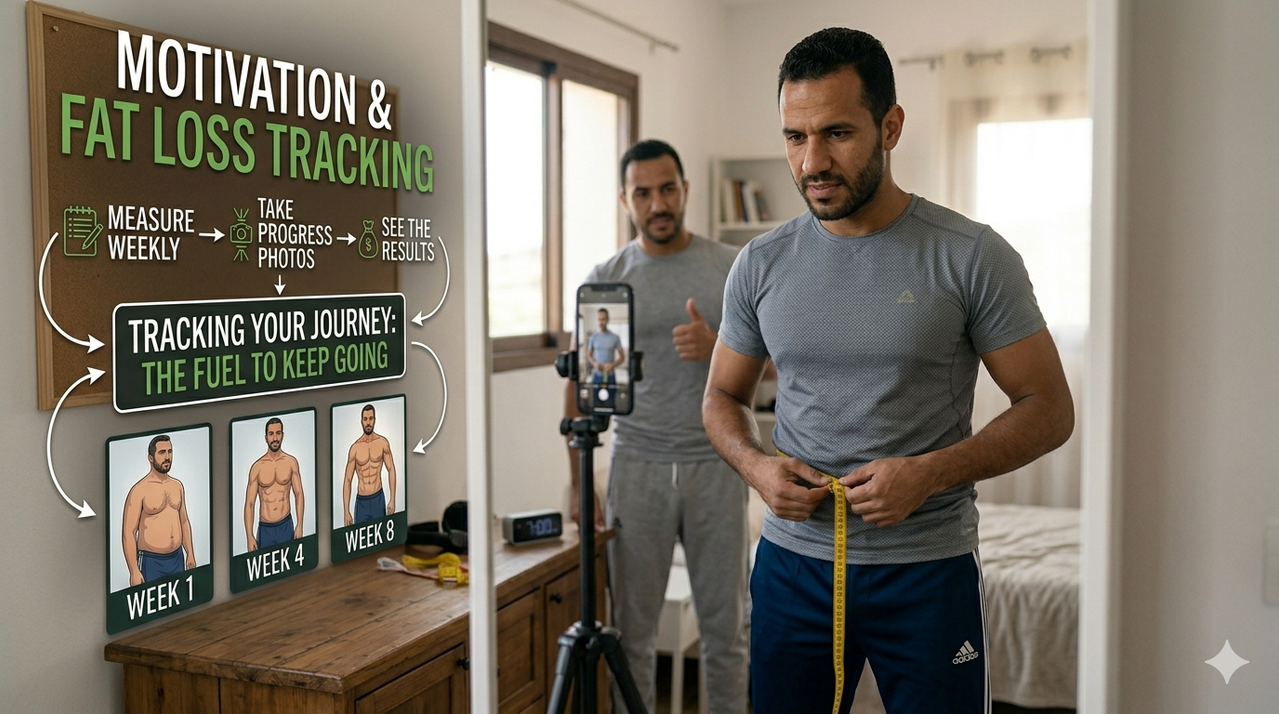
- Progress photos: Every 2–4 weeks in consistent lighting
- Body measurements: Waist, hips, arms, thighs
- Strength progression: Are your lifts maintaining or increasing?
- How clothes fit: Looser waistband = fat loss
- Energy and sleep quality
4. Mindset Shift #3: Build Habits, Don't Rely on Willpower
4.1. Willpower Is Finite
Research shows that willpower is a limited resource that depletes with use . Relying on it for a 12-week cut is a recipe for burnout. Instead, automate decisions through habits .
4.2. How to Build Cutting Habits
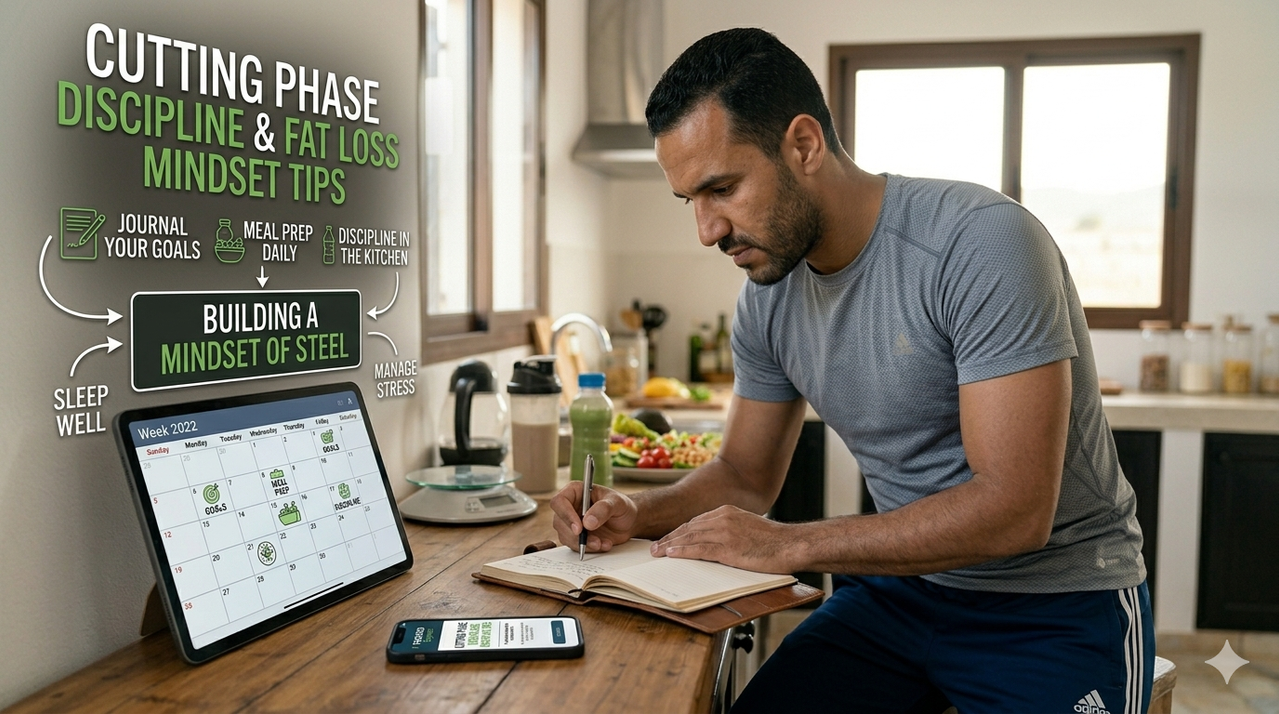
- Meal prep: Sunday batch cooking eliminates daily decision fatigue
- Schedule workouts: Treat them as non-negotiable appointments
- Environment design: Keep healthy foods visible, junk food out of sight
- Start small: Master one habit at a time (e.g., protein at breakfast for a week)
5. Mindset Shift #4: Manage Expectations and Embrace Plateaus
5.1. Fat Loss Isn't Linear
Weight loss follows a stair-step pattern—periods of rapid loss followed by plateaus. This is normal . Plateaus are not failures; they're part of the process.
5.2. How to Handle Plateaus
- Trust the process: If you're in a deficit, fat loss is happening even if scale doesn't show it
- Use the "2-week rule": If no progress after 2 weeks, reassess calories or activity
- Take a diet break: 1–2 weeks at maintenance can restore motivation and hormones
6. Mindset Shift #5: Plan for Cravings and Practice Self-Compassion
6.1. Cravings Are Normal
In a deficit, your body increases hunger hormones. Expect cravings—they're not a sign of weakness .
6.2. Strategies for Cravings
- Plan structured treats: Incorporate a small daily treat (e.g., dark chocolate) or weekly refeed
- Distract: Walk, call a friend, drink water
- Delay: "I'll have it in 20 minutes if I still want it"—cravings often pass
6.3. Self-Compassion After Slips
Research shows that self-compassion (treating yourself with kindness after a slip) leads to better long-term adherence than self-criticism . One meal won't ruin your cut—get back on track immediately.

7. Mindset Shift #6: Leverage Social Support
Accountability significantly improves adherence. Share your goals with a friend, join a fitness community, or hire a coach. Research shows that social support increases exercise adherence and dietary compliance .
8. Sample Meal Plan – 1,800 kcal, 140g Protein (Supports Motivation)
Omnivore Plan
- Breakfast (7:30 AM): 3 eggs, 1 cup oatmeal with berries (450 kcal, 30g protein)
- Lunch (12:30 PM): 150g grilled chicken breast, 2 cups mixed greens, ½ cup quinoa, 1 tbsp olive oil (500 kcal, 40g protein)
- Snack (4:00 PM): 200g Greek yogurt, 1 apple (250 kcal, 20g protein)
- Dinner (7:30 PM): 150g salmon, 2 cups roasted broccoli, 1.5 cups sweet potato (550 kcal, 35g protein)
- Evening (optional): 150g cottage cheese (150 kcal, 15g protein)
Vegan/Vegetarian Plan
- Breakfast: Tofu scramble (200g firm tofu), 1 cup oatmeal with 2 tbsp peanut butter, berries (550 kcal, 35g protein)
- Lunch: 1.5 cups cooked lentils, 2 cups mixed greens, 1 cup roasted chickpeas (550 kcal, 30g protein)
- Snack: 1 cup edamame, 1 apple (250 kcal, 15g protein)
- Dinner: 1.5 cups quinoa, 200g baked tofu, 2 cups roasted vegetables (550 kcal, 35g protein)
- Evening: 1 cup unsweetened soy milk (100 kcal, 8g protein)
Gluten-Free Options
- Use certified gluten-free oats, quinoa, rice, or buckwheat.
- Ensure tempeh and tofu are gluten-free certified.
9. Quick Meal Prep Tips to Reduce Decision Fatigue
- Sunday prep: Cook 6 chicken breasts, 2 cups quinoa, chop veggies
- Portion snacks: Pre-portion Greek yogurt, cottage cheese, nuts
- Use leftovers: Cook extra dinner for next day's lunch
- Simplify breakfast: Eggs + oatmeal takes 10 minutes
10. Weekly Motivation Checklist
- ☐ Set 3 process goals for the week (e.g., 5 days of deficit, 7 days of steps)
- ☐ Take progress photos (every 2–4 weeks)
- ☐ Track one non-scale victory (looser pants, better pump, strength increase)
- ☐ Plan one "treat" meal or snack to prevent deprivation
- ☐ Connect with accountability partner or community
- ☐ Review habit streak—celebrate consistency
11. Frequently Asked Questions
How do you stay motivated during a cutting phase?
Set process goals, track multiple metrics (photos, measurements), build sustainable habits, and practice self-compassion. Focus on consistency over perfection.
Why do I lose motivation after a few weeks of cutting?
Motivation naturally wanes as the novelty wears off. This is normal. Shift to habit-based adherence—focus on daily non-negotiables rather than "feeling motivated."
How do I handle cravings during a cut?
Plan structured treats, distract yourself (walk, call a friend), and delay. Cravings usually pass within 20 minutes. Also, ensure you're eating enough protein and fiber.
What if I slip up and overeat?
Practice self-compassion. One meal won't ruin your cut. Get back to your plan at the next meal. Don't wait until Monday.
How long should a cutting phase last?
Typically 8–16 weeks. Longer cuts may benefit from diet breaks (1–2 weeks at maintenance) to restore motivation and hormone levels.
What's the best way to track progress without getting discouraged?
Use multiple metrics: weekly photos (every 2–4 weeks), measurements, strength, and how clothes fit. The scale is one data point among many.
How do I stay consistent when life gets busy?
Simplify: have a "minimum effective dose" plan—e.g., 20-minute workout, meal prep on weekends, keep healthy staples available. Consistency beats intensity.
12. Related Resources
- How to Avoid Muscle Loss While Cutting (Science-Based Guide)
- Why Fat Loss Slows Down After 2 Weeks (And How to Fix It Fast)
- How Many Steps Per Day for Fat Loss Beginners? (Simple Walking Guide)
- Best Simple Habits for Sustainable Fat Loss (Easy Daily Strategies)
- Why You Feel Tired During a Cutting Phase (And How to Fix It)
- How to Stay Full While Cutting Calories (Hunger Control Guide)
13. Scientific References
- Ryan, R. M., & Deci, E. L. (2000). Self-determination theory and the facilitation of intrinsic motivation. American Psychologist, 55(1), 68–78. PubMed
- Baumeister, R. F., et al. (1998). Ego depletion: is the active self a limited resource? Journal of Personality and Social Psychology, 74(5), 1252–1265. PubMed
- Gardner, B., et al. (2012). Making health habitual: the psychology of 'habit-formation' and general practice. British Journal of General Practice, 62(605), 664–666. PubMed
- Neff, K. D. (2003). Self-compassion: An alternative conceptualization of a healthy attitude toward oneself. Self and Identity, 2(2), 85–101. Taylor & Francis
- Wing, R. R., & Jeffery, R. W. (1999). Benefits of recruiting participants with friends and increasing social support for weight loss and maintenance. Journal of Consulting and Clinical Psychology, 67(1), 132–138. PubMed
- Helms, E. R., et al. (2014). Evidence-based recommendations for natural bodybuilding contest preparation. Journal of the International Society of Sports Nutrition, 11(1), 20. PubMed
- ACSM. (2021). Nutrition and Athletic Performance. Medicine & Science in Sports & Exercise, 53(3), 600–618. PubMed
Join the conversation