How to Stop Sugar Cravings Naturally (Proven Tips That Work)
How to Stop Sugar Cravings Naturally: Proven Tips That Work (2026)
⚡ TL;DR
To stop sugar cravings naturally, address the root causes: stabilize blood sugar with protein and fiber, stay hydrated, prioritize sleep (7–9 hours), manage stress, and reduce processed sugar gradually. How to reduce sugar cravings involves breaking the addiction cycle—cravings peak in the first 3–5 days and subside within 2 weeks. Replace sugary foods with protein-rich alternatives, fruits, and healthy fats. With consistent habits, you can control sugar cravings fast and maintain long-term dietary freedom .
1. The Sugar Trap: Why You Can't Stop Craving Sweets
That 3 PM urge for chocolate. The midnight cookie raid. The feeling of being controlled by sugar. You're not weak—you're experiencing a biological response. Understanding why do I crave sugar is the first step to breaking free. Sugar activates dopamine pathways similar to addictive substances, creating a reward loop . Combined with blood sugar fluctuations, hormonal imbalances, and stress, cravings become powerful. This guide provides proven strategies to stop sugar cravings naturally and regain control.
How can I stop sugar cravings naturally?
Stop sugar cravings naturally by: eating more protein and fiber to stabilize blood sugar, staying hydrated (thirst mimics hunger), sleeping 7-9 hours to regulate hunger hormones, reducing processed sugar gradually rather than going cold turkey, managing stress through meditation or exercise, eating balanced meals with healthy fats, and replacing sugary snacks with fruit or protein-rich alternatives.
2. The Science of Sugar Cravings: What's Happening in Your Body
Sugar cravings aren't just psychological—they're physiological. Multiple systems drive the urge for sweets:
2.1. Blood Sugar Rollercoaster
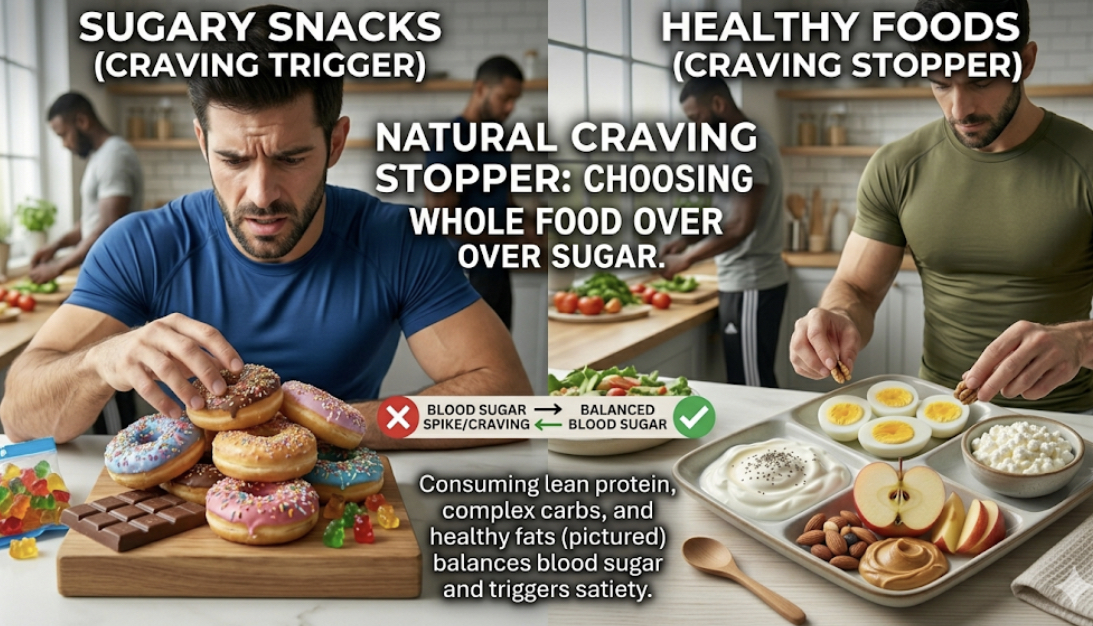
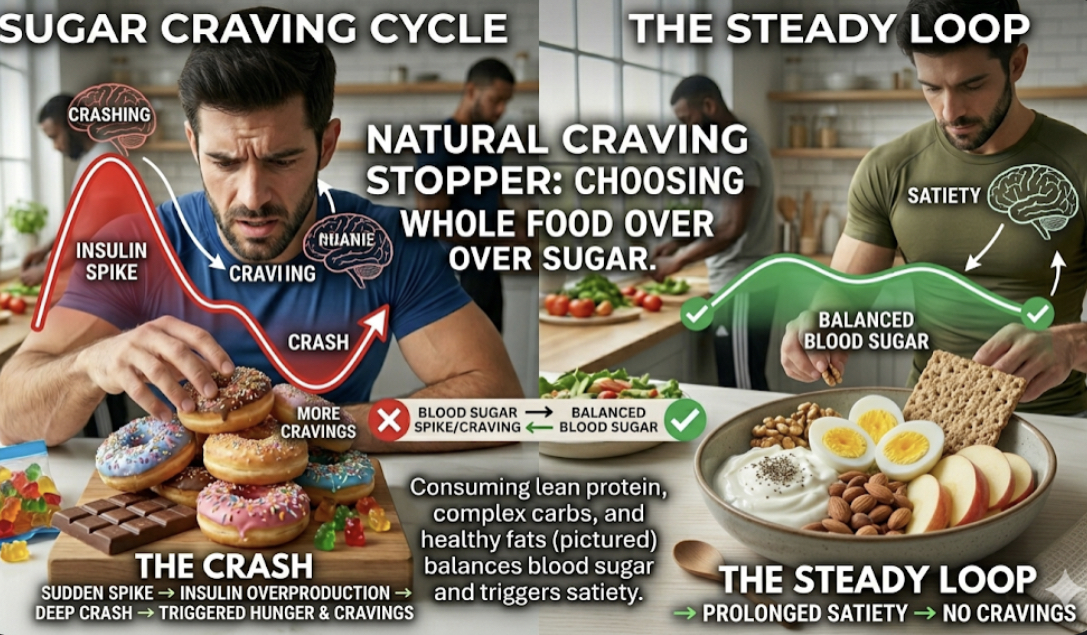
When you eat refined sugar, blood glucose spikes, triggering insulin release. The subsequent crash (reactive hypoglycemia) signals hunger and cravings for more sugar to restore energy .
2.2. Dopamine and the Reward System
Sugar releases dopamine in the brain's reward center. Over time, tolerance develops, requiring more sugar to achieve the same effect—a hallmark of addiction .
2.3. Hormonal Influences
Ghrelin (hunger hormone) increases with poor sleep and stress. Leptin (satiety hormone) resistance can occur with high sugar intake, disrupting fullness signals .
📊 Common Triggers for Sugar Cravings
| Trigger | Mechanism | Solution |
|---|---|---|
| Low blood sugar (3-4 hours after meal) | Body demands quick energy | Eat protein + fiber meals |
| Stress | Cortisol increases appetite for sugar/fat | Stress management, exercise |
| Poor sleep | Elevated ghrelin, reduced leptin | 7-9 hours sleep |
| Dehydration | Thirst mistaken for hunger | Drink water first |
| Nutrient deficiencies | Magnesium, chromium, zinc deficits | Eat nutrient-dense foods |
3. Nutritional Strategies to Reduce Sugar Cravings
3.1. Eat More Protein at Every Meal
Protein stabilizes blood sugar and increases satiety. Aim for 20-40g protein per meal. Good sources: eggs, Greek yogurt, chicken, fish, lentils, tofu .
3.2. Load Up on Fiber
Fiber slows glucose absorption and feeds gut bacteria. Aim for 25-35g daily from vegetables, legumes, oats, and fruits .
3.3. Include Healthy Fats
Fats promote satiety and stabilize blood sugar. Add avocado, nuts, seeds, olive oil to meals .
3.4. Don't Skip Meals
Skipping meals leads to blood sugar crashes and intense cravings. Eat every 3-4 hours .
4. Lifestyle Factors That Control Cravings
4.1. Prioritize Sleep
Sleep deprivation increases ghrelin (hunger) by 28% and reduces leptin (fullness) by 18%, directly causing sugar cravings . Aim for 7-9 hours.
4.2. Manage Stress
Chronic stress elevates cortisol, which increases appetite for high-sugar, high-fat foods. Practice meditation, deep breathing, or daily walks .
4.3. Stay Hydrated
Dehydration mimics hunger. Drink 2-3 liters water daily. When craving sugar, drink a glass of water and wait 10-15 minutes.
4.4. Move Your Body
Exercise reduces stress, improves insulin sensitivity, and releases endorphins that can replace sugar's dopamine effect .
5. Natural Sweet Alternatives to Satisfy Cravings
Instead of processed sugar, try these natural options:
- Fresh fruit: Berries, apples, oranges provide sweetness with fiber
- Dates: Sweet, fiber-rich; 2-3 dates can satisfy a sweet tooth
- Frozen grapes: Cold, sweet, satisfying
- Cinnamon: Naturally sweetens without sugar; improves insulin sensitivity
- Vanilla extract: Adds sweetness perception without calories
- Dark chocolate (70%+): Satisfies chocolate cravings with less sugar
6. Sample Meal Plan to Reduce Cravings
Day 1 (1,800 kcal, 110g protein)
- Breakfast: 3 eggs, 1 cup oats, 1 tbsp peanut butter (550 kcal, 30g protein)
- Lunch: 150g chicken breast, 1.5 cups quinoa, 1 cup broccoli, 1 tbsp olive oil (550 kcal, 40g protein)
- Snack: 1 apple with 1 tbsp almond butter (200 kcal, 5g protein)
- Dinner: 150g salmon, 1.5 cups sweet potato, asparagus (500 kcal, 35g protein)
Vegan/Vegetarian Anti-Craving Plan
- Breakfast: Tofu scramble (200g tofu), 1.5 cups oats, 2 tbsp peanut butter (650 kcal, 40g protein)
- Lunch: 1.5 cups lentils, 1.5 cups brown rice, 1 tbsp olive oil, spinach (550 kcal, 30g protein)
- Snack: 1 cup edamame (120 kcal, 11g protein)
- Dinner: 200g tempeh, 1.5 cups quinoa, 1 tbsp olive oil, vegetables (600 kcal, 35g protein)
Gluten-Free Options
- Use certified gluten-free oats
- Choose rice, quinoa, buckwheat
- Verify protein sources are gluten-free certified
7. Quick Recipes to Beat Sugar Cravings
Protein Berry Smoothie (350 kcal, 25g protein)
- 1 cup unsweetened almond milk
- 1 scoop vanilla protein powder
- ½ cup frozen berries
- 1 tbsp almond butter
- Blend and enjoy.
Cinnamon Apple Snack (150 kcal, 2g protein)
- 1 apple, sliced
- Sprinkle of cinnamon
- 1 tbsp almond butter (optional)
- Cinnamon naturally sweetens without sugar.
Chocolate Chia Pudding (250 kcal, 10g protein)
- 2 tbsp chia seeds
- ½ cup unsweetened almond milk
- 1 tbsp cocoa powder
- ½ banana (mashed)
- Mix, refrigerate 2 hours.
8. How to Break Sugar Addiction: The 14-Day Plan
- Days 1-3: Eliminate obvious sources (soda, candy, desserts). Replace with fruit.
- Days 4-7: Focus on protein at every meal; expect peak cravings; drink water when cravings hit.
- Days 8-10: Cravings begin to subside; add fermented foods for gut health.
- Days 11-14: Taste buds adapt; natural foods taste sweeter; habit forms.
9. Common Mistakes When Trying to Stop Sugar Cravings
- Going cold turkey on everything: Severe restriction often leads to binge eating
- Using artificial sweeteners: Can perpetuate sugar cravings and disrupt gut bacteria
- Not eating enough protein: Protein deficiency leads to unstable blood sugar
- Ignoring sleep: Sleep deprivation directly increases cravings
- Under-eating: Restrictive diets increase cravings for high-calorie foods
- Not addressing stress: Stress triggers cortisol-driven cravings
10. Frequently Asked Questions
How can I stop sugar cravings naturally?
Stop sugar cravings naturally by: eating more protein and fiber to stabilize blood sugar, staying hydrated (thirst mimics hunger), sleeping 7-9 hours to regulate hunger hormones, reducing processed sugar gradually rather than going cold turkey, managing stress through meditation or exercise, eating balanced meals with healthy fats, and replacing sugary snacks with fruit or protein-rich alternatives.
Why do I crave sugar so much?
Sugar cravings are caused by: blood sugar imbalances (spikes and crashes), insufficient protein or fiber intake, poor sleep disrupting ghrelin and leptin hormones, chronic stress elevating cortisol, dehydration mistaken for hunger, and dopamine-driven reward pathways from sugar addiction.
What foods help reduce sugar cravings?
Foods that reduce sugar cravings include: high-protein foods (eggs, Greek yogurt, chicken), high-fiber foods (vegetables, legumes, oats), healthy fats (avocado, nuts, olive oil), chromium-rich foods (broccoli, whole grains), magnesium-rich foods (dark leafy greens, almonds), and fruits like berries that provide sweetness with fiber.
How long does it take to stop sugar cravings?
Sugar cravings typically diminish within 7-14 days of consistently reducing added sugar intake. The first 3-5 days are hardest as withdrawal symptoms peak. After 2-3 weeks, taste buds adapt, and sweet foods taste overwhelmingly sweet. Complete reset may take 30-60 days for some individuals.
Does stress cause sugar cravings?
Yes, chronic stress elevates cortisol, which increases appetite for high-sugar, high-fat comfort foods. Stress also depletes serotonin, and sugar provides a temporary boost. Managing stress through sleep, exercise, and mindfulness directly reduces cravings.
Can drinking water stop sugar cravings?
Yes, dehydration often masquerades as hunger or sugar cravings. Drinking water (2-3 liters daily) can reduce cravings by 30-40%. When a craving hits, drink a glass of water and wait 10-15 minutes—the craving often subsides if it was thirst-related.
11. Related Resources
- How to Read Nutrition Labels for Fitness Goals (Beginner-Friendly Guide)
- What Happens If You Don’t Eat Enough Protein? (Health & Muscle Impact)
- Simple High-Protein Meal Plan for Beginners (Easy & Effective Guide)
- How Many Meals Per Day Is Best for Fat Loss? (Science-Based Answer)
- How to Balance Carbs, Protein, and Fats for Beginners (Macro Guide)
- Is Eating Late at Night Bad for Fat Loss? (Myth vs Reality)
12. Scientific References
- Avena, N. M., et al. (2008). Evidence for sugar addiction: behavioral and neurochemical effects of intermittent, excessive sugar intake. Neuroscience & Biobehavioral Reviews, 32(1), 20–39. PubMed
- Ludwig, D. S., et al. (1999). High glycemic index foods, overeating, and obesity. Pediatrics, 103(3), e26. PubMed
- Spiegel, K., et al. (2004). Brief communication: Sleep curtailment in healthy young men is associated with decreased leptin levels, elevated ghrelin levels, and increased hunger and appetite. Annals of Internal Medicine, 141(11), 846–850. PubMed
- Adam, T. C., & Epel, E. S. (2007). Stress, eating and the reward system. Physiology & Behavior, 91(4), 449–458. PubMed
- Morton, R. W., et al. (2018). A systematic review, meta-analysis and meta-regression of the effect of protein supplementation on resistance training-induced gains in muscle mass and strength. British Journal of Sports Medicine, 52(6), 376–384. PubMed
- ACSM. (2021). Nutrition and Athletic Performance. Medicine & Science in Sports & Exercise, 53(3), 600–618. PubMed
Join the conversation