Why You Lose Weight Then Gain It Back Quickly (Yo-Yo Dieting Explained)
Why You Lose Weight Then Gain It Back Quickly (Yo-Yo Dieting Explained)

⚡ TL;DR
If you lose weight then gain it back quickly, you're experiencing yo-yo dieting. This happens because: 1) Metabolic adaptation—your resting metabolic rate drops more than expected, often persisting for years . 2) Hormonal changes—ghrelin (hunger) stays elevated, leptin (fullness) stays low long after weight loss . 3) Muscle loss—rapid weight loss often sacrifices muscle, lowering your baseline calorie needs. 4) Return to old habits—without sustainable lifestyle changes, weight inevitably returns. The solution: slow, sustainable weight loss, strength training to preserve muscle, and gradual habit change .
1. The Yo-Yo Dieting Trap: Why Weight Always Comes Back
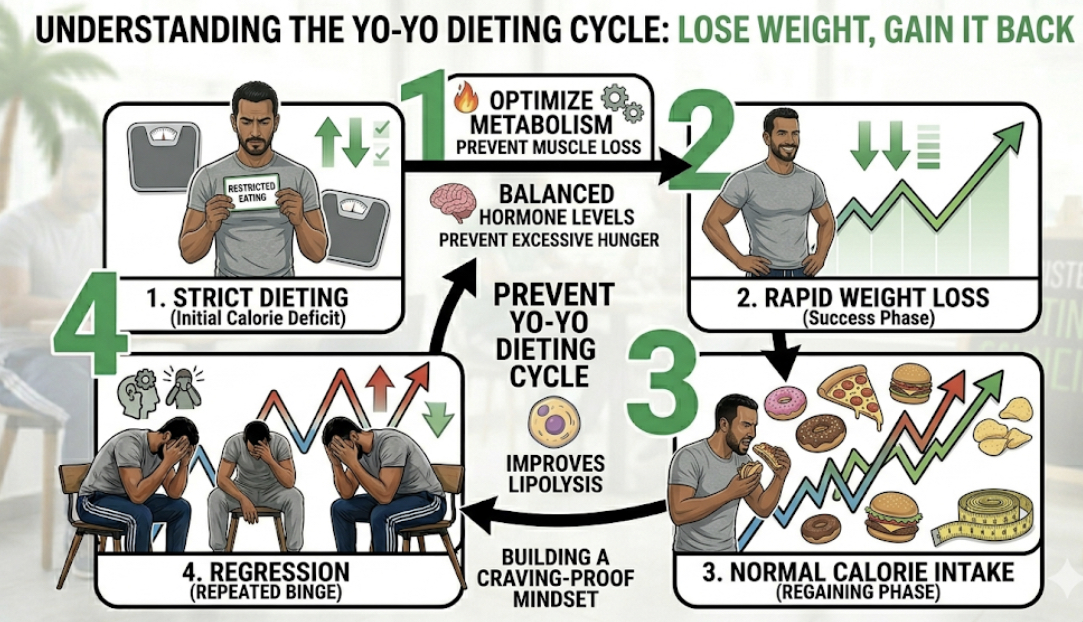
You find a diet that works. You lose 10 kg in two months. You're thrilled. Then, within six months, the weight is back—often with a few extra kilograms. This cycle is so common it has a name: yo-yo dieting. It's not a failure of willpower; it's a predictable biological response to rapid weight loss. Understanding yo-yo dieting causes is the first step to breaking the cycle.
Why do people regain weight after dieting?
People regain weight after dieting due to three main factors: 1) Extreme diets—aggressive calorie restriction triggers metabolic adaptation, lowering your resting metabolic rate . 2) Loss of muscle—rapid weight loss often includes significant muscle loss, which reduces daily calorie needs . 3) Returning to old habits—without sustainable lifestyle changes, the behaviors that caused weight gain return . Additionally, hormonal changes (elevated ghrelin, reduced leptin) persist for years after weight loss, making weight maintenance biologically challenging .
2. The Science: Metabolic Adaptation – Your Body Fights Back
2.1. What Is Metabolic Adaptation?
When you lose weight, your resting metabolic rate (RMR) drops—often more than expected based on weight loss alone. This is your body's defense against starvation. The landmark Minnesota Starvation Experiment showed that after weight loss, participants' metabolic rates dropped 40% more than predicted . Modern research confirms that this adaptation can persist for years after weight loss .
2.2. The Numbers
A 2016 study of contestants from "The Biggest Loser" found that 6 years after the show, their resting metabolic rates were still 500–800 kcal/day lower than predicted for their body size . This means they had to eat significantly less than someone of the same weight to maintain their loss.
2.3. Why This Matters
After weight loss, your body requires fewer calories to maintain the new weight than someone who was never overweight. This is why returning to "normal" eating leads to rapid regain.
3. Hormonal Changes: Ghrelin, Leptin, and Appetite
3.1. Ghrelin (The Hunger Hormone)
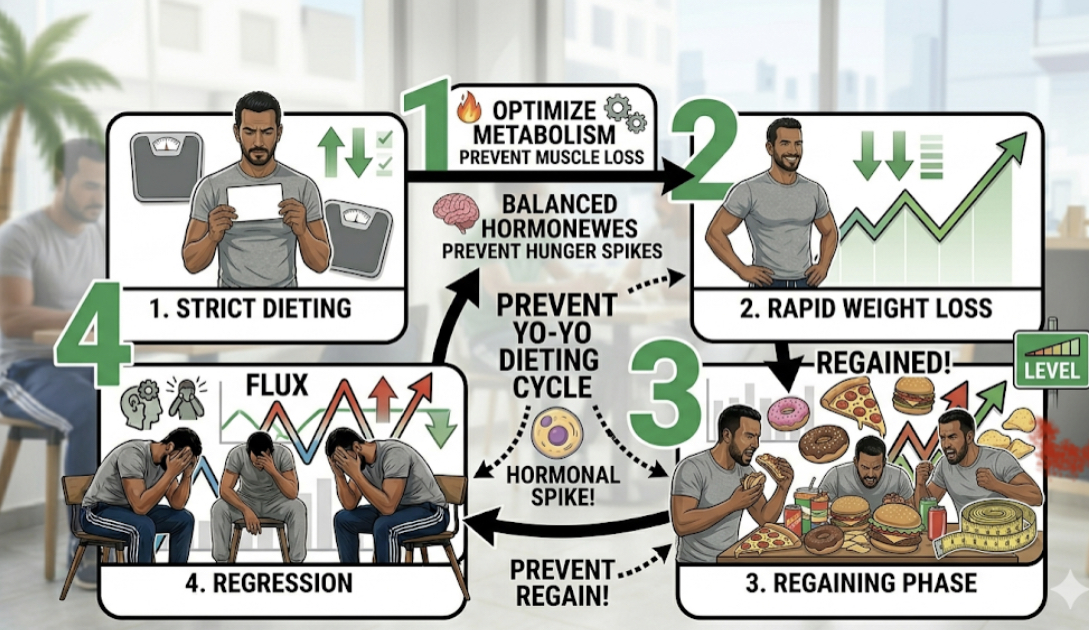
After weight loss, ghrelin levels remain elevated for years . Your body continues to send hunger signals even when you've lost weight, making you feel hungrier than someone who was never overweight.
3.2. Leptin (The Satiety Hormone)
Leptin decreases during weight loss and stays low. This means you don't feel as full after eating, and your body's "stop eating" signal is blunted .
3.3. The Combined Effect
These hormonal changes create a perfect storm: you feel hungrier and less satisfied after meals, making weight maintenance a constant battle against biology.
4. Muscle Loss: The Hidden Saboteur
4.1. Rapid Weight Loss = Muscle Loss
Aggressive calorie deficits and insufficient protein cause significant muscle loss. Since muscle is metabolically active, losing it further lowers your resting metabolic rate .
4.2. The Rebound Effect
When you regain weight, it often comes back as fat, not muscle. This means each yo-yo cycle leaves you with a higher body fat percentage and lower metabolic rate than before .
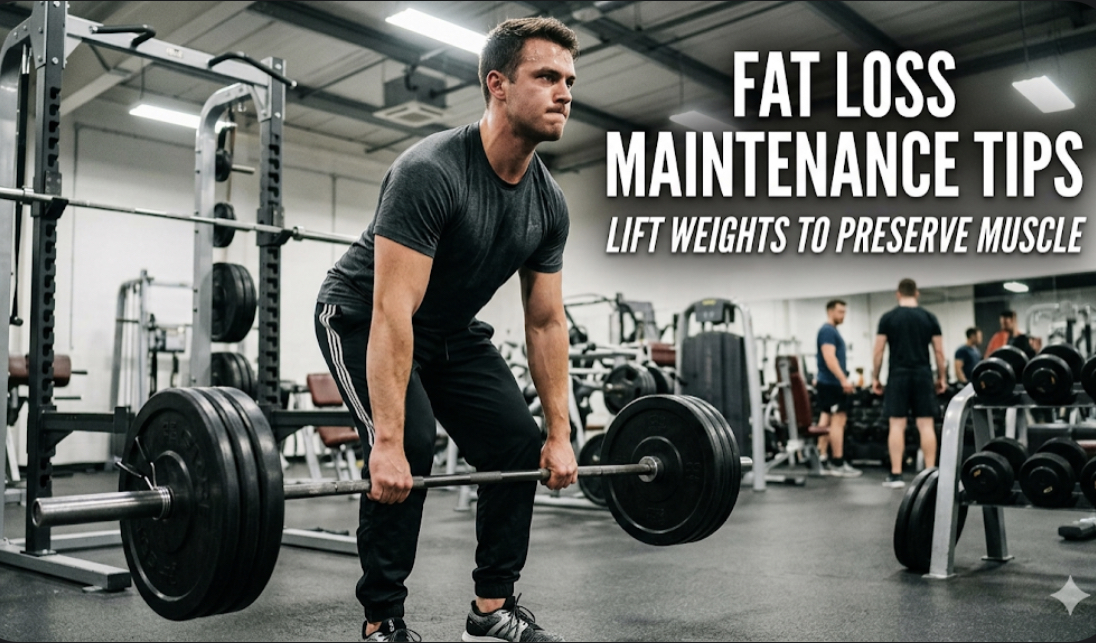
4.3. How to Preserve Muscle
- Moderate deficit: 300–500 kcal below maintenance
- High protein: 1.6–2.2 g/kg body weight
- Strength training: 2–4 times per week
5. Return to Old Habits: The Behavioral Component
5.1. Why Diets Fail Long-Term
Most diets are temporary "fixes" that don't address the underlying habits that caused weight gain. When the diet ends, old patterns return .
5.2. Sustainable Habits vs. Quick Fixes
Successful weight maintainers focus on habits they can sustain indefinitely: regular physical activity, consistent meal patterns, and mindful eating .
5.3. The National Weight Control Registry
This long-term study of successful weight maintainers (people who lost at least 30 lbs and kept it off for over a year) found that successful maintainers share common habits: they weigh themselves regularly, eat breakfast, exercise daily, and maintain consistent eating patterns .
6. How to Break the Yo-Yo Cycle: Sustainable Fat Loss Strategies
6.1. Slow and Steady Wins
Aim for 0.5–1% body weight loss per week (0.5–1 kg for an 80 kg person). Slower loss preserves muscle and allows gradual habit change .
6.2. Prioritize Protein and Strength Training
High protein (1.6–2.2 g/kg) and resistance training preserve muscle and metabolic rate .
6.3. Plan for Maintenance from Day 1
Instead of an extreme diet, adopt habits you can sustain forever. Ask yourself: "Can I eat like this for the rest of my life?" If the answer is no, adjust.
6.4. Use Diet Breaks
Periodic maintenance phases (1–2 weeks at maintenance calories) can reduce metabolic adaptation and make long-term adherence easier .
6.5. Monitor, Don't Obsess
Weekly weigh-ins, measurements, and how clothes fit help you catch small gains before they become big ones .
7. Sample Sustainable Meal Plan – 2,200 kcal, 160g Protein
Omnivore Plan (For a moderately active 80 kg person)
- Breakfast (7:30 AM): 4 eggs, 1 cup oatmeal with 1 tbsp peanut butter, 1 banana (650 kcal, 40g protein)
- Lunch (12:30 PM): 200g grilled chicken breast, 1.5 cups brown rice, 1 cup broccoli (650 kcal, 50g protein)
- Snack (4:00 PM): 200g Greek yogurt, 1 apple (250 kcal, 20g protein)
- Dinner (7:30 PM): 200g salmon, 1.5 cups sweet potato, 2 cups mixed greens (600 kcal, 45g protein)
- Evening (optional): 150g cottage cheese (150 kcal, 15g protein)
Total: ~2,300 kcal, 170g protein
Vegan/Vegetarian Plan
- Breakfast: Tofu scramble (200g firm tofu), 1.5 cups oatmeal with 2 tbsp peanut butter, banana (700 kcal, 40g protein)
- Lunch: 200g tempeh, 1.5 cups quinoa, 1 cup roasted chickpeas, mixed greens (700 kcal, 45g protein)
- Snack: 1 cup edamame, 1 apple (250 kcal, 15g protein)
- Dinner: 1.5 cups cooked lentils, 1.5 cups sweet potato, 1 cup spinach, 1 tbsp olive oil (600 kcal, 30g protein)
- Evening: 1 cup unsweetened soy milk (100 kcal, 8g protein)
Gluten-Free Options
- Use certified gluten-free oats, quinoa, rice, or buckwheat.
- Ensure tempeh and tofu are gluten-free certified.
8. Quick High-Protein Recipes for Sustainable Eating
- Protein Pancakes (600 kcal, 40g protein): 2 scoops protein, ½ cup oats, 2 eggs, 1 banana, cinnamon. Top with Greek yogurt and berries.
- Post-Workout Smoothie (400 kcal, 30g protein): 1 cup Greek yogurt, 1 banana, 1 cup oat milk, 1 tbsp peanut butter.
- Lentil Soup (400 kcal, 20g protein, 15g fiber): 1 cup lentils, vegetable broth, carrots, celery, onion, garlic.

9. Common Mistakes That Lead to Weight Regain
- Mistake #1: Going back to "normal" eating. The eating habits that caused weight gain will cause regain. New habits must stick.
- Mistake #2: Stopping exercise. Physical activity is the strongest predictor of long-term maintenance.
- Mistake #3: Not tracking progress. Weekly weigh-ins help catch small gains before they become big.
- Mistake #4: Extreme diets. Aggressive restriction leads to metabolic adaptation and muscle loss.
- Mistake #5: All-or-nothing thinking. One "bad" day doesn't mean you've failed—get back on track immediately.
- Mistake #6: Ignoring sleep and stress. Poor sleep increases hunger hormones and cravings.
10. Frequently Asked Questions
Why do people regain weight after dieting?
People regain weight due to metabolic adaptation (lowered metabolism), hormonal changes (elevated ghrelin, reduced leptin), loss of muscle, and return to old habits.
How long does metabolic adaptation last?
Metabolic adaptation can persist for years after weight loss—up to 6+ years in some studies. Gradual weight loss and strength training can minimize it.
How can I prevent weight regain after dieting?
Lose weight slowly (0.5–1% body weight per week), prioritize protein and strength training, maintain regular physical activity, and weigh yourself weekly to catch early gains.
What is the best diet for long-term weight maintenance?
The best diet is one you can sustain indefinitely. Focus on high-protein, high-fiber foods, and include flexibility (80/20 rule) to prevent deprivation.
How much exercise do I need to maintain weight loss?
Successful maintainers typically do 200–300 minutes of moderate activity per week (30–45 minutes daily), including both cardio and strength training.
Can I ever eat normally again after losing weight?
Your "new normal" must be different from the habits that caused weight gain. However, you can incorporate flexibility—it's about balance, not deprivation.
How much protein do I need to preserve muscle during weight loss?
Aim for 1.6–2.2 grams per kilogram of body weight daily. This supports muscle retention and helps maintain metabolic rate.
11. Related Resources
- How to Avoid Muscle Loss While Cutting (Science-Based Guide)
- Why Fat Loss Slows Down After 2 Weeks (And How to Fix It Fast)
- How Many Steps Per Day for Fat Loss Beginners? (Simple Walking Guide)
- Best Simple Habits for Sustainable Fat Loss (Easy Daily Strategies)
- Why You Feel Tired During a Cutting Phase (And How to Fix It)
- How to Stay Full While Cutting Calories (Hunger Control Guide)
12. Scientific References
- Keys, A., et al. (1950). The Biology of Human Starvation. University of Minnesota Press. PubMed
- Fothergill, E., et al. (2016). Persistent metabolic adaptation 6 years after "The Biggest Loser" competition. Obesity, 24(8), 1612–1619. PubMed
- Sumithran, P., et al. (2011). Long-term persistence of hormonal adaptations to weight loss. New England Journal of Medicine, 365(17), 1597–1604. PubMed
- Morton, R. W., et al. (2018). A systematic review, meta-analysis and meta-regression of the effect of protein supplementation on resistance training-induced gains in muscle mass and strength in healthy adults. British Journal of Sports Medicine, 52(6), 376–384. PubMed
- Wing, R. R., & Phelan, S. (2005). Long-term weight loss maintenance. American Journal of Clinical Nutrition, 82(1), 222S–225S. PubMed
- Byrne, N. M., et al. (2018). Intermittent energy restriction improves weight loss efficiency in obese women. Obesity Research & Clinical Practice, 12(2), 123–132. PubMed
- ACSM. (2021). Nutrition and Athletic Performance. Medicine & Science in Sports & Exercise, 53(3), 600–618. PubMed
Join the conversation