How to Control Portion Sizes Easily (Simple Diet Tips That Work)
How to Control Portion Sizes Easily: Simple Diet Tips That Work (2026)
⚡ TL;DR
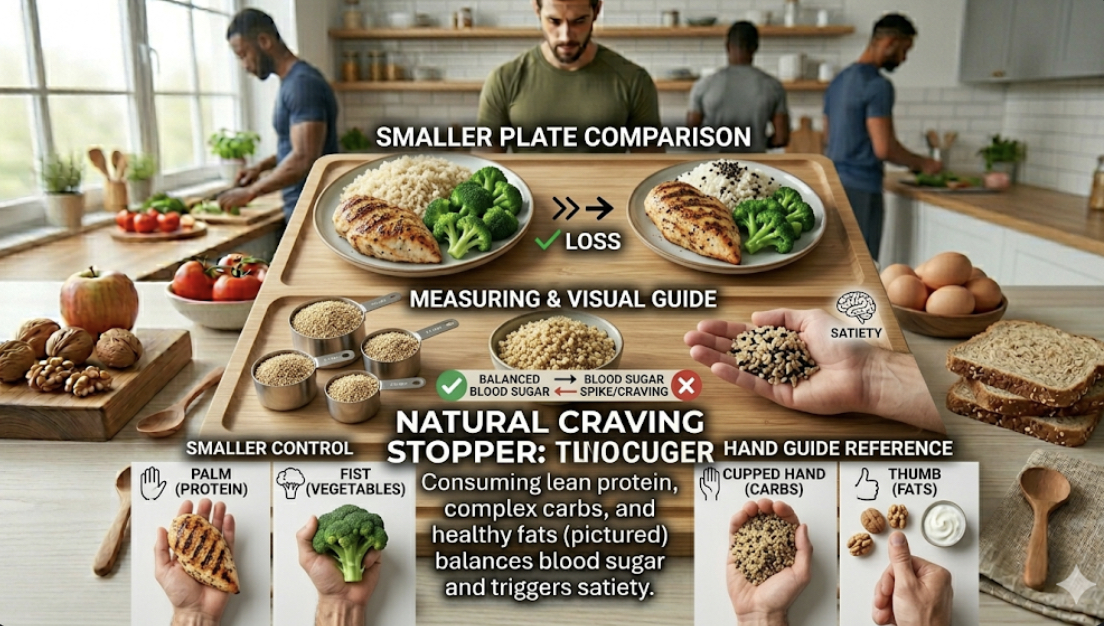
To control portion sizes easily, use these proven strategies: hand portion method (palm for protein, fist for veggies, cupped hand for carbs, thumb for fats), smaller plates (reduce intake by 15-30%), eat slowly (20+ minutes for fullness signals), pre-portion snacks (avoid eating from large packages), and prioritize protein and fiber at meals. These portion control tips help manage calories easily without complicated tracking .
1. The Portion Problem: Why We Eat More Than We Need
Restaurant servings have tripled since the 1950s, plate sizes have grown, and we've lost touch with appropriate portions. This "portion distortion" is a major contributor to weight gain. Learning how to control portion sizes is one of the most effective easy diet tips for managing weight without eliminating foods you love. This guide provides simple, science-backed portion control tips that work for everyone.
How can I control my portion sizes?
Control portion sizes by: using smaller plates (9-10 inches instead of 12+), eating slowly (20+ minutes per meal), measuring portions initially with cups or a scale, avoiding eating from large packages (pre-portion snacks), focusing on protein and fiber at each meal to increase satiety, drinking water before meals, and using visual guides (palm for protein, fist for veggies, cupped hand for carbs).
2. The Science of Portion Perception
Research shows environmental cues significantly influence how much we eat. The Delboeuf illusion—a classic optical illusion—demonstrates that the same amount of food appears larger on a smaller plate. Studies confirm using smaller plates reduces intake by 15-30% without conscious effort . Additionally, eating speed affects intake: it takes 20 minutes for the brain to register fullness. Slower eating leads to significantly lower calorie consumption .
3. The Hand Portion Method: Your Built-In Measuring Tool
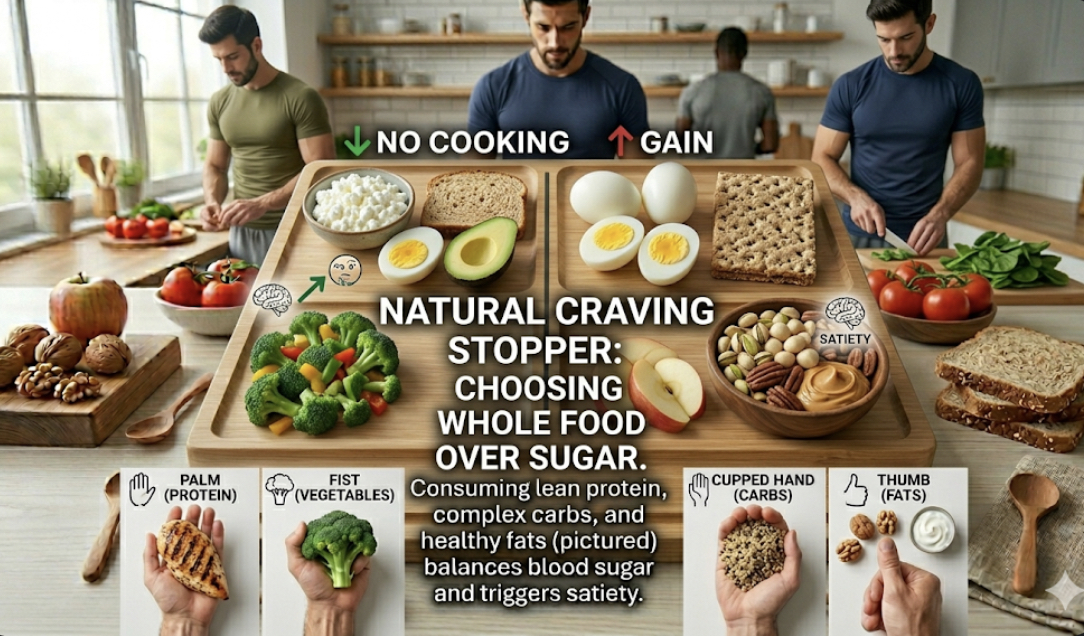
Your hand is proportional to your body size, making it an excellent personalized measuring tool. Use this portion size guide for balanced meals:
📊 Hand Portion Guide
| Hand Part | Food Group | Portion Size | Calories (Approx) | Examples |
|---|---|---|---|---|
| Palm (without fingers) | Protein | 3-4 oz (85-115g) | 150-200 | Chicken, beef, fish, tofu |
| Fist | Vegetables | 1 cup (240ml) | 25-50 | Broccoli, spinach, salad |
| Cupped Hand | Carbohydrates | ½ cup (120ml) | 150-200 | Rice, oats, pasta, quinoa |
| Thumb | Fats | 1 tbsp (15ml) | 100-120 | Oil, nut butter, seeds |
| Two Fingers | Cheese | 1 oz (28g) | 100-120 | Cheese, chocolate |
4. Plate Method: Visual Guide for Balanced Meals
The USDA's MyPlate method simplifies portions using a standard dinner plate:
- ½ plate: Non-starchy vegetables (broccoli, spinach, peppers, cauliflower)
- ¼ plate: Lean protein (chicken, fish, tofu, eggs)
- ¼ plate: Complex carbohydrates (quinoa, brown rice, sweet potato)
- Plus: 1 thumb-sized healthy fat (olive oil, avocado, nuts)
5. Practical Portion Control Strategies
5.1. Use Smaller Dinnerware
Switch from 12-inch to 9-10-inch plates. Use smaller bowls and tall, narrow glasses instead of short, wide ones. Research shows this reduces intake by 15-30% .
5.2. Pre-Portion Snacks
Never eat directly from large packages. Pre-portion nuts, chips, and crackers into single-serving bags or containers. This prevents mindless overeating .
5.3. Eat Slowly and Mindfully
Take 20+ minutes to eat. Put utensils down between bites. Chew thoroughly. Studies show slower eating reduces total calorie intake by 10-15% .
5.4. Drink Water Before Meals
Drinking 16 oz (500ml) water 30 minutes before meals reduces calorie intake by 75-100 kcal per meal .
5.5. Prioritize Protein and Fiber
Protein and fiber increase satiety. Aim for 20-30g protein per meal and 25-35g fiber daily .
6. Sample Portion-Controlled Meal Plan (1,800 kcal)
Omnivore Plan
- Breakfast (7:30 AM): 1 palm protein (3 eggs), 1 fist vegetables (spinach), 1 cupped hand carbs (½ cup oats) (450 kcal, 25g protein)
- Lunch (12:30 PM): 1 palm protein (150g chicken), 2 fists vegetables (broccoli, bell peppers), 1 cupped hand carbs (½ cup quinoa), 1 thumb fats (1 tbsp olive oil) (500 kcal, 40g protein)
- Snack (3:30 PM): 1 palm protein (170g Greek yogurt), 1 fist fruit (berries) (150 kcal, 18g protein)
- Dinner (7:00 PM): 1 palm protein (150g white fish), 2 fists vegetables (zucchini, asparagus), 1 cupped hand carbs (½ cup sweet potato), 1 thumb fats (1 tbsp olive oil) (500 kcal, 35g protein)
- Evening (9:30 PM): 1 palm protein (1 cup cottage cheese) (200 kcal, 25g protein)
- Total: ~1,800 kcal, ~143g protein
Vegan/Vegetarian Portion-Controlled Plan
- Breakfast: 1 palm protein (150g tofu), 1 cupped hand carbs (½ cup oats), 1 fist fruit (berries) (400 kcal, 25g protein)
- Lunch: 1 palm protein (1 cup lentils), 2 fists vegetables (spinach, peppers), 1 cupped hand carbs (½ cup quinoa), 1 thumb fats (1 tbsp olive oil) (450 kcal, 25g protein)
- Snack: 1 cup edamame (120 kcal, 11g protein)
- Dinner: 1 palm protein (150g tempeh), 2 fists vegetables (broccoli, cauliflower), 1 cupped hand carbs (½ cup brown rice), 1 thumb fats (1 tbsp olive oil) (450 kcal, 30g protein)
- Total: ~1,420 kcal, ~91g protein (add plant protein shake for higher protein)
Gluten-Free Options
- Use certified gluten-free oats
- Choose rice, quinoa, buckwheat
- Verify protein sources are gluten-free certified
7. Restaurant Portion Control Strategies
Restaurant portions are often 2-3 times standard serving sizes. Use these tips to avoid overeating when dining out:
- Order appetizer portions: Often half the size of entrees
- Split an entree: Share with a dining companion
- Box half before eating: Ask for a takeout container when your meal arrives
- Skip the bread basket: Or limit to one piece
- Order sauces on the side: Control how much you use
- Use visual guides: Deck of cards for meat (3 oz), tennis ball for starches (½ cup)
8. Common Portion Control Mistakes
- Estimating high-calorie foods incorrectly: Oils, nuts, cheese are easy to over-portion
- Eating from large packages: Leads to mindless overconsumption
- Rushing meals: Eating under 20 minutes prevents fullness signals
- Skipping meals: Causes extreme hunger and subsequent overeating
- Distracted eating: Eating while watching TV increases intake by 10-20%
- Not drinking water: Thirst often mistaken for hunger
9. Quick Portion Control Recipes
Balanced Bowl (1 palm protein, 2 fists veggies, 1 cupped hand carbs)
- 150g grilled chicken (1 palm)
- 2 cups mixed greens + cherry tomatoes (2 fists)
- ½ cup quinoa (1 cupped hand)
- 1 tbsp vinaigrette (1 thumb)
Portion-Controlled Snack Box
- 2 hard-boiled eggs (1 palm protein)
- 1 cup cucumber slices (1 fist veggies)
- 1 oz almonds (1 thumb fats)
- 1 apple (1 fist fruit)
10. Frequently Asked Questions
How can I control my portion sizes?
Control portion sizes by: using smaller plates (9-10 inches instead of 12+), eating slowly (20+ minutes per meal), measuring portions initially with cups or a scale, avoiding eating from large packages (pre-portion snacks), focusing on protein and fiber at each meal to increase satiety, drinking water before meals, and using visual guides (palm for protein, fist for veggies, cupped hand for carbs).
What is the easiest way to control portion sizes?
The easiest way to control portion sizes is using the hand portion method: palm = protein (3-4 oz), fist = vegetables (1 cup), cupped hand = carbohydrates (½ cup), thumb = fats (1 tbsp). This requires no measuring tools and works for most individuals.
How can I eat less without feeling hungry?
Eat less without feeling hungry by: prioritizing protein and fiber (increase satiety), drinking water before meals (fills stomach), eating high-volume foods (vegetables, salads), eating slowly (allows fullness signals to reach brain), and spacing meals every 3-4 hours to prevent extreme hunger.
What portion sizes should I aim for?
General portion guidelines: protein: palm-sized (3-4 oz), vegetables: 1-2 fists, carbohydrates: cupped hand (½-1 cup), fats: thumb-sized (1 tbsp). For weight loss, fill half plate with vegetables, quarter with protein, quarter with carbs. For maintenance, adjust proportions based on activity.
Does using smaller plates help with portion control?
Yes, research shows using smaller plates reduces calorie intake by 15-30% without conscious effort. The Delboeuf illusion makes portions appear larger on smaller plates, increasing satisfaction with less food. Switch from 12-inch to 9-10 inch dinner plates.
How can I avoid overeating at restaurants?
Avoid overeating at restaurants by: ordering appetizer portions or splitting entrees, asking for half the meal boxed before it arrives, drinking water before the meal, skipping bread baskets, focusing on protein and vegetables, and using visual portion guides (deck of cards for meat, tennis ball for carbs).
11. Related Resources
- How to Read Nutrition Labels for Fitness Goals (Beginner-Friendly Guide)
- What Happens If You Don’t Eat Enough Protein? (Health & Muscle Impact)
- Simple High-Protein Meal Plan for Beginners (Easy & Effective Guide)
- How Many Meals Per Day Is Best for Fat Loss? (Science-Based Answer)
- How to Balance Carbs, Protein, and Fats for Beginners (Macro Guide)
- Is Eating Late at Night Bad for Fat Loss? (Myth vs Reality)
12. Scientific References
- Wansink, B., & van Ittersum, K. (2013). Portion size me: plate-size induced consumption norms and win-win solutions for reducing food intake. Journal of the American Medical Association, 310(19), 2045–2046. PubMed
- Rolls, B. J., et al. (2004). Increasing the portion size of a packaged snack increases energy intake in men and women. Appetite, 42(1), 63–69. PubMed
- Robinson, E., et al. (2014). Eating attentively: a systematic review and meta-analysis of the effect of food intake memory and awareness on eating. American Journal of Clinical Nutrition, 100(1), 123–137. PubMed
- Dennis, E. A., et al. (2010). Water consumption increases weight loss during a hypocaloric diet intervention in middle-aged and older adults. Obesity, 18(2), 300–307. PubMed
- Leidy, H. J., et al. (2015). The role of protein in weight loss and maintenance. American Journal of Clinical Nutrition, 101(6), 1320S–1329S. PubMed
- ACSM. (2021). Nutrition and Athletic Performance. Medicine & Science in Sports & Exercise, 53(3), 600–618. PubMed
Join the conversation