How to Plan Your Weekly Meals for Fitness (Easy Meal Prep Guide)
How to Plan Your Weekly Meals for Fitness: Easy Meal Prep Guide (2026)
⚡ TL;DR
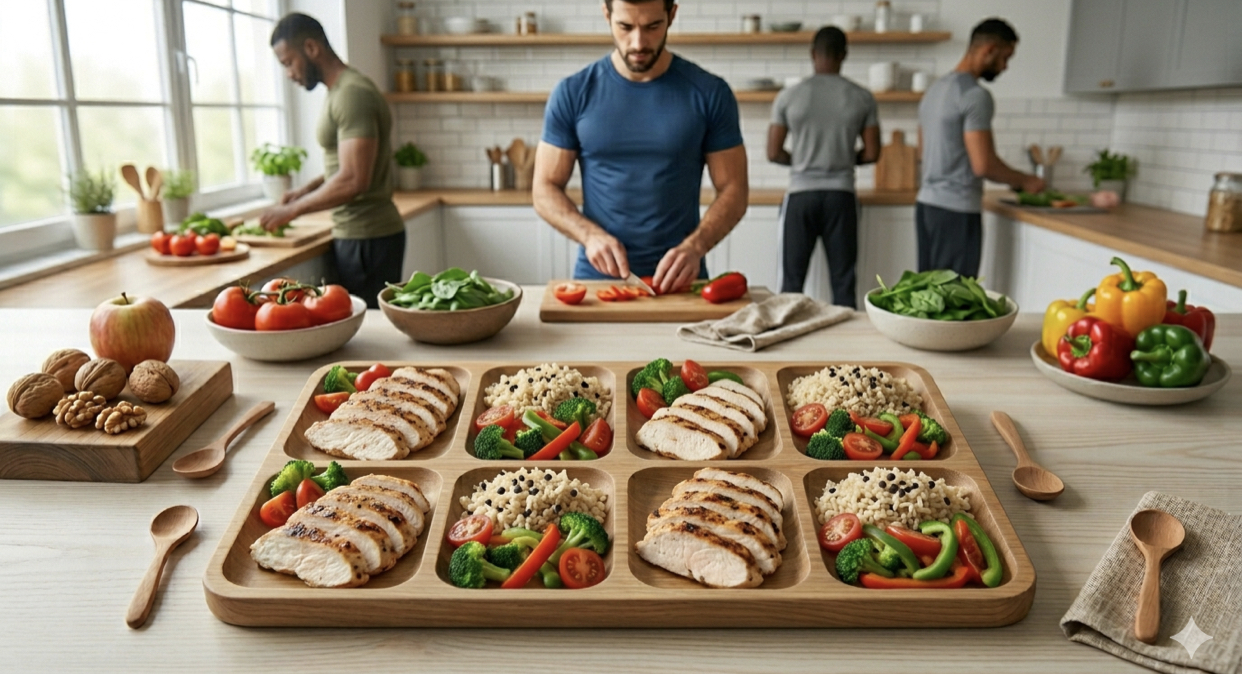
To master weekly meal planning for fitness, follow this system: set your calorie and protein targets based on goals (muscle gain or fat loss), plan 3-5 meals daily with 20-40g protein each, batch cook proteins and grains on weekends, keep meals simple with 3-5 rotating recipes, and track progress weekly to adjust. This easy meal prep guide works for meal prep for muscle gain and fat loss alike. With 2-3 hours weekly, you can eliminate decision fatigue and consistently hit your nutrition targets .
1. Why Meal Prep is the Secret to Fitness Success
You have the best intentions: eat clean, hit your macros, fuel your workouts. Then life happens—long meetings, unexpected commitments, fatigue. Suddenly you're ordering takeout or skipping meals. This is where weekly meal planning for fitness becomes your superpower. By dedicating a few hours to healthy meal prep ideas, you ensure nutritional consistency regardless of your schedule. This guide covers everything from calculating your needs to executing a sustainable fitness meal plan weekly.
How do I plan my meals for fitness?
Plan your meals for fitness by: setting your calorie goal based on activity level and goals, planning protein for each meal (20-40g per meal), preparing meals in advance (batch cooking on weekends), keeping meals simple and repetitive to reduce decision fatigue, and tracking progress weekly to adjust portion sizes.
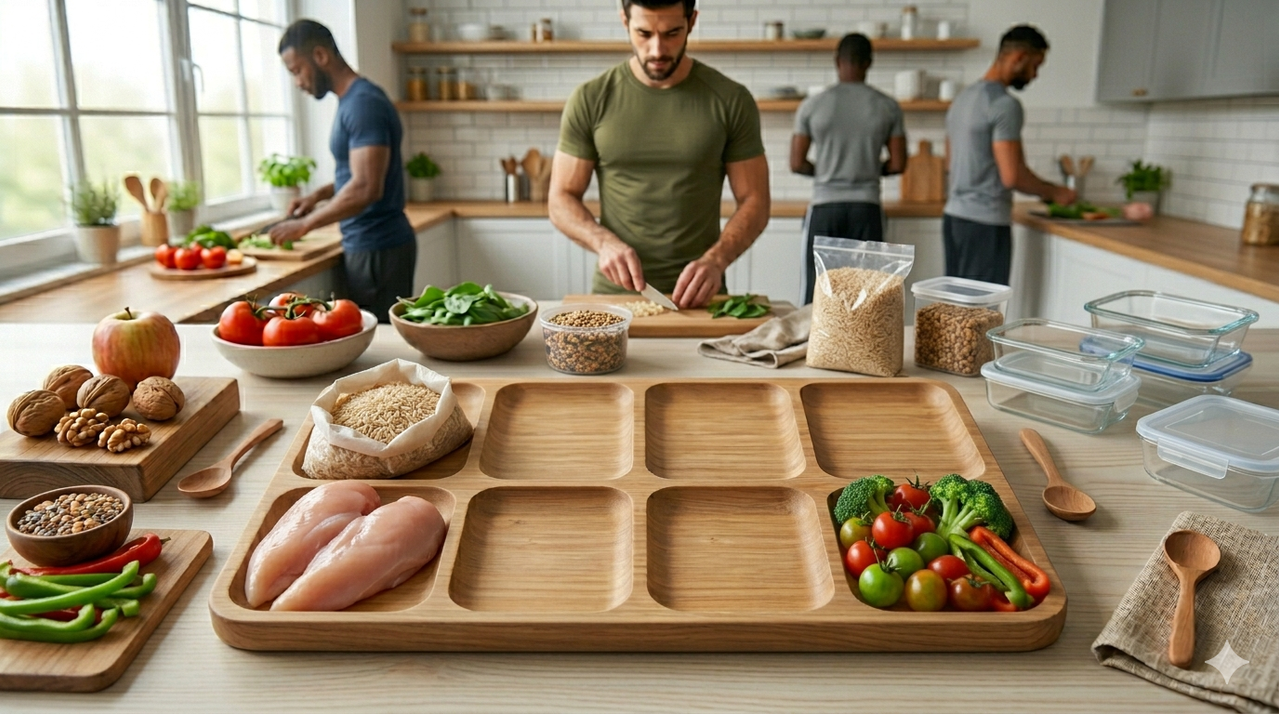
2. Step 1: Determine Your Calorie & Protein Targets
Before planning meals, know your numbers. Use these evidence-based guidelines:
- Muscle gain (bulking): Maintenance calories + 250–500 kcal, 1.6–2.2 g protein per kg body weight
- Fat loss: Maintenance calories – 300–500 kcal, 1.8–2.4 g protein per kg body weight
- Maintenance: TDEE (Total Daily Energy Expenditure) from Mifflin-St Jeor equation
3. Step 2: Build Your Weekly Meal Structure
A consistent meal structure simplifies how to plan meals for gym success:
📊 Sample Meal Structure (3 Meals + 2 Snacks)
| Meal | Time | Protein Target | Calorie Range |
|---|---|---|---|
| Breakfast | 7:30 AM | 25–35g | 500–700 |
| Morning Snack | 10:30 AM | 10–20g | 200–300 |
| Lunch | 1:00 PM | 30–40g | 600–800 |
| Afternoon Snack | 4:00 PM | 10–20g | 200–300 |
| Dinner | 7:00 PM | 30–40g | 600–800 |
4. Step 3: Choose Your Meal Prep Method
Select the approach that fits your schedule:
- Full prep (2-3 hours Sunday): Cook all proteins, grains, and chop vegetables for the week
- Partial prep (1 hour Sunday + 15 min daily): Cook proteins and grains; assemble meals daily
- Component prep: Cook individual ingredients to mix and match
- Batch cooking: Make large portions of 2-3 recipes to rotate
5. Sample Weekly Meal Plan for Muscle Gain (3,000 kcal, 160g Protein)
Omnivore Plan
- Breakfast: 4 eggs, 1 cup oats, 1 cup milk, 1 banana (650 kcal, 38g protein)
- Lunch: 200g chicken breast, 2 cups rice, 1 tbsp olive oil, 1 cup broccoli (700 kcal, 52g protein)
- Snack: 200g Greek yogurt, 30g almonds, 1 tbsp honey (350 kcal, 22g protein)
- Post-Workout: 2 scoops whey, 1 banana, 1 cup oats (550 kcal, 48g protein)
- Dinner: 200g lean beef or salmon, 1.5 cups sweet potato, 1 tbsp olive oil (700 kcal, 45g protein)
- Total: ~2,950 kcal, ~205g protein
Vegan/Vegetarian Muscle Gain Plan
- Breakfast: Tofu scramble (200g tofu), 1.5 cups oats, 2 tbsp peanut butter, banana (700 kcal, 40g protein)
- Lunch: 200g tempeh, 1.5 cups quinoa, 1 cup edamame, 1 tbsp olive oil (700 kcal, 48g protein)
- Snack: 1 cup soy yogurt, 1 scoop pea protein, 30g almonds (400 kcal, 32g protein)
- Dinner: 1.5 cups cooked lentils, 2 cups brown rice, 1 tbsp coconut oil, spinach (650 kcal, 28g protein)
- Total: ~2,450 kcal, ~148g protein
6. Sample Weekly Meal Plan for Fat Loss (2,000 kcal, 140g Protein)
Omnivore Plan
- Breakfast: 3 eggs, 1 cup oats, ½ cup berries (500 kcal, 28g protein)
- Lunch: 150g chicken breast, 1 cup quinoa, 2 cups mixed greens, 1 tbsp vinaigrette (450 kcal, 38g protein)
- Snack: 150g Greek yogurt, ½ cup berries (150 kcal, 15g protein)
- Dinner: 150g white fish or tofu, 1.5 cups roasted vegetables, 1 tbsp olive oil (450 kcal, 35g protein)
- Evening: 1 cup cottage cheese (200 kcal, 25g protein)
- Total: ~1,750 kcal, ~141g protein
Vegan/Vegetarian Fat Loss Plan
- Breakfast: Tofu scramble (150g tofu), 1 cup oats, ½ cup berries (500 kcal, 28g protein)
- Lunch: 1 cup lentils, 1 cup quinoa, 2 cups spinach, 1 tbsp olive oil (450 kcal, 25g protein)
- Snack: 1 cup edamame (120 kcal, 11g protein)
- Dinner: 150g tempeh, 2 cups roasted vegetables, 1 tbsp olive oil (450 kcal, 30g protein)
- Total: ~1,520 kcal, ~94g protein (add plant protein shake for higher protein)
Gluten-Free Options
- Use certified gluten-free oats
- Choose rice, quinoa, buckwheat
- Verify tempeh, tofu, and protein powders are gluten-free certified
7. Easy Meal Prep Recipes for the Week
Batch Cook: Lemon Herb Chicken (4 servings)
- 800g chicken breast
- 2 tbsp olive oil, lemon juice, oregano, garlic
- Marinate, bake at 400°F for 20-25 minutes. Portion 200g per container.
Batch Cook: Quinoa or Brown Rice (4 cups cooked)
- 2 cups dry quinoa or rice
- 4 cups water or broth
- Cook according to package. Portion ½-1 cup per container.
Sheet Pan Vegetables (4 servings)
- 4 cups broccoli, bell peppers, zucchini
- 1 tbsp olive oil, salt, pepper
- Toss, roast at 425°F for 15-20 minutes.
Overnight Oats (4 servings)
- 2 cups oats, 2 cups milk, 2 scoops protein powder (optional)
- Divide into jars, top with berries, refrigerate overnight
8. Meal Prep Equipment & Containers
- Glass containers: 3-compartment for portion control, microwave-safe
- Mason jars: For overnight oats, salads, smoothies
- Sheet pans: For roasting vegetables and proteins simultaneously
- Rice cooker: Set-and-forget grains
- Food scale: For accurate portioning (optional but helpful initially)
9. Time-Saving Tips for Meal Prep
- Cook proteins in bulk: Bake 6-8 chicken breasts at once
- Use the same base ingredients: Cook 3-4 cups of rice for multiple meals
- Pre-chop vegetables: Store in airtight containers with paper towels
- Repurpose leftovers: Rotisserie chicken becomes salads, wraps, bowls
- Prep snacks simultaneously: Hard-boil eggs, portion nuts, make yogurt cups
- Create a prep playlist: Make it enjoyable to maintain consistency
10. Common Meal Prep Mistakes to Avoid
- Making too many different recipes: Creates burnout; stick to 3-5 rotating meals
- Not portioning properly: Use containers to control portions from the start
- Neglecting snacks: Pre-portion snacks to avoid vending machine temptations
- Overcomplicating recipes: Simple meals are easier to prep and track
- Skipping the grocery list: Plan first, shop second
- Not adjusting for goals: Muscle gain and fat loss require different portion sizes
11. Frequently Asked Questions
How do I plan my meals for fitness?
Plan your meals for fitness by: setting your calorie goal based on activity level and goals, planning protein for each meal (20-40g per meal), preparing meals in advance (batch cooking on weekends), keeping meals simple and repetitive to reduce decision fatigue, and tracking progress weekly to adjust portion sizes.
How do I meal prep for muscle gain?
Meal prep for muscle gain by: cooking large batches of lean protein (chicken, beef, fish), pre-portioning complex carbohydrates (rice, sweet potatoes, oats), adding healthy fats (avocado, nuts, olive oil), and using containers to portion 3-5 meals daily. Aim for 1.6-2.2g protein per kg body weight.
How do I meal prep for fat loss?
Meal prep for fat loss by: focusing on high-protein, high-fiber meals, pre-portioning vegetables (2-3 cups per meal), using smaller containers to control portions, cooking without added oils when possible, and preparing low-calorie snacks like cut vegetables and Greek yogurt.
What are healthy meal prep ideas for the week?
Healthy meal prep ideas include: grilled chicken with roasted vegetables and quinoa, turkey chili with beans, overnight oats with protein powder, egg muffins with vegetables, baked salmon with sweet potato and asparagus, and pre-portioned Greek yogurt with berries.
How long does meal prep take?
Basic meal prep takes 2-3 hours weekly. Efficient strategies include: cooking multiple proteins simultaneously, using sheet pan meals, preparing grains in a rice cooker, and using pre-cut vegetables. With practice, you can prep 5 days of meals in 90 minutes.
Can meal prep save money?
Yes, meal prep typically saves 30-50% compared to eating out or buying pre-made meals. Buying ingredients in bulk, reducing food waste, and avoiding impulse purchases contribute to significant savings over time.
12. Related Resources
- How to Read Nutrition Labels for Fitness Goals (Beginner-Friendly Guide)
- What Happens If You Don’t Eat Enough Protein? (Health & Muscle Impact)
- Simple High-Protein Meal Plan for Beginners (Easy & Effective Guide)
- How Many Meals Per Day Is Best for Fat Loss? (Science-Based Answer)
- How to Balance Carbs, Protein, and Fats for Beginners (Macro Guide)
- Is Eating Late at Night Bad for Fat Loss? (Myth vs Reality)
13. Scientific References
- Morton, R. W., et al. (2018). A systematic review, meta-analysis and meta-regression of the effect of protein supplementation on resistance training-induced gains in muscle mass and strength. British Journal of Sports Medicine, 52(6), 376–384. PubMed
- Helms, E. R., et al. (2014). Evidence-based recommendations for natural bodybuilding contest preparation. Journal of the International Society of Sports Nutrition, 11(1), 20. PubMed
- Slater, G., et al. (2019). Is an energy surplus required to maximize skeletal muscle hypertrophy associated with resistance training? Frontiers in Nutrition, 6, 131. PubMed
- USDA FoodData Central. (2024). Food composition databases. USDA
- ACSM. (2021). Nutrition and Athletic Performance. Medicine & Science in Sports & Exercise, 53(3), 600–618. PubMed
Join the conversation