What to Drink During Workout for Better Performance (Hydration Guide)
What to Drink During Workout for Better Performance: Hydration Guide (2026)
⚡ TL;DR
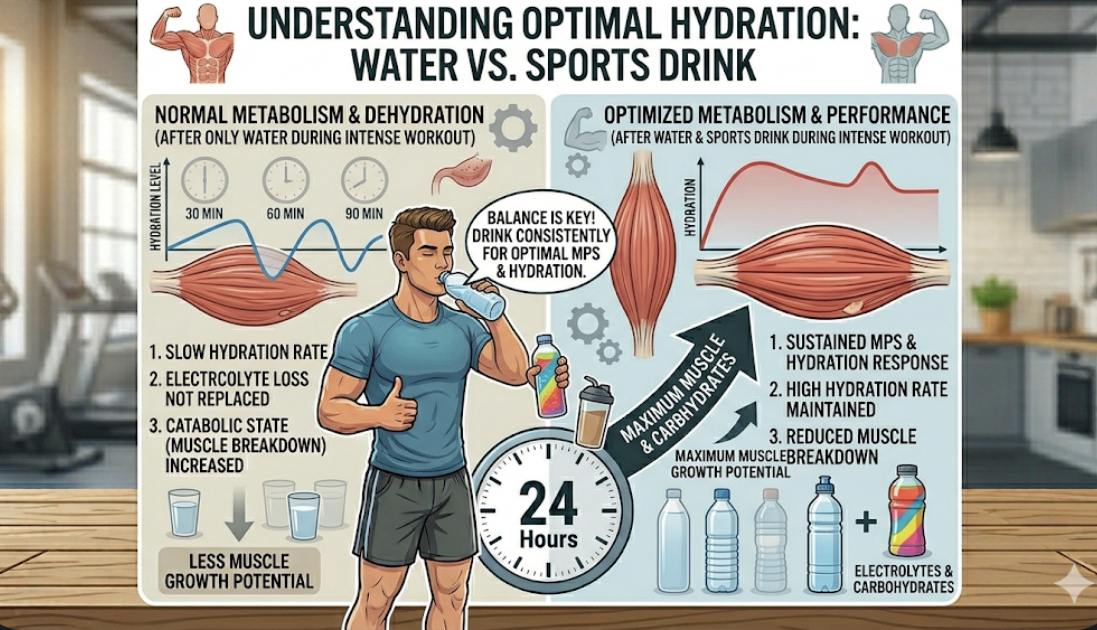
What to drink during workout depends on duration and intensity. For workouts under 60 minutes: water is sufficient. For longer sessions (60-90+ minutes) or intense training: electrolyte drinks or sports drinks with 30-60g carbs per hour. Key workout hydration drinks include water, electrolyte tablets, coconut water, and DIY sports drinks. Avoid sugary sodas and energy drinks. Proper hydration during exercise prevents fatigue, cramping, and performance decline. Pre-hydrate 2-3 hours before training .
1. The Hydration Problem: Why Water Alone Isn't Always Enough
You sweat. You drink water. You think you're hydrated. But during intense or prolonged exercise, water alone may not be sufficient. Understanding what to drink during workout sessions can mean the difference between PRs and bonking. This guide covers best drinks for gym performance, when to use sports drinks vs water, and intra workout drinks that actually work.
What should I drink during a workout?
What should I drink during a workout? For most workouts (under 60 minutes): water is sufficient. For longer sessions (60-90+ minutes) or intense training: electrolyte drinks or sports drinks with 30-60g carbs per hour. BCAAs are optional but not necessary if you eat enough protein. Carbohydrate drinks improve performance during prolonged or high-intensity training.
2. The Science: Why Hydration Affects Performance
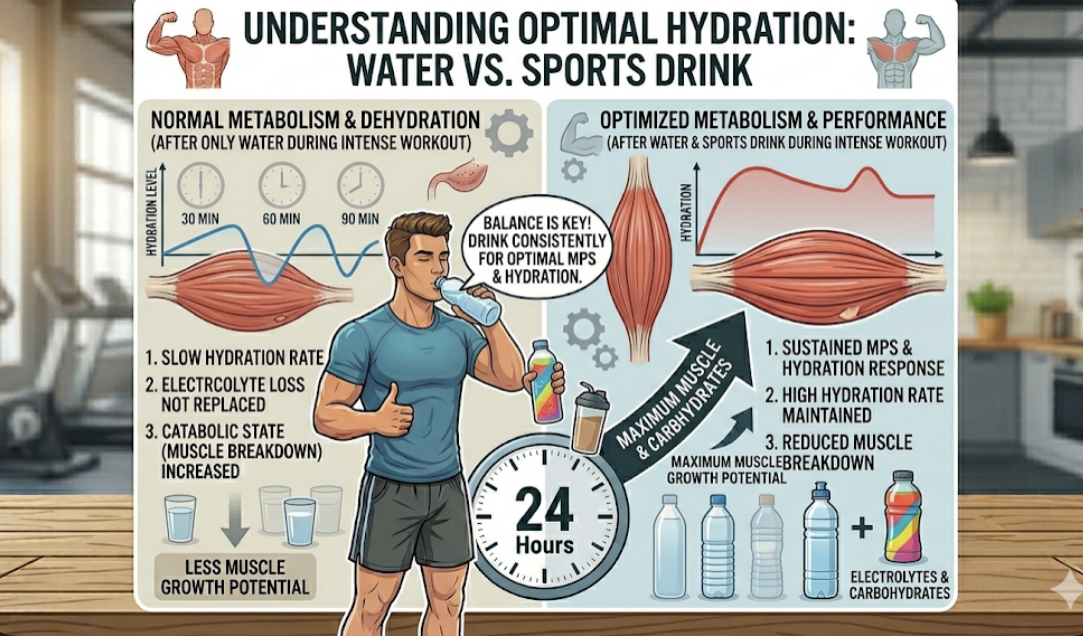
Even 2% dehydration reduces performance by 10-20%. Water loss affects:
- Blood volume: Decreased blood volume reduces oxygen delivery to muscles
- Thermoregulation: Impaired sweating increases core temperature
- Muscle function: Electrolyte imbalances cause cramping and weakness
- Mental focus: Dehydration impairs concentration and reaction time
📊 Performance Loss by Dehydration Level
3. Water: When It's Enough (And When It's Not)
Hydration during exercise with water is sufficient for:
- Workouts under 60 minutes
- Low to moderate intensity (walking, light jogging, casual lifting)
- Cool environments (temperate climate, air-conditioned gym)
- Non-sweaty activities (yoga, light stretching)
Water is not enough when:
- Workouts exceed 60 minutes
- High intensity (HIIT, heavy lifting, running, cycling)
- Hot or humid environments
- You sweat heavily (visible salt crystals on skin)
4. Electrolyte Drinks: When and Why
Electrolyte drinks replace sodium, potassium, magnesium, and calcium lost through sweat. Key benefits:
- Prevents cramping: Sodium and potassium maintain nerve and muscle function
- Improves fluid retention: Sodium helps body hold water
- Maintains blood volume: Supports cardiovascular function
- Reduces fatigue: Electrolyte balance affects energy production
5. Sports Drinks vs Water: What Research Says
Sports drinks vs water research shows:
- Under 60 minutes: No performance difference between water and sports drinks
- 60-90 minutes: Sports drinks may improve performance by 2-5%
- 90+ minutes or high intensity: Sports drinks significantly improve performance (10-15%) by providing carbohydrates (30-60g/hour) and electrolytes
6. Intra-Workout Carbohydrates: Fuel for Performance
For sessions lasting 90+ minutes, consuming 30-60g carbohydrates per hour improves endurance and delays fatigue . Sources:
- Sports drinks: 6-8% carbohydrate solution (14-19g per 8 oz)
- Carb powders: Maltodextrin or dextrose mixed with water
- Natural options: Coconut water (5-6g carbs per oz), diluted fruit juice (1 part juice to 2 parts water)
7. Sample Hydration Plan by Workout Type
Strength Training (60 minutes, moderate intensity)
- Pre-workout (2-3 hours before): 500ml water
- During workout: 150-250ml water every 15-20 minutes (total 500-750ml)
- Post-workout: 500ml water + meal with protein and carbs
Endurance Training (90+ minutes running/cycling)
- Pre-workout: 500ml water + electrolyte drink
- During workout: 500-1000ml electrolyte drink with 30-60g carbs per hour
- Post-workout: 1-1.5L water + electrolytes + protein
HIIT (45 minutes, high intensity)
- Pre-workout: 400ml water
- During workout: 150-250ml water every 15 minutes (total 400-600ml)
- Consider electrolyte drink if sweating heavily
Hot/Humid Conditions (any workout)
- Increase fluid intake by 20-30%
- Use electrolyte drinks regardless of duration
- Pre-cool with cold water before exercise
8. DIY Intra-Workout Drink Recipes
Basic Electrolyte Drink (for 60-90 min sessions)
- 1 liter water
- ¼ tsp salt (500mg sodium)
- 1 tbsp honey or maple syrup (15g carbs)
- Squeeze of lemon or lime for flavor
- Mix well. Drink 500ml per hour.
Carb + Electrolyte Drink (for 90+ min sessions)
- 1 liter water
- ¼ tsp salt
- 3-4 tbsp honey or maple syrup (45-60g carbs)
- ¼ tsp potassium chloride (or use coconut water as base)
- Mix well. Sip 500-750ml per hour.
Vegan/Plant-Based Option
- 1 liter coconut water (natural electrolytes)
- Add ¼ tsp salt for extra sodium
- 1 tbsp maple syrup (if more carbs needed)
Gluten-Free Options
- All ingredients naturally gluten-free
- Verify honey and maple syrup are pure (no additives)
- Use electrolyte tablets labeled gluten-free
9. What to Avoid During Workouts
- Sugary sodas: High sugar (40-50g per can) causes blood sugar spikes and crashes
- Energy drinks: Too much caffeine (can increase heart rate dangerously), high sugar
- Protein shakes intra-workout: Protein slows gastric emptying, may cause digestive distress
- Alcohol: Dehydrating, impairs performance and recovery
- Fruit juice (undiluted): Too concentrated (10-12% sugar) slows gastric emptying
10. Frequently Asked Questions
What should I drink during a workout?
For most workouts (under 60 minutes): water is sufficient. For longer sessions (60-90+ minutes) or intense training: electrolyte drinks or sports drinks with 30-60g carbs per hour. BCAAs are optional but not necessary if you eat enough protein. Carbohydrate drinks improve performance during prolonged or high-intensity training.
Is water enough during exercise?
Yes, water is sufficient for workouts under 60 minutes. For longer sessions (90+ minutes) or high-intensity training in hot conditions, electrolyte drinks are better because they replace sodium, potassium, and magnesium lost through sweat, preventing cramping and fatigue.
How much should I drink during a workout?
Drink 150-250 ml (5-8 oz) every 15-20 minutes during exercise. Total intake: 0.5-1 liter per hour depending on sweat rate. Pre-hydrate: 500ml 2-3 hours before. Post-hydrate: 1.25-1.5 liters per kg lost. Adjust based on thirst and sweat loss.
What are the best electrolytes for workout hydration?
Key electrolytes: sodium (300-700mg per liter) for fluid retention, potassium (150-300mg) for muscle function, magnesium (50-100mg) for cramp prevention, and calcium. Sodium is most critical during prolonged sweating.
Do sports drinks improve performance?
Sports drinks improve performance in sessions lasting 60+ minutes by providing carbohydrates (30-60g/hour) for energy and electrolytes to prevent dehydration. For workouts under 60 minutes, sports drinks offer no advantage over water.
Should I drink BCAAs during my workout?
BCAAs during workouts are generally unnecessary if you consume adequate protein (1.6-2.2 g/kg daily). Whole protein sources provide all amino acids. BCAAs may help reduce perceived fatigue in fasted training, but water or electrolytes are more important for hydration.
11. Related Resources
- How to Build a Simple Diet Plan (Step-by-Step Beginner Guide)
- What Happens If You Eat Too Much Protein? (Side Effects & Truth)
- How to Stay Consistent With Your Diet (Simple Habits That Work)
- Best Pre-Bed Meals for Muscle Growth (Overnight Recovery Foods)
- How to Control Portion Sizes Easily (Simple Diet Tips That Work)
- What to Eat When Cutting vs Bulking (Complete Diet Guide)
12. Scientific References
- Sawka, M. N., et al. (2007). American College of Sports Medicine position stand: Exercise and fluid replacement. Medicine & Science in Sports & Exercise, 39(2), 377–390. PubMed
- Jeukendrup, A. E. (2011). Nutrition for endurance sports: marathon, triathlon, and road cycling. Journal of Sports Sciences, 29(sup1), S91–S99. PubMed
- Maughan, R. J., & Shirreffs, S. M. (2010). Dehydration and rehydration in competitive sport. Scandinavian Journal of Medicine & Science in Sports, 20(s3), 40–47. PubMed
- Morton, R. W., et al. (2018). A systematic review, meta-analysis and meta-regression of the effect of protein supplementation on resistance training-induced gains in muscle mass and strength. British Journal of Sports Medicine, 52(6), 376–384. PubMed
- ACSM. (2021). Nutrition and Athletic Performance. Medicine & Science in Sports & Exercise, 53(3), 600–618. PubMed
Join the conversation