What to Eat When Cutting vs Bulking (Complete Diet Guide)
What to Eat When Cutting vs Bulking: Complete Diet Guide (2026)
⚡ TL;DR
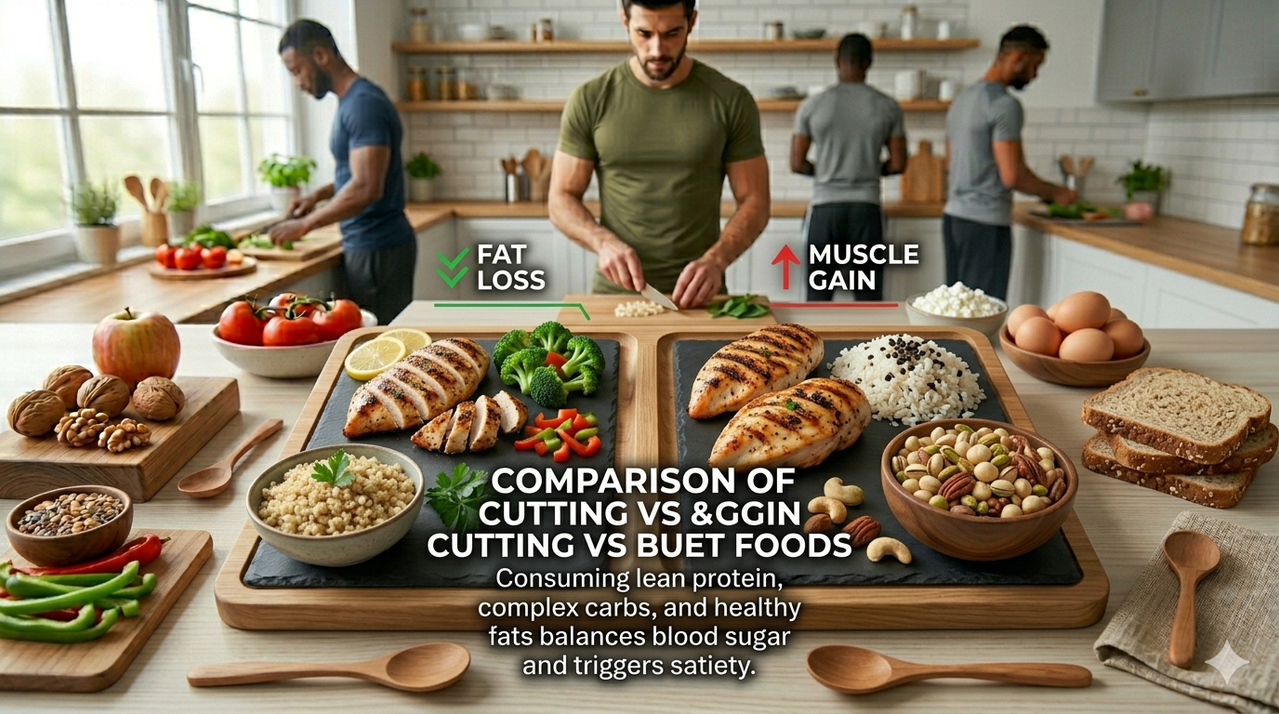
Understanding what to eat when cutting vs bulking is essential for body composition success. During cutting (fat loss): prioritize lean protein (chicken, fish), high-volume vegetables, and a calorie deficit (300–500 kcal below maintenance). During bulking (muscle gain): focus on calorie-dense foods, complex carbohydrates (rice, pasta, oats), healthy fats, and a surplus (250–500 kcal above maintenance). Both phases require adequate protein (1.6–2.2 g/kg), but cutting demands higher protein to preserve muscle. This fitness nutrition guide provides complete cutting and bulking diet strategies .
1. The Two Faces of Body Composition: Cutting vs Bulking
Whether you want to reveal muscle definition or pack on size, your nutrition strategy must match your goal. The cutting vs bulking diet approaches differ fundamentally in calorie intake, food choices, and macronutrient ratios. This guide provides a complete roadmap for both phases, helping you choose the right foods for fat loss and muscle gain based on your current objective.
What should I eat when cutting vs bulking?
🔹 Cutting (Fat Loss)
- Lean protein: chicken breast, turkey, white fish, egg whites, lean beef
- High-volume vegetables: broccoli, spinach, cauliflower, zucchini, bell peppers
- Low-calorie foods: berries, leafy greens, cucumbers
- Moderate complex carbs: oats, sweet potatoes, brown rice
- Healthy fats (in moderation): avocado, nuts, olive oil
🔹 Bulking (Muscle Gain)
- Calorie-dense proteins: whole eggs, fatty fish (salmon), beef, full-fat dairy
- Complex carbohydrates: rice, pasta, oats, potatoes, quinoa, whole grain bread
- Healthy fats: nuts, nut butter, avocado, olive oil, seeds
- Calorie-dense fruits: bananas, dates, dried fruit
- Full-fat dairy: Greek yogurt, milk, cheese
2. The Science: How Cutting and Bulking Work
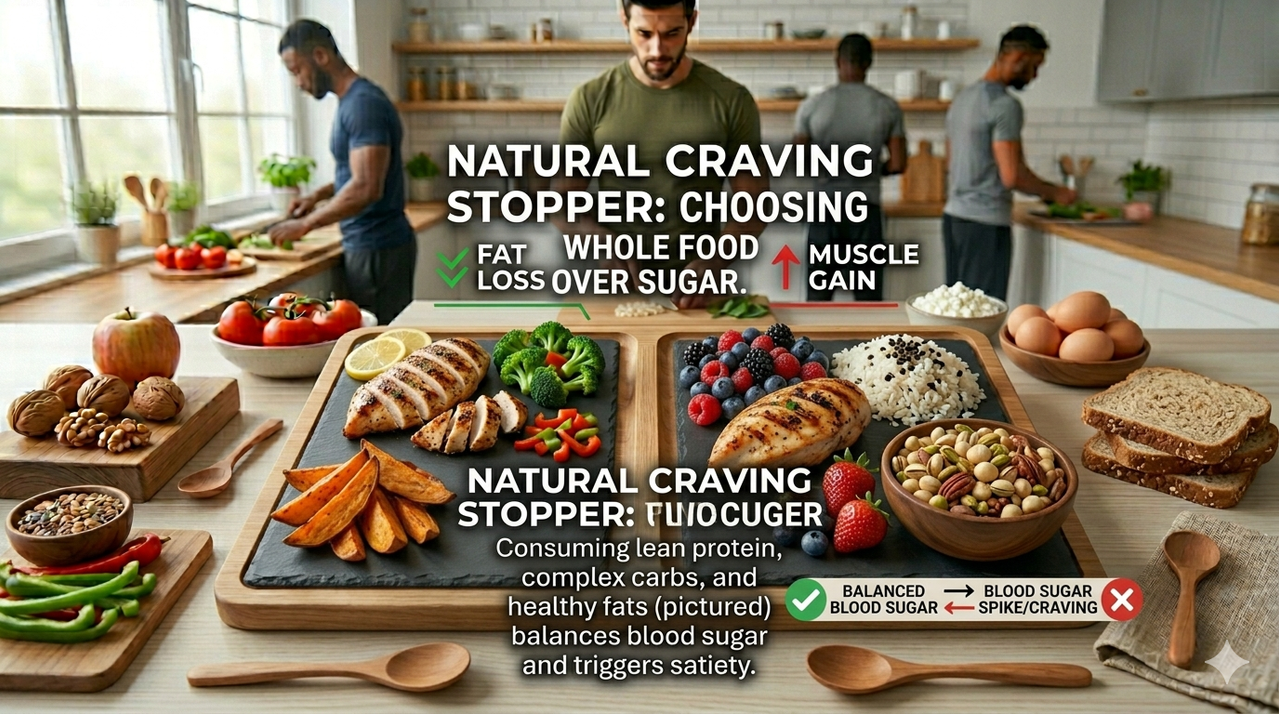
Both phases leverage the body's adaptive responses to nutrition and training:
- Cutting: Calorie deficit forces the body to use stored fat for energy. High protein intake (1.8–2.4 g/kg) preserves muscle mass during weight loss .
- Bulking: Calorie surplus provides energy for muscle protein synthesis (MPS). Sufficient protein and carbohydrates support recovery and growth .
📊 Cutting vs Bulking: Nutritional Comparison
| Parameter | Cutting (Fat Loss) | Bulking (Muscle Gain) |
|---|---|---|
| Calorie Status | Deficit (300–500 kcal below maintenance) | Surplus (250–500 kcal above maintenance) |
| Protein (g/kg) | 1.8–2.4 g/kg (higher to preserve muscle) | 1.6–2.2 g/kg |
| Carbohydrates | Lower to moderate (focus on fiber) | Higher (4–7 g/kg for energy) |
| Fats | Moderate (0.5–0.8 g/kg) | Higher (0.8–1.2 g/kg) |
| Food Choices | Lean, high-volume, low-calorie density | Calorie-dense, nutrient-rich |
3. Cutting Diet: Foods for Fat Loss
3.1. Best Protein Sources for Cutting
- Chicken breast: 165 kcal, 31g protein per 100g
- Turkey breast: 135 kcal, 29g protein per 100g
- White fish (cod, tilapia): 80–100 kcal, 18–20g protein per 100g
- Egg whites: 35 kcal, 7g protein per 2 whites
- Lean beef (95/5): 150 kcal, 22g protein per 100g
- Greek yogurt (non-fat): 100 kcal, 18g protein per 170g
- Cottage cheese (low-fat): 90 kcal, 13g protein per ½ cup
3.2. Best Vegetable Choices for Satiety
- Broccoli: 30 kcal per cup, high fiber
- Spinach: 7 kcal per cup, nutrient-dense
- Cauliflower: 25 kcal per cup, versatile
- Zucchini: 20 kcal per cup
- Bell peppers: 30 kcal per cup
- Asparagus: 20 kcal per cup
3.3. Carbohydrates for Cutting
- Oats: 150 kcal per ½ cup dry, high fiber
- Sweet potatoes: 100 kcal per medium, nutrient-dense
- Brown rice: 110 kcal per ½ cup cooked
- Quinoa: 110 kcal per ½ cup cooked
- Berries: 50–80 kcal per cup, low sugar
4. Bulking Diet: Foods for Muscle Gain
4.1. Best Protein Sources for Bulking
- Whole eggs: 70 kcal, 6g protein each
- Salmon: 200 kcal, 22g protein per 100g (healthy fats)
- Beef (80/20): 250 kcal, 20g protein per 100g
- Chicken thighs: 200 kcal, 20g protein per 100g
- Greek yogurt (full-fat): 200 kcal, 20g protein per 200g
- Cottage cheese (full-fat): 220 kcal, 25g protein per cup
4.2. Best Carbohydrate Sources for Energy
- White rice: 200 kcal per cup cooked, easy to digest
- Pasta: 200 kcal per cup cooked, calorie-dense
- Oats: 300 kcal per cup dry, nutrient-rich
- Potatoes: 160 kcal per medium
- Quinoa: 220 kcal per cup cooked
- Whole grain bread: 80–100 kcal per slice
- Bananas: 105 kcal each, quick energy
4.3. Healthy Fats for Calorie Density
- Almonds: 160 kcal per 28g
- Peanut butter: 190 kcal per 2 tbsp
- Avocado: 320 kcal per medium
- Olive oil: 120 kcal per tbsp
- Walnuts: 185 kcal per 28g
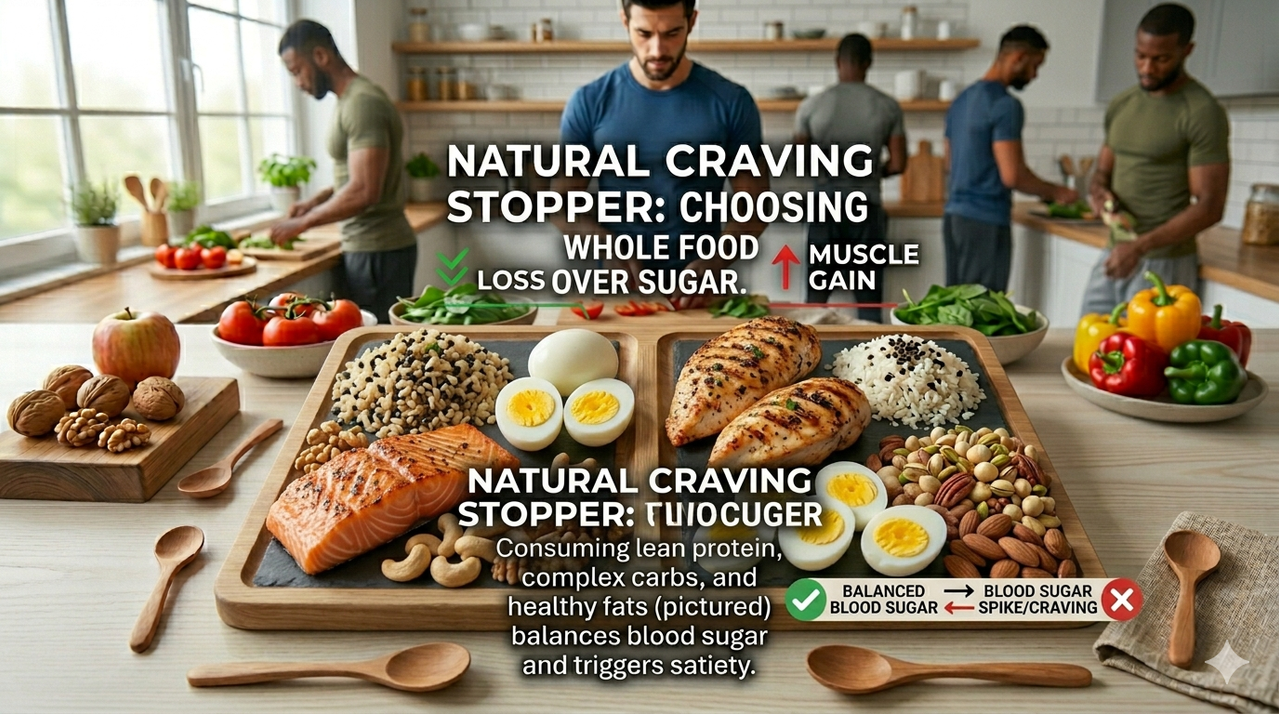
5. Sample Cutting Meal Plan (1,900 kcal, 160g Protein)
Omnivore Cutting Plan
- Breakfast (7:30 AM): 3 egg whites + 1 whole egg, ½ cup oats, ½ cup berries (350 kcal, 25g protein)
- Lunch (12:30 PM): 150g chicken breast, 1 cup quinoa, 2 cups spinach, 1 tbsp vinaigrette (450 kcal, 40g protein)
- Snack (3:30 PM): 170g non-fat Greek yogurt, ½ cup berries (150 kcal, 18g protein)
- Dinner (7:00 PM): 150g white fish, 1.5 cups roasted broccoli, 1 tbsp olive oil (400 kcal, 35g protein)
- Evening (9:30 PM): 1 cup cottage cheese (200 kcal, 25g protein)
- Total: ~1,550 kcal, ~143g protein (add 1 scoop protein for higher protein)
Vegan/Vegetarian Cutting Plan
- Breakfast: Tofu scramble (150g tofu), ½ cup oats, ½ cup berries (400 kcal, 25g protein)
- Lunch: 1 cup lentils, 1 cup quinoa, 2 cups spinach, 1 tbsp olive oil (450 kcal, 25g protein)
- Snack: 1 cup edamame (120 kcal, 11g protein)
- Dinner: 150g tempeh, 2 cups roasted vegetables, 1 tbsp olive oil (450 kcal, 30g protein)
- Total: ~1,420 kcal, ~91g protein (add plant protein shake for higher protein)
6. Sample Bulking Meal Plan (3,100 kcal, 180g Protein)
Omnivore Bulking Plan
- Breakfast (7:30 AM): 4 eggs, 1 cup oats, 1 banana, 1 cup whole milk (750 kcal, 45g protein)
- Lunch (12:30 PM): 200g chicken breast, 2 cups white rice, 1 tbsp olive oil, 1 cup broccoli (700 kcal, 55g protein)
- Snack (3:30 PM): 200g full-fat Greek yogurt, 30g almonds, 1 tbsp honey (400 kcal, 22g protein)
- Post-Workout (6:30 PM): 2 scoops whey, 1 banana, 1 cup oats (550 kcal, 48g protein)
- Dinner (8:30 PM): 200g lean beef or salmon, 1.5 cups sweet potato, 1 tbsp olive oil (700 kcal, 45g protein)
- Total: ~3,100 kcal, ~215g protein
Vegan/Vegetarian Bulking Plan
- Breakfast: Tofu scramble (200g tofu), 1.5 cups oats, 2 tbsp peanut butter, banana (700 kcal, 40g protein)
- Lunch: 200g tempeh, 1.5 cups quinoa, 1 cup edamame, 1 tbsp olive oil (700 kcal, 48g protein)
- Snack: 1 cup soy yogurt, 1 scoop pea protein, 30g almonds (400 kcal, 32g protein)
- Dinner: 1.5 cups cooked lentils, 2 cups brown rice, 1 tbsp coconut oil, spinach (650 kcal, 28g protein)
- Total: ~2,450 kcal, ~148g protein (add another shake for higher protein)
Gluten-Free Options
- Use certified gluten-free oats
- Choose rice, quinoa, buckwheat
- Verify protein sources are gluten-free certified
7. Transitioning Between Cutting and Bulking
Moving between phases requires strategic adjustments to prevent rapid fat gain or muscle loss:
- Post-cut transition: Gradually increase calories by 100–200 kcal weekly to avoid rebound fat gain (reverse dieting)
- Post-bulk transition: Slowly reduce calories by 100–200 kcal weekly while maintaining protein high
- Maintenance phase: 2–4 weeks at maintenance calories between phases allows metabolic normalization
8. Common Mistakes in Cutting and Bulking
- Cutting mistakes: Too steep deficit (loses muscle), insufficient protein, eliminating all fats, excessive cardio
- Bulking mistakes: Excessive surplus (gains mostly fat), dirty bulking with processed foods, neglecting vegetables, insufficient protein
- Both phases: Inconsistent tracking, ignoring micronutrients, poor sleep, inadequate hydration
9. Frequently Asked Questions
What should I eat when cutting vs bulking?
When cutting, focus on lean protein (chicken breast, turkey, white fish, egg whites), high-volume vegetables (broccoli, spinach, cauliflower), low-calorie foods, and moderate complex carbs. When bulking, prioritize calorie-dense foods, ample complex carbohydrates (rice, pasta, oats), healthy fats (nuts, avocado, olive oil), and higher total calorie intake with a 250-500 kcal surplus.
What foods should I eat when cutting?
Cutting foods include: lean protein (chicken breast, turkey, white fish, lean beef, egg whites), high-fiber vegetables (broccoli, spinach, cauliflower, zucchini), moderate complex carbs (oats, sweet potatoes, brown rice), healthy fats in moderation (avocado, nuts, olive oil), and low-calorie fruits (berries, apples).
What foods should I eat when bulking?
Bulking foods include: calorie-dense proteins (whole eggs, fatty fish, beef), complex carbohydrates (rice, pasta, oats, potatoes, quinoa), healthy fats (nuts, nut butter, avocado, olive oil), full-fat dairy (Greek yogurt, milk, cheese), and calorie-dense fruits (bananas, dates).
What is the difference between cutting and bulking diets?
Cutting diet: calorie deficit (300-500 below maintenance), higher protein (1.8-2.4 g/kg), lower fat and carbs, focus on satiety and volume. Bulking diet: calorie surplus (250-500 above maintenance), adequate protein (1.6-2.2 g/kg), higher carbs and fats, focus on energy density and nutrient timing.
How much protein do I need when cutting vs bulking?
During cutting (fat loss): 1.8-2.4 grams of protein per kilogram of body weight to preserve muscle. During bulking: 1.6-2.2 grams per kilogram is sufficient for muscle growth. Higher protein during cutting helps counteract muscle loss in a calorie deficit.
Can I eat the same foods when cutting and bulking?
The food choices are similar—both phases emphasize whole foods like lean proteins, vegetables, complex carbs, and healthy fats. The difference lies in quantities, portion sizes, and food selections. Cutting prioritizes lower-calorie, higher-volume options; bulking allows more calorie-dense foods and larger portions.
10. Related Resources
- How to Read Nutrition Labels for Fitness Goals (Beginner-Friendly Guide)
- What Happens If You Don’t Eat Enough Protein? (Health & Muscle Impact)
- Simple High-Protein Meal Plan for Beginners (Easy & Effective Guide)
- How Many Meals Per Day Is Best for Fat Loss? (Science-Based Answer)
- How to Balance Carbs, Protein, and Fats for Beginners (Macro Guide)
- Is Eating Late at Night Bad for Fat Loss? (Myth vs Reality)
11. Scientific References
- Morton, R. W., et al. (2018). A systematic review, meta-analysis and meta-regression of the effect of protein supplementation on resistance training-induced gains in muscle mass and strength. British Journal of Sports Medicine, 52(6), 376–384. PubMed
- Helms, E. R., et al. (2014). Evidence-based recommendations for natural bodybuilding contest preparation. Journal of the International Society of Sports Nutrition, 11(1), 20. PubMed
- Slater, G., et al. (2019). Is an energy surplus required to maximize skeletal muscle hypertrophy associated with resistance training? Frontiers in Nutrition, 6, 131. PubMed
- Garthe, I., et al. (2013). Effect of two different weight-loss rates on body composition and strength and power-related performance in elite athletes. International Journal of Sport Nutrition and Exercise Metabolism, 23(1), 20–30. PubMed
- Kerksick, C. M., et al. (2018). ISSN exercise & sports nutrition review update. Journal of the International Society of Sports Nutrition, 15(1), 38. PubMed
- ACSM. (2021). Nutrition and Athletic Performance. Medicine & Science in Sports & Exercise, 53(3), 600–618. PubMed
Join the conversation