Best Bulking Routine for Skinny Guys (Fast Muscle Gain Plan)
Best Bulking Routine for Skinny Guys: Fast Muscle Gain Plan (2026)
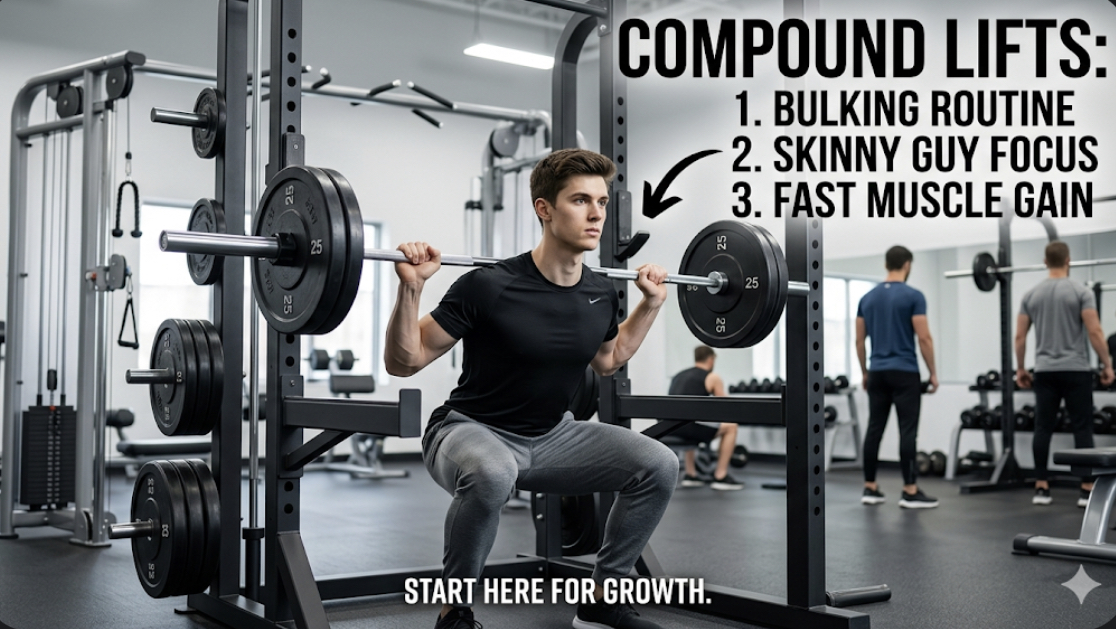
⚡ TL;DR
The best bulking routine for skinny guys follows three pillars: compound exercises (squat, bench, deadlift, overhead press, rows), progressive overload (add weight or reps weekly), and a high-calorie diet (300–500 kcal surplus, 1.6–2.2 g protein per kg). Train 3–5 times weekly with full-body or upper/lower splits. This skinny guy muscle gain plan leverages the science of hypertrophy and the unique challenges of hardgainers. Consistency over 12–24 weeks will transform your physique .
1. The Skinny Guy's Struggle: Why Gaining Muscle is Harder
If you've been called "skinny," "ectomorph," or "hardgainer," you know the struggle. You eat what seems like everything, yet the scale barely moves. How to bulk for skinny guys requires understanding your unique physiology: faster metabolism, lower appetite, and often higher baseline activity. But with the right ectomorph bulking workout and nutrition strategy, you can build significant muscle. This fast muscle gain workout plan is designed specifically for hardgainers.
What is the best bulking routine for skinny guys?
The best bulking routine for skinny guys includes: focus on compound exercises (squat, bench press, deadlift, overhead press, rows), train 3-5 times per week with full-body or upper/lower splits, apply progressive overload by adding weight or reps weekly, maintain a high calorie diet with a 300-500 kcal surplus, and prioritize proper recovery with 7-9 hours of sleep.
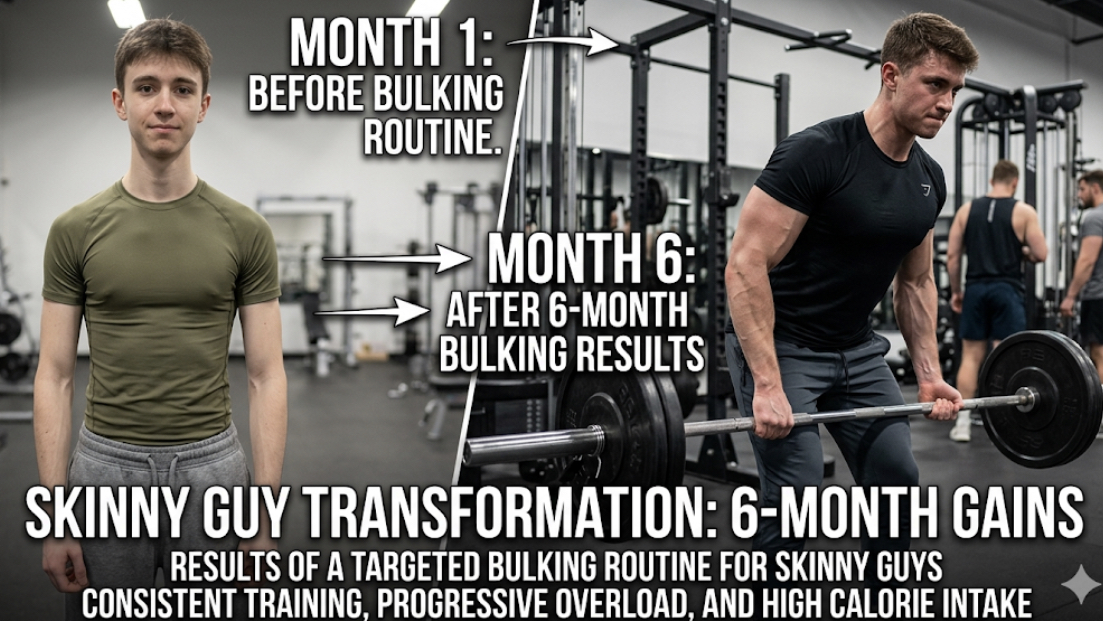
2. The Science: Why Compound Exercises Are Essential for Hardgainers
For skinny guy muscle gain plan, compound exercises are non-negotiable. Multi-joint movements recruit the most muscle fibers, stimulate the greatest hormonal response (testosterone, growth hormone), and provide the most efficient path to muscle growth .
2.1. The Big Five Compound Lifts
- Barbell Squat: Quads, hamstrings, glutes, core
- Deadlift: Posterior chain, back, traps, grip
- Bench Press: Chest, shoulders, triceps
- Overhead Press: Shoulders, triceps, upper chest
- Barbell Row / Pull-ups: Back, biceps, rear delts
2.2. Neural Adaptations and Progressive Overload
Beginners experience rapid strength gains through neural adaptations. To sustain growth, progressive overload is essential. Add 2.5–5 kg to compound lifts weekly or increase reps by 1–2 per set .
3. The Best Bulking Workout Plan for Skinny Guys
3.1. Full-Body Routine (Beginner: 3x/week)
Ideal for first 6–12 months. Train Monday, Wednesday, Friday.
- Workout A: Squat 3×8–10, Bench Press 3×8–10, Barbell Row 3×8–10, Overhead Press 3×8–10, Pull-ups 3×8–12, Plank 3×45s
- Workout B: Deadlift 3×5, Incline Bench 3×8–10, Lat Pulldown 3×10–12, Dumbbell Shoulder Press 3×8–10, Leg Press 3×12–15, Hanging Knee Raises 3×12–15
- Alternate A/B each session. Add weight when you hit top reps.
3.2. Upper/Lower Split (Intermediate: 4x/week)
After 6–12 months of consistent training.
- Upper A: Bench Press 3×8–10, Pull-ups 3×8–10, Overhead Press 3×8–10, Barbell Row 3×8–10, Lateral Raises 3×12–15, Tricep Pushdown 3×12–15, Barbell Curl 3×12–15
- Lower A: Squat 3×8–10, Romanian Deadlift 3×10–12, Leg Press 3×12–15, Leg Curl 3×12–15, Calf Raises 3×15–20, Cable Crunches 3×15–20
- Upper B: Incline Dumbbell Press 3×10–12, Seated Cable Row 3×10–12, Dumbbell Shoulder Press 3×10–12, Chest-supported Row 3×10–12, Rear Delt Fly 3×12–15, Skull Crushers 3×12–15, Incline Dumbbell Curl 3×12–15
- Lower B: Deadlift 3×5, Hack Squat 3×10–12, Bulgarian Split Squat 3×10–12/leg, Leg Extension 3×12–15, Seated Calf Raises 3×15–20, Hanging Leg Raises 3×12–15
4. Nutrition: The Missing Link for Hardgainers
Training is only half the equation. For gain weight for skinny men, nutrition must be prioritized.
4.1. Caloric Surplus
Aim for 18–20 calories per pound of body weight (40–45 kcal per kg). For a 70 kg (154 lb) individual: 2,800–3,200 kcal daily. Start with a 300–500 kcal surplus and adjust based on weekly weight gain .
4.2. Protein Intake
Consume 1.6–2.2 g protein per kg body weight. For a 70 kg individual: 112–154 g protein daily. Spread across 4–6 meals .
4.3. Carbohydrates and Fats
Carbs: 4–7 g per kg body weight. Fats: 0.8–1.2 g per kg body weight. Prioritize nutrient-dense sources: oats, rice, sweet potatoes, nuts, olive oil, fatty fish.
📊 Sample Daily Macronutrient Targets (70 kg / 154 lb)
| Nutrient | Target | Example Sources |
|---|---|---|
| Calories | 2,800–3,200 kcal | - |
| Protein | 112–154 g | Chicken, eggs, whey, Greek yogurt, beef |
| Carbohydrates | 280–490 g | Oats, rice, potatoes, pasta, fruit |
| Fats | 56–84 g | Nuts, olive oil, avocado, peanut butter |
5. Sample High-Calorie Meal Plan (3,200 kcal, 160g Protein)
Omnivore Plan
- Breakfast (7:30 AM): 4 eggs, 1.5 cups oats, 1 banana, 1 cup whole milk, 2 tbsp peanut butter (850 kcal, 48g protein)
- Morning Snack (10:30 AM): 200g Greek yogurt, ¼ cup granola, 30g almonds (450 kcal, 25g protein)
- Lunch (1:00 PM): 200g chicken breast, 2 cups white rice, 1 tbsp olive oil, 1 cup broccoli (750 kcal, 52g protein)
- Pre-Workout (4:00 PM): 2 rice cakes with 2 tbsp peanut butter, 1 apple (350 kcal, 10g protein)
- Post-Workout (6:30 PM): 2 scoops whey, 1 banana, 1 cup oats, 1 tbsp honey (600 kcal, 48g protein)
- Dinner (8:30 PM): 200g lean beef or salmon, 1.5 cups sweet potato, 1 tbsp olive oil, asparagus (700 kcal, 45g protein)
Vegan/Vegetarian Bulking Plan (3,000 kcal, 150g Protein)
- Breakfast: Tofu scramble (200g firm tofu), 1.5 cups oats, 2 tbsp peanut butter, banana (750 kcal, 45g protein)
- Snack: 1 cup soy yogurt, 1 scoop pea protein, 30g cashews (400 kcal, 32g protein)
- Lunch: 200g tempeh, 2 cups quinoa, 1 cup edamame, 1 tbsp olive oil (750 kcal, 48g protein)
- Post-Workout: 2 scoops plant protein, 1 banana, 1 cup oats, 1 tbsp almond butter (650 kcal, 44g protein)
- Dinner: 1.5 cups cooked lentils, 2 cups brown rice, 1 tbsp coconut oil, spinach (650 kcal, 28g protein)
Gluten-Free Options
- Use certified gluten-free oats
- Choose rice, quinoa, buckwheat
- Verify protein powders and tempeh are gluten-free certified
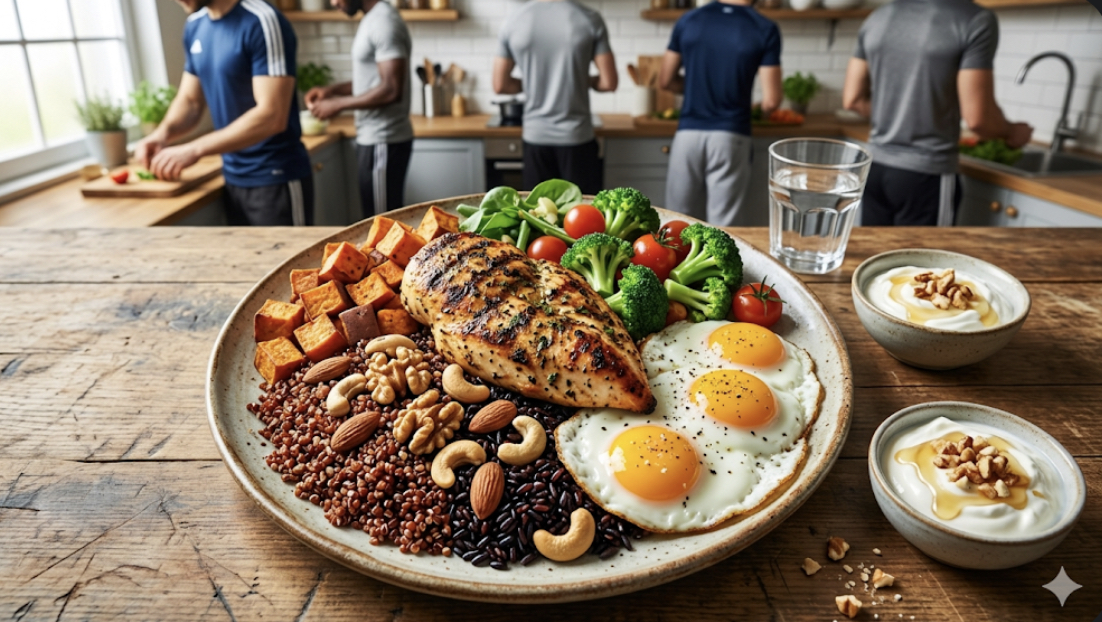
6. Quick High-Calorie Recipes for Skinny Guys
- Mass Gain Shake (800–1,000 kcal): 1 cup whole milk, 2 scoops whey, 1 banana, ½ cup oats, 2 tbsp peanut butter, 1 tbsp honey
- High-Protein Oatmeal (700 kcal): 1 cup oats, 1 cup whole milk, 2 tbsp peanut butter, 1 scoop protein, 1 banana
- Bulking Burrito (700 kcal): Large tortilla, 200g ground beef, 1 cup rice, ½ avocado, cheese, salsa
7. Recovery: The Often-Overlooked Growth Factor
Muscle grows during recovery, not during training. Skinny guys must prioritize:
- Sleep: 7–9 hours nightly. Sleep deprivation increases cortisol and reduces testosterone .
- Rest days: Take at least 1 full rest day between training sessions
- Deload weeks: Every 8–10 weeks, reduce volume by 40–50% to prevent overtraining
- Hydration: 2.5–3.5 liters water daily supports protein synthesis
8. Common Mistakes Skinny Guys Make
- Not eating enough: Undereating is the #1 reason hardgainers don't grow
- Avoiding compound lifts: Isolation exercises alone won't pack on size
- Overtraining: Training 6 days/week exceeds recovery capacity
- Inconsistent training: Missing sessions disrupts progressive overload
- Poor form: Ego lifting reduces muscle activation and increases injury risk
- No progressive overload: Same weights/reps weekly leads to plateaus
- Inadequate sleep: Sacrificing sleep impairs recovery and hormone production
9. Tracking Progress: How to Know You're Gaining
- Weekly weigh-ins: Aim for 0.25–0.5% body weight gain weekly (0.2–0.4 kg for 80 kg person)
- Strength progression: Are you adding weight or reps consistently?
- Measurements: Track arm, chest, thigh circumference monthly
- Progress photos: Monthly photos reveal changes the scale doesn't show
10. Frequently Asked Questions
What is the best bulking routine for skinny guys?
The best bulking routine for skinny guys includes: focus on compound exercises (squat, bench press, deadlift, overhead press, rows), train 3-5 times per week with full-body or upper/lower splits, apply progressive overload by adding weight or reps weekly, maintain a high calorie diet with a 300-500 kcal surplus, and prioritize proper recovery with 7-9 hours of sleep.
How many calories should a skinny guy eat to bulk?
Skinny guys should eat 18-20 calories per pound of body weight (40-45 kcal per kg). For a 70 kg (154 lb) individual, that's 2,800-3,200 kcal daily. Start with a 300-500 kcal surplus above maintenance and adjust based on weekly weight gain (0.25-0.5% body weight).
What exercises are best for skinny guys to gain muscle?
The best exercises for skinny guys are compound movements: barbell squat, deadlift, bench press, overhead press, barbell row, pull-ups, and dips. These exercises recruit the most muscle mass, stimulate the greatest hormonal response, and provide the most efficient path to muscle growth.
How often should skinny guys train to build muscle?
Skinny guys should train 3-5 times per week. A full-body routine 3 times weekly is ideal for beginners. Intermediate lifters can use an upper/lower split 4 times weekly. Avoid overtraining—more than 5 sessions weekly often impairs recovery for hardgainers.
How much protein do skinny guys need to build muscle?
Consume 1.6-2.2 grams of protein per kilogram of body weight daily. For a 70 kg (154 lb) individual, that's 112-154g protein. Spread across 3-5 meals with 20-40g protein per meal to maximize muscle protein synthesis.
Why is it hard for skinny guys to gain muscle?
Skinny guys (ectomorphs) typically have faster metabolisms, lower appetite, and higher baseline activity levels. They often struggle to maintain a calorie surplus and may have lower starting muscle mass. Consistent training with progressive overload and strategic nutrition are essential.
11. Related Resources
- How to Fix a Failed Bulking Phase (Step-by-Step Recovery Guide)
- Signs Your Bulk Is Working (Or Failing): How to Track Progress Correctly
- How Many Calories Do You Need to Build Muscle? (Complete Guide)
- Why Your Muscles Are Not Growing (Even If You Train Hard)
- Best Meal Timing for Muscle Growth Beginners (When to Eat for Results)
- Can You Build Muscle Without Supplements? (Natural Muscle Growth Guide)
- How to Know If You’re Gaining Muscle or Fat (Simple Tracking Guide)
12. Scientific References
- Schoenfeld, B. J., et al. (2017). Effects of different weekly sets-equated resistance training frequencies on muscular strength, muscle hypertrophy, and body composition. Journal of Strength and Conditioning Research, 31(12), 3271–3278. PubMed
- Morton, R. W., et al. (2018). A systematic review, meta-analysis and meta-regression of the effect of protein supplementation on resistance training-induced gains in muscle mass and strength. British Journal of Sports Medicine, 52(6), 376–384. PubMed
- Helms, E. R., et al. (2014). Evidence-based recommendations for natural bodybuilding contest preparation. Journal of the International Society of Sports Nutrition, 11(1), 20. PubMed
- Slater, G., et al. (2019). Is an energy surplus required to maximize skeletal muscle hypertrophy associated with resistance training? Frontiers in Nutrition, 6, 131. PubMed
- Kerksick, C. M., et al. (2018). ISSN exercise & sports nutrition review update. Journal of the International Society of Sports Nutrition, 15(1), 38. PubMed
- Vitale, K. C., et al. (2019). Sleep hygiene for optimizing recovery in athletes: review and recommendations. International Journal of Sports Medicine, 40(8), 535–543. PubMed
- ACSM. (2021). Nutrition and Athletic Performance. Medicine & Science in Sports & Exercise, 53(3), 600–618. PubMed
Join the conversation