How to Bulk Without Getting a Big Belly (Lean Bulking Tips)
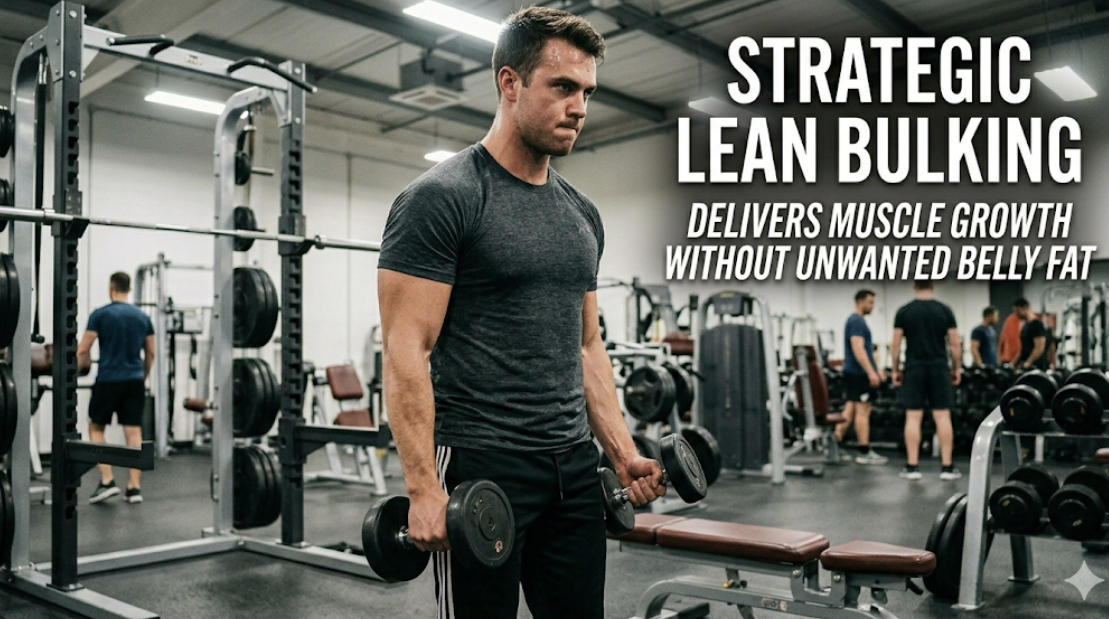
How to Bulk Without Getting a Big Belly: Science-Based Lean Bulking Tips (2026)
⚡ TL;DR
To bulk without belly fat, you must control your calorie surplus to ~250–500 kcal above maintenance, prioritize protein (1.6–2.2 g/kg body weight), use progressive overload, and incorporate cardio 2–3x weekly. Lean bulking tips include monitoring weekly weight gain (0.25–0.5% body weight per week), choosing nutrient-dense foods, and avoiding the "dirty bulk" trap. Research shows that excessive surpluses (>700 kcal) lead to disproportionate fat gain without additional muscle synthesis .
📊 Quick Summary: Lean Bulking at a Glance
| Parameter | Recommended Range | Key Insight |
|---|---|---|
| Calorie Surplus | 250–500 kcal/day | Optimal for muscle gain with minimal fat |
| Protein Intake | 1.6–2.2 g/kg body weight | Maximizes muscle protein synthesis (MPS) |
| Weekly Weight Gain | 0.25–0.5% body weight | Indicator of lean mass gain vs fat |
| Cardio Frequency | 2–3 sessions/week | Improves nutrient partitioning |
| Training Volume | 10–20 sets/muscle/week | Hypertrophy phase sweet spot |
1. The Lean Bulking Dilemma: Can You Really Gain Muscle Without a Belly?
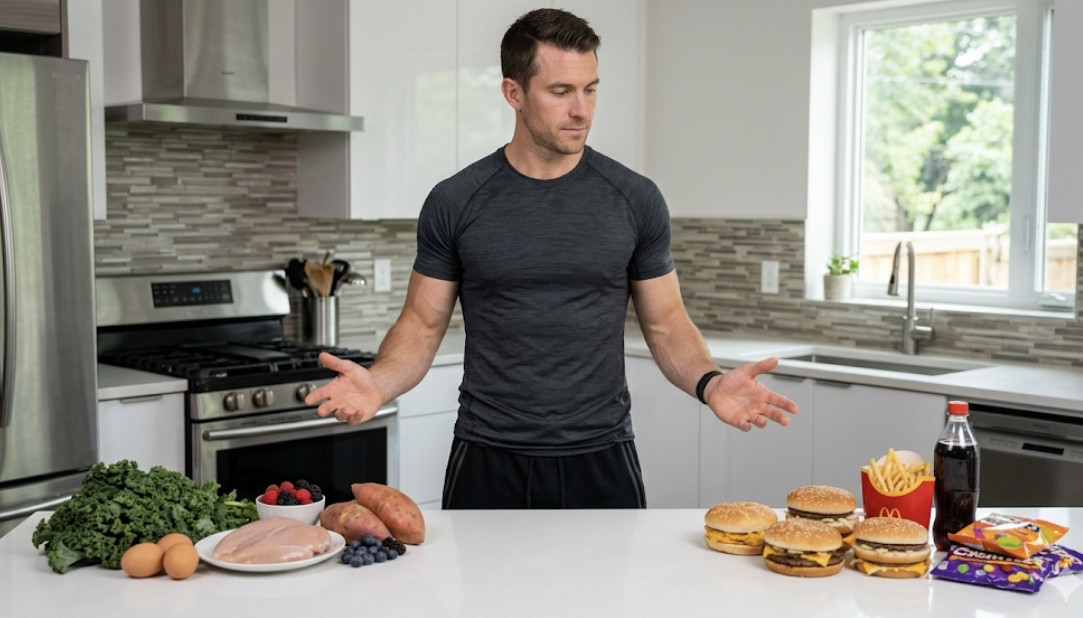
For decades, bodybuilders and fitness enthusiasts believed that bulking inevitably meant gaining significant body fat—especially around the midsection. The classic "bulk then cut" cycle often results in a frustrating belly that takes months to shed. But modern sports nutrition reveals a better way: lean bulking tips allow you to gain muscle without belly fat through precise calorie management, strategic macronutrient timing, and evidence-based training. In this guide, you'll learn exactly how to bulk without belly fat using clean bulk strategies that maximize muscle protein synthesis while minimizing adipose tissue accumulation.
How to Bulk Without Gaining Belly Fat (Step-by-Step)
- Calculate your maintenance calories using the Mifflin-St Jeor formula and add a 250–500 kcal surplus.
- Set protein at 1.6–2.2 g/kg body weight to support anabolic response and muscle protein synthesis.
- Prioritize whole foods—lean meats, complex carbs, healthy fats, and fiber-rich vegetables for optimal nutrient partitioning.
- Follow a structured hypertrophy phase with progressive overload, training each muscle group 2x per week.
- Incorporate cardio 2–3 times weekly (20–30 min LISS or 1–2 HIIT sessions) to support metabolic health.
- Track progress weekly: weigh yourself same time, measure waist circumference, and adjust surplus if weight gain exceeds 0.5% body weight/week.
- Prioritize sleep (7–9 hours) and stress management to optimize hormonal environment for lean mass gain.
2. The Science of Nutrient Partitioning: Why Some Gain Belly Fat Easily
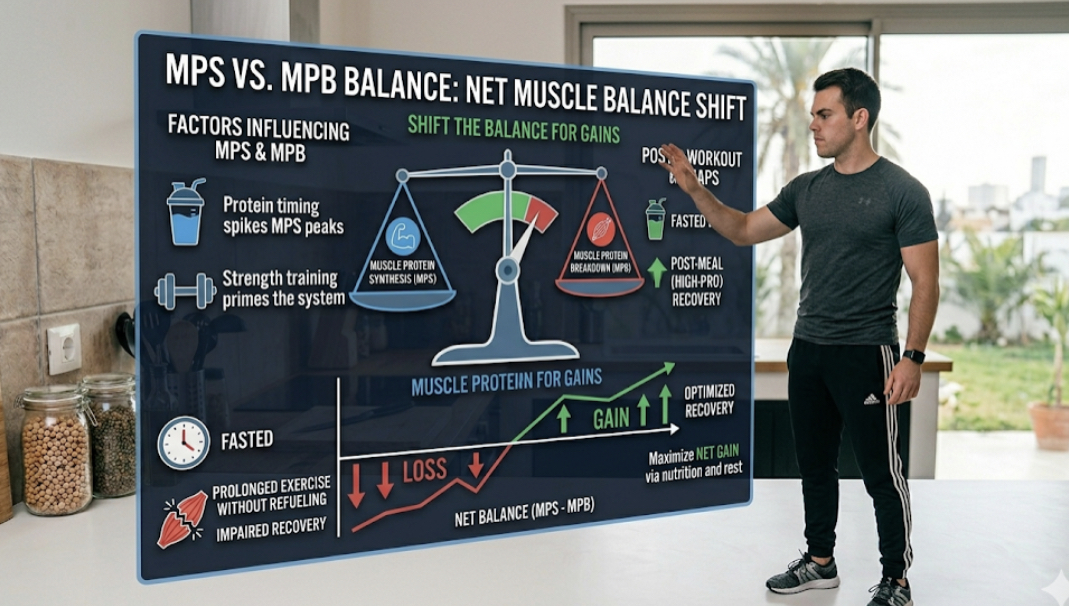
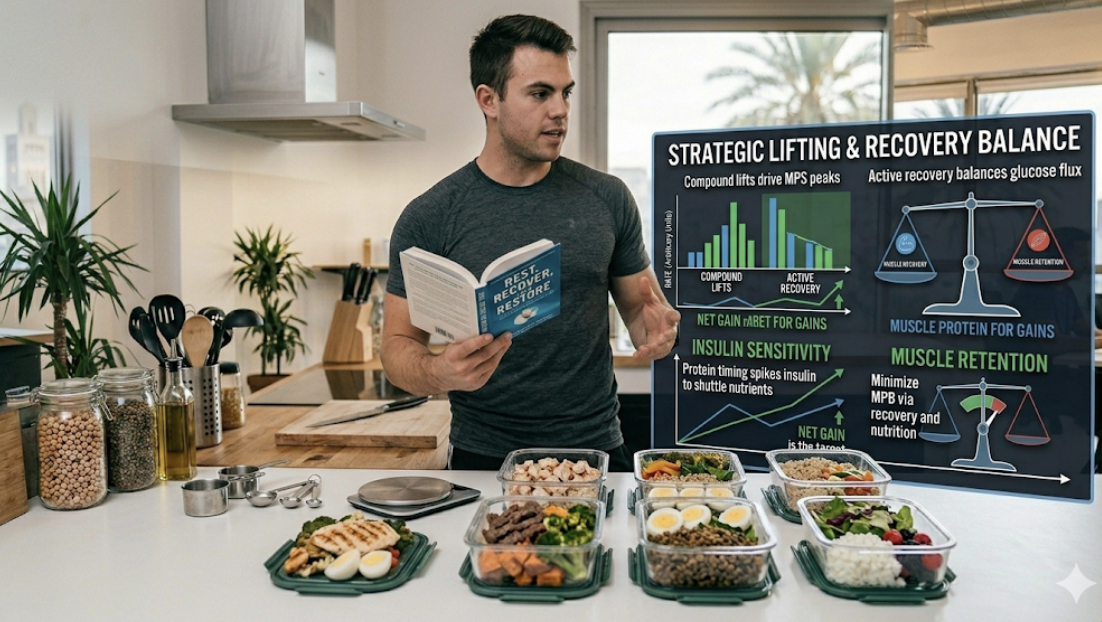
Nutrient partitioning refers to how your body directs calories toward muscle tissue versus fat storage. Genetics, insulin sensitivity, training status, and macronutrient composition all influence this process. During a clean bulk, you want to tip the scales toward muscle protein synthesis (MPS) rather than lipogenesis . A higher anabolic response is achieved when caloric surplus is modest and protein intake is optimized.
2.1. Muscle Protein Synthesis vs. Fat Storage
MPS is maximized at a relatively moderate calorie surplus (approximately 10–20% above maintenance). A landmark study by Garthe et al. (2013) demonstrated that athletes using a moderate surplus gained significantly more muscle and less fat compared to those using a high surplus (1.5 kg vs. 0.2 kg fat gain over 12 weeks) .
2.2. The Insulin Sensitivity Factor
Individuals with higher insulin sensitivity tend to partition nutrients more efficiently toward muscle. Strength training, adequate sleep, and avoiding excessive sugar improve insulin sensitivity, supporting lean bulking tips .
3. Caloric Surplus: The Goldilocks Zone for Lean Gains
The most common mistake during a bulk is consuming a massive surplus, often exceeding 700–1000 kcal above maintenance. This "dirty bulk" approach guarantees bulk without belly fat failure. Instead, target a surplus of 250–500 kcal/day for most individuals.
| Body Type / Activity | Suggested Daily Surplus | Weekly Weight Gain Target |
|---|---|---|
| Ectomorph (hard gainer) | 400–500 kcal | 0.5–0.75% body weight |
| Mesomorph (athletic) | 300–400 kcal | 0.25–0.5% body weight |
| Endomorph (prone to fat gain) | 200–300 kcal | 0.2–0.3% body weight |
3.1. How to Calculate Your Maintenance Calories
Use the Mifflin-St Jeor equation: For men: (10 × weight in kg) + (6.25 × height in cm) – (5 × age) + 5. Multiply by activity factor (1.2 sedentary to 1.725 very active). Add 250–500 kcal for your lean bulking target. Use a bulking calories calculator to automate this process.
4. Fast Bulking vs. Slow Bulking: Which Strategy Delivers Lean Mass Gain?
Understanding the difference between fast and slow bulking is essential for anyone serious about lean mass gain. Fast bulking (also called dirty bulking) involves a large calorie surplus (700–1000+ kcal/day), resulting in rapid weight gain but significant fat accumulation. Slow bulking (the lean bulk approach) uses a modest surplus (250–500 kcal/day) to maximize anabolic response while minimizing fat storage.
| Parameter | Fast Bulking (Dirty Bulk) | Slow Bulking (Lean Bulk) |
|---|---|---|
| Calorie Surplus | 700–1000+ kcal/day | 250–500 kcal/day |
| Weekly Weight Gain | 1–2 lbs (0.5–1 kg) | 0.25–0.5 lbs (0.1–0.25 kg) |
| Muscle:Fat Ratio | ~1:1 or worse | ~3:1 or better |
| Metabolic Impact | Increases fat storage, may reduce insulin sensitivity | Maintains insulin sensitivity, supports nutrient partitioning |
| Sustainability | Difficult, leads to unwanted belly fat | Sustainable, supports long-term hypertrophy phase |
5. Macronutrient Blueprint for a Clean Bulk
5.1. Protein: The Muscle Builder
Consume 1.6–2.2 g/kg body weight daily to maximize MPS. For an 80 kg individual, that's 128–176 g protein. Spread intake across 4–5 meals (30–40 g per meal) to optimize leucine thresholds . This is the foundation of any effective muscle building diet plan.
5.2. Fats: Hormonal Support
Fats should comprise 20–30% of total calories, focusing on unsaturated sources (avocado, nuts, olive oil). Adequate fat intake supports testosterone production, critical for muscle growth .
5.3. Carbohydrates: Fuel for Training
Carbs fill the remainder of calories (40–50% of total). Prioritize complex carbs (oats, rice, potatoes, quinoa) to sustain glycogen stores and enhance recovery.
6. Beginner Plan: Your First 8-Week Lean Bulk
If you're new to bulking, follow this structured 8-week lean bulking plan designed for sustainable lean mass gain.
- Weeks 1-2 (Adaptation): Start with a 250 kcal surplus. Focus on mastering form with compound lifts (squat, deadlift, bench press, overhead press, rows). Train 3-4x/week.
- Weeks 3-4 (Build): Increase surplus to 300-350 kcal. Add accessory work (bicep curls, tricep extensions, lateral raises). Aim for 8-12 reps per set.
- Weeks 5-6 (Progressive Overload): Maintain surplus 300-400 kcal. Increase weights by 2.5-5 kg on main lifts. Add one cardio session (20 min LISS).
- Weeks 7-8 (Peak Phase): Surplus 350-450 kcal. Train 4x/week with increased volume. Monitor waist circumference weekly.
7. Common Mistakes Beginners Make When Bulking
- Mistake #1: Eating an excessive calorie surplus — Dirty bulking leads to disproportionate belly fat gain without extra muscle.
- Mistake #2: Neglecting protein intake — Low protein reduces MPS and compromises lean mass gain.
- Mistake #3: Skipping cardio — No cardio worsens nutrient partitioning and increases fat storage.
- Mistake #4: Not tracking progress — Without weekly weigh-ins and waist measurements, you can't adjust surplus effectively.
- Mistake #5: Inconsistent training — Missing workouts disrupts the hypertrophy phase and reduces anabolic response.
- Mistake #6: Poor sleep recovery — Sleep deprivation increases cortisol and impairs muscle growth.
- Mistake #7: All-or-nothing mindset — One high-calorie day doesn't ruin a bulk, but consistently overeating does.
8. Sample Lean Bulk Meal Plans
Omnivore Plan (3,000 kcal, 180g protein, 90g fat, 360g carbs)
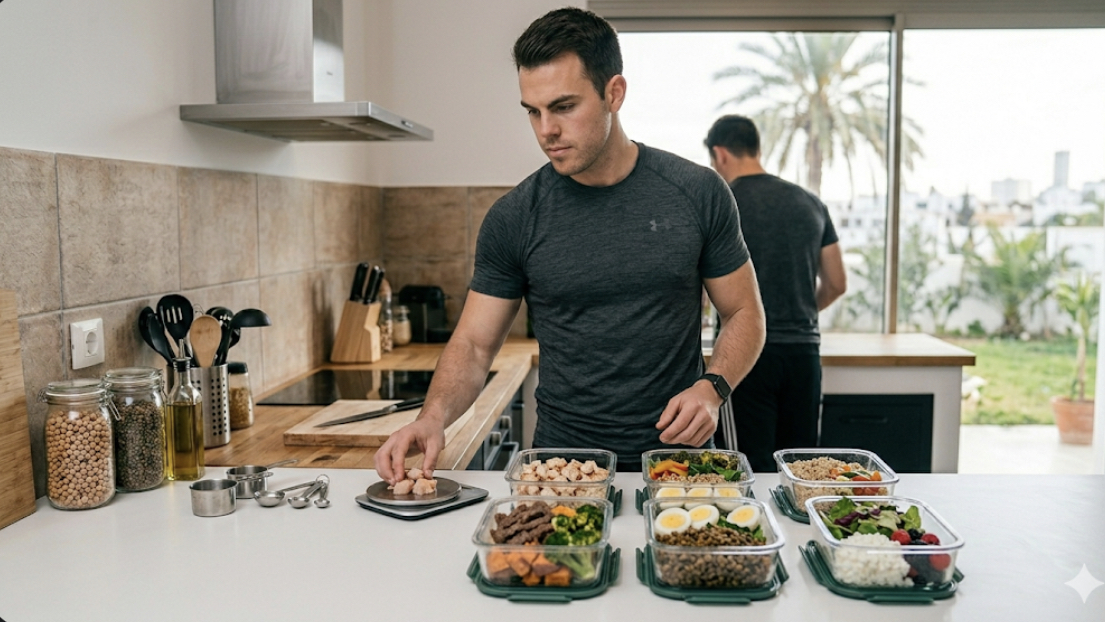
- Breakfast (7:00 AM): 4 whole eggs, 1 cup oatmeal with 1 tbsp peanut butter, 1 banana, 1 cup egg whites (700 kcal, 48g protein)
- Lunch (12:00 PM): 200g grilled chicken breast, 1.5 cups jasmine rice, 1 cup broccoli, 1 tbsp olive oil (700 kcal, 52g protein)
- Pre-Workout (3:00 PM): 1 cup Greek yogurt, 1 apple, 1 tbsp honey (300 kcal, 22g protein)
- Post-Workout (6:00 PM): 2 scoops whey protein, 1 banana, 1 cup oats (600 kcal, 48g protein)
- Dinner (8:00 PM): 200g lean beef, 2 medium sweet potatoes, asparagus (700 kcal, 45g protein)
Vegan/Vegetarian Plan (2,900 kcal, 150g protein)
- Breakfast: Tofu scramble (200g firm tofu), 1.5 cups oatmeal, 2 tbsp peanut butter, banana (750 kcal, 40g protein)
- Lunch: 200g tempeh, 1.5 cups quinoa, 1 cup edamame, mixed greens (700 kcal, 48g protein)
- Snack: 1 cup soy yogurt, 1 scoop pea protein, berries (350 kcal, 30g protein)
- Dinner: 1.5 cups cooked lentils, 1.5 cups brown rice, 1 cup spinach, 1 tbsp olive oil (650 kcal, 28g protein)
- Evening: 1 cup unsweetened soy milk, 1 tbsp almond butter (150 kcal, 8g protein)
Gluten-Free Options
- Replace oats with certified gluten-free oats or buckwheat.
- Use rice, quinoa, or gluten-free pasta for carbohydrate sources.
- Ensure tempeh and tofu are labeled gluten-free.
9. Training & Cardio Strategies for Lean Bulking
9.1. Progressive Overload is Non-Negotiable
To stimulate muscle growth, you must consistently increase training volume (weight, reps, or sets). Aim for 8–12 reps per set for hypertrophy, training each muscle group 2x per week .
9.2. Cardio: Friend, Not Foe
Incorporate 2–3 low-to-moderate intensity cardio sessions (20–30 minutes) or 1–2 HIIT sessions per week. This improves cardiovascular health, nutrient partitioning, and helps control fat gain without interfering with recovery .
10. Quick High-Protein Recipes for Clean Bulking
- Lean Bulk Shake (700 kcal, 45g protein): 1 cup oats, 2 scoops whey, 1 banana, 1 tbsp almond butter, 1 cup oat milk.
- Protein Pancakes (650 kcal, 50g protein): 2 scoops protein powder, ½ cup oats, 3 whole eggs, 1 banana, cinnamon. Top with Greek yogurt.
- Spicy Turkey Rice Bowl (650 kcal, 55g protein): 200g lean ground turkey, 1.5 cups jasmine rice, bell peppers, onion, low-sodium soy sauce.
11. Tracking Progress: How to Know You're on the Right Track
Weekly weigh-ins (same time, same conditions) are essential. Weight should increase by 0.25–0.5% body weight weekly. If gains exceed this, reduce surplus. Also track waist circumference every two weeks; if waist increases faster than weight, adjust nutrition .
12. Frequently Asked Questions
How can you bulk without gaining belly fat?
You can bulk without gaining belly fat by using a small calorie surplus (250-500 kcal), tracking progress weekly, focusing on clean whole foods, and combining resistance training with progressive overload and cardio.
What is the best calorie surplus for lean bulking?
For most individuals, a surplus of 250-500 kcal above maintenance is ideal. Hard gainers may need 400-500 kcal, while those prone to fat gain should stay at 200-300 kcal.
How much protein do I need during a clean bulk?
Consume 1.6-2.2 grams of protein per kilogram of body weight daily. This range maximizes muscle protein synthesis and minimizes fat gain.
Can I do cardio while bulking?
Yes. Moderate cardio (2-3 sessions per week) improves cardiovascular health, nutrient partitioning, and helps control fat gain without hindering muscle growth.
How long should a lean bulk last?
Lean bulks typically last 8-16 weeks. After that, you may maintain or perform a short mini-cut to reassess body composition before another bulk phase.
What are the best foods for a clean bulk?
Lean meats, eggs, Greek yogurt, oats, brown rice, sweet potatoes, quinoa, nuts, seeds, avocado, and plenty of vegetables.
Will I lose muscle if I bulk too slowly?
No. A small surplus supports steady muscle growth. Extreme surpluses do not accelerate muscle gain; they only increase fat storage.
What is the difference between fast bulking and slow bulking?
Fast bulking uses a large calorie surplus (700-1000+ kcal) leading to rapid weight gain but significant fat accumulation. Slow bulking uses a modest surplus (250-500 kcal) resulting in slower but leaner gains with minimal fat storage.
What are common mistakes beginners make when bulking?
Common mistakes include: eating an excessive calorie surplus (dirty bulking), neglecting protein intake, skipping cardio, not tracking progress, inconsistent training, and poor sleep recovery.
13. Related Resources
- How to Fix a Failed Bulking Phase (Step-by-Step Recovery Guide)
- Signs Your Bulk Is Working (Or Failing): How to Track Progress Correctly
- How Many Calories Do You Need to Build Muscle? (Complete Guide)
- Why Your Muscles Are Not Growing (Even If You Train Hard)
- Best Meal Timing for Muscle Growth Beginners (When to Eat for Results)
- Can You Build Muscle Without Supplements? (Natural Muscle Growth Guide)
- How to Know If You’re Gaining Muscle or Fat (Simple Tracking Guide)
14. Scientific References
- Garthe, I., et al. (2013). Effect of two different weight-loss rates on body composition and strength and power-related performance in elite athletes. International Journal of Sport Nutrition and Exercise Metabolism, 23(1), 20–30. PubMed
- Morton, R. W., et al. (2018). A systematic review, meta-analysis and meta-regression of the effect of protein supplementation on resistance training-induced gains in muscle mass and strength in healthy adults. British Journal of Sports Medicine, 52(6), 376–384. PubMed
- Schoenfeld, B. J., et al. (2017). Effects of different weekly sets-equated resistance training frequencies on muscular strength, muscle hypertrophy, and body composition. Journal of Strength and Conditioning Research, 31(12), 3271–3278. PubMed
- Helms, E. R., et al. (2014). Evidence-based recommendations for natural bodybuilding contest preparation: nutrition and supplementation. Journal of the International Society of Sports Nutrition, 11(1), 20. PubMed
- Aragon, A. A., & Schoenfeld, B. J. (2013). Nutrient timing revisited: is there a post-exercise anabolic window? Journal of the International Society of Sports Nutrition, 10(1), 5. PubMed
- Slater, G., et al. (2019). Is an energy surplus required to maximize skeletal muscle hypertrophy associated with resistance training? Frontiers in Nutrition, 6, 131. PubMed
- ACSM. (2021). Nutrition and Athletic Performance. Medicine & Science in Sports & Exercise, 53(3), 600–618. PubMed
- Iraki, J., et al. (2019). Nutrition recommendations for bodybuilders in the off-season: A narrative review. Sports Medicine, 49(3), 371–385. PubMed
Join the conversation