How to Increase Appetite for Bulking (Proven Natural Tips)
How to Increase Appetite for Bulking: Proven Natural Tips (2026)
⚡ TL;DR
To increase appetite for bulking, focus on these proven strategies: eat smaller, frequent meals (5–6 per day), choose calorie-dense foods (nuts, nut butter, olive oil), drink liquid calories (smoothies, whole milk), train before meals to stimulate hunger, improve sleep quality (7–9 hours), and avoid drinking excessive water before meals. For lack of appetite bulking, these methods help you eat more calories without overwhelming fullness .
1. The Appetite Barrier: Why Eating Enough Is Hard
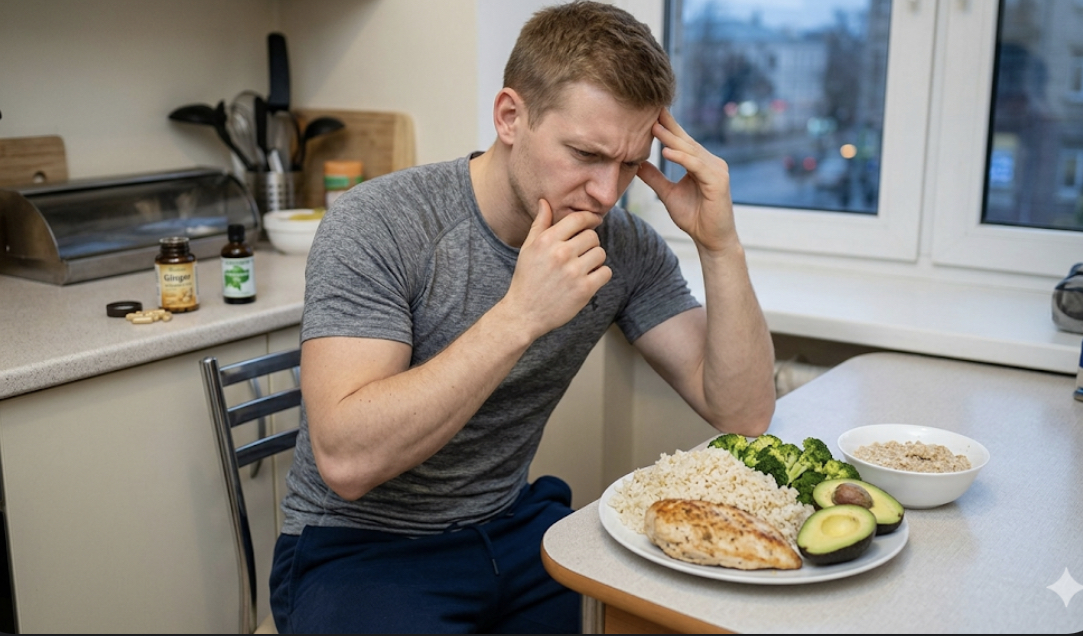
You want to build muscle. You know you need to eat in a calorie surplus. But your stomach feels like a bottomless pit that somehow stays full. This frustrating reality—lack of appetite bulking—affects countless lifters, especially hardgainers. The struggle to increase appetite for bulking isn't about willpower; it's about biology. Understanding hunger hormones, gastric emptying, and meal timing can transform your ability to how to eat more calories and fuel muscle growth.
How can I increase my appetite naturally?
Increase appetite naturally by: eating smaller frequent meals (5-6 per day), choosing calorie-dense foods (nuts, nut butter, olive oil), training before meals to stimulate hunger, drinking calories (whole milk, smoothies), improving sleep quality (7-9 hours), avoiding excessive water before meals, and managing stress which suppresses appetite.

2. The Science of Appetite: Hormones and Hunger
Appetite is regulated by complex hormonal signals. Ghrelin, the "hunger hormone," increases before meals and decreases after eating. Leptin, the "satiety hormone," signals fullness. During bulking, these hormones can work against you, especially if you've been in a calorie surplus for weeks .
2.1. Ghrelin: The Hunger Stimulator
Ghrelin levels naturally rise before meals. However, chronic overfeeding can blunt ghrelin response. Strategies like meal timing and exercise can help maintain ghrelin sensitivity .
2.2. Leptin: The Fullness Signal
Leptin increases with fat mass and calorie intake. During prolonged bulking, leptin resistance can develop, making you feel full faster. Rotating calorie intake and incorporating maintenance days can help reset sensitivity .
2.3. Gastric Emptying Rate
How quickly food leaves your stomach affects hunger. High-fat and high-fiber meals slow gastric emptying, prolonging fullness. This is why how to eat more calories often involves strategic food choices .
3. Why You Have No Appetite When Bulking
Understanding the root causes of lack of appetite bulking is essential for finding solutions:
- Large meal volume: Eating big meals stretches the stomach and delays hunger signals
- High fiber intake: Fiber promotes satiety; excessive fiber can suppress appetite
- Poor sleep: Sleep deprivation increases cortisol and reduces ghrelin
- Stress: Chronic stress elevates cortisol, which suppresses appetite
- Dehydration: Thirst is often mistaken for fullness
- Training timing: Intense exercise diverts blood flow from digestion temporarily
4. Proven Strategies to Increase Appetite for Bulking
4.1. Eat Smaller, More Frequent Meals
Instead of 3 large meals, aim for 5–6 smaller meals spaced every 2–3 hours. This prevents overwhelming fullness and keeps hunger hormones active throughout the day .
4.2. Prioritize Calorie-Dense Foods
Choose foods that pack more calories per bite: nuts, nut butters, avocado, olive oil, full-fat dairy, dried fruits, and fatty fish. This is the foundation of how to eat more calories without excessive volume.
4.3. Drink Your Calories
Liquid calories are less satiating than solid foods. Incorporate smoothies, whole milk, or 100% fruit juices between meals. A 500ml smoothie can easily add 500–800 kcal .
4.4. Train Before Meals
Moderate to intense exercise stimulates ghrelin release. Schedule your largest meals after training when hunger is naturally elevated .
4.5. Improve Sleep Quality
Aim for 7–9 hours of quality sleep. Poor sleep reduces ghrelin and increases cortisol, suppressing appetite .
4.6. Manage Stress
Chronic stress elevates cortisol, which can suppress appetite. Incorporate stress-reduction practices like meditation, walking, or deep breathing .
4.7. Avoid Drinking Water Before Meals
Water fills the stomach without calories. Drink water between meals, not immediately before eating.
📊 Appetite-Boosting Food Selection
| Food Category | High-Appetite Options | Why They Help |
|---|---|---|
| Fats | Olive oil, avocado, nut butter | Calorie-dense, easy to add to meals |
| Dairy | Whole milk, full-fat yogurt, cheese | Liquid calories, palatable, nutrient-rich |
| Carbohydrates | White rice, pasta, oats | Lower fiber, easier digestion |
| Proteins | Eggs, fatty fish, ground meat | Higher calorie per volume |
| Liquids | Smoothies, milk, fruit juice | Bypass satiety signals |
5. Sample High-Calorie Meal Plan for Low Appetite
Omnivore Plan (6 meals, 3,200 kcal)
- Meal 1 (7:00 AM): 1 cup oats, 1 cup whole milk, 2 tbsp peanut butter, 1 banana (650 kcal)
- Meal 2 (10:00 AM): 200g Greek yogurt, ¼ cup granola, 30g almonds (450 kcal)
- Meal 3 (1:00 PM): 200g chicken breast, 2 cups white rice, 1 tbsp olive oil (700 kcal)
- Pre-Workout (4:00 PM): 2 rice cakes with 2 tbsp peanut butter, 1 apple (350 kcal)
- Post-Workout Smoothie (6:30 PM): 1 cup milk, 2 scoops whey, 1 banana, 1 tbsp honey (550 kcal)
- Meal 6 (8:30 PM): 200g salmon, 1 cup quinoa, 1 tbsp olive oil (500 kcal)
Vegan/Vegetarian Plan (3,000 kcal)
- Meal 1: 1.5 cups oats, 1 cup soy milk, 2 tbsp almond butter, banana (700 kcal)
- Meal 2: 200g tempeh, 2 cups rice, 1 tbsp olive oil (600 kcal)
- Meal 3: 1 cup coconut yogurt, 2 tbsp peanut butter, 30g walnuts (500 kcal)
- Smoothie: 1 cup oat milk, 2 scoops plant protein, 1 banana, 2 tbsp almond butter (600 kcal)
- Dinner: 1.5 cups lentils, 2 cups quinoa, 1 tbsp coconut oil, avocado (600 kcal)
Gluten-Free Options
- Use certified gluten-free oats
- Choose rice, quinoa, buckwheat, or gluten-free pasta
- Verify protein powders and nut butters are gluten-free certified

6. Quick Appetite-Boosting Recipes
- Mass Gain Smoothie (800 kcal): 1 cup whole milk, 1 banana, ½ cup oats, 2 tbsp peanut butter, 1 scoop protein powder, 1 tbsp honey.
- Nut Butter Toast (400 kcal): 2 slices bread, 3 tbsp peanut butter, 1 banana, cinnamon drizzle.
- High-Calorie Oatmeal (600 kcal): 1 cup oats, 1 cup milk, 2 tbsp peanut butter, 1 tbsp honey, 1 banana.
- Avocado & Egg Toast (550 kcal): 2 slices bread, 1 avocado, 3 eggs, drizzle olive oil.
7. Natural Appetite Stimulants
7.1. Ginger
Ginger has been shown to accelerate gastric emptying, potentially reducing fullness and allowing for larger meals. Add fresh ginger to smoothies or teas .
7.2. Bitter Greens
Arugula, dandelion greens, and endive stimulate digestive enzyme production and may enhance appetite. Include small portions before meals .
7.3. Zinc
Zinc deficiency is associated with reduced appetite. Foods rich in zinc include oysters, beef, pumpkin seeds, and lentils. Supplementation may help if deficient .
7.4. Digestive Enzymes
For some individuals, digestive enzyme supplements can help process larger meals, reducing post-meal fullness and allowing more frequent eating .
8. Common Mistakes That Suppress Appetite
- Drinking water before meals: Fills stomach without calories
- Eating too much fiber: Excessive vegetables, whole grains delay gastric emptying
- Skipping breakfast: Delaying first meal can reduce total daily intake
- Training immediately after eating: Blood flow diverts from digestion
- Poor sleep: Reduces ghrelin, increases cortisol
- Caffeine overuse: Can suppress appetite in high doses
- Stress: Chronic stress elevates cortisol, suppressing hunger
9. Sample Daily Schedule for Maximum Appetite
- 7:00 AM: Wake, hydrate with small amount of water (200ml)
- 7:30 AM: Breakfast (oatmeal with milk and nut butter)
- 10:00 AM: Morning snack (Greek yogurt with honey)
- 12:30 PM: Lunch (chicken with rice and olive oil)
- 3:00 PM: Pre-workout snack (rice cakes with peanut butter)
- 4:00 PM: Training session (stimulates hunger)
- 5:30 PM: Post-workout smoothie (liquid calories)
- 7:30 PM: Dinner (salmon with quinoa and avocado)
- 9:30 PM: Evening snack (cottage cheese or milk) optional
- 10:30 PM: Sleep (7-9 hours)
10. Frequently Asked Questions
How can I increase my appetite naturally?
Increase appetite naturally by: eating smaller frequent meals (5-6 per day), choosing calorie-dense foods (nuts, nut butter, olive oil), training before meals to stimulate hunger, drinking calories (whole milk, smoothies), improving sleep quality (7-9 hours), avoiding excessive water before meals, and managing stress which suppresses appetite.
Why do I have no appetite when bulking?
Lack of appetite during bulking is caused by: eating large meals that delay gastric emptying, high fiber intake causing fullness, poor sleep increasing cortisol, stress, dehydration, or eating too close to training which diverts blood flow from digestion.
What foods boost appetite for weight gain?
Appetite-boosting foods include: ginger (increases gastric emptying), bitter greens (stimulate digestive enzymes), calorie-dense liquids (smoothies, milk), nuts and nut butters, dried fruits, and meals with healthy fats that are palatable and easy to consume.
How can I eat more calories when I'm not hungry?
Eat more calories when not hungry by: drinking liquid calories (smoothies, milk), adding healthy fats to meals (olive oil, avocado), eating smaller, more frequent meals, training before meals to stimulate appetite, and prioritizing calorie-dense foods over high-volume low-calorie options.
Does exercise increase appetite?
Yes, moderate to intense exercise stimulates appetite by increasing ghrelin (hunger hormone) and improving insulin sensitivity. Training before meals is an effective strategy to increase food intake.
What supplements can help increase appetite?
Evidence-based appetite-supporting supplements include: zinc (deficiency reduces appetite), vitamin B complex (supports digestion), and digestive enzymes (help process larger meals). Always consult a healthcare provider before starting supplements.
11. Related Resources
- How to Fix a Failed Bulking Phase (Step-by-Step Recovery Guide)
- Signs Your Bulk Is Working (Or Failing): How to Track Progress Correctly
- How Many Calories Do You Need to Build Muscle? (Complete Guide)
- Why Your Muscles Are Not Growing (Even If You Train Hard)
- Best Meal Timing for Muscle Growth Beginners (When to Eat for Results)
- Can You Build Muscle Without Supplements? (Natural Muscle Growth Guide)
- How to Know If You’re Gaining Muscle or Fat (Simple Tracking Guide)
12. Scientific References
- Cummings, D. E., et al. (2001). A preprandial rise in plasma ghrelin levels suggests a role in meal initiation in humans. Diabetes, 50(8), 1714–1719. PubMed
- Klok, M. D., et al. (2007). The role of leptin and ghrelin in the regulation of food intake and body weight in humans. Obesity Reviews, 8(1), 21–34. PubMed
- Chapman, I. M. (2004). Endocrinology of anorexia of ageing. Best Practice & Research Clinical Endocrinology & Metabolism, 18(3), 437–452. PubMed
- St-Onge, M. P., et al. (2016). Sleep and obesity. Current Opinion in Clinical Nutrition and Metabolic Care, 19(6), 453–459. PubMed
- Wu, K. L., et al. (2008). The effect of ginger on gastric emptying and gastric motility in humans. Journal of Gastroenterology and Hepatology, 23(3), 490–493. PubMed
- Suzuki, K., et al. (2013). The role of zinc in appetite regulation. Journal of Nutritional Science and Vitaminology, 59(Supplement), S32–S35. PubMed
- Helms, E. R., et al. (2014). Evidence-based recommendations for natural bodybuilding contest preparation. Journal of the International Society of Sports Nutrition, 11(1), 20. PubMed
- ACSM. (2021). Nutrition and Athletic Performance. Medicine & Science in Sports & Exercise, 53(3), 600–618. PubMed
Join the conversation