How to Stay Lean While Gaining Muscle (Lean Bulking Guide)
How to Stay Lean While Gaining Muscle: Lean Bulking Guide (2026)
⚡ TL;DR
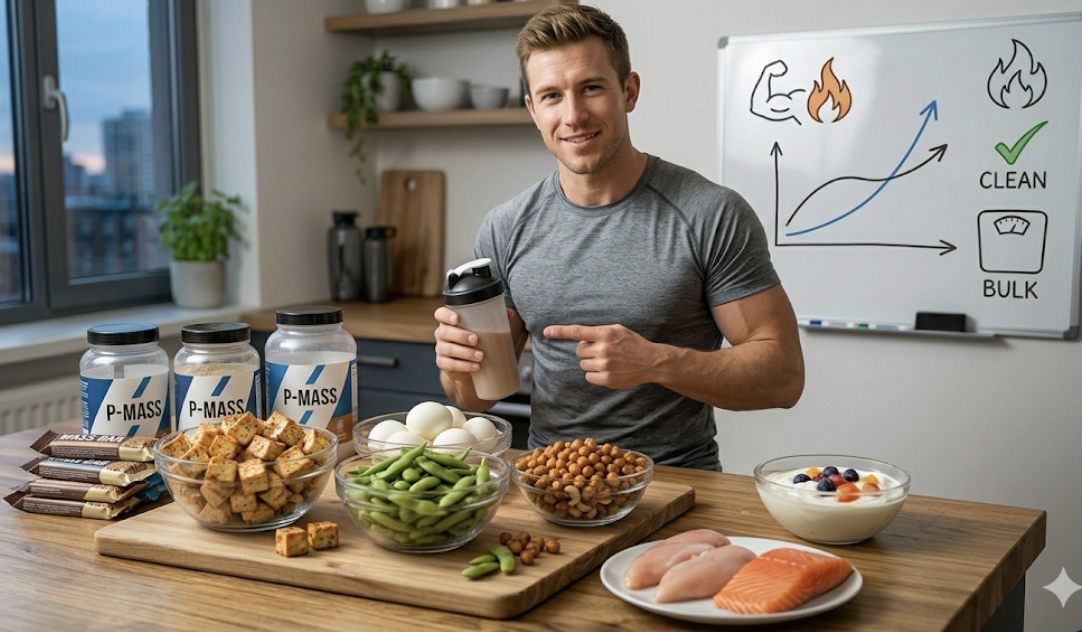
To stay lean while gaining muscle, follow this lean bulking guide: maintain a moderate calorie surplus (250–500 kcal), consume 1.6–2.2 g protein per kg body weight, train with progressive overload (10–20 sets per muscle group weekly), and incorporate 2–3 cardio sessions weekly. Track weekly weight gain (0.25–0.5% body weight) and waist circumference. Clean bulk tips include prioritizing whole foods, limiting processed junk, and staying consistent with tracking. Research confirms that a modest surplus maximizes muscle gain while minimizing fat .
1. The Dream: Building Muscle Without the Belly
For years, lifters accepted the trade-off: gain muscle, gain fat. The classic "bulk then cut" cycle often leaves you fluffy for months before revealing the muscle underneath. But what if you could stay lean while gaining muscle? This lean bulking guide proves it's possible. How to bulk without fat gain comes down to precision: controlling your surplus, optimizing nutrient timing, and training with intensity. Whether you're a hardgainer or someone who gains fat easily, these strategies help you build muscle without gaining fat.
How can I gain muscle without gaining fat?
Gain muscle without gaining fat by: keeping a small calorie surplus (250-500 kcal), eating high protein meals (1.6-2.2 g/kg body weight), focusing on strength training with progressive overload, limiting junk food and processed foods, tracking progress weekly (weight and waist measurements), and incorporating cardio 2-3 times weekly.

2. The Science of Lean Bulking: Nutrient Partitioning
Nutrient partitioning determines whether excess calories go to muscle or fat. Factors influencing partitioning include insulin sensitivity, training status, food quality, and hormonal environment. During a clean bulk, you want to tip the scales toward muscle protein synthesis (MPS) over lipogenesis .
2.1. The Surplus Sweet Spot
Research shows that a surplus of 250–500 kcal above maintenance yields optimal muscle gain with minimal fat. Surpluses beyond 500 kcal rarely accelerate muscle growth but significantly increase fat storage .
2.2. Protein's Role in Partitioning
High protein intake (1.6–2.2 g/kg) not only stimulates MPS but also has the highest thermic effect of food (20–30%), meaning more calories are burned during digestion. This supports how to stay lean while gaining muscle .
📊 Lean Bulk vs Dirty Bulk: Key Differences
| Parameter | Lean Bulk | Dirty Bulk |
|---|---|---|
| Calorie Surplus | 250–500 kcal | 700–1000+ kcal |
| Weekly Weight Gain | 0.25–0.5% body weight | 1%+ body weight |
| Protein Intake | 1.6–2.2 g/kg | Often insufficient |
| Food Quality | Whole foods, nutrient-dense | Processed, high sugar |
| Muscle:Fat Ratio | ~3:1 or better | ~1:1 or worse |
3. Nutrition: The Foundation of Lean Bulking
3.1. Caloric Surplus Calculation
Determine maintenance using Mifflin-St Jeor: (10 × weight in kg) + (6.25 × height in cm) – (5 × age) + 5 (men) or -161 (women). Multiply by activity factor (1.4–1.8). Add 250–500 kcal. Track weight: aim for 0.25–0.5% gain weekly.
3.2. Protein: 1.6–2.2 g/kg
For an 80 kg individual: 128–176g protein daily. Spread across 3–5 meals with 20–40g per meal to maximize MPS .
3.3. Carbohydrates: 4–7 g/kg
Carbs fuel training and replenish glycogen. Prioritize around workouts (30–60g pre, 60–100g post). Choose complex sources: oats, rice, sweet potatoes, quinoa.
3.4. Fats: 0.8–1.2 g/kg
Healthy fats support hormone production. Focus on unsaturated sources: avocado, nuts, seeds, olive oil, fatty fish.
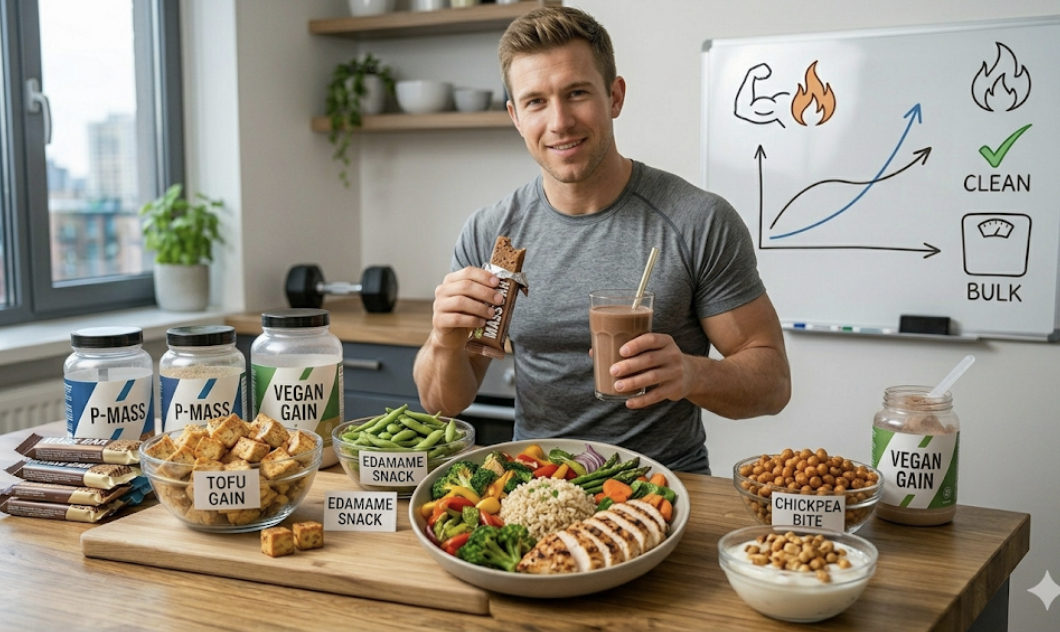
4. Sample Lean Bulking Meal Plan (3,000 kcal, 180g Protein)
Omnivore Plan
- Breakfast (7:30 AM): 4 whole eggs, 1 cup oats, 1 banana, 1 cup milk (650 kcal, 42g protein)
- Lunch (12:30 PM): 200g chicken breast, 1.5 cups jasmine rice, 1 tbsp olive oil, 1 cup broccoli (700 kcal, 52g protein)
- Pre-Workout (3:30 PM): 1 cup Greek yogurt, 1 apple, 1 tbsp honey (300 kcal, 22g protein)
- Post-Workout (6:00 PM): 2 scoops whey, 1 banana, 1 cup oats (550 kcal, 48g protein)
- Dinner (8:00 PM): 200g lean beef or salmon, 1.5 cups sweet potato, 1 tbsp olive oil, asparagus (700 kcal, 45g protein)
Vegan/Vegetarian Lean Bulk Plan (2,900 kcal, 150g Protein)
- Breakfast: Tofu scramble (200g firm tofu), 1.5 cups oats, 2 tbsp peanut butter, banana (750 kcal, 45g protein)
- Lunch: 200g tempeh, 1.5 cups quinoa, 1 cup edamame, 1 tbsp olive oil (700 kcal, 48g protein)
- Snack: 1 cup soy yogurt, 1 scoop pea protein, 30g almonds (400 kcal, 32g protein)
- Dinner: 1.5 cups cooked lentils, 2 cups brown rice, 1 tbsp coconut oil, spinach (650 kcal, 28g protein)
- Evening: 1 cup full-fat oat milk + 1 tbsp almond butter (250 kcal, 8g protein)
Gluten-Free Options
- Use certified gluten-free oats
- Choose rice, quinoa, buckwheat
- Verify protein powders and tempeh are gluten-free certified
5. Training for Lean Muscle Gain
5.1. Progressive Overload
To stimulate growth, consistently increase demands: add weight, reps, or sets weekly. Aim for 8–15 reps per set for hypertrophy .
5.2. Training Volume
Research suggests 10–20 working sets per muscle group weekly. Beginners start at lower volumes; advanced lifters may need higher .
5.3. Frequency
Train each muscle group 2 times per week. This frequency maintains elevated MPS and supports how to stay shredded while bulking .
5.4. Cardio During Lean Bulking
Incorporate 2–3 sessions of low-to-moderate intensity cardio (20–30 minutes) weekly. This improves insulin sensitivity and nutrient partitioning without interfering with recovery .
6. Tracking Progress: How to Know You're Gaining Lean
- Weekly weigh-ins: 0.25–0.5% body weight gain (0.2–0.4 kg for 80 kg person)
- Waist circumference: Measure weekly; if waist increases faster than weight, reduce surplus
- Strength progression: Are you adding weight or reps consistently?
- Progress photos: Monthly photos reveal composition changes
- Skinfold measurements: Track body fat every 4–6 weeks
7. Common Lean Bulking Mistakes
- Excessive surplus: Eating too much guarantees fat gain
- Insufficient protein: Low protein limits MPS
- No progressive overload: Without stimulus, calories become fat
- Dirty bulking with processed foods: Impairs insulin sensitivity
- Neglecting cardio: No cardio worsens nutrient partitioning
- Poor sleep: Sleep deprivation increases cortisol, reduces testosterone
- Not tracking progress: Without data, you can't adjust
8. Quick Lean Bulking Recipes
- Lean Mass Shake (650 kcal, 50g protein): 1 cup oats, 2 scoops whey, 1 banana, 1 tbsp peanut butter, 1 cup water/ice
- High-Protein Oatmeal (600 kcal, 40g protein): 1 cup oats, 1 cup milk, 2 tbsp peanut butter, 1 scoop protein powder
- Chicken & Rice Bowl (700 kcal, 55g protein): 200g chicken, 2 cups rice, 1 tbsp olive oil, vegetables
9. Frequently Asked Questions
How can I gain muscle without gaining fat?
Gain muscle without gaining fat by: keeping a small calorie surplus (250-500 kcal), eating high protein meals (1.6-2.2 g/kg body weight), focusing on strength training with progressive overload, limiting junk food and processed foods, tracking progress weekly (weight and waist measurements), and incorporating cardio 2-3 times weekly.
What is the best calorie surplus for lean bulking?
The optimal calorie surplus for lean bulking is 250-500 kcal above maintenance. This provides enough energy for muscle growth while minimizing fat storage. Gain weight at 0.25-0.5% body weight weekly.
How much protein do I need for lean muscle gain?
Consume 1.6-2.2 grams of protein per kilogram of body weight daily. Spread across 3-5 meals with 20-40g protein per meal to maximize muscle protein synthesis.
Can I do cardio while lean bulking?
Yes, moderate cardio (2-3 sessions of 20-30 minutes weekly) improves insulin sensitivity, nutrient partitioning, and helps control fat gain without interfering with muscle growth. LISS or low-intensity steady-state cardio is preferred during bulking.
What foods are best for clean bulking?
Best clean bulking foods include: lean meats (chicken, turkey, lean beef), eggs, fatty fish (salmon), Greek yogurt, cottage cheese, oats, quinoa, brown rice, sweet potatoes, nuts, seeds, avocado, and plenty of vegetables.
How long should a lean bulk last?
Lean bulks typically last 8-16 weeks. After that, you may maintain for a few weeks or perform a short mini-cut (2-4 weeks) to reset insulin sensitivity before another bulk phase.
10. Related Resources
- How to Fix a Failed Bulking Phase (Step-by-Step Recovery Guide)
- Signs Your Bulk Is Working (Or Failing): How to Track Progress Correctly
- How Many Calories Do You Need to Build Muscle? (Complete Guide)
- Why Your Muscles Are Not Growing (Even If You Train Hard)
- Best Meal Timing for Muscle Growth Beginners (When to Eat for Results)
- Can You Build Muscle Without Supplements? (Natural Muscle Growth Guide)
- How to Know If You’re Gaining Muscle or Fat (Simple Tracking Guide)
11. Scientific References
- Morton, R. W., et al. (2018). A systematic review, meta-analysis and meta-regression of the effect of protein supplementation on resistance training-induced gains in muscle mass and strength. British Journal of Sports Medicine, 52(6), 376–384. PubMed
- Slater, G., et al. (2019). Is an energy surplus required to maximize skeletal muscle hypertrophy associated with resistance training? Frontiers in Nutrition, 6, 131. PubMed
- Schoenfeld, B. J., et al. (2017). Effects of different weekly sets-equated resistance training frequencies on muscular strength, muscle hypertrophy, and body composition. Journal of Strength and Conditioning Research, 31(12), 3271–3278. PubMed
- Helms, E. R., et al. (2014). Evidence-based recommendations for natural bodybuilding contest preparation. Journal of the International Society of Sports Nutrition, 11(1), 20. PubMed
- Garthe, I., et al. (2013). Effect of two different weight-loss rates on body composition and strength and power-related performance in elite athletes. International Journal of Sport Nutrition and Exercise Metabolism, 23(1), 20–30. PubMed
- Kerksick, C. M., et al. (2018). ISSN exercise & sports nutrition review update. Journal of the International Society of Sports Nutrition, 15(1), 38. PubMed
- ACSM. (2021). Nutrition and Athletic Performance. Medicine & Science in Sports & Exercise, 53(3), 600–618. PubMed
Join the conversation