Why You Feel Weak During Bulking Phase (Causes & Fixes Explained)
Why You Feel Weak During Bulking Phase: Causes & Fixes Explained (2026)

⚡ TL;DR
If you're weak during bulking, you're not alone. Low energy bulking phase occurs due to poor food quality, imbalanced macros, electrolyte depletion, overtraining, or insufficient recovery. The fix: increase carbohydrate intake (4–7 g/kg), prioritize pre-workout nutrition, add a deload week every 4–6 weeks, ensure adequate sodium (3–5g/day), and improve sleep quality. Bulking fatigue reasons are rarely about eating too little—they're about eating the wrong foods at the wrong times .
1. The Paradox: Why You Feel Weaker While Eating More
You increased your calories. You're eating more than ever. Yet your lifts feel heavier, your energy is tanking, and you're questioning if bulking is worth it. This frustrating experience—feeling weak during bulking—is more common than you think. The paradox exists because muscle gain requires more than just a calorie surplus; it demands strategic nutrient timing, proper food selection, and adequate recovery mechanisms. Understanding bulking fatigue reasons is the first step to restoring your strength and energy.
Why do I feel weak during bulking?
You feel weak during bulking due to poor food quality (processed foods causing sluggishness and inflammation), digestion issues (excess fiber or fat slowing gastric emptying and diverting blood flow from muscles), imbalanced macros (insufficient carbohydrates for energy production), inadequate electrolytes (especially sodium and potassium), overtraining without proper recovery, or sudden calorie surplus changes that disrupt metabolic adaptation .
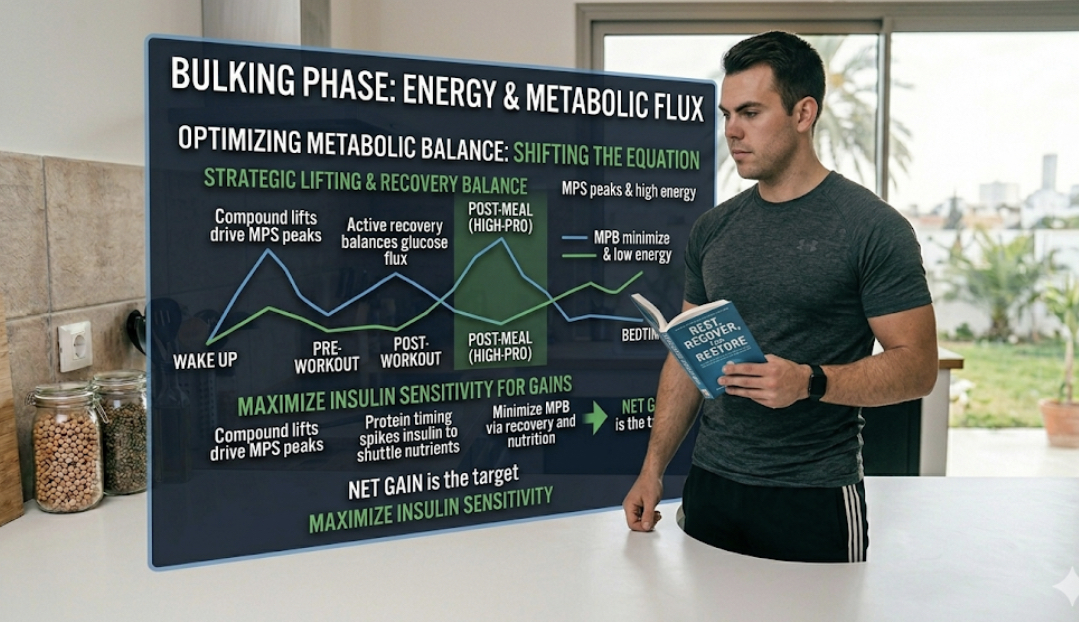
2. Carbohydrate Mismanagement: The #1 Cause of Bulking Fatigue
Carbohydrates are your body's primary fuel source for high-intensity training. During a bulk, your glycogen demands increase significantly. Insufficient carbohydrate intake is the leading cause of low energy bulking phase symptoms.
2.1. Glycogen Depletion and Performance
Muscle glycogen stores directly impact strength and endurance. Research shows that even moderate glycogen depletion reduces training volume by 20–30% . When bulking, you need adequate carbs to replenish glycogen after each session and fuel subsequent workouts.
2.2. Recommended Carbohydrate Intake
Aim for 4–7 g of carbohydrates per kilogram of body weight daily during bulking. For an 80 kg individual, that's 320–560 g carbs. Prioritize carbs around your workout window: 30–60 g pre-workout and 60–100 g post-workout .
| Training Intensity | Carb Intake (g/kg/day) | Example (80 kg) |
|---|---|---|
| Moderate (3-4 sessions/week) | 4–5 g/kg | 320–400 g |
| High (5-6 sessions/week) | 5–6 g/kg | 400–480 g |
| Very High (2x daily) | 6–7 g/kg | 480–560 g |

3. Food Quality vs. Quantity: Why Clean Eating Matters
Many lifters assume that any calorie surplus works for bulking. However, food quality dramatically affects energy levels. Highly processed foods cause inflammation, blood sugar spikes and crashes, and digestive distress—all contributing to weakness during bulking.
3.1. The Digestive Cost of Dirty Bulking
When you consume large amounts of processed fats and refined sugars, your body diverts significant blood flow to digestion, leaving muscles with less oxygen and nutrients during training. This "digestive competition" is a common cause of bulking fatigue reasons .
3.2. Whole Foods for Sustained Energy
Prioritize whole grains, lean proteins, fruits, vegetables, and healthy fats. These provide steady glucose release, micronutrients essential for energy production (B vitamins, magnesium, iron), and better gut health .
4. Electrolyte Imbalance: The Hidden Energy Killer
When you increase food volume and training intensity, your electrolyte needs skyrocket. Sodium, potassium, and magnesium deficiencies are overlooked causes of why strength drops bulking phases.
4.1. Sodium: The Performance Mineral
Low sodium intake causes fatigue, muscle cramps, and reduced power output. During bulking, aim for 3–5 g of sodium daily (approximately 7–12 g of salt) .
4.2. Potassium and Magnesium
Potassium (3,500–4,700 mg/day) supports nerve function and muscle contraction. Magnesium (400–420 mg/day for men) is crucial for ATP production and recovery .

5. Overtraining Without Deload: Accumulated Fatigue
Bulking phases often involve high training volumes. Without scheduled deload weeks, accumulated fatigue leads to central nervous system (CNS) burnout—a primary reason for weakness during bulking.
5.1. Signs You Need a Deload
- Consistent strength stagnation or decline
- Persistent fatigue despite adequate sleep
- Decreased motivation and increased irritability
- Poor sleep quality
- Elevated resting heart rate
5.2. Deload Protocol
Take a deload week every 4–6 weeks. Reduce volume by 40–60% while maintaining intensity (or reduce intensity by 10–20%). This allows CNS recovery without losing muscle .
6. Sleep and Recovery: The Non-Negotiable Foundation
Sleep is when muscle repair, glycogen synthesis, and hormonal optimization occur. Poor sleep directly causes low energy bulking phase symptoms.
6.1. Sleep and Performance
Studies show that sleep deprivation reduces strength by up to 20%, impairs reaction time, and increases perceived effort . Aim for 7–9 hours of quality sleep nightly.
6.2. Sleep Optimization Tips
- Maintain consistent sleep/wake times
- Avoid heavy meals within 2 hours of bedtime
- Limit blue light exposure 60 minutes before sleep
- Keep bedroom cool (18–20°C / 65–68°F)
7. Nutrient Timing: When You Eat Matters
Even with adequate total calories, poor nutrient timing can leave you weak during bulking. Your pre-workout meal is particularly critical.
7.1. Pre-Workout Nutrition
Consume a meal containing 30–60 g carbohydrates and 20–30 g protein 2–3 hours before training. Alternatively, have a smaller snack (20–30 g carbs, 10–15 g protein) 30–60 minutes pre-workout .
7.2. Intra-Workout Fuel
For sessions lasting over 90 minutes, consider intra-workout carbohydrates (30–60 g/hour) to maintain energy levels and prevent mid-session fatigue .
8. Sample Meal Plan for Sustained Energy (3,200 kcal)
Omnivore Plan
- Breakfast (7:00 AM): 1 cup oats, 2 scoops whey, 1 banana, 2 tbsp peanut butter (700 kcal, 50g protein, 85g carbs)
- Pre-Workout (11:00 AM): 2 rice cakes with 1 tbsp honey, 1 apple (250 kcal, 45g carbs)
- Post-Workout (1:00 PM): 200g chicken breast, 2 cups jasmine rice, 1 cup broccoli (750 kcal, 55g protein, 90g carbs)
- Snack (4:00 PM): 1 cup Greek yogurt, 1 cup berries, ¼ cup granola (350 kcal, 25g protein, 40g carbs)
- Dinner (7:00 PM): 200g lean beef, 2 medium sweet potatoes, asparagus (700 kcal, 45g protein, 70g carbs)
- Evening (9:30 PM): 1 cup cottage cheese (200 kcal, 25g protein)
Vegan/Vegetarian Alternative
- Replace whey with pea/rice protein blend
- Replace chicken with 200g tempeh or seitan
- Replace beef with 1.5 cups cooked lentils + 1 cup quinoa
- Replace Greek yogurt with soy yogurt + 1 scoop plant protein
Gluten-Free Options
- Use certified gluten-free oats
- Replace rice cakes with gluten-free rice cakes
- Ensure all grains are certified gluten-free (rice, quinoa, buckwheat)
9. Quick Energy-Boosting Recipes
- Pre-Workout Rice Cakes (250 kcal, 40g carbs): 2 rice cakes, 1 tbsp almond butter, 1 banana, cinnamon.
- Post-Workout Recovery Smoothie (500 kcal, 35g protein, 70g carbs): 1 cup oat milk, 1 scoop whey, 1 banana, 1 cup frozen mango, ½ cup oats.
- Intra-Workout Drink (120 kcal, 30g carbs): 500ml water, 1 tbsp honey, pinch of salt, 1 scoop electrolyte powder.
10. When to See a Professional
If persistent weakness during bulking continues despite implementing these strategies, consult a sports dietitian or physician. Underlying issues may include:
- Iron deficiency anemia
- Thyroid dysfunction
- Adrenal fatigue
- Undiagnosed food intolerances
11. Frequently Asked Questions
Why do I feel weak during bulking?
You feel weak during bulking due to poor food quality (processed foods causing sluggishness), digestion issues (excess fiber or fat slowing gastric emptying), imbalanced macros (insufficient carbohydrates for energy), inadequate electrolytes, overtraining without proper recovery, or sudden calorie surplus changes that disrupt metabolic adaptation.
What causes low energy during bulking phase?
Low energy during bulking phase is caused by insufficient carbohydrate intake for glycogen replenishment, poor food timing around workouts, electrolyte imbalances (especially sodium and potassium), dehydration, excessive fat intake slowing digestion, poor sleep quality, and lack of deload weeks for recovery.
How can I fix weakness during bulking?
Fix weakness during bulking by increasing carbohydrate intake to 4-7 g/kg body weight, timing carbs around workouts, ensuring adequate sodium (3-5g/day), improving food quality (whole foods over processed), adding a deload week every 4-6 weeks, and prioritizing 7-9 hours of sleep nightly.
Why does my strength drop during bulking?
Strength drops during bulking due to accumulated fatigue without deloading, inadequate carbohydrate intake for training intensity, electrolyte depletion from increased food volume, poor sleep quality, or transitioning from a cut to bulk too quickly without allowing metabolic adaptation.
Should I eat more carbs if I feel weak while bulking?
Yes, increasing carbohydrate intake is often the first fix for weakness during bulking. Aim for 4-7 g/kg body weight daily, with 30-60g of fast-digesting carbs pre-workout and post-workout to sustain energy levels and replenish glycogen.
Can poor sleep cause weakness during bulking?
Absolutely. Poor sleep increases cortisol, impairs glycogen synthesis, reduces testosterone, and disrupts recovery. Aim for 7-9 hours of quality sleep to prevent weakness and optimize muscle growth.
How much water should I drink during bulking to avoid fatigue?
Drink 3-4 liters of water daily during bulking. Increased food volume, higher protein intake, and training all increase fluid needs. Dehydration is a common cause of low energy and weakness.
12. Related Resources
- How to Fix a Failed Bulking Phase (Step-by-Step Recovery Guide)
- Signs Your Bulk Is Working (Or Failing): How to Track Progress Correctly
- How Many Calories Do You Need to Build Muscle? (Complete Guide)
- Why Your Muscles Are Not Growing (Even If You Train Hard)
- Best Meal Timing for Muscle Growth Beginners (When to Eat for Results)
- Can You Build Muscle Without Supplements? (Natural Muscle Growth Guide)
- How to Know If You’re Gaining Muscle or Fat (Simple Tracking Guide)
13. Scientific References
- Haff, G. G., & Triplett, N. T. (2015). Essentials of Strength Training and Conditioning (4th ed.). Human Kinetics.
- Burke, L. M., et al. (2017). Carbohydrates for training and competition. Journal of Sports Sciences, 29(sup1), S17–S27. PubMed
- Kerksick, C. M., et al. (2018). ISSN exercise & sports nutrition review update: research & recommendations. Journal of the International Society of Sports Nutrition, 15(1), 38. PubMed
- Maughan, R. J., & Shirreffs, S. M. (2019). Nutrition for sports performance: issues and opportunities. Proceedings of the Nutrition Society, 78(1), 85–92. PubMed
- Vitale, K. C., et al. (2019). Sleep hygiene for optimizing recovery in athletes: review and recommendations. International Journal of Sports Medicine, 40(8), 535–543. PubMed
- Helms, E. R., et al. (2014). Evidence-based recommendations for natural bodybuilding contest preparation: nutrition and supplementation. Journal of the International Society of Sports Nutrition, 11(1), 20. PubMed
- Aragon, A. A., & Schoenfeld, B. J. (2013). Nutrient timing revisited: is there a post-exercise anabolic window? Journal of the International Society of Sports Nutrition, 10(1), 5. PubMed
- Thomas, D. T., et al. (2016). Position of the Academy of Nutrition and Dietetics, Dietitians of Canada, and the American College of Sports Medicine: Nutrition and Athletic Performance. Journal of the Academy of Nutrition and Dietetics, 116(3), 501–528. PubMed
Join the conversation